
Cat Breeds That Dislike Travel: Are You Torturing Yours?

Have you ever seen a cat on a road trip? Some cats love exploring new places. But many cat breeds that dislike travel exist. These kitties prefer staying home. They like the comfort of their own space. What makes some cats homebodies?
Cats are creatures of habit. They love their routines. Travel can be stressful for them. Loud noises and new smells can scare them. Certain breeds are more prone to anxiety. This makes them less suited for travel.
Key Takeaways
- Some cat breeds that dislike travel experience high stress levels when away from home.
- Early socialization can help kittens become more adaptable to different environments.
- A secure carrier and familiar items can ease a cat’s anxiety during travel.
- Breeds like Persians and Scottish Folds often prefer calm and stable environments.
- Understanding your cat’s personality is key to planning travel or finding a good sitter.
Which Cat Breeds Dislike Travel the Most?

Some cats are just not built for adventure. Certain cat breeds that dislike travel tend to be more anxious. They are happier in a familiar environment. Persians, for example, are known for their calm nature. They enjoy quiet and predictable surroundings. A sudden change, like a car ride, can upset them. Scottish Folds also prefer stability. Their laid-back personality means they don’t handle stress well. Then there are breeds like Ragdolls. While generally friendly, they can become very attached to their home. Moving them can cause significant distress. It’s important to consider your cat’s breed when planning a trip. Knowing their personality can help you make the best choice for their well-being. Leaving them in a safe, comfortable place might be kinder than forcing them to travel.
- Persians prefer quiet and calm environments.
- Scottish Folds are known for their laid-back nature.
- Ragdolls often form strong attachments to their home.
- Siamese cats can be vocal and anxious during travel.
- British Shorthairs enjoy routine and stability.
Consider a cat like Princess, a fluffy Persian. Her owners decided to take her on a cross-country trip. They thought she would enjoy seeing new places. Instead, Princess spent the entire trip hiding under the seat. She refused to eat or drink. She meowed constantly, showing her distress. The owners quickly realized they had made a mistake. They learned that Princess was one of those cat breeds that dislike travel. From then on, they always found a trusted cat sitter. This ensured Princess could stay in her comfortable home. Understanding your cat’s breed and personality is crucial. It helps you make informed decisions about travel. Always prioritize your cat’s comfort and well-being.
Fun Fact or Stat: Studies show that cats are more likely to experience travel anxiety than dogs.
Are Persians Really That Sensitive?
Persians are often described as delicate and sensitive cats. But is this just a stereotype? Well, there’s some truth to it. Persians have a calm and gentle nature. They thrive in quiet, stable homes. Loud noises and sudden changes can easily stress them. Have you ever seen a Persian cat get scared by a vacuum cleaner? It’s not a pretty sight. Their long fur also requires a lot of grooming. This means they need a calm environment to tolerate being brushed and bathed. All these factors contribute to their reputation as one of the cat breeds that dislike travel. A long car ride or a stay in a new place can be very unsettling for them. It’s important to respect their sensitive nature and avoid unnecessary stress.
Why Do Scottish Folds Hate Car Rides?
Scottish Folds are known for their adorable folded ears and sweet temperament. But don’t let their cuteness fool you. They can be quite sensitive to stress. Their laid-back personality means they prefer routine and stability. A car ride disrupts their sense of normalcy. Imagine being a Scottish Fold stuck in a carrier. The loud noises, unfamiliar smells, and constant motion can be overwhelming. These cats are also prone to anxiety. This makes them even more likely to dislike travel. So, if you have a Scottish Fold, consider leaving them at home with a trusted caregiver. This will keep them happy and stress-free. It’s all about understanding their needs and preferences.
Do Ragdolls Miss Their Homes Too Much?
Ragdolls are famous for their affectionate and gentle nature. They often form strong bonds with their families and their homes. This deep attachment can make travel particularly difficult for them. Have you ever seen a Ragdoll greet its owner at the door? They are so happy to be reunited. Now imagine taking that Ragdoll away from its beloved home. The change in environment can cause significant anxiety. They might miss their favorite toys, their cozy bed, and the familiar scent of their family. While some Ragdolls might adapt to travel with proper preparation, many simply prefer the comfort of their own home. This makes them one of the cat breeds that dislike travel. Always consider your Ragdoll’s personality before planning a trip.
How to Spot Travel Anxiety in Cats

Knowing how to spot travel anxiety is key. It helps you understand your cat’s stress level. Cat breeds that dislike travel often show clear signs of distress. These signs can include excessive meowing. A normally quiet cat might become very vocal. Panting is another sign of anxiety. Cats don’t usually pant unless they are very stressed. Hiding is also a common reaction. Your cat might try to escape into a small, dark space. Other signs include vomiting or diarrhea. These are physical symptoms of stress. Watch for changes in behavior. A cat that stops eating or grooming might be anxious. By recognizing these signs, you can take steps to make travel less stressful. Or you might decide that staying home is the best option for your furry friend.
- Excessive meowing or vocalization.
- Panting, which is unusual for cats.
- Hiding or trying to escape.
- Vomiting or diarrhea.
- Loss of appetite.
Imagine you are taking your cat, Mittens, on a trip to visit family. Usually, Mittens is a calm and friendly cat. But as soon as you put her in the carrier, her behavior changes. She starts meowing loudly and scratching at the door. In the car, she pants and drools. You notice she refuses to eat any treats. When you arrive at your destination, she immediately hides under the bed. She stays there for hours, refusing to come out. These are all clear signs of travel anxiety. By recognizing these signs, you can take action. You might try using calming pheromones. Or you might decide to shorten the trip. The goal is to make Mittens feel as comfortable as possible. Always prioritize your cat’s well-being during travel.
Fun Fact or Stat: Pheromone sprays can reduce travel anxiety in up to 70% of cats.
Is My Cat Just Being Stubborn?
Sometimes, it’s hard to tell if your cat is truly anxious or just being stubborn. Cats are known for their independent personalities. They often have their own way of doing things. But there’s a difference between stubbornness and anxiety. A stubborn cat might refuse to do something. But an anxious cat will show physical and behavioral signs of stress. Look for things like panting, hiding, or vomiting. These are not signs of stubbornness. They are signs of genuine distress. It’s important to listen to your cat’s cues. Don’t dismiss their behavior as mere stubbornness. They might be trying to tell you they are scared or uncomfortable. Understanding the difference can help you provide the best care for your feline friend.
What If My Cat Hides All the Time?
Hiding can be a normal behavior for cats. They often seek out quiet, dark places to feel safe and secure. But excessive hiding can be a sign of anxiety. If your cat is hiding more than usual, it’s important to investigate. Are there any new stressors in their environment? Has there been a change in their routine? Is there a new pet in the house? All these things can cause a cat to hide more. If your cat is hiding due to travel anxiety, try to make their carrier a safe space. Put a familiar blanket inside and spray it with calming pheromones. If the hiding persists, consult with a veterinarian. They can help you determine the cause and find ways to help your cat feel more secure.
Can Pheromones Really Calm My Cat?
Pheromones are chemical signals that animals use to communicate. Synthetic pheromones mimic these natural signals. They can help to calm and reassure cats. One common pheromone product is Feliway. It mimics the facial pheromones that cats use to mark their territory. When a cat sprays Feliway, it creates a sense of safety and security. This can be especially helpful during travel. Spraying the carrier with Feliway can reduce anxiety. It can make the cat feel more comfortable in the unfamiliar environment. While pheromones don’t work for every cat, they are a safe and effective option. They are worth trying if your cat experiences travel anxiety. Always follow the instructions on the product label.
Preparing Your Cat for a Trip
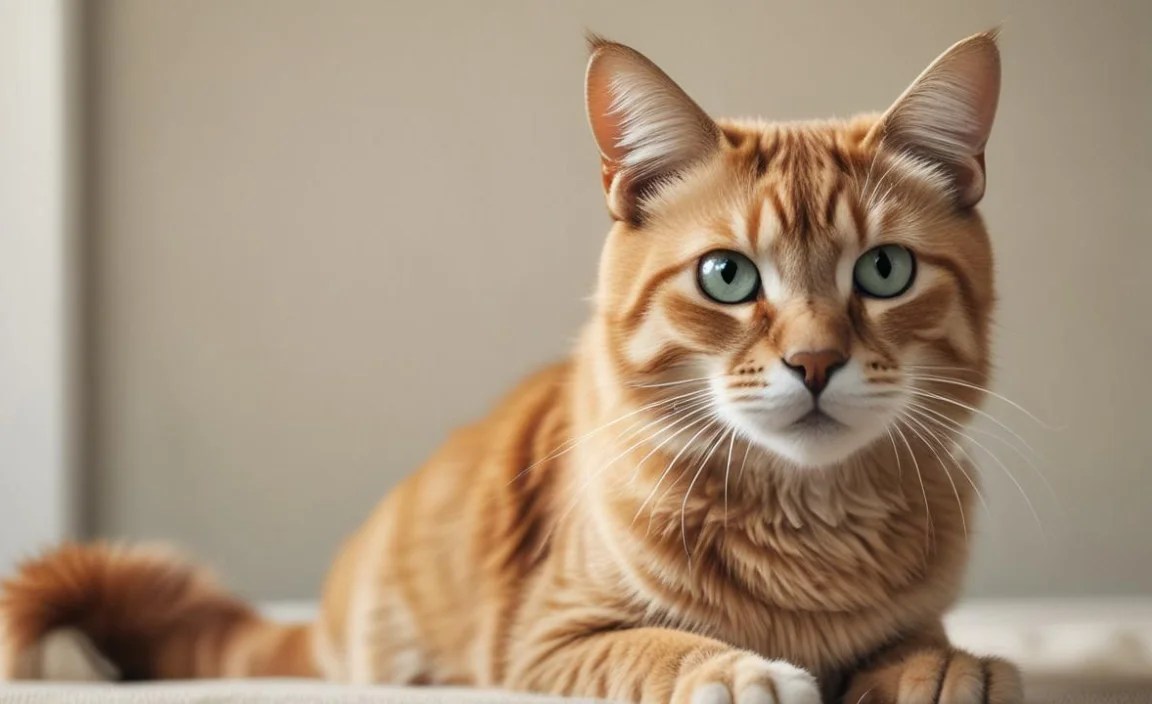
Preparing your cat for a trip takes time and patience. Rushing the process can increase their anxiety. Start by getting your cat used to the carrier. Leave it open in a room where they spend time. Put treats and toys inside to encourage them to explore. Make the carrier a positive place. Next, take your cat on short car rides. Start with just a few minutes. Gradually increase the length of the rides. This helps them get used to the motion and sounds of the car. Use calming aids like pheromone sprays. These can help reduce anxiety. Pack familiar items like their favorite blanket and toys. These items provide comfort and security. With careful preparation, you can make travel less stressful for your feline friend. Even for cat breeds that dislike travel, these steps can make a difference.
- Introduce the carrier gradually.
- Take short practice car rides.
- Use calming pheromone sprays.
- Pack familiar blankets and toys.
- Keep the car quiet and cool.
Imagine you are planning a road trip with your cat, Oliver. Oliver is a generally anxious cat. You know he might not enjoy the trip. So, you start preparing weeks in advance. First, you leave his carrier in the living room with the door open. You put his favorite blanket and some treats inside. At first, he’s hesitant. But eventually, he starts exploring the carrier. Next, you start taking him on short car rides. You drive around the block and then come home. Each time, you give him a treat and praise him. On the day of the trip, Oliver is still a bit nervous. But he’s much calmer than you expected. The preparation paid off. By taking the time to get him used to the carrier and the car, you made the trip much less stressful for both of you.
Fun Fact or Stat: Cats who are introduced to carriers as kittens are less likely to experience travel anxiety.
How Can I Make the Carrier More Appealing?
Making the carrier more appealing is key to reducing travel anxiety. Cats often associate carriers with negative experiences, like vet visits. To change this association, make the carrier a positive place. Start by choosing a comfortable carrier. Look for one that is well-ventilated and has plenty of space. Line the carrier with a soft, familiar blanket. This will make it feel more like home. Put treats and toys inside to encourage your cat to explore. You can also spray the carrier with calming pheromones. This can help reduce anxiety and create a sense of security. Leave the carrier out in a room where your cat spends time. This allows them to get used to it at their own pace. With patience and positive reinforcement, you can make the carrier a safe and welcoming space for your feline friend.
Should I Feed My Cat Before Traveling?
Whether or not to feed your cat before traveling depends on their individual needs. Some cats get nauseous during car rides. Feeding them right before travel can increase the risk of vomiting. If your cat is prone to motion sickness, it’s best to withhold food for a few hours before the trip. However, if your cat is anxious about travel, a small meal might help them feel more relaxed. A full stomach can sometimes have a calming effect. Observe your cat’s behavior on previous car rides. This will help you determine what works best for them. Always provide fresh water during travel. You can use a travel bowl that won’t spill. If your cat refuses to eat or drink, don’t force them. Just offer it again later.
What About Calming Treats and Medications?
Calming treats and medications can be helpful for cats who experience severe travel anxiety. Calming treats often contain ingredients like L-theanine and chamomile. These ingredients have natural calming properties. They can help to reduce anxiety without causing drowsiness. Medications, like anti-anxiety drugs, can be prescribed by a veterinarian. These medications are more potent than calming treats. They can be very effective for cats who are extremely anxious. Always consult with your veterinarian before giving your cat any medication. They can help you determine the best option for your cat’s individual needs. They can also advise you on the correct dosage and potential side effects. Remember, medications should be used as a last resort. Try other methods first, like pheromone sprays and familiar items.
Creating a Cat-Friendly Travel Environment

Creating a cat-friendly travel environment is very important. It can help reduce stress and anxiety. Start by ensuring the car is at a comfortable temperature. Cats are sensitive to heat and cold. Make sure the car is not too hot or too cold. Keep the car quiet and calm. Avoid loud music or sudden noises. These can startle your cat. Secure the carrier in the car. This prevents it from sliding around. A seatbelt or other restraint can keep the carrier stable. Provide plenty of ventilation. Cats need fresh air to feel comfortable. Open a window slightly or use the air conditioning. Offer your cat water regularly. Dehydration can worsen anxiety. By creating a calm and comfortable environment, you can make travel less stressful for your feline friend. Remember, even cat breeds that dislike travel can benefit from these measures.
- Maintain a comfortable temperature in the car.
- Keep the car quiet and calm.
- Secure the carrier to prevent sliding.
- Provide plenty of ventilation.
- Offer water regularly.
Imagine you are driving across the country with your cat, Luna. Luna is a nervous traveler. You want to make the trip as comfortable as possible for her. Before you leave, you make sure the car is clean and tidy. You set the temperature to a comfortable level. You secure her carrier in the back seat with a seatbelt. You bring along her favorite blanket and a few toys. During the drive, you keep the music low and avoid sudden stops. You offer her water every few hours. You also talk to her in a calm and soothing voice. Luna is still a bit nervous. But she’s much calmer than she would have been without these measures. By creating a cat-friendly travel environment, you made the trip much more pleasant for both of you.
Fun Fact or Stat: Playing calming music can reduce stress levels in cats during travel.
Is It Okay to Let My Cat Roam Free in the Car?
Letting your cat roam free in the car might seem like a good idea. You might think it will make them feel more comfortable. However, it is actually very dangerous. A loose cat can distract the driver. This increases the risk of an accident. The cat could also get under the pedals. This would make it difficult to control the car. In the event of a sudden stop, the cat could be thrown around the car. This could cause serious injuries. It’s always best to keep your cat in a secure carrier. This protects them and keeps everyone safe. Even if your cat protests, it’s important to prioritize safety. A carrier is the safest way for your cat to travel.
How Often Should I Stop for Breaks?
How often you stop for breaks depends on the length of the trip. For long trips, it’s best to stop every few hours. This gives your cat a chance to stretch their legs and use the litter box. It also gives you a chance to offer them water and food. Choose rest stops that are quiet and away from traffic. This will help reduce stress. When you take your cat out of the carrier, make sure they are on a leash. This prevents them from running away. Supervise them closely. Don’t let them wander off. If your cat is too anxious to leave the carrier, don’t force them. Just offer them water and food inside the carrier. The goal is to make them as comfortable as possible.
What Kind of Litter Box Should I Use on the Road?
Choosing the right litter box for travel is important. A regular litter box can be bulky and difficult to transport. It can also spill easily. A disposable litter box is a good option. These are lightweight and easy to clean. You can also use a travel litter box. These are designed to be compact and leak-proof. Line the litter box with a disposable liner. This makes cleanup easier. Place the litter box in a quiet, private area. This gives your cat some privacy. If your cat refuses to use the litter box, don’t worry. Just offer it again later. Some cats are too anxious to use the litter box during travel. They will usually wait until they arrive at their destination.
Alternatives to Traveling with Your Cat

Sometimes, the best option is to avoid traveling with your cat altogether. There are several alternatives to consider. Hiring a pet sitter is a great option. A pet sitter can come to your home and care for your cat. This allows your cat to stay in their familiar environment. Boarding your cat at a kennel is another option. Kennels provide a safe and supervised environment for your cat. Ask friends or family members to care for your cat. If you have someone you trust, this can be a good solution. Consider the length of your trip. For short trips, it might be easier to leave your cat at home. For longer trips, boarding or a pet sitter might be a better option. Always choose the option that is best for your cat’s well-being. Some cat breeds that dislike travel are much happier at home.
- Hire a professional pet sitter.
- Board your cat at a reputable kennel.
- Ask friends or family for help.
- Consider the length of your trip.
- Think about your cat’s personality.
Imagine you are planning a two-week vacation. You know your cat, Whiskers, hates to travel. You decide to explore alternatives to bringing him with you. First, you consider boarding him at a local kennel. But you’re worried he’ll be stressed in a new environment. Next, you think about asking a friend to care for him. But your friend is busy and might not have time to give him the attention he needs. Finally, you decide to hire a pet sitter. You find a reputable sitter who has experience caring for cats. The sitter comes to your home every day to feed Whiskers, clean his litter box, and play with him. Whiskers is much happier staying in his own home. You can enjoy your vacation knowing he’s in good hands. Choosing the right alternative can make all the difference.
Fun Fact or Stat: Pet sitting is a growing industry, with more and more people choosing this option for their pets.
What Makes a Good Pet Sitter?
A good pet sitter is someone who is reliable, responsible, and loves animals. They should have experience caring for cats. They should know how to feed them, clean their litter box, and administer medication if needed. A good pet sitter should also be able to recognize signs of illness or distress. They should know what to do in an emergency. They should be able to provide your cat with plenty of attention and affection. Ask for references from previous clients. Check online reviews to see what other people have said about their services. Meet with the pet sitter before you leave to discuss your cat’s needs and routine. A good pet sitter will give you peace of mind knowing your cat is in good hands.
How Do I Choose a Good Kennel?
Choosing a good kennel is important for your cat’s well-being. Look for a kennel that is clean, safe, and well-maintained. The kennel should have plenty of space for cats to move around. It should have separate areas for eating, sleeping, and playing. The staff should be friendly, knowledgeable, and experienced. Ask about the kennel’s policies and procedures. Find out what kind of food they feed the cats. Ask about their vaccination requirements. Check to see if they have a veterinarian on call in case of emergencies. Visit the kennel before you book your cat’s stay. This will give you a chance to see the facilities and meet the staff. A good kennel will provide a comfortable and safe environment for your cat.
How Can I Prepare My Home for a Pet Sitter?
Preparing your home for a pet sitter is essential. It ensures they have everything they need to care for your cat. Start by providing clear instructions. Write down your cat’s feeding schedule, medication schedule, and any other important information. Leave out plenty of food and water. Make sure the pet sitter knows where to find extra supplies. Clean the litter box before you leave. Show the pet sitter where the cleaning supplies are. Leave out your contact information. Provide the pet sitter with your phone number and email address. Also, give them the contact information for a local emergency contact. Make sure your home is safe and secure. Lock all doors and windows. Hide any valuables. By preparing your home for a pet sitter, you can ensure a smooth and stress-free experience for everyone.
Breed-Specific Considerations for Travel
Different cat breeds have different needs and personalities. This means some breeds are better suited for travel than others. Cat breeds that dislike travel, like Persians, often require special care. Persians need regular grooming to prevent matting. Travel can disrupt their grooming routine. This can lead to discomfort and stress. Scottish Folds are prone to joint problems. Long car rides can exacerbate these issues. Ragdolls are very attached to their homes. They might experience separation anxiety during travel. Siamese cats can be vocal and anxious. They might meow constantly during car rides. British Shorthairs prefer routine and stability. Travel can disrupt their sense of normalcy. Always consider your cat’s breed when planning a trip. This will help you make the best decision for their well-being.
| Breed | Travel Tolerance | Special Needs |
|---|---|---|
| Persian | Low | Requires regular grooming, sensitive to stress |
| Scottish Fold | Low | Prone to joint problems, prefers routine |
| Ragdoll | Low | Strong attachment to home, prone to anxiety |
| Siamese | Medium | Can be vocal and anxious, needs attention |
| British Shorthair | Medium | Prefers routine, needs stability |
Imagine you are planning a trip with your two cats, a Persian and a Siamese. You know that Persians are generally not fond of travel. You take extra precautions to make your Persian, Snowball, comfortable. You bring his favorite grooming tools and schedule regular grooming sessions during the trip. You also know that Siamese cats can be vocal during travel. You make sure to provide your Siamese, Shadow, with plenty of attention and toys to keep him entertained. By considering the specific needs of each breed, you can make the trip more enjoyable for both of your cats. Breed-specific considerations are key to successful travel.
Fun Fact or Stat: Some airlines have breed-specific restrictions due to health concerns.
Are Long-Haired Cats More Sensitive to Travel?
Long-haired cats often require more grooming than short-haired cats. Travel can disrupt their grooming routine. This can lead to matting and discomfort. Long-haired cats can also be more sensitive to heat. They might overheat more easily in a car. Breeds like Persians and Himalayans often prefer quiet and calm environments. Travel can be stressful for them. While not all long-haired cats are sensitive to travel, it’s important to be aware of their needs. Provide regular grooming during the trip. Keep the car cool and comfortable. Offer plenty of water. Be extra patient and understanding. Long-haired cats might require more care and attention during travel.
Do Short-Haired Cats Handle Travel Better?
Short-haired cats generally require less grooming than long-haired cats. This can make travel easier. Short-haired cats are also less prone to overheating. This can make them more comfortable in a car. However, not all short-haired cats enjoy travel. Some breeds are still prone to anxiety. Breeds like Siamese and Bengals can be very active. They might become restless and bored during long car rides. It’s important to consider your cat’s individual personality. Don’t assume that all short-haired cats handle travel well. Provide plenty of stimulation and attention during the trip. Make sure they have a comfortable place to rest. Short-haired cats might be easier to care for during travel. But they still need your attention and care.
How Does Age Affect Travel Tolerance?
Age can play a significant role in a cat’s travel tolerance. Kittens are often more adaptable to new environments. They are still developing their personalities. They might be less prone to anxiety. However, kittens also require more frequent feeding and litter box breaks. Senior cats can be more sensitive to stress. They might have health problems that make travel difficult. Senior cats might also be less adaptable to new environments. Consider your cat’s age when planning a trip. Kittens might be more adaptable. But senior cats might require extra care and attention. Always prioritize your cat’s health and well-being. If your cat is very young or very old, it might be best to leave them at home.
Summary
Many cat breeds that dislike travel exist. Breeds like Persians and Scottish Folds prefer calm, stable environments. Travel can cause stress and anxiety for these cats. Recognizing signs of travel anxiety is important. These signs include excessive meowing, panting, and hiding. Preparing your cat for a trip can help reduce stress. This includes introducing the carrier gradually and taking short practice car rides. Creating a cat-friendly travel environment is also key. This includes keeping the car quiet and cool. Alternatives to traveling with your cat include hiring a pet sitter or boarding your cat at a kennel. Always consider your cat’s breed and personality when planning a trip. The goal is to make travel as comfortable as possible for your feline friend.
Conclusion
Traveling with a cat can be challenging. Some cat breeds that dislike travel are better off staying home. Careful planning and preparation are essential. Understanding your cat’s needs is key. If travel is unavoidable, take steps to reduce their stress. If possible, consider alternatives like pet sitters. Always prioritize your cat’s well-being. A happy cat makes for a happy trip, or a happy home.
Frequently Asked Questions
Question No 1: What are the main signs of travel anxiety in cats?
Answer: The main signs of travel anxiety in cats include excessive meowing or vocalization, panting (which is unusual for cats), hiding or trying to escape, vomiting or diarrhea, and a loss of appetite. These symptoms indicate your cat is experiencing significant stress and discomfort. Some cat breeds that dislike travel will show these signs more intensely. It is important to monitor your cat closely during travel and take steps to alleviate their anxiety if you observe these behaviors. If the anxiety is severe, consider alternative arrangements such as hiring a pet sitter.
Question No 2: How can I make my cat’s carrier more appealing?
Answer: To make your cat’s carrier more appealing, start by choosing a comfortable and well-ventilated carrier. Line the carrier with a soft, familiar blanket or bedding that smells like home. Place treats and toys inside to encourage your cat to explore the carrier. You can also spray the carrier with calming pheromones, such as Feliway, to create a sense of security. Leave the carrier out in a room where your cat spends time, allowing them to get used to it at their own pace. Positive reinforcement, such as rewarding your cat with treats when they enter the carrier, can also help create a positive association. Some cat breeds that dislike travel will never truly love the carrier, but these tips can help minimize their stress.
Question No 3: Is it better to feed my cat before or after traveling?
Answer: It is generally recommended to avoid feeding your cat immediately before traveling. Some cats are prone to motion sickness, and eating right before a car ride can increase the risk of vomiting. Withhold food for a few hours before the trip, but ensure your cat has access to fresh water. During longer trips, offer small amounts of food and water during breaks. Observe your cat’s behavior on previous car rides to determine what works best for them. If your cat is anxious, a small meal beforehand might help them relax. Always prioritize their comfort and well-being. For some cat breeds that dislike travel, even the smell of food can trigger nausea during a car ride.
Question No 4: What are some natural remedies for cat travel anxiety?
Answer: Several natural remedies can help alleviate cat travel anxiety. Calming treats containing ingredients like L-theanine and chamomile can have a soothing effect. Pheromone sprays, such as Feliway, mimic natural feline pheromones and can create a sense of security. Herbal remedies like valerian root can also help reduce anxiety, but consult with your veterinarian before using them. Creating a calm and comfortable travel environment, including playing soothing music and using familiar blankets and toys, can also help. Remember that what works for one cat may not work for another. Experiment to find the best combination of remedies for your feline friend. Remember, some cat breeds that dislike travel might still need stronger medications if natural remedies are not effective.
Question No 5: Are there any cat breeds that actually enjoy traveling?
Answer: While most cats prefer the comfort of their own home, some breeds are more adaptable to travel than others. Breeds like the Bengal and Abyssinian are known for their adventurous and curious nature, which may make them more tolerant of new environments. However, even within these breeds, individual personalities vary. Early socialization and positive experiences with travel can also play a significant role in a cat’s willingness to travel. It is essential to consider your cat’s individual personality and preferences when planning a trip, regardless of their breed. Even for breeds that are generally more adaptable, proper preparation and a calm travel environment are crucial. Remember that cat breeds that dislike travel might still be stressed even with extensive preparation.
Question No 6: What should I do if my cat is extremely anxious during travel, even with preparation?
Answer: If your cat experiences extreme anxiety during travel despite your best efforts, it is crucial to consult with your veterinarian. They can recommend stronger calming medications or anti-anxiety drugs to help alleviate your cat’s stress. They can also rule out any underlying medical conditions that may be contributing to the anxiety. In some cases, the best option may be to avoid travel altogether and consider alternatives such as hiring a pet sitter or boarding your cat at a reputable kennel. Your veterinarian can provide personalized advice based on your cat’s individual needs and health history. Always prioritize your cat’s well-being and choose the option that minimizes their stress and anxiety. Some cat breeds that dislike travel might require a combination of medication and other strategies to manage their anxiety effectively.


