
British Shorthair Weight Range: The Ultimate Guide

Do you love cats with round faces? Are you curious about a cat that looks like a teddy bear? Then you might be thinking about the British Shorthair! These cats are famous for being calm and cuddly. But how big do they get? Understanding the British Shorthair weight range will help you care for your fluffy friend.
British Shorthairs are not tiny cats. They have a solid build. Knowing their expected size is important. It helps you make sure they are healthy. Let’s learn more about these amazing cats!
These cats are truly special. They have a lot of love to give. Their size is just one part of what makes them unique. So, what is the ideal British Shorthair weight range? Keep reading to find out!
Key Takeaways
- The typical British Shorthair weight range is 9 to 17 pounds.
- Males are usually larger and heavier than females.
- Diet and exercise play a big role in maintaining a healthy weight.
- Regular vet checkups are important for managing their weight.
- Overfeeding can lead to obesity, which can cause health problems.
Understanding British Shorthair Weight Range

The British Shorthair weight range is important for their health. Most of these cats weigh between 9 and 17 pounds. Males tend to be on the higher end. They are often bigger than females. Females usually weigh less. Knowing this range helps you keep your cat healthy. If your cat is too heavy or too light, it could be a problem. A healthy weight means a happy cat. These cats are naturally sturdy. But they still need your help to stay fit. Regular exercise and a good diet are key. Talk to your vet about the best way to manage your cat’s weight. They can give you tips and advice that are just right for your pet. Keep an eye on your cat’s eating habits. Make sure they are getting the right amount of food. Not too much and not too little.
- Males are generally larger than females.
- Genetics play a role in their size.
- Age can affect their weight.
- A balanced diet is important.
- Regular vet visits are essential.
Keeping your British Shorthair healthy means paying attention to their weight. These cats can easily become overweight if they eat too much. Obesity can lead to serious health problems. These problems include diabetes and joint issues. Make sure your cat gets enough exercise. Play with them every day. Use toys that encourage them to move around. A good diet is also important. Choose a high-quality cat food. Follow the feeding guidelines on the package. Don’t give your cat too many treats. Treats should only be a small part of their diet. Regular checkups with your vet are also vital. Your vet can help you monitor your cat’s weight. They can also give you advice on how to keep your cat healthy and happy. Remember, a healthy weight means a longer and happier life for your furry friend.
Fun Fact or Stat: British Shorthairs can take up to 3-5 years to reach their full adult size and weight!
How Do Genetics Affect Weight?
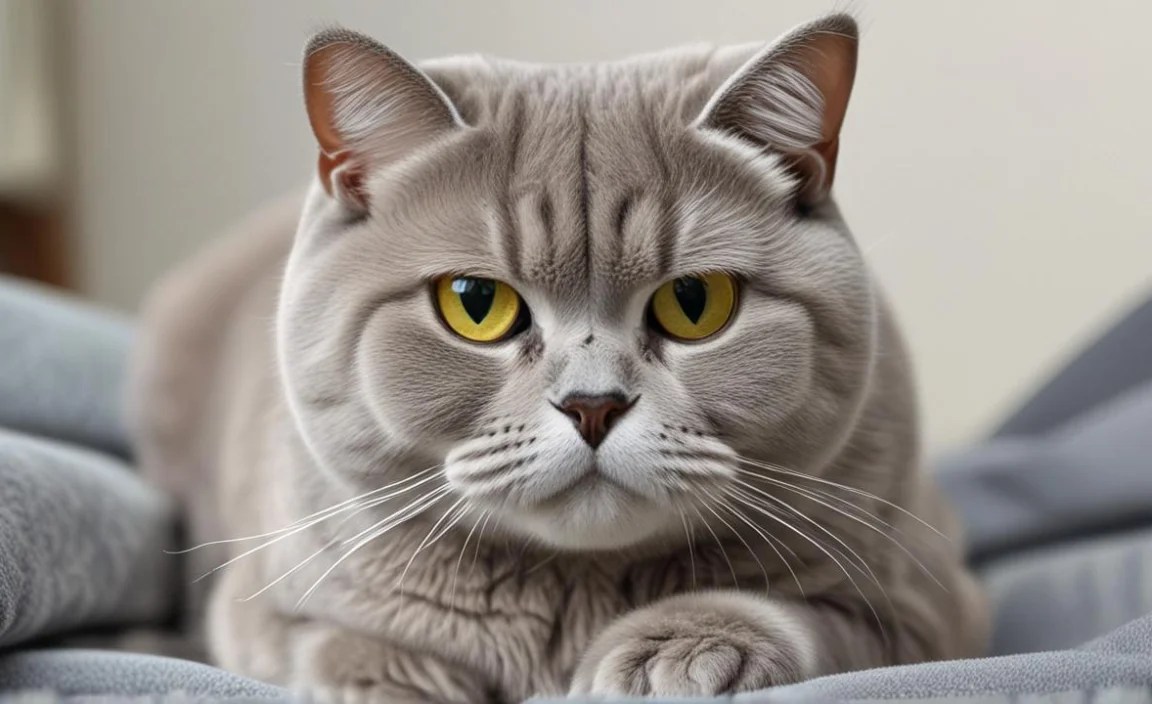
Genetics play a big role in how big your British Shorthair will get. Just like people, cats inherit traits from their parents. These traits include their size and build. If your cat’s parents were large, your cat is likely to be large too. Some lines of British Shorthairs are naturally bigger than others. This is all due to genetics. However, genetics are not the only factor. Diet and exercise also play a part. Even if your cat is predisposed to be large, you can still help them stay healthy. Feed them a balanced diet and make sure they get enough exercise. This will help them maintain a healthy weight. Understanding your cat’s genetic background can give you clues about their potential size. Talk to your breeder about the size of your cat’s parents and grandparents. This can give you a better idea of what to expect.
What Is a Healthy Diet for This Breed?

A healthy diet is very important for a British Shorthair. These cats need a balanced diet to stay fit. Look for cat food that is high in protein. Protein helps them build and maintain muscle. Avoid foods that are full of fillers and artificial ingredients. These can be bad for your cat’s health. Choose a food that is appropriate for your cat’s age and activity level. Kittens need different nutrients than adult cats. Older cats may need a special diet to help them stay healthy. Always read the label carefully. Follow the feeding guidelines on the package. Don’t overfeed your cat. This can lead to weight gain. Provide fresh water at all times. Water is essential for your cat’s health. Talk to your vet about the best diet for your British Shorthair. They can give you personalized recommendations based on your cat’s needs.
Why Is Exercise Important for Weight Management?
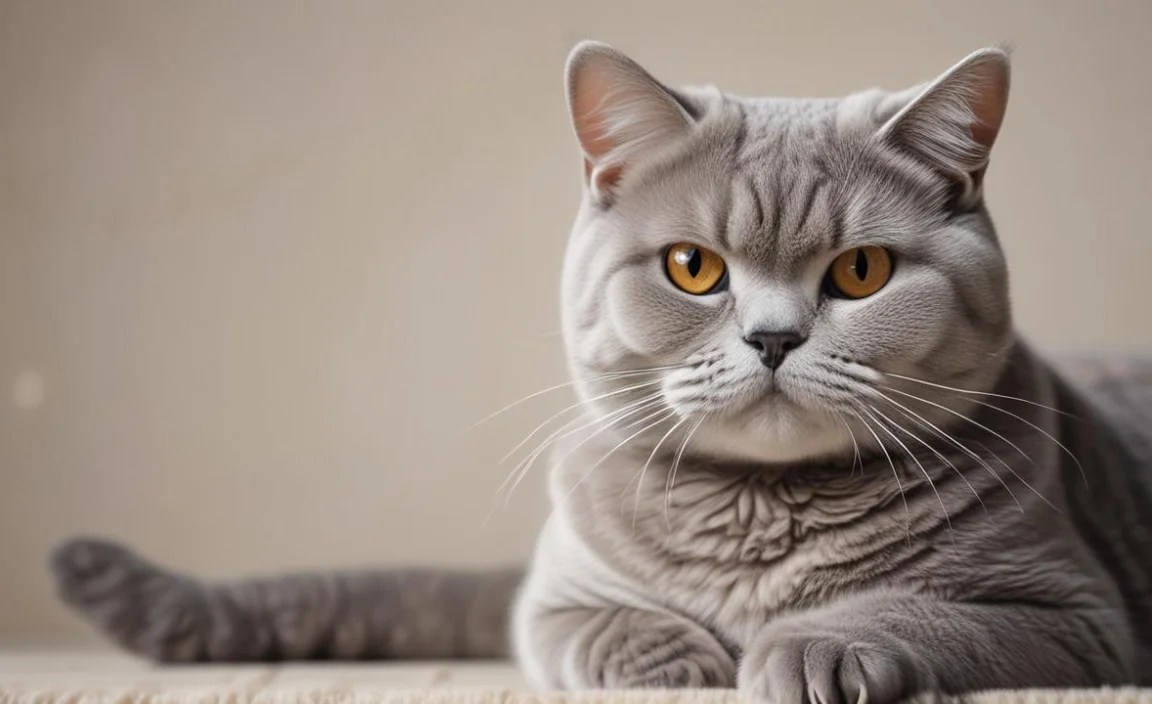
Exercise is crucial for managing a British Shorthair’s weight. These cats can become lazy if they don’t get enough activity. Regular exercise helps them burn calories. It also helps them build muscle. This can prevent them from becoming overweight. Make sure your cat has plenty of opportunities to play. Provide toys that encourage them to move around. Cat trees, balls, and feather wands are all good options. Spend time playing with your cat every day. Even a few minutes of playtime can make a big difference. If your cat is overweight, talk to your vet about an exercise plan. They can help you find ways to get your cat moving. Start slowly and gradually increase the amount of exercise over time. Remember, exercise is not just about weight management. It’s also about keeping your cat happy and healthy.
Factors Affecting British Shorthair Growth

Several factors can affect a British Shorthair’s growth. These include genetics, diet, and environment. Genetics play a big role in determining their size. Some cats are naturally larger or smaller than others. Diet is also very important. A poor diet can stunt their growth. Make sure your cat is getting the right nutrients. The environment can also have an impact. Cats that live in stressful environments may not grow as well. Make sure your cat has a safe and comfortable home. Regular vet checkups are also crucial. Your vet can monitor your cat’s growth and development. They can also identify any potential problems. By understanding these factors, you can help your British Shorthair grow into a healthy and happy adult cat. Always consult with your vet for the best advice for your furry friend. They are the best source of information for your cat’s specific needs.
- Nutrition is key for growth.
- Environment impacts their well-being.
- Regular vet visits are important.
- Genetics determine potential size.
- Health issues can affect growth.
Understanding the growth stages of a British Shorthair is helpful. Kittens grow rapidly in their first few months. They need a diet that is rich in nutrients to support this growth. As they get older, their growth slows down. They reach their full size around 3-5 years of age. During this time, it’s important to monitor their weight. Make sure they are not becoming overweight. Adjust their diet and exercise as needed. Regular vet visits can help you stay on top of their health. Your vet can track their growth and identify any potential problems early on. This can help you ensure that your British Shorthair grows into a healthy and happy adult. Remember, every cat is different. Some cats may grow faster or slower than others. Don’t worry if your cat doesn’t fit the exact average. Just focus on providing them with the best possible care.
Fun Fact or Stat: British Shorthair kittens gain about 1 pound per month during their first year!
How Does Neutering/Spaying Affect Weight?

Neutering or spaying can affect a British Shorthair’s weight. After being neutered or spayed, cats often become less active. They may also have a tendency to eat more. This can lead to weight gain. It’s important to adjust their diet and exercise after the procedure. Feed them a food that is specifically formulated for neutered or spayed cats. These foods are usually lower in calories. Encourage them to be active. Play with them regularly and provide them with toys. Monitor their weight closely. If they start to gain weight, reduce their food intake. Talk to your vet about the best way to manage their weight. They can give you personalized recommendations based on your cat’s needs. Neutering or spaying is important for their health. Just be aware of the potential impact on their weight and take steps to prevent weight gain.
What Is the Role of Kitten Food?

Kitten food plays a vital role in a British Shorthair kitten’s growth. Kittens need a diet that is rich in nutrients to support their rapid development. Kitten food is specifically formulated to meet these needs. It contains higher levels of protein, fat, and calories than adult cat food. These nutrients are essential for building strong bones and muscles. Feed your kitten a high-quality kitten food until they are about one year old. Follow the feeding guidelines on the package. Don’t overfeed your kitten. This can lead to obesity. Provide fresh water at all times. Water is essential for your kitten’s health. Talk to your vet about the best kitten food for your British Shorthair. They can give you personalized recommendations based on your kitten’s needs. Choosing the right kitten food is crucial for ensuring that your kitten grows into a healthy and happy adult cat.
How Does Environment Impact Growth?
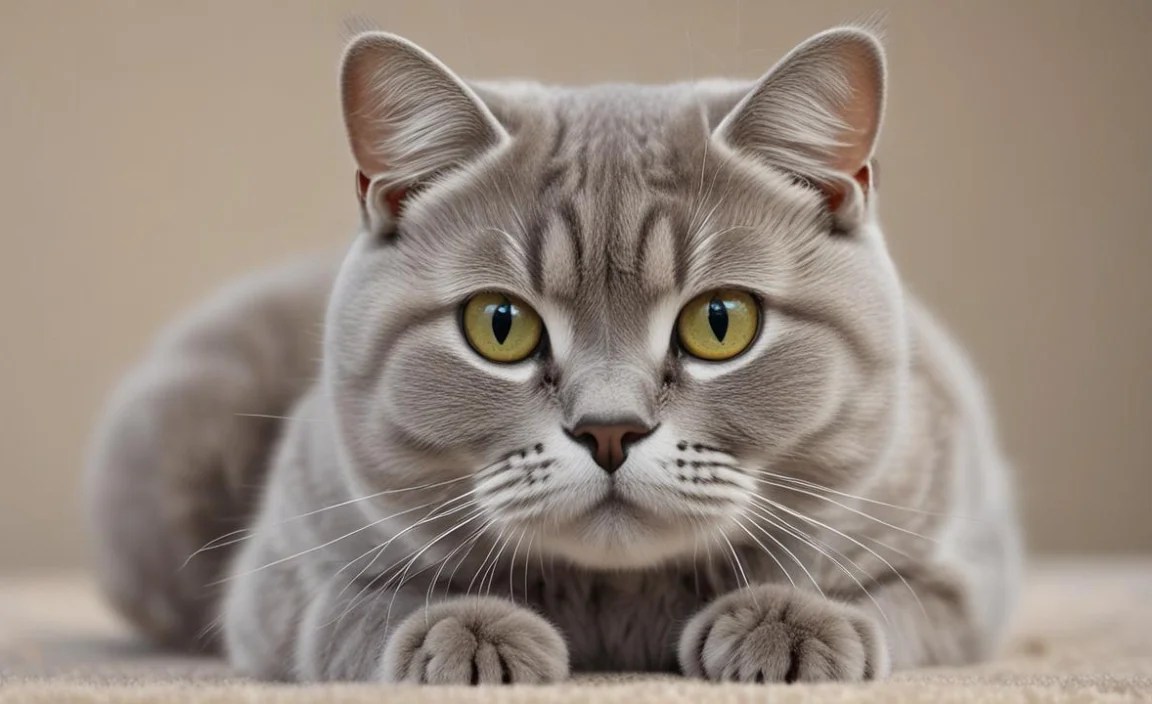
The environment can significantly impact a British Shorthair’s growth. A stressful environment can hinder their development. Cats need a safe and comfortable home to thrive. Make sure your cat has a quiet place to retreat to when they feel overwhelmed. Provide them with plenty of toys and enrichment. This will help them stay happy and stimulated. Keep their litter box clean and in a convenient location. A dirty litter box can cause stress. Make sure they have access to fresh water and food at all times. Avoid exposing them to loud noises or other stressors. A calm and stable environment is essential for their well-being. If you have other pets, make sure they get along with your British Shorthair. A stressful relationship with other pets can also affect their growth. Create a harmonious environment for all of your pets. A happy and stress-free cat is more likely to grow into a healthy and well-adjusted adult.
Ideal British Shorthair Body Condition

Knowing the ideal body condition for a British Shorthair is important. This helps you assess if your cat is at a healthy weight. A healthy British Shorthair should have a well-proportioned body. You should be able to feel their ribs easily. But they shouldn’t be visible. They should have a slight waist when viewed from above. Their abdomen should be tucked up when viewed from the side. If you can’t feel their ribs, they may be overweight. If their ribs are very visible, they may be underweight. Consult with your vet if you are concerned about your cat’s weight. They can help you assess their body condition and recommend a plan to get them to a healthy weight. Regular monitoring of their body condition is key to keeping them healthy. This helps you catch any weight problems early on. Remember, a healthy weight means a longer and happier life for your furry friend.
- Ribs should be easily felt, not seen.
- A slight waistline is ideal.
- Abdomen should be tucked up.
- Too much fat is unhealthy.
- Underweight is also a concern.
Maintaining an ideal body condition is crucial for a British Shorthair’s health. Overweight cats are at risk for many health problems. These include diabetes, joint problems, and heart disease. Underweight cats may not be getting enough nutrients. This can lead to weakened immune systems and other health issues. Work with your vet to develop a plan to keep your cat at a healthy weight. This plan may include dietary changes, increased exercise, or both. Be patient and consistent. It may take time to get your cat to a healthy weight. But the effort is worth it. A healthy weight will help your cat live a longer and happier life. Remember, every cat is different. Some cats may naturally be leaner or more muscular than others. Just focus on keeping your cat at a healthy weight for their individual body type.
Fun Fact or Stat: A British Shorthair at a healthy weight typically has a “jowly” face due to their breed characteristics!
How to Assess Your Cat’s Body Condition?

Assessing your cat’s body condition is simple. You can do it at home. Start by feeling their ribs. Place your hands on their sides, just behind their front legs. You should be able to feel their ribs easily. They should feel like they are covered by a thin layer of fat. If you can’t feel their ribs, they are likely overweight. If their ribs are very prominent, they are likely underweight. Next, look at their waistline. Stand above your cat and look down at their body. They should have a slight waistline between their ribs and hips. If they don’t have a waistline, they are likely overweight. Finally, look at their abdomen. Stand to the side of your cat and look at their belly. It should be tucked up slightly. If it sags down, they are likely overweight. If you are unsure about your cat’s body condition, consult with your vet. They can give you a professional assessment.
What Are the Risks of Being Overweight?

Being overweight poses many risks for a British Shorthair. Overweight cats are more likely to develop diabetes. This is a serious condition that can require lifelong treatment. Overweight cats are also more likely to develop joint problems. The extra weight puts stress on their joints. This can lead to arthritis and other painful conditions. Overweight cats are also at higher risk for heart disease. The extra weight makes their heart work harder. This can lead to heart failure. Overweight cats are also more likely to develop skin problems. They may have difficulty grooming themselves. This can lead to infections. Being overweight can also shorten your cat’s lifespan. Help your cat stay healthy by keeping them at a healthy weight. This will help them live a longer and happier life.
What Are the Risks of Being Underweight?

Being underweight also poses risks for a British Shorthair. Underweight cats may not be getting enough nutrients. This can lead to weakened immune systems. A weakened immune system makes them more susceptible to infections. Underweight cats may also have difficulty maintaining their body temperature. They may become cold easily. Underweight cats may also have muscle loss. This can make them weak and less active. Underweight cats may also have dull fur and skin problems. They may not be getting enough vitamins and minerals. Being underweight can also shorten your cat’s lifespan. Make sure your cat is getting enough to eat. If you are concerned about your cat’s weight, consult with your vet. They can help you determine the cause of the weight loss and recommend a treatment plan.
Adjusting Diet for Weight Management

Adjusting your British Shorthair’s diet is key for weight management. If your cat is overweight, you will need to reduce their calorie intake. Talk to your vet about the best way to do this. They may recommend a special weight-loss food. These foods are lower in calories and higher in fiber. Fiber helps your cat feel full. Feed your cat smaller meals more frequently. This can help them feel satisfied. Avoid giving your cat too many treats. Treats should only be a small part of their diet. If your cat is underweight, you will need to increase their calorie intake. Talk to your vet about the best way to do this. They may recommend a high-calorie food. Make sure your cat is getting enough protein. Protein is essential for building muscle. Provide fresh water at all times. Water is essential for your cat’s health.
- Reduce calories for overweight cats.
- Increase calories for underweight cats.
- Choose high-quality cat food.
- Control portion sizes carefully.
- Limit treats and snacks.
| Diet Type | Purpose | Key Nutrients | Feeding Tips |
|---|---|---|---|
| Weight Loss | Reduce excess weight | High fiber, low fat | Measure portions, limit treats |
| Weight Gain | Increase weight for underweight cats | High protein, high calorie | Feed small, frequent meals |
| Maintenance | Maintain healthy weight | Balanced nutrients | Follow guidelines, adjust as needed |
| Senior | Support older cats | Easily digestible | Monitor weight, adjust as needed |
Remember, adjusting your cat’s diet is not a quick fix. It takes time and patience. Be consistent with your efforts. Monitor your cat’s weight regularly. If you are not seeing results, talk to your vet. They may need to adjust your cat’s diet or exercise plan. Don’t give up! With the right approach, you can help your British Shorthair achieve and maintain a healthy weight. This will help them live a longer and happier life. Always consult with your vet before making any major changes to your cat’s diet. They can provide personalized recommendations based on your cat’s individual needs. A healthy diet is essential for a healthy cat. Make sure you are providing your British Shorthair with the best possible nutrition.
Fun Fact or Stat: Switching to wet food can help overweight British Shorthairs feel fuller due to its higher moisture content!
Why Is Portion Control Important?
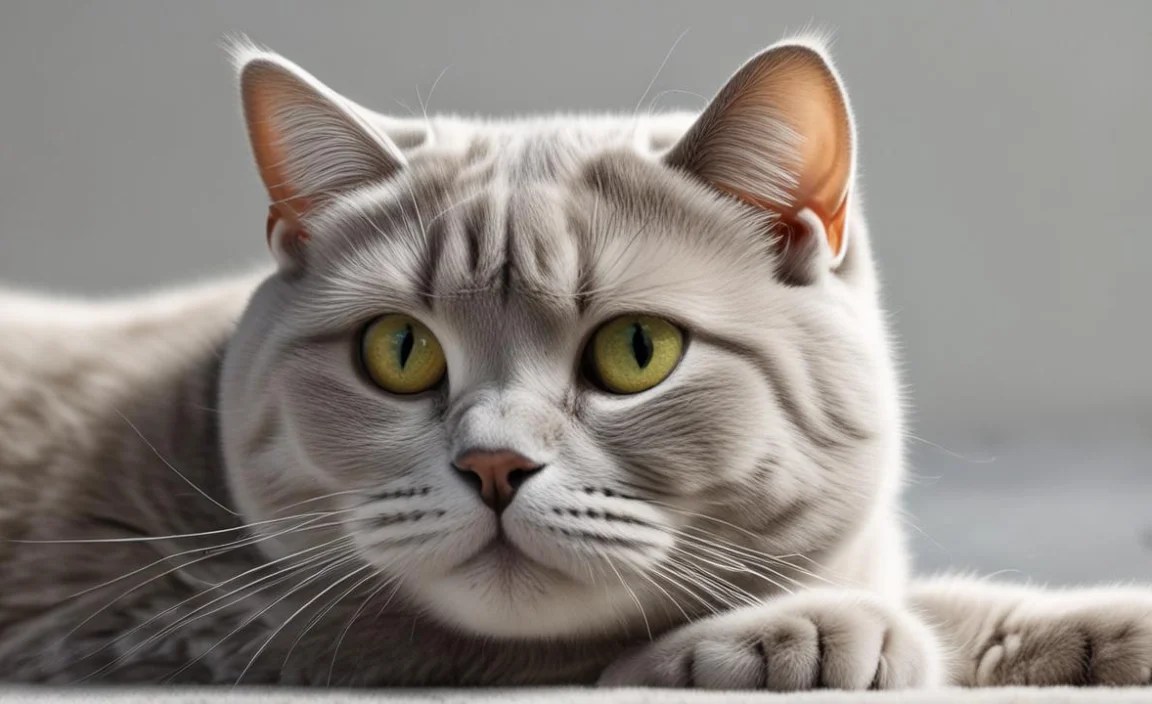
Portion control is important for managing a British Shorthair’s weight. It’s easy to overfeed cats. Especially if they are good at begging for food. But giving your cat too much food can lead to weight gain. Measure your cat’s food carefully. Use a measuring cup or scale to ensure you are giving them the right amount. Follow the feeding guidelines on the package. These guidelines are just a starting point. You may need to adjust them based on your cat’s individual needs. If your cat is gaining weight, reduce their portion sizes. If your cat is losing weight, increase their portion sizes. Talk to your vet about the best portion sizes for your cat. They can help you create a feeding plan that is tailored to your cat’s specific needs.
How Often Should You Feed Your Cat?

The frequency of feeding can affect a British Shorthair’s weight. Some people prefer to feed their cats one large meal per day. Others prefer to feed them several small meals throughout the day. There is no one right answer. It depends on your cat’s individual needs and preferences. If you are feeding your cat one large meal per day, make sure they are not overeating. This can lead to weight gain. If you are feeding your cat several small meals throughout the day, make sure they are getting enough calories. This can help them maintain a healthy weight. Talk to your vet about the best feeding schedule for your cat. They can help you create a plan that works for both you and your cat. A consistent feeding schedule can help regulate your cat’s metabolism. This can make it easier for them to maintain a healthy weight.
What Are the Best Cat Food Ingredients?

Choosing the right cat food ingredients is vital. Look for cat food that is high in protein. Protein is essential for building and maintaining muscle. The protein should come from animal sources. Such as chicken, fish, or beef. Avoid cat foods that are high in carbohydrates. Carbohydrates can lead to weight gain. Look for cat foods that are low in fillers. Fillers are ingredients that have little nutritional value. Examples of fillers include corn and wheat. Choose a cat food that is appropriate for your cat’s age and activity level. Kittens need different nutrients than adult cats. Older cats may need a special diet to help them stay healthy. Read the label carefully. Choose a cat food that is made with high-quality ingredients. A good diet is essential for your cat’s health and well-being.
Exercise Tips for British Shorthairs

Exercise is important for all cats, including British Shorthairs. These cats can be prone to weight gain. Regular exercise can help them burn calories and stay in shape. Provide your cat with plenty of toys. Cat trees, balls, and feather wands are all good options. Play with your cat every day. Even a few minutes of playtime can make a big difference. Encourage your cat to explore their environment. Make sure they have access to windows where they can watch the world go by. Consider getting a cat wheel. This is a great way for your cat to get exercise indoors. If your cat is overweight, talk to your vet about an exercise plan. They can help you find ways to get your cat moving. Start slowly and gradually increase the amount of exercise over time. Remember, exercise is not just about weight management. It’s also about keeping your cat happy and stimulated.
- Provide interactive toys.
- Play with your cat daily.
- Encourage exploration.
- Consider a cat wheel.
- Start slowly if overweight.
- Make it fun for your cat.
Making exercise fun is key to keeping your British Shorthair active. Cats are more likely to exercise if they are enjoying themselves. Try different toys and activities to see what your cat likes best. Some cats love to chase feather wands. Others prefer to bat around balls. Experiment and find what motivates your cat. Use positive reinforcement. Reward your cat with praise or a treat when they exercise. This will encourage them to keep moving. Be patient. It may take time for your cat to get into a regular exercise routine. Don’t give up! With a little effort, you can help your British Shorthair stay active and healthy. Remember, a healthy cat is a happy cat. Make exercise a part of your cat’s daily routine.
Fun Fact or Stat: British Shorthairs often enjoy puzzle toys that require them to work for their food, providing both mental and physical stimulation!
How Much Exercise Do They Need?
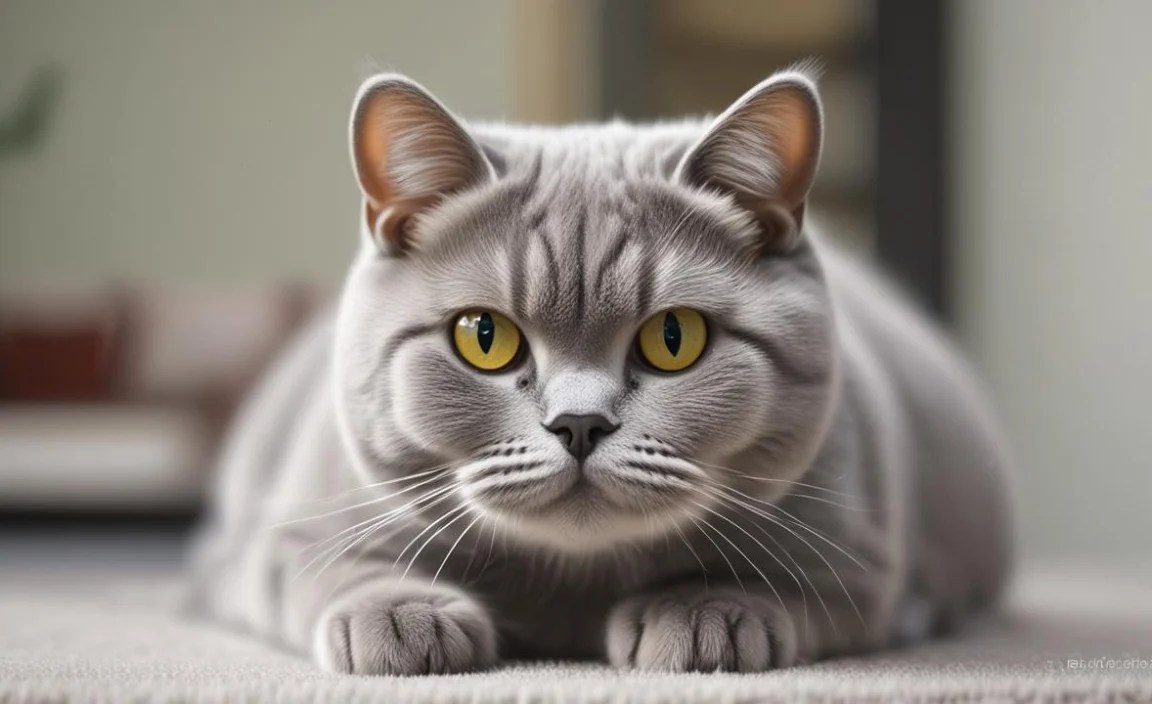
The amount of exercise a British Shorthair needs varies. It depends on their age, weight, and activity level. In general, most British Shorthairs need at least 15-30 minutes of exercise per day. This can be broken up into shorter sessions throughout the day. Kittens need more exercise than adult cats. They have more energy to burn. Older cats may need less exercise. Especially if they have joint problems. If your cat is overweight, they will need more exercise. Start slowly and gradually increase the amount of exercise over time. Talk to your vet about the best exercise plan for your cat. They can help you determine how much exercise your cat needs to stay healthy.
What Are Some Fun Exercise Ideas?
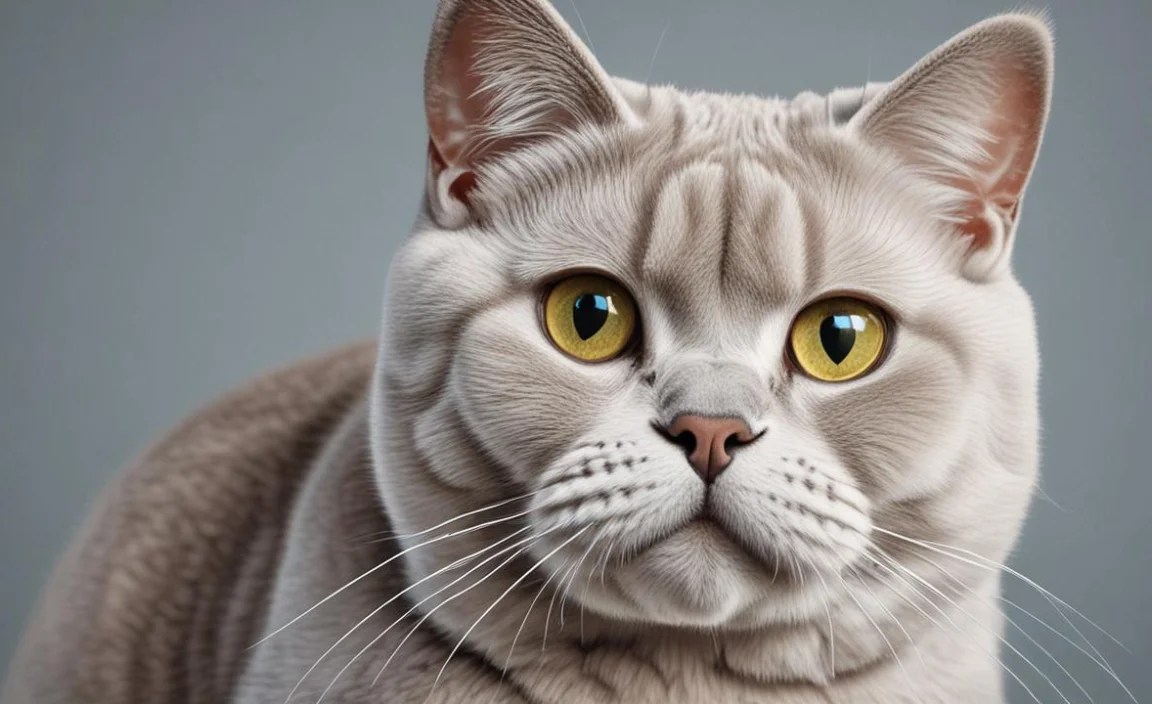
There are many fun ways to exercise a British Shorthair. Use a feather wand to entice your cat to chase and pounce. Roll a ball across the floor and encourage your cat to chase it. Set up a cat tree for your cat to climb and explore. Provide puzzle toys that require your cat to work for their food. Consider getting a cat wheel. This is a great way for your cat to get exercise indoors. Play hide-and-seek with your cat. Hide behind furniture and call their name. They will love to come find you. Rotate your cat’s toys regularly. This will keep them interested and engaged. Make exercise a fun and rewarding experience for your cat.
How to Encourage a Lazy Cat to Exercise?

Encouraging a lazy British Shorthair to exercise can be challenging. Start slowly and be patient. Don’t try to force your cat to exercise. This will only make them resistant. Make exercise fun and rewarding. Use toys that your cat finds appealing. Try different types of toys to see what they like best. Use positive reinforcement. Reward your cat with praise or a treat when they exercise. Create a stimulating environment. Make sure your cat has access to windows where they can watch the world go by. Consider getting a cat tree or a cat wheel. These can provide opportunities for exercise. Break up exercise sessions into shorter intervals. Even a few minutes of exercise can make a difference. Be consistent with your efforts. With a little patience and persistence, you can help your lazy cat become more active.
Regular Vet Checkups and Weight

Regular vet checkups are essential for managing a British Shorthair’s weight. Your vet can monitor your cat’s weight and body condition. They can also identify any potential health problems. Your vet can recommend a diet and exercise plan that is tailored to your cat’s individual needs. They can also help you adjust the plan as needed. Regular vet checkups can help you catch any weight problems early on. This can make it easier to address them. Your vet can also provide valuable advice on how to keep your cat healthy and happy. Don’t skip your cat’s annual vet visit. It’s an important part of their overall health care. Your vet is your partner in keeping your cat healthy and happy. They can provide valuable support and guidance.
- Monitor weight and body condition.
- Identify potential health issues.
- Personalized diet and exercise plans.
- Early detection of weight problems.
- Valuable advice and support.
During a vet checkup, your vet will weigh your cat. They will also assess their body condition. They will feel their ribs and look at their waistline and abdomen. They will ask you about your cat’s diet and exercise habits. They may also recommend blood tests or other diagnostic tests. These tests can help identify any underlying health problems that may be contributing to weight gain or weight loss. Your vet will use all of this information to develop a plan to keep your cat at a healthy weight. This plan may include dietary changes, increased exercise, or both. Be sure to follow your vet’s recommendations carefully. They are the best resource for helping you keep your British Shorthair healthy and happy. Regular vet checkups are an investment in your cat’s long-term health.
Fun Fact or Stat: Vets use a Body Condition Score (BCS) system to objectively assess a cat’s weight and body fat!
What to Expect During a Vet Visit?

During a vet visit, your vet will perform a physical exam. This includes checking your cat’s weight, temperature, and heart rate. They will also examine your cat’s eyes, ears, and mouth. They will listen to your cat’s heart and lungs. They will feel your cat’s abdomen. They will check your cat’s skin and coat. They will ask you about your cat’s diet, exercise habits, and behavior. They may also recommend vaccinations or other preventive care. If your cat is due for any vaccinations, the vet will administer them. If your cat has any health problems, the vet will discuss treatment options with you. Be sure to ask your vet any questions you have about your cat’s health. They are there to help you keep your cat healthy and happy. Regular vet visits are an important part of responsible pet ownership.
How Can a Vet Help With Weight Management?

A vet can help with weight management in several ways. They can assess your cat’s body condition and determine if they are overweight or underweight. They can recommend a diet and exercise plan that is tailored to your cat’s individual needs. They can monitor your cat’s progress and adjust the plan as needed. They can also identify any underlying health problems that may be contributing to weight gain or weight loss. Your vet can provide valuable advice and support. They are a valuable resource for helping you keep your British Shorthair healthy and happy. Don’t hesitate to reach out to your vet for help with weight management. They are there to support you and your cat.
How Often Should You Visit the Vet?

The frequency of vet visits depends on your cat’s age and health. Kittens need more frequent vet visits than adult cats. They need vaccinations and regular checkups to ensure they are growing properly. Adult cats should visit the vet at least once a year for a checkup. Senior cats may need to visit the vet more frequently. They are more prone to health problems. If your cat has any health problems, they may need to visit the vet more frequently. Talk to your vet about the best schedule for your cat. They can help you determine how often your cat needs to be seen. Regular vet visits are an important part of responsible pet ownership.
Summary
The British Shorthair weight range is typically between 9 and 17 pounds. Males are usually larger than females. Many things can affect their weight. This includes their diet, exercise, and genetics. It is important to feed them a healthy diet. Make sure they get enough exercise. Regular vet checkups are also essential. This will help you keep your British Shorthair at a healthy weight. A healthy weight means a happier and longer life. Monitor their weight and body condition regularly. Adjust their diet and exercise as needed. Talk to your vet if you have any concerns. They can provide you with the best advice for your cat.
Conclusion
Understanding the British Shorthair weight range is key to responsible pet ownership. These cats are known for their sturdy build. Keeping them at a healthy weight is important. It prevents health problems. A balanced diet and regular exercise are essential. Regular vet visits are also crucial. This will help you catch any potential problems early. Always monitor your cat’s weight. Adjust their diet and exercise as needed. With the right care, your British Shorthair can live a long and happy life.
Frequently Asked Questions
Question No 1: What is the average weight for a British Shorthair?
Answer: The average British Shorthair weight range is between 9 and 17 pounds. Males tend to be larger, often reaching the higher end of this range. Females are typically smaller, averaging closer to the lower end. However, individual variations can occur based on genetics, diet, and activity level. It’s important to monitor your cat’s weight and body condition. Regular vet checkups are also essential. This will help you ensure they are within a healthy range. If you have concerns about your cat’s weight, consult with your veterinarian for personalized advice. They can help you create a diet and exercise plan that is tailored to your cat’s specific needs.
Question No 2: How can I tell if my British Shorthair is overweight?
Answer: You can tell if your British Shorthair is overweight by assessing their body condition. Gently feel their ribs. You should be able to feel them easily with a thin layer of fat covering them. If you can’t feel their ribs, they are likely overweight. Look at their waistline from above. They should have a slight indentation between their ribs and hips. If they don’t have a waistline, they may be overweight. Observe their abdomen from the side. It should be tucked up slightly. If it sags down, they are likely overweight. Consult with your vet if you are unsure. They can provide a professional assessment. They can also recommend a weight management plan.
Question No 3: What are the health risks associated with being overweight?
Answer: Being overweight can lead to several health problems for British Shorthairs. These include diabetes, which requires lifelong management. Joint problems, such as arthritis, are also common due to the added stress on their joints. Heart disease can develop as the heart works harder to pump blood. Overweight cats may also have difficulty grooming themselves. This can lead to skin infections. The British Shorthair weight range is important to be aware of because it impacts the health and longevity of your pet.
Question No 4: What is the best diet for maintaining a healthy weight?
Answer: The best diet for maintaining a healthy weight includes high-quality cat food. Look for food that is rich in protein. Protein helps them build and maintain muscle. Avoid foods that are high in carbohydrates and fillers. Choose a food that is appropriate for your cat’s age and activity level. Control portion sizes carefully. Avoid overfeeding. Limit treats and snacks. Provide fresh water at all times. Talk to your vet about the best diet for your British Shorthair. The vet can recommend a food that meets their specific needs and helps them maintain a healthy weight, keeping in mind the breed’s typical British Shorthair weight range.
Question No 5: How can I encourage my cat to exercise more?
Answer: You can encourage your British Shorthair to exercise more by providing interactive toys. Feather wands, laser pointers, and puzzle toys are all good options. Play with your cat every day. Even a few minutes of playtime can make a big difference. Encourage your cat to explore their environment. Make sure they have access to windows where they can watch the world go by. Consider getting a cat tree or a cat wheel. These can provide opportunities for exercise. Make exercise fun and rewarding. Use positive reinforcement. This will encourage your cat to stay active and maintain a healthy weight.
Question No 6: How often should I take my British Shorthair to the vet?
Answer: You should take your British Shorthair to the vet at least once a year for a checkup. Kittens need more frequent vet visits. They need vaccinations and regular checkups to ensure they are growing properly. Senior cats may need to visit the vet more frequently. They are more prone to health problems. Regular vet visits are crucial. They help monitor your cat’s weight and health. Your vet can also provide valuable advice on diet and exercise. This is very important in maintaining a healthy British Shorthair weight range.


