
British Shorthair Behavior Traits: The Ultimate Guide

Do you know about British Shorthairs? These cats are fluffy and calm. They are known for their round faces. Many people love them as pets. But what are their british shorthair behavior traits? Understanding their behavior can help you care for them better.
Have you ever seen a cat that seems to smile? The British Shorthair has a unique look. Their gentle nature makes them great family pets. Learning about their british shorthair behavior traits will help you be a good owner. It’s fun to understand your furry friend.
Why are British Shorthairs so popular? They are easy to love. They are not too demanding. Knowing their british shorthair behavior traits makes them even more special. Let’s explore what makes these cats so wonderful.
Key Takeaways
- British Shorthairs are known for their calm and adaptable behavior traits.
- These cats often enjoy independent play but also appreciate human interaction.
- Regular grooming is essential to manage their thick fur and prevent matting.
- A balanced diet and exercise will help maintain their health and weight.
- Understanding these british shorthair behavior traits ensures a happy cat.
Understanding British Shorthair Behavior Traits

British Shorthairs have some interesting british shorthair behavior traits. They are usually calm and relaxed cats. They aren’t as hyper as some other breeds. This makes them great for quiet homes. They are also very adaptable. They can get used to new places and people. British Shorthairs like to be around their owners. But they are also okay being alone. They aren’t always lap cats. They might sit next to you instead of on you. They are playful but not overly energetic. This balance makes them easy to live with. They are great family pets because they are patient with kids. They are also good with other pets if introduced slowly. Overall, their calm and adaptable nature makes them wonderful companions.
- They are known for being calm.
- They adapt well to new places.
- British Shorthairs are good with kids.
- They can get along with other pets.
- They like to play but are not too active.
Understanding these british shorthair behavior traits helps owners care for them better. Knowing they are not always lap cats prevents disappointment. Providing them with toys keeps them entertained. Making sure they have a safe space helps them feel secure. British Shorthairs are also smart. They can learn tricks and commands. Training them can be a fun activity for both of you. They respond well to positive reinforcement. Using treats and praise encourages good behavior. By understanding their unique traits, you can build a strong bond with your British Shorthair. They will become a cherished member of your family. Their gentle nature makes them a joy to have around.
Fun Fact or Stat: British Shorthairs are often called the “teddy bear” of cats because of their round faces and plush fur!
Are British Shorthairs Affectionate?

Are British Shorthairs affectionate? Yes, but in their own way. They aren’t always demanding of attention. They show affection through their presence. They might follow you from room to room. They might rub against your legs. Some British Shorthairs enjoy being petted. Others prefer to just be near you. It’s important to respect their boundaries. Don’t force them to cuddle if they don’t want to. Pay attention to their body language. A purring cat is usually a happy cat. A cat that pulls away might need some space. Understanding their individual british shorthair behavior traits helps you build a strong relationship. Let them come to you for affection. They will appreciate your respect for their independence. This makes them great companions for people who want a calm cat.
Do They Get Lonely Easily?
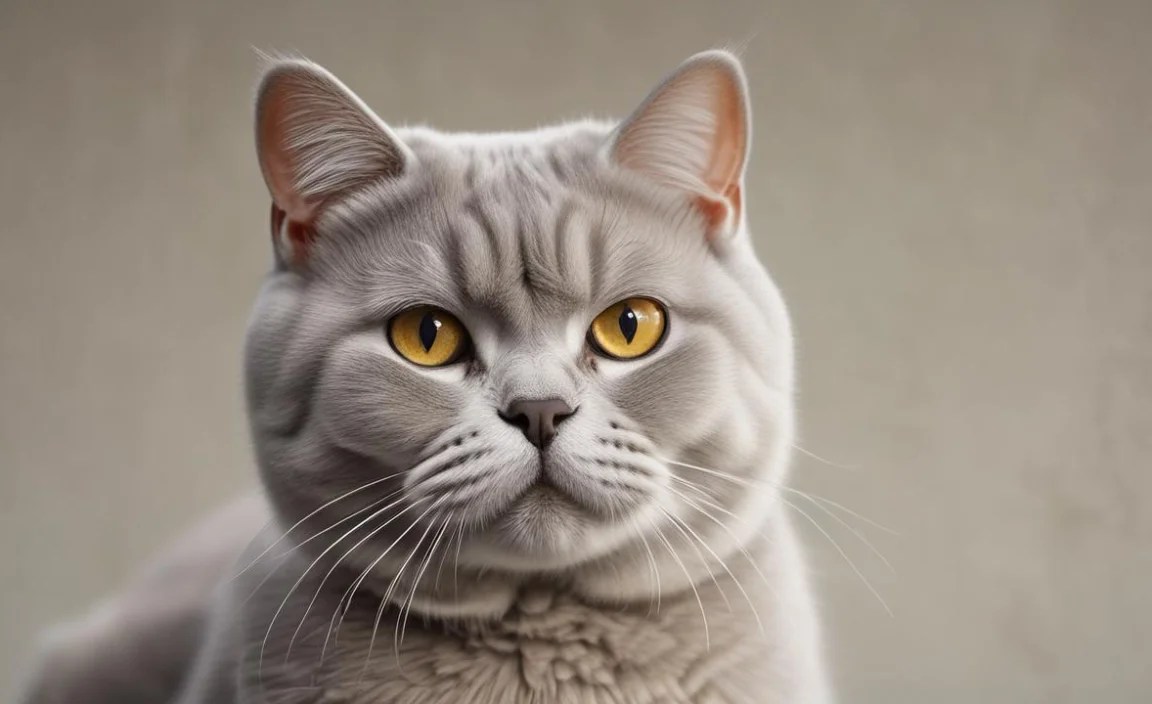
Do British Shorthairs get lonely easily? Not usually. They are known for being independent cats. They can handle being alone for several hours. This makes them good for people who work during the day. However, they still need attention and interaction. Make sure to spend time with them when you are home. Play with them, groom them, and talk to them. Provide them with toys to keep them entertained. A scratching post is also a good idea. It helps them stretch and scratch. If you are gone for long periods, consider getting a cat sitter. A friend or neighbor can check on them. They can provide food, water, and playtime. Even though they are independent, they still need love and care. Understanding their british shorthair behavior traits helps you balance their need for independence with their need for companionship.
How Playful Are They?

How playful are British Shorthairs? They are moderately playful. They enjoy playing with toys. They like chasing balls and batting at feathers. They also enjoy puzzle toys. These toys challenge them mentally. They are not as energetic as some other breeds. They have bursts of energy followed by long naps. Provide them with a variety of toys. Rotate the toys to keep them interested. Schedule playtime each day. This helps them burn energy and stay healthy. Playtime is also a good bonding experience. It strengthens the relationship between you and your cat. Understanding their british shorthair behavior traits helps you provide the right amount of stimulation. This keeps them happy and healthy. Remember to let them rest when they are tired.
Social British Shorthair Behavior Traits

Social british shorthair behavior traits are important to understand. British Shorthairs are generally good with people. They are known for being friendly and calm. They usually get along well with children. It’s important to teach children how to handle cats gently. They are also good with other pets. Early socialization is key. Introduce them to new animals slowly. Supervise their interactions. British Shorthairs are not aggressive. They might get scared if they feel threatened. Provide them with a safe space to retreat to. A cat tree or a quiet room works well. They are also good with strangers. They might be cautious at first. They will usually warm up quickly. Their calm demeanor makes them great family pets. They are adaptable and easy to get along with. Socialization helps them become well-adjusted cats.
- They are generally good with people.
- British Shorthairs get along well with children.
- Early socialization is very important.
- They are usually good with other pets.
- They are not known to be aggressive.
- They are often good with strangers.
Understanding social british shorthair behavior traits can help you manage their interactions. Knowing they are good with kids helps you feel confident. Teaching kids to be gentle is always a good idea. Introducing them to other pets slowly prevents problems. Providing a safe space helps them feel secure. British Shorthairs are also sensitive to their environment. Loud noises and sudden movements can scare them. Create a calm and stable home for them. This will help them feel more comfortable. Socialization is an ongoing process. Continue to expose them to new people and situations. This will help them become well-rounded cats. Their friendly nature makes them a joy to have around. They bring a sense of calm to your home.
Fun Fact or Stat: British Shorthairs often get along well with dogs, especially if raised together from a young age!
How Do They Interact with Children?
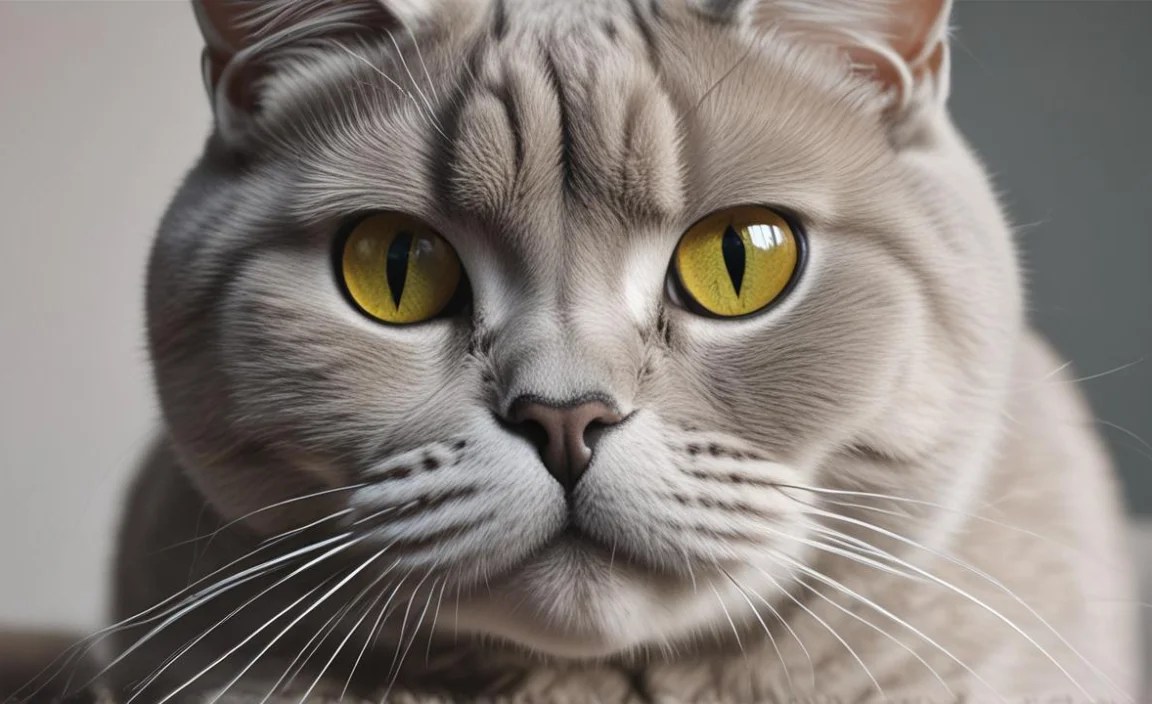
How do British Shorthairs interact with children? Generally, they are very patient. They tolerate children well. It’s important to teach kids how to treat cats gently. Pulling tails or grabbing fur is not okay. Supervise interactions between cats and young children. This ensures the safety of both. British Shorthairs might walk away if they feel overwhelmed. They need a safe space to escape to. Teach children to respect the cat’s space. A calm and gentle approach is always best. British Shorthairs are not likely to scratch or bite. They are more likely to simply avoid the situation. Understanding their british shorthair behavior traits helps you create a safe environment. This makes them great family pets. They bring a sense of calm to the home. Remember to always supervise young children around pets.
What About Other Cats or Dogs?

What about other cats or dogs? British Shorthairs can get along with them. Early socialization is important. Introduce them slowly. Keep them separate at first. Let them smell each other through a door. Then, allow short supervised visits. Make sure each animal has its own space. Food bowls and litter boxes should be separate. Don’t force them to interact. Let them get to know each other at their own pace. British Shorthairs are not usually territorial. They are more likely to be curious. Some cats become best friends. Others simply tolerate each other. It depends on their individual personalities. Understanding their british shorthair behavior traits helps you manage the introduction. Patience is key. It can take weeks or even months for them to adjust. With time and patience, they can learn to live together peacefully.
Are They Good with Strangers?

Are British Shorthairs good with strangers? They can be. It depends on the cat. Some are outgoing and friendly. Others are more cautious. They might hide when strangers come over. Don’t force them to interact. Let them approach the stranger on their own terms. Have the stranger offer a treat. This can help them feel more comfortable. A calm and quiet approach is best. Loud noises and sudden movements can scare them. Provide them with a safe space to retreat to. A quiet room or a cat tree works well. Understanding their british shorthair behavior traits helps you manage the situation. If they are shy, don’t push them. Let them observe from a distance. They might eventually come out to investigate. With patience, they can learn to trust new people.
Grooming and British Shorthair Behavior Traits

Grooming is important for British Shorthairs. Their thick fur needs regular care. This helps prevent mats and tangles. Grooming also helps reduce shedding. British Shorthairs have a dense undercoat. This can trap loose fur. Regular brushing removes this fur. It also stimulates their skin. Most British Shorthairs enjoy being groomed. It can be a bonding experience. Start grooming them when they are young. This helps them get used to it. Use a soft brush. Be gentle. Pay attention to their body language. If they seem uncomfortable, stop. Try again later. Understanding british shorthair behavior traits related to grooming makes it easier. Some cats love it. Others tolerate it. Always make it a positive experience. This will make grooming easier in the long run.
- Regular grooming is very important.
- It prevents mats and tangles.
- Grooming helps reduce shedding.
- Start grooming when they are young.
- Use a soft brush and be gentle.
Understanding grooming and british shorthair behavior traits helps you care for your cat. Knowing they have thick fur means more brushing. Using the right tools makes the job easier. A slicker brush works well for removing loose fur. A metal comb helps detangle mats. Bathing is not usually necessary. British Shorthairs are good at cleaning themselves. If they get dirty, use a cat-safe shampoo. Dry them thoroughly after bathing. Grooming is also a good time to check for fleas and ticks. Look for any signs of skin problems. If you notice anything unusual, consult a vet. Regular grooming keeps your British Shorthair healthy and happy. It also strengthens the bond between you and your cat.
Fun Fact or Stat: British Shorthairs have a double coat, which means they shed more during the spring and fall!
How Often Should You Brush Them?
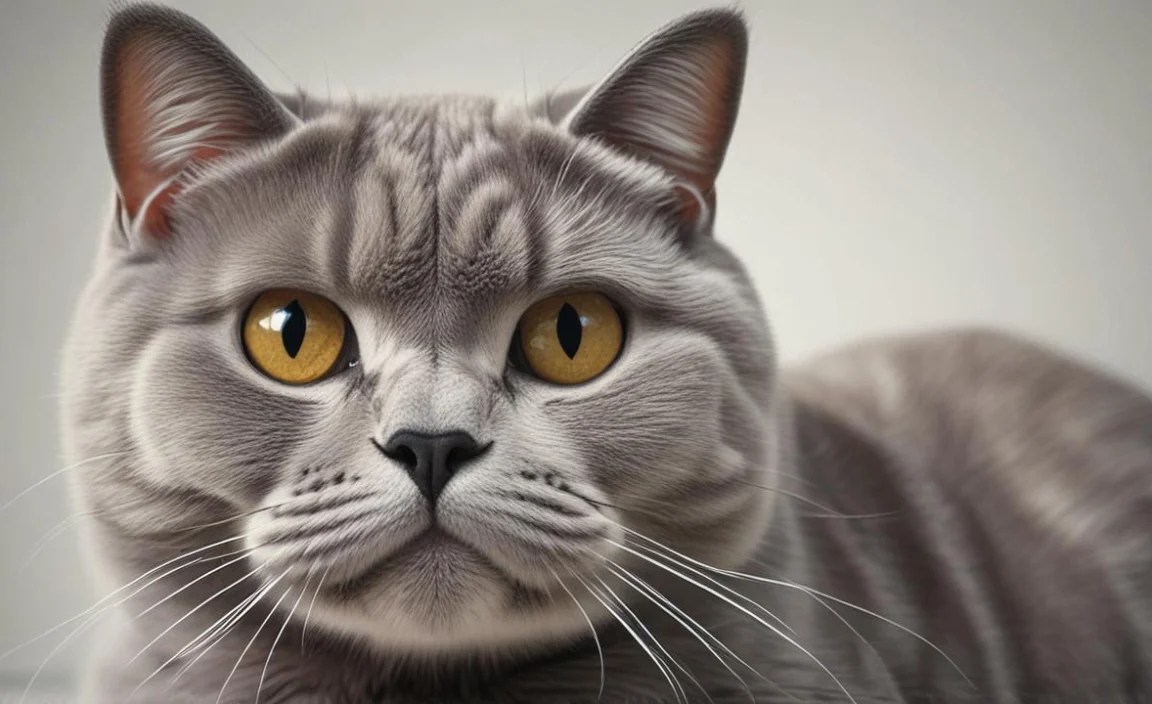
How often should you brush them? It depends on the season. During shedding season, brush them daily. This helps remove loose fur. It also prevents mats. During other times of the year, brush them a few times a week. This is usually enough to keep their fur healthy. Use a good quality brush. A slicker brush or a metal comb works well. Be gentle. Don’t pull on their fur. Make grooming a positive experience. Give them treats and praise. This will help them associate grooming with good things. Understanding their british shorthair behavior traits helps you adjust your grooming schedule. Some cats need more brushing than others. Pay attention to their fur. If it looks dull or matted, brush them more often.
What Are the Best Brushes to Use?

What are the best brushes to use? A slicker brush is a good choice. It removes loose fur effectively. A metal comb helps detangle mats. A rubber brush can massage their skin. Choose a brush that is comfortable for you to hold. Make sure it is also gentle on their skin. Avoid brushes with sharp bristles. These can irritate their skin. Try different brushes to see what works best. Some cats prefer one type of brush over another. Understanding their british shorthair behavior traits helps you make the right choice. Always be gentle. Don’t force them to tolerate a brush they don’t like. Grooming should be a positive experience. It should strengthen the bond between you and your cat.
Do They Need Baths?
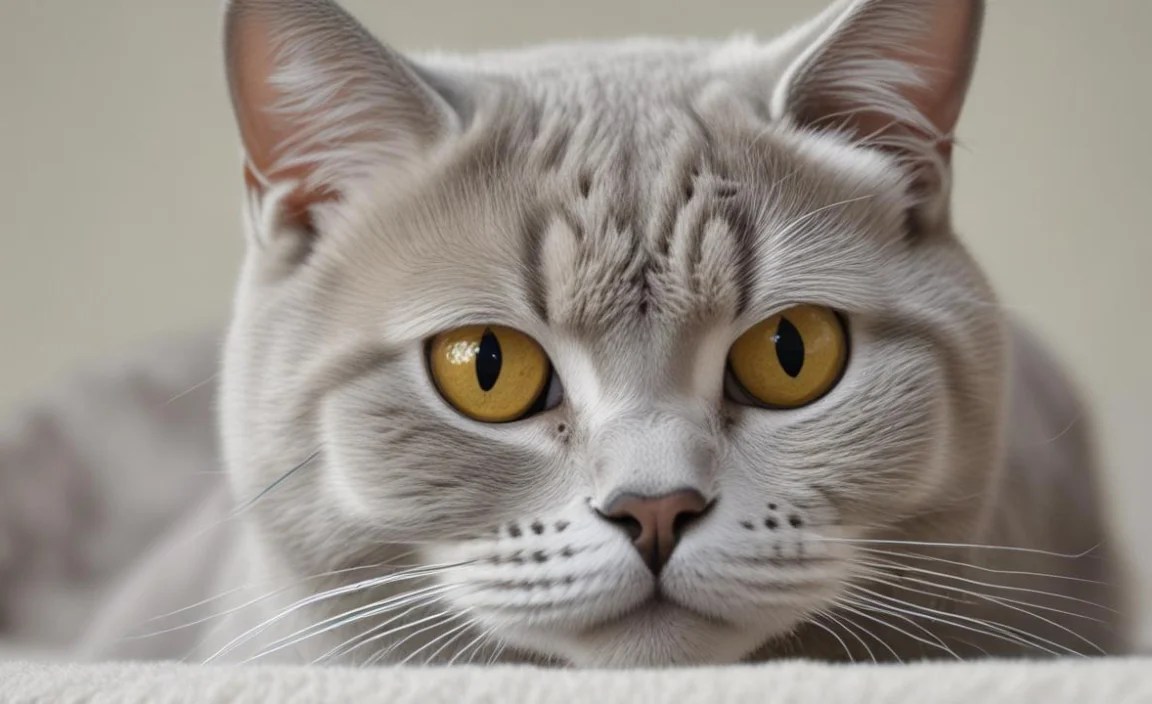
Do they need baths? Not usually. British Shorthairs are good at cleaning themselves. They groom themselves regularly. Unless they get very dirty, a bath is not necessary. If they do need a bath, use a cat-safe shampoo. Avoid using human shampoo. It can dry out their skin. Wet their fur thoroughly. Apply the shampoo and lather gently. Rinse them well. Make sure all the shampoo is removed. Dry them with a towel. You can also use a hair dryer on a low setting. Be careful not to burn them. Understanding their british shorthair behavior traits helps you decide when a bath is needed. If they are uncomfortable with water, don’t force it. Spot cleaning with a damp cloth might be enough.
Exercise and British Shorthair Behavior Traits

Exercise is important for British Shorthairs. It helps them stay healthy and happy. It also prevents obesity. British Shorthairs are prone to weight gain. Regular exercise helps them burn calories. It also keeps them mentally stimulated. Provide them with toys to play with. A scratching post is also a good idea. It allows them to stretch and scratch. Play with them every day. Use a laser pointer or a feather wand. This encourages them to run and jump. Understanding british shorthair behavior traits related to exercise helps you keep them active. They are not as energetic as some breeds. But they still need regular exercise. This keeps them in good shape. It also prevents boredom. A bored cat can become destructive.
- Exercise keeps them healthy.
- It prevents weight gain.
- Provide them with toys.
- Play with them every day.
- Exercise prevents boredom.
Understanding exercise and british shorthair behavior traits helps you care for them better. Knowing they are prone to weight gain means you need to be proactive. Providing them with toys keeps them entertained. Playing with them every day strengthens your bond. British Shorthairs also enjoy puzzle toys. These toys challenge them mentally. They have to figure out how to get the treat. This keeps them engaged. Exercise is not just about physical health. It’s also about mental health. A happy cat is a healthy cat. Make sure they have plenty of opportunities to play and explore. This will keep them content and well-adjusted. Regular exercise is an important part of their overall care.
Fun Fact or Stat: British Shorthairs are known to be less active as they get older, so it’s important to encourage exercise from a young age!
What Kind of Toys Do They Like?

What kind of toys do they like? British Shorthairs enjoy a variety of toys. They like chasing balls and batting at feathers. They also enjoy puzzle toys. These toys challenge them mentally. They have to figure out how to get the treat. Some cats like catnip toys. Catnip makes them feel playful and relaxed. Rotate their toys regularly. This keeps them interested. If they have too many toys at once, they might get bored. Put some toys away and bring them out later. This makes them feel new again. Understanding their british shorthair behavior traits helps you choose the right toys. Pay attention to what they enjoy. Some cats are more interested in certain toys than others. Experiment and find what works best.
How Much Playtime Do They Need?
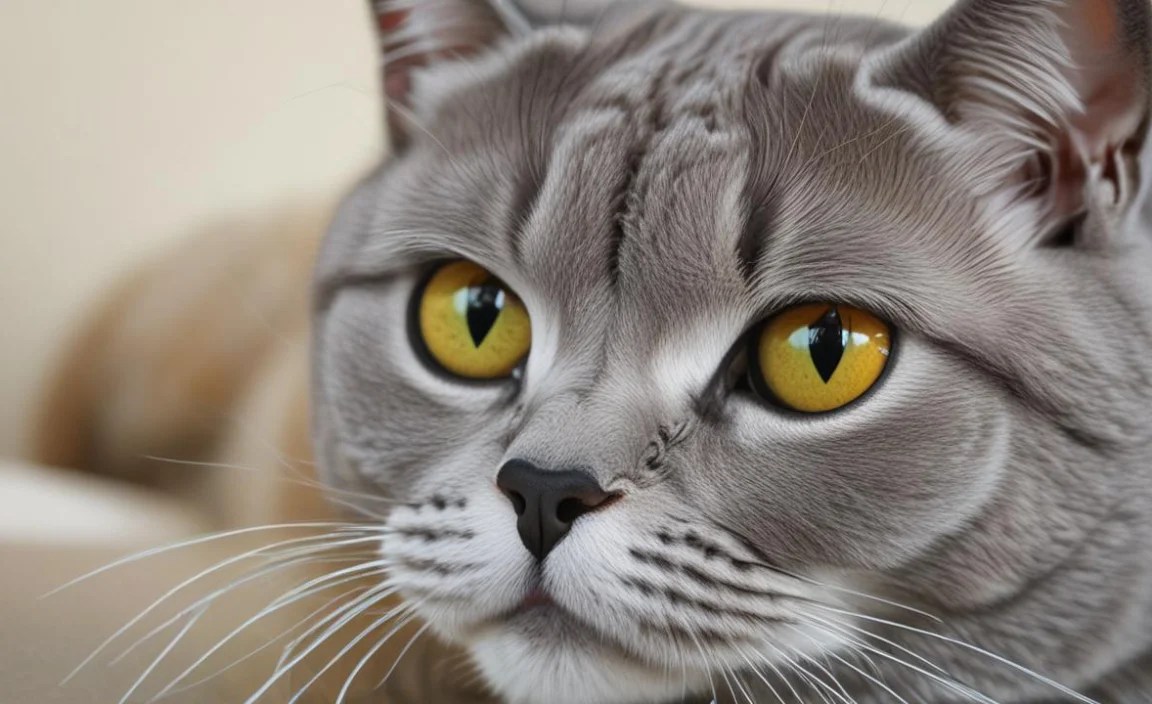
How much playtime do they need? British Shorthairs are not as energetic as some breeds. But they still need regular playtime. Aim for at least 15-20 minutes of playtime each day. Break it up into smaller sessions. Play with them in the morning and in the evening. This helps them burn energy and stay healthy. Playtime is also a good bonding experience. It strengthens the relationship between you and your cat. Use a laser pointer or a feather wand. This encourages them to run and jump. Understanding their british shorthair behavior traits helps you determine their playtime needs. Some cats need more playtime than others. Pay attention to their behavior. If they seem bored or restless, they might need more playtime.
Can They Be Trained?

Can they be trained? Yes, British Shorthairs are intelligent cats. They can be trained to do simple tricks. They can also be trained to use a scratching post. Training requires patience and consistency. Use positive reinforcement. Reward them with treats and praise. Avoid punishment. This can scare them and make them distrust you. Start with simple commands. Teach them to sit or stay. Use a clicker to mark the desired behavior. Then, give them a treat. Repeat the process until they understand. Understanding their british shorthair behavior traits helps you train them effectively. They respond well to positive reinforcement. Keep training sessions short and fun. This will keep them engaged.
Diet and British Shorthair Behavior Traits

Diet is very important for British Shorthairs. They are prone to weight gain. A balanced diet helps them stay healthy. Choose a high-quality cat food. Look for one that is rich in protein. Avoid foods that are high in carbohydrates. Feed them measured portions. Don’t leave food out all day. This can lead to overeating. Provide them with fresh water at all times. Water is essential for their health. Understanding british shorthair behavior traits related to diet helps you keep them healthy. They are not always good at regulating their food intake. This means you need to control their portions. A healthy diet is an important part of their overall care.
| Food Type | Pros | Cons |
|---|---|---|
| Dry Food | Convenient, good for dental health. | Can be high in carbs, low in moisture. |
| Wet Food | High in moisture, palatable. | Can be expensive, spoils quickly. |
| Raw Food | High in protein, natural diet. | Requires careful preparation, risk of bacteria. |
| Homemade Food | Control over ingredients, tailored to needs. | Time-consuming, requires knowledge of cat nutrition. |
- A balanced diet is very important.
- Choose a high-quality cat food.
- Feed them measured portions.
- Provide fresh water at all times.
- Avoid foods high in carbohydrates.
Understanding diet and british shorthair behavior traits helps you care for them better. Knowing they are prone to weight gain means you need to be careful. Choose a food that is appropriate for their age and activity level. Kittens need different food than adult cats. Senior cats need different food than young adults. Talk to your vet about the best diet for your cat. They can recommend a food that meets their specific needs. A healthy diet is an investment in their health and well-being. It helps them live a long and happy life. Remember to monitor their weight. If they are gaining weight, reduce their food intake. If they are losing weight, increase their food intake.
Fun Fact or Stat: British Shorthairs can be prone to hypertrophic cardiomyopathy (HCM), a heart condition, so a diet low in sodium is often recommended!
How Much Should They Eat?

How much should they eat? It depends on their age, weight, and activity level. Follow the feeding guidelines on the cat food package. These guidelines are a good starting point. Adjust the amount of food as needed. If they are gaining weight, reduce their food intake. If they are losing weight, increase their food intake. Monitor their body condition. You should be able to feel their ribs easily. If you can’t feel their ribs, they are overweight. Talk to your vet about the right amount of food for your cat. They can help you create a feeding plan. Understanding their british shorthair behavior traits helps you adjust their diet. Some cats need more food than others. Pay attention to their behavior and adjust accordingly.
What Are the Best Foods to Feed Them?

What are the best foods to feed them? Choose a high-quality cat food. Look for one that is rich in protein. Avoid foods that are high in carbohydrates. Read the ingredient list carefully. The first ingredient should be meat. Avoid foods that contain fillers, such as corn and wheat. Choose a food that is appropriate for their age and activity level. Kittens need different food than adult cats. Senior cats need different food than young adults. Talk to your vet about the best food for your cat. They can recommend a food that meets their specific needs. Understanding their british shorthair behavior traits helps you choose the right food. Some cats have allergies or sensitivities. If your cat has allergies, choose a food that is free of common allergens.
Should You Give Them Treats?

Should you give them treats? Yes, treats can be a good way to reward good behavior. But give them in moderation. Treats should not make up more than 10% of their daily calorie intake. Choose healthy treats. Avoid treats that are high in sugar and fat. Look for treats that are made with natural ingredients. You can also give them small pieces of cooked chicken or fish. These are healthy and delicious treats. Understanding their british shorthair behavior traits helps you choose the right treats. Some cats are picky eaters. They might not like certain treats. Experiment and find what they enjoy. Use treats as a training tool. Reward them for good behavior. This will help them learn new tricks.
Health Issues and British Shorthair Behavior Traits

Health issues can affect british shorthair behavior traits. It’s important to be aware of potential problems. British Shorthairs are prone to certain health conditions. These include hypertrophic cardiomyopathy (HCM). This is a heart condition. They are also prone to polycystic kidney disease (PKD). This is a kidney condition. Regular vet checkups are essential. Early detection is key to managing these conditions. Watch for changes in behavior. If your cat seems lethargic or is eating less, consult a vet. Understanding their breed-specific health issues helps you care for them better. A healthy cat is a happy cat. Preventative care is important. This includes vaccinations and parasite control. A healthy diet and regular exercise also contribute to their well-being.
- They are prone to HCM.
- They are prone to PKD.
- Regular vet checkups are essential.
- Watch for changes in behavior.
- Preventative care is very important.
Understanding health issues and british shorthair behavior traits helps you be a responsible owner. Knowing they are prone to certain conditions means you need to be vigilant. Regular vet checkups can help detect problems early. Watch for any changes in their behavior. If they seem unwell, don’t hesitate to seek veterinary care. Preventative care is also important. Make sure they are vaccinated and protected against parasites. A healthy diet and regular exercise can help prevent obesity. Obesity can exacerbate certain health conditions. By being proactive, you can help your British Shorthair live a long and healthy life. Their health is an important part of their overall well-being. A healthy cat is a happy and loving companion.
Fun Fact or Stat: British Shorthairs have a longer lifespan than many other cat breeds, often living well into their teens with proper care!
What Are Common Health Problems?

What are common health problems? British Shorthairs are prone to certain health conditions. Hypertrophic cardiomyopathy (HCM) is a common heart condition. Polycystic kidney disease (PKD) is a kidney condition. They are also prone to obesity. Regular vet checkups can help detect these problems early. Watch for signs of illness. These include lethargy, loss of appetite, and changes in behavior. If you notice anything unusual, consult a vet. Understanding their british shorthair behavior traits helps you identify potential problems. A healthy cat is a happy cat. Preventative care is important. This includes vaccinations and parasite control. A healthy diet and regular exercise also contribute to their well-being.
How Often Should They See a Vet?

How often should they see a vet? Kittens need more frequent vet visits than adult cats. They need vaccinations and parasite control. Adult cats should see a vet at least once a year. Senior cats should see a vet twice a year. Regular vet checkups can help detect health problems early. Your vet can also provide advice on diet and exercise. If you notice any changes in your cat’s behavior or health, consult a vet. Don’t wait until the problem becomes serious. Understanding their british shorthair behavior traits helps you know when to seek veterinary care. A healthy cat is a happy cat. Preventative care is an important part of responsible pet ownership.
What Are the Signs of Illness?
What are the signs of illness? There are many signs of illness in cats. These include lethargy, loss of appetite, vomiting, diarrhea, and changes in behavior. If your cat is acting differently than usual, it could be a sign of illness. Watch for any of these symptoms. If you notice anything unusual, consult a vet. Don’t try to diagnose the problem yourself. A vet can perform a thorough examination and determine the cause of the illness. Understanding their british shorthair behavior traits helps you recognize when something is wrong. A healthy cat is active and playful. If your cat is suddenly less active, it could be a sign of illness. Early detection is key to treating many health problems.
Summary
British Shorthairs are wonderful cats. They have unique british shorthair behavior traits. They are calm, adaptable, and friendly. They are good with kids and other pets. Regular grooming is important to prevent mats. Exercise helps them stay healthy. A balanced diet prevents weight gain. Be aware of potential health issues. Regular vet checkups are essential. Understanding their behavior makes them great companions. They are easy to love and care for. They bring joy to many homes. They are known for their gentle nature. They are a popular breed for a reason. They are wonderful family pets. Their calm demeanor makes them a joy to have around.
Their adaptability makes them great for different homes. Whether you live in a small apartment or a big house, they can adapt. They are also good for people with busy lifestyles. They don’t need constant attention. They are happy to entertain themselves. But they also enjoy spending time with their owners. They are the perfect balance of independent and affectionate. This makes them a popular choice for many people. Their friendly nature makes them a joy to have around. They bring a sense of calm to any home.
Conclusion
British Shorthairs are great pets. They have wonderful british shorthair behavior traits. They are calm and friendly. They are good with kids and other animals. Understanding their needs helps you care for them well. Regular grooming, exercise, and a healthy diet are important. Be aware of potential health issues. Regular vet checkups are essential. With proper care, they can live long and happy lives. They bring joy and companionship to many families. They are truly special cats. If you are looking for a calm and loving pet, they are a great choice.
Frequently Asked Questions
Question No 1: Are British Shorthairs good for first-time cat owners?
Answer: Yes, British Shorthairs are often recommended for first-time cat owners. They are known for their calm and adaptable british shorthair behavior traits. They are not overly demanding of attention, making them relatively low-maintenance. They are also generally good with children and other pets, making them a good fit for many households. However, it’s important to remember that all cats are individuals. Some British Shorthairs may be more independent than others. Be sure to do your research and provide them with a loving and stimulating environment.
Question No 2: Do British Shorthairs shed a lot?
Answer: Yes, British Shorthairs do shed, especially during the spring and fall. They have a thick double coat that helps them stay warm in the winter. This coat sheds seasonally. Regular grooming is essential to manage the shedding. Brushing them several times a week can help remove loose fur. This prevents mats and reduces shedding. A good quality brush is also helpful. A slicker brush or a metal comb works well. Bathing is not usually necessary. But it can help remove loose fur during shedding season. Proper grooming will keep their fur healthy and reduce shedding.
Question No 3: Are British Shorthairs active cats?
Answer: British Shorthairs are moderately active cats. They are not as energetic as some other breeds. But they still need regular exercise. They enjoy playing with toys. A scratching post is also a good idea. Play with them every day. Use a laser pointer or a feather wand. This encourages them to run and jump. Puzzle toys are also a good choice. These toys challenge them mentally. They have to figure out how to get the treat. Exercise helps them stay healthy and happy. It also prevents obesity. Make sure they have plenty of opportunities to play and explore. This will keep them content and well-adjusted. Understanding their british shorthair behavior traits helps you provide the right amount of activity.
Question No 4: Do British Shorthairs get along with dogs?
Answer: Yes, British Shorthairs can get along with dogs. Early socialization is important. Introduce them slowly. Keep them separate at first. Let them smell each other through a door. Then, allow short supervised visits. Make sure each animal has its own space. Food bowls and litter boxes should be separate. Don’t force them to interact. Let them get to know each other at their own pace. Some cats become best friends. Others simply tolerate each other. It depends on their individual personalities. Patience is key. It can take weeks or even months for them to adjust. With time and patience, they can learn to live together peacefully. Their calm british shorthair behavior traits help them adapt.
Question No 5: What is the average lifespan of a British Shorthair?
Answer: The average lifespan of a British Shorthair is 12-15 years. Some British Shorthairs live even longer. Proper care can help them live a long and healthy life. This includes a healthy diet, regular exercise, and regular vet checkups. Be aware of potential health issues. Early detection is key to managing these conditions. Preventative care is also important. This includes vaccinations and parasite control. A loving and stimulating environment can also contribute to their well-being. Understanding their british shorthair behavior traits helps you provide the best possible care.
Question No 6: Are British Shorthairs prone to any specific health problems?
Answer: Yes, British Shorthairs are prone to certain health conditions. These include hypertrophic cardiomyopathy (HCM). This is a heart condition. They are also prone to polycystic kidney disease (PKD). This is a kidney condition. Regular vet checkups are essential. Early detection is key to managing these conditions. Watch for changes in their british shorthair behavior traits. If your cat seems lethargic or is eating less, consult a vet. Understanding their breed-specific health issues helps you care for them better. A healthy diet and regular exercise also contribute to their well-being.


