
British Shorthair Size Chart: The Ultimate Guide

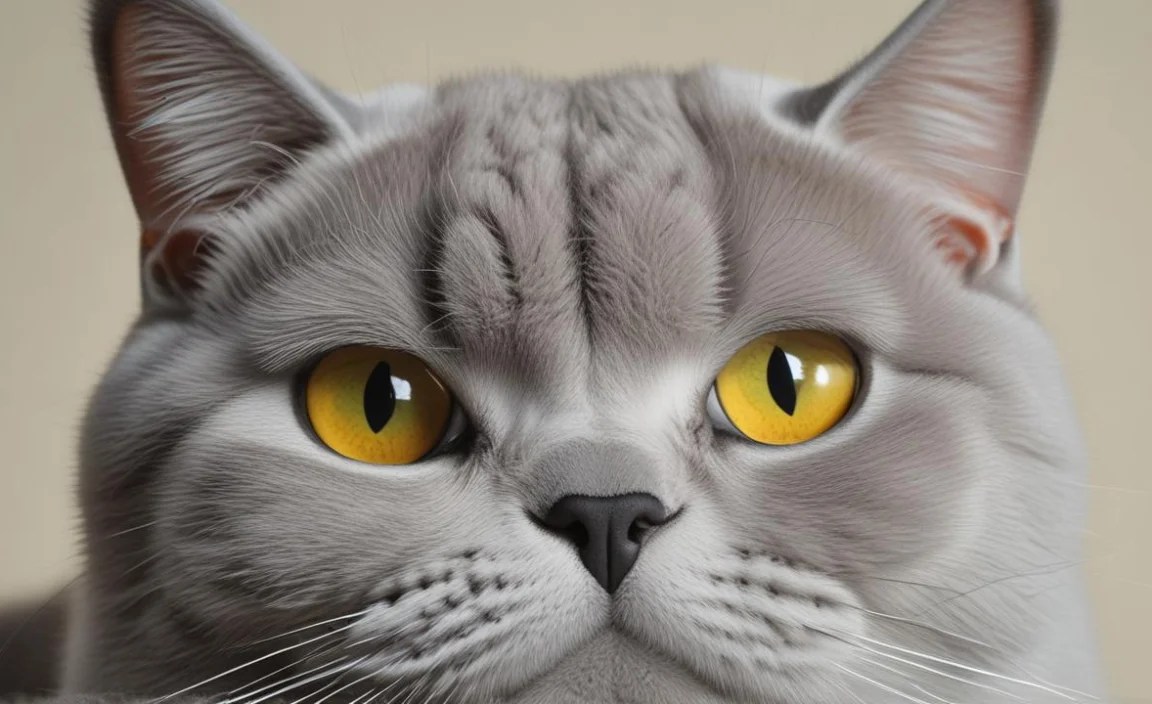
Have you ever seen a fluffy, round cat with big eyes? It might be a British Shorthair! These cats are known for their calm nature. They are also famous for their cute, chubby faces. But how big do these cats get? The british shorthair size chart can help us understand.
British Shorthairs grow for a long time. They reach their full size around 3–5 years old. Knowing their size helps you care for them better. Are you ready to learn more about these amazing cats?
Key Takeaways
- British Shorthairs are medium to large cats with a sturdy build.
- A british shorthair size chart shows typical weight and height ranges.
- Males are usually larger than females, weighing up to 17 pounds.
- They reach full size slowly, maturing around 3 to 5 years old.
- Proper diet and exercise help them maintain a healthy size and weight.
Understanding the British Shorthair Size Chart

The british shorthair size chart is a helpful guide. It tells you how big your cat might get. These cats are medium to large. They have a muscular body. The chart usually shows weight and height. Weight is often between 9 and 17 pounds. Height can be around 12 to 14 inches. Remember, these are just averages. Your cat might be a little bigger or smaller. The chart helps you know what to expect as your cat grows. Use it to make sure your furry friend is healthy and happy. Always talk to your vet if you have concerns.
- Males are typically larger than females.
- Weight ranges from 9 to 17 pounds.
- Height is usually between 12 and 14 inches.
- Size can vary based on genetics and diet.
- Regular vet visits are important for monitoring growth.
It’s important to remember that the british shorthair size chart is just a guide. Every cat is different. Some cats might be naturally bigger or smaller. Diet and exercise also play a big role. A healthy diet helps your cat grow properly. Regular playtime keeps them fit. If you’re worried about your cat’s size, talk to your vet. They can help you make sure your cat is healthy. They can also give you advice on food and exercise. A happy, healthy British Shorthair is a joy to have.
How Genetics Affect Size
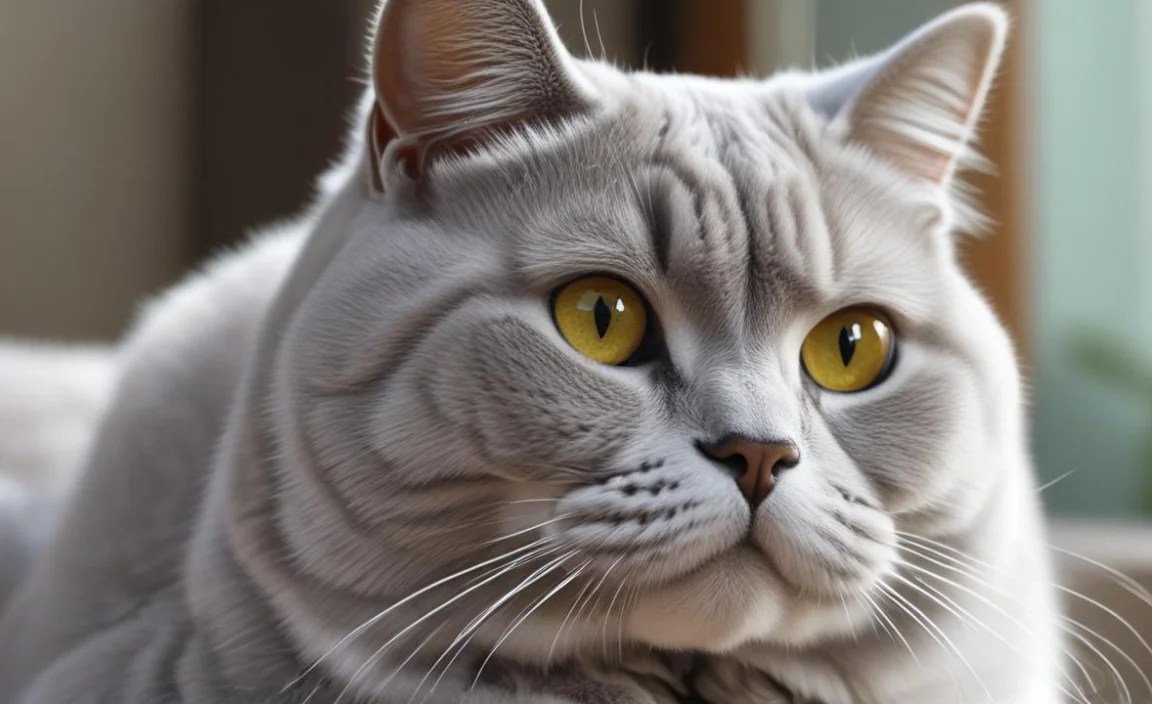
Have you ever wondered why some cats are bigger than others? Genetics play a big role! Just like people, cats inherit traits from their parents. If your cat’s parents were large, your cat might also be large. Genes control many things. They affect bone structure and muscle mass. Some cats are naturally more muscular. Others might have a larger frame. Even within the same litter, sizes can vary. This is because each kitten gets a different mix of genes. So, if your British Shorthair is bigger or smaller than average, it could be due to their family history. Understanding genetics helps us appreciate the unique qualities of each cat.
The Role of Diet in Growth

Imagine you’re building a house. You need good materials to make it strong. Diet is like those materials for your cat. A good diet helps them grow strong and healthy. British Shorthairs need food that’s high in protein. Protein helps build muscles. They also need the right amount of fat. Fat gives them energy. Avoid foods that are full of fillers. These don’t provide the nutrients your cat needs. Always choose high-quality cat food. Talk to your vet about the best food for your cat’s age and size. A healthy diet is key to a healthy cat.
Importance of Exercise

Why do we need to exercise? It keeps us healthy and strong! Cats also need exercise. It helps them build muscle and stay fit. British Shorthairs are not super active. But they still need playtime. Provide toys that encourage them to move. A scratching post is great for stretching. Play games with them using a laser pointer or feather wand. Aim for at least 15–20 minutes of playtime each day. Exercise also helps prevent obesity. It keeps your cat at a healthy weight. A fit cat is a happy cat!
Fun Fact or Stat: British Shorthairs weren’t always called that! They were once known as “British Blues” because of their blue-gray fur.
Factors Influencing British Shorthair Growth

Many things affect how big a British Shorthair gets. One important factor is gender. Male cats are usually bigger than female cats. Another factor is age. British Shorthairs grow slowly. They reach their full size around 3 to 5 years old. Diet also plays a big role. Good nutrition helps them grow properly. Genetics are also important. Some cats are just naturally bigger than others. Health conditions can also affect growth. If your cat is sick, they might not grow as much. Regular vet visits can help catch any problems early. Knowing these factors helps you understand your cat’s growth.
- Gender: Males are generally larger than females.
- Age: They grow slowly, reaching full size by 3–5 years.
- Diet: Proper nutrition is crucial for healthy growth.
- Genetics: Family history influences size.
- Health: Illnesses can impact growth.
- Environment: Stress can affect development.
Understanding these factors helps you better care for your British Shorthair. If you know that males are bigger, you won’t worry if your male cat is larger than your friend’s female cat. Knowing they grow slowly means you’ll be patient as your kitten matures. A good diet and regular vet visits are important for all cats. But they’re especially important for British Shorthairs. These cats can be prone to certain health problems. Early detection can make a big difference. By paying attention to these factors, you can help your cat live a long and healthy life.
The Impact of Spaying/Neutering

Have you ever wondered how spaying or neutering affects a cat? It can actually influence their growth! Spaying or neutering removes hormones. These hormones play a role in growth. Cats that are spayed or neutered early might grow taller. This is because their growth plates stay open longer. They might also gain weight more easily. This is because their metabolism can slow down. It’s important to adjust their diet after the procedure. Talk to your vet about the best time to spay or neuter your cat. They can help you make the right decision for your furry friend.
The Role of Hormones

Hormones are like tiny messengers in the body. They tell the body what to do. In cats, hormones affect growth, metabolism, and reproduction. For example, testosterone in male cats helps them develop muscles. Estrogen in female cats helps them develop reproductive organs. When a cat is spayed or neutered, these hormones are reduced. This can change how the cat grows. It can also affect their behavior. Understanding hormones helps us understand how our cats’ bodies work. It also helps us make informed decisions about their health.
Dealing with Growth Abnormalities
Sometimes, things don’t go as planned. A cat might have a growth abnormality. This means they’re not growing as they should. They might be too small or too big. There could be many reasons for this. It could be a genetic problem. It could be a health condition. It’s important to see a vet if you’re concerned. The vet can run tests to find out what’s going on. They can also recommend a treatment plan. Early detection is key. It can help your cat live a healthier life. Remember, every cat is different. But it’s always best to get checked out if you’re worried.
Fun Fact or Stat: British Shorthairs are one of the oldest cat breeds in England, dating back to the first century AD!
Ideal Weight Range for British Shorthairs

What’s the perfect weight for a British Shorthair? It depends on a few things! Gender, age, and body type all matter. Generally, males weigh between 11 and 17 pounds. Females weigh between 9 and 13 pounds. But these are just averages. Some cats might be a little heavier or lighter. The best way to tell if your cat is a healthy weight is to feel their ribs. You should be able to feel them easily, but not see them. If you can’t feel their ribs, they might be overweight. If you can see their ribs, they might be underweight. Talk to your vet if you’re concerned about your cat’s weight.
- Males: 11–17 pounds
- Females: 9–13 pounds
- Feel ribs easily (but not see them).
- Check with your vet if concerned.
- Maintain a healthy diet and exercise.
Maintaining a healthy weight is important for your British Shorthair. Overweight cats are at risk for many health problems. These include diabetes, arthritis, and heart disease. Underweight cats might not be getting enough nutrients. This can lead to other health issues. A balanced diet and regular exercise are key. Choose a high-quality cat food that’s appropriate for their age and activity level. Provide plenty of opportunities for play. A scratching post, toys, and playtime with you will help them stay active. Regular vet visits are also important. Your vet can help you monitor your cat’s weight and overall health. They can also give you advice on diet and exercise.
How to Check Your Cat’s Weight at Home

Want to check your cat’s weight without a vet visit? It’s easier than you think! You can use a regular bathroom scale. First, weigh yourself. Then, hold your cat and weigh yourself again. Subtract your weight from the total weight. The difference is your cat’s weight. You can also use a baby scale if you have one. Put your cat in a carrier and place it on the scale. Make sure the carrier is secure. Record the weight. Check your cat’s weight regularly. This helps you keep track of any changes. If you notice a big change, talk to your vet.
The Dangers of Overweight Cats

Imagine carrying extra weight all the time. It would be tiring and hard on your body! The same is true for cats. Overweight cats are at risk for many health problems. These include diabetes, arthritis, and heart disease. They might also have trouble breathing. It’s important to keep your cat at a healthy weight. This will help them live a longer, happier life. If you think your cat is overweight, talk to your vet. They can help you create a weight loss plan. This might include changing their diet and increasing their exercise.
The Risks of Underweight Cats

Being too thin is also not good for cats. Underweight cats might not be getting enough nutrients. This can weaken their immune system. They might also have less energy. It’s important to make sure your cat is getting enough food. Choose a high-quality cat food. Feed them the right amount for their age and activity level. If your cat is underweight, talk to your vet. They can help you figure out why. There might be a health problem that needs treatment. They can also recommend a diet to help your cat gain weight.
Fun Fact or Stat: British Shorthairs are known for their dense coat, which makes them feel extra cuddly!
Using a British Shorthair Growth Chart

A british shorthair growth chart is a handy tool. It helps you track your kitten’s growth. The chart shows typical weight ranges for different ages. You can compare your kitten’s weight to the chart. This helps you see if they’re growing as expected. Remember, every kitten grows at their own pace. Don’t worry if your kitten is a little ahead or behind. But if you have concerns, talk to your vet. They can help you make sure your kitten is healthy. A growth chart is just one tool. Your vet is the best resource for your kitten’s health.
- Track weight at different ages.
- Compare to typical weight ranges.
- Don’t worry about small variations.
- Consult your vet with concerns.
- Use with a healthy diet and care.
To use a british shorthair growth chart, you’ll need to weigh your kitten regularly. Use a baby scale or a bathroom scale. Record the weight on the chart. You’ll also need to know your kitten’s age. The chart will show weight ranges for each age. Compare your kitten’s weight to the chart. Is it within the normal range? If so, that’s great! If it’s significantly higher or lower, talk to your vet. They can help you figure out why. They can also recommend a plan to get your kitten back on track. A growth chart is a helpful way to monitor your kitten’s health. But it’s not a substitute for regular vet visits.
Finding a Reliable Growth Chart
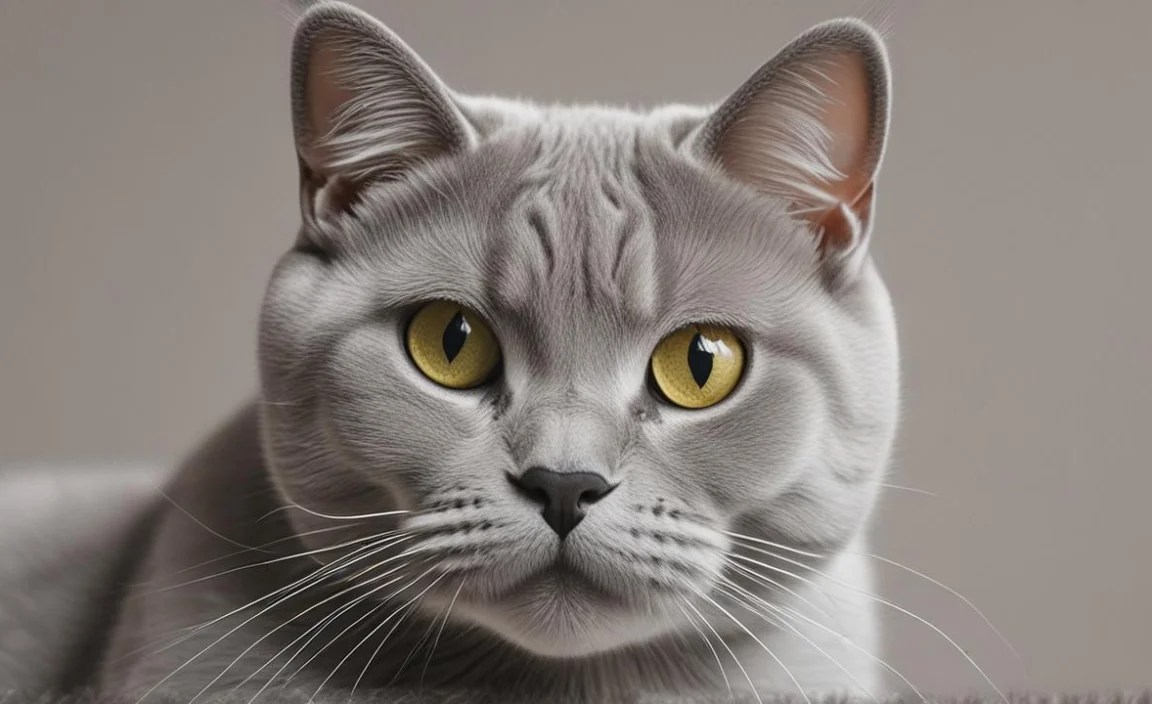
Where can you find a good growth chart? There are many online resources. But not all of them are reliable. Look for charts from reputable sources. These might include veterinary websites or breed associations. Make sure the chart is specific to British Shorthairs. Different breeds grow at different rates. A chart for another breed might not be accurate. Ask your vet if they have a growth chart they recommend. They can also help you interpret the results. A reliable growth chart is a valuable tool. But it’s important to use it correctly.
How Often to Weigh Your Kitten

How often should you weigh your kitten? It depends on their age. Very young kittens should be weighed weekly. This helps you make sure they’re gaining weight properly. Older kittens can be weighed every two weeks. Once they’re adults, you can weigh them monthly. Regular weigh-ins help you catch any problems early. If you notice a sudden weight loss or gain, talk to your vet. They can help you figure out what’s going on. Regular monitoring is key to keeping your cat healthy.
Interpreting the Results
You’ve weighed your kitten and recorded it on the growth chart. Now what? It’s time to interpret the results. Is your kitten’s weight within the normal range for their age? If so, that’s great! Keep up the good work. If your kitten’s weight is significantly higher or lower, there might be a problem. Don’t panic! Talk to your vet. They can help you figure out why. There might be a simple explanation. Or there might be a health issue that needs treatment. Your vet can help you create a plan to get your kitten back on track.
Fun Fact or Stat: The British Shorthair’s round face and chubby cheeks give them a teddy bear-like appearance!
Comparing Male vs. Female British Shorthair Sizes

Do boy cats and girl cats grow differently? Yes, they do! Male British Shorthairs are usually bigger than females. They have a larger frame and more muscle mass. They typically weigh between 11 and 17 pounds. Female British Shorthairs are smaller and more delicate. They usually weigh between 9 and 13 pounds. These are just general guidelines. Some cats might be bigger or smaller than average. But in general, males are larger. Knowing this helps you understand what to expect as your cat grows.
| Characteristic | Male British Shorthair | Female British Shorthair |
|---|---|---|
| Typical Weight | 11-17 pounds | 9-13 pounds |
| Average Height | 12-14 inches | 11-13 inches |
| Body Build | Muscular and Sturdy | Slightly more slender |
| Head Shape | Rounder and Broader | Slightly smaller and refined |
- Males: Larger frame and more muscle.
- Females: Smaller and more delicate.
- Weight ranges differ.
- Height also varies.
- Consider individual differences.
It’s important to remember that every cat is an individual. Some male cats might be smaller than average. Some female cats might be larger than average. Genetics, diet, and activity level all play a role. Don’t worry too much if your cat doesn’t fit perfectly into these categories. The most important thing is that they’re healthy and happy. Talk to your vet if you have any concerns. They can help you assess your cat’s overall health and well-being. They can also give you advice on diet and exercise.
Differences in Growth Rate
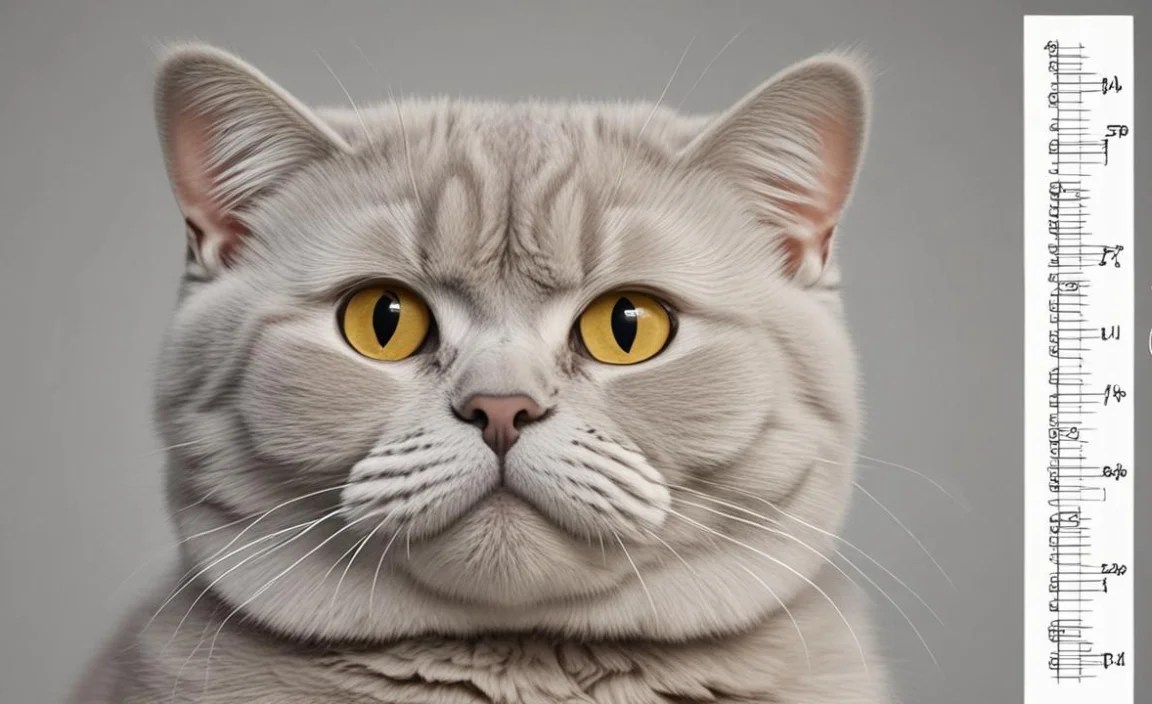
Do male and female kittens grow at the same speed? Not exactly. Male kittens often grow faster than female kittens. They might gain weight more quickly. They might also reach their full size sooner. Female kittens tend to grow more slowly and steadily. This doesn’t mean there’s anything wrong with your kitten if they’re not growing as fast as another kitten. Every kitten is different. But it’s something to keep in mind as you track their growth.
Body Structure Variations
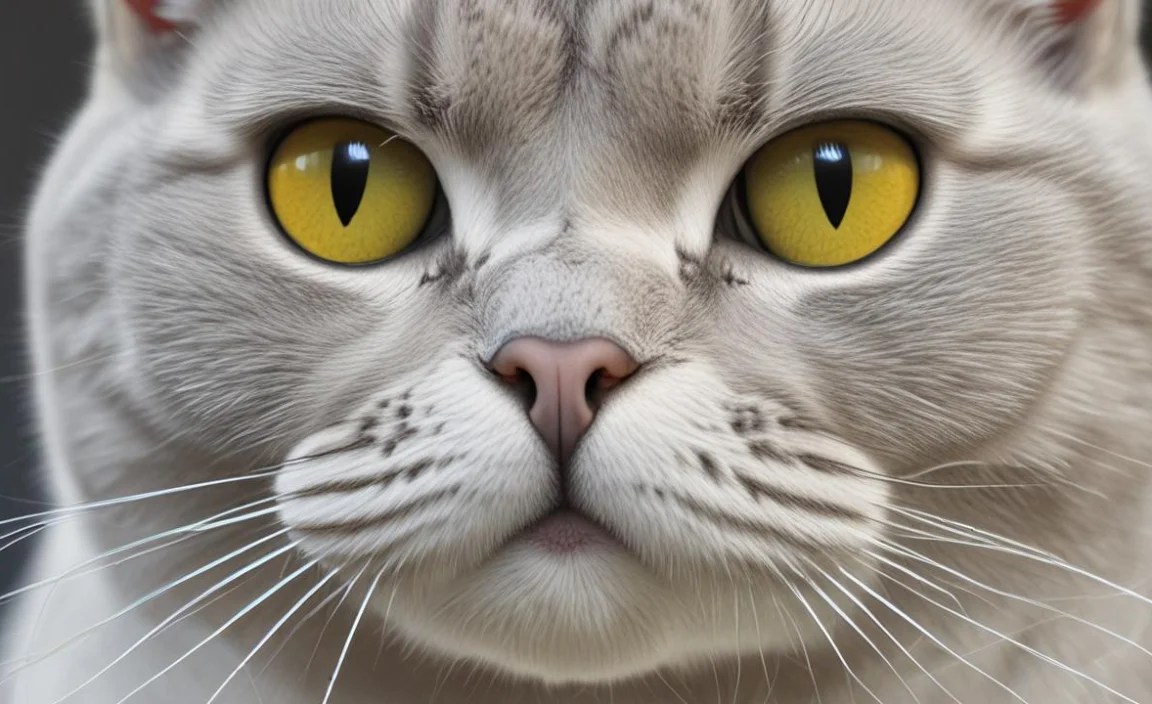
Have you ever noticed that some cats have different body shapes? Male British Shorthairs tend to have a more muscular body. They also have broader shoulders. Female British Shorthairs tend to be more slender. Their bodies are more streamlined. These differences are due to hormones and genetics. They’re perfectly normal and healthy. Just another way that male and female cats are different.
How to Ensure Healthy Growth for Both

Want to make sure your male and female British Shorthairs grow up healthy and strong? The key is a good diet and plenty of exercise! Feed them a high-quality cat food that’s appropriate for their age and activity level. Provide plenty of opportunities for play. A scratching post, toys, and playtime with you will help them stay active. Regular vet visits are also important. Your vet can help you monitor their growth and overall health. They can also give you advice on diet and exercise. With proper care, both male and female British Shorthairs can thrive.
Fun Fact or Stat: British Shorthairs are known for their copper eyes, though other eye colors exist as well!
Common Health Issues Affecting Size
Sometimes, health problems can affect a British Shorthair’s size. One common issue is hypertrophic cardiomyopathy (HCM). This is a heart condition. It can cause the heart to enlarge. This can affect their overall health and growth. Another issue is polycystic kidney disease (PKD). This is a kidney problem. It can also affect their growth. Joint problems like arthritis can also impact their size. Regular vet visits are important. They can help catch these problems early. Early treatment can help your cat live a healthier life. A healthy cat is more likely to grow to their full potential.
- Hypertrophic cardiomyopathy (HCM)
- Polycystic kidney disease (PKD)
- Arthritis and joint issues
- Dental problems
- Obesity
It’s important to be aware of these common health issues. If you notice any signs of illness in your cat, talk to your vet right away. Signs might include loss of appetite, weight loss, or lethargy. Your vet can run tests to diagnose the problem. They can also recommend a treatment plan. Early detection and treatment can make a big difference. It can help your cat live a longer, healthier life. Remember, a healthy cat is a happy cat. And a happy cat is a joy to have in your life.
Recognizing Early Warning Signs
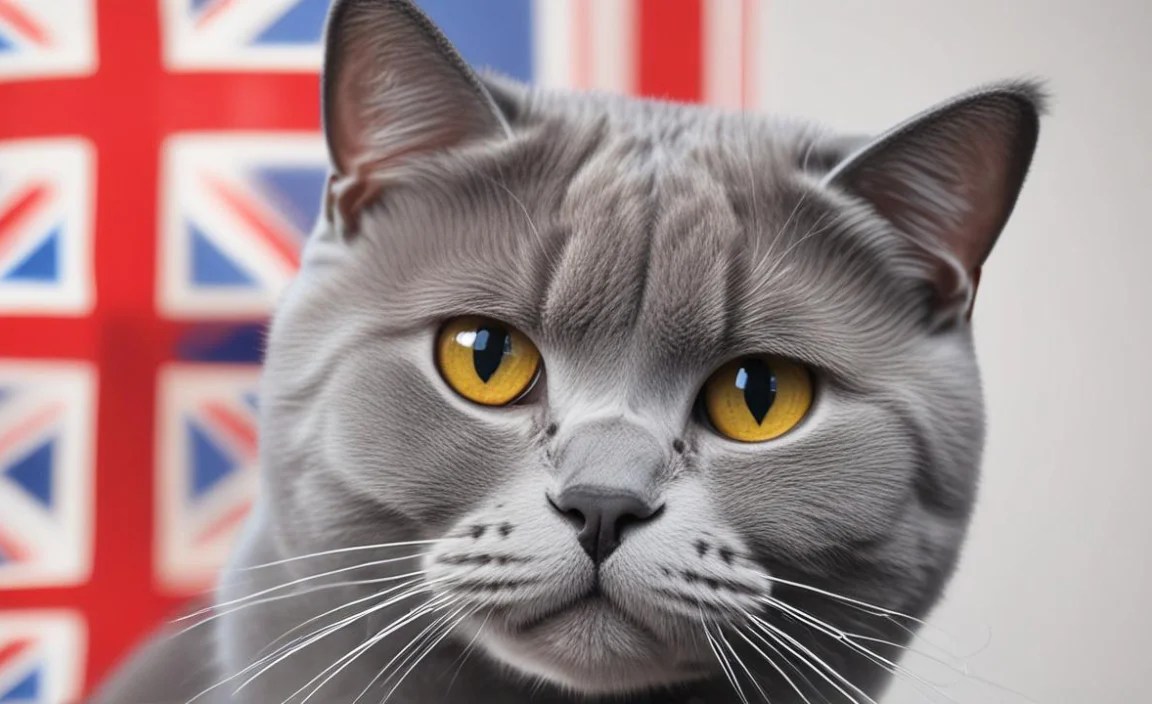
How can you tell if your cat is sick? It’s important to know the early warning signs. These might include changes in appetite or water intake. Your cat might also become less active. They might hide more than usual. Changes in litter box habits are also a sign. If you notice any of these signs, talk to your vet. Early detection is key. It can help your cat get the treatment they need. A healthy cat is a happy cat!
Preventative Care Measures
Want to keep your cat healthy? Preventative care is key! This includes regular vet visits, vaccinations, and parasite control. Feed your cat a high-quality diet. Provide plenty of fresh water. Keep their litter box clean. Groom them regularly. These simple steps can help prevent many health problems. They can also help you catch problems early. A healthy cat is a happy cat!
The Impact of Diet on Health and Growth

Imagine trying to build a house with bad materials. It wouldn’t be very strong! Diet is like the materials for your cat’s body. A good diet helps them grow strong and healthy. A bad diet can lead to health problems. Choose a high-quality cat food that’s appropriate for their age and activity level. Avoid foods that are full of fillers. These don’t provide the nutrients your cat needs. A healthy diet is essential for a healthy cat.
Fun Fact or Stat: British Shorthairs are known to be relatively quiet cats, making them great apartment dwellers!
Summary
British Shorthairs are wonderful cats. They are known for their round faces and calm personalities. Understanding their size and growth is important. A british shorthair size chart can help you track your cat’s development. It shows typical weight and height ranges. Male cats are usually larger than females. Many factors affect their growth. These include genetics, diet, and health. Regular vet visits are essential. They help catch any problems early. A healthy diet and plenty of exercise are key. By understanding these things, you can help your British Shorthair thrive.
Conclusion
British Shorthairs make great pets. They are loving and easy to care for. Knowing their size helps you provide the best care. Use a british shorthair size chart as a guide. Remember that every cat is different. A healthy diet and regular exercise are important. Talk to your vet if you have concerns. With proper care, your British Shorthair will be a happy and healthy companion for years to come.
Frequently Asked Questions
Question No 1: How big do British Shorthairs typically get?
Answer: British Shorthairs are medium to large cats. Males usually weigh between 11 and 17 pounds. Females typically weigh between 9 and 13 pounds. They can grow to be about 12 to 14 inches tall. The british shorthair size chart gives you a good idea of their average size. But remember, individual cats can vary. Genetics, diet, and health all play a role in their size. So, your cat might be a little bigger or smaller than average. As long as they are healthy, there is no need to worry if they deviate a little from the standard size.
Question No 2: When do British Shorthairs reach their full size?
Answer: British Shorthairs grow slowly. They typically reach their full size around 3 to 5 years old. This is much slower than some other cat breeds. During this time, they gradually fill out. They gain muscle and reach their full weight. It’s important to be patient. Provide them with a healthy diet. Ensure they get regular exercise. This helps them grow properly. A british shorthair size chart can help you track their progress over time. If you have any concerns, talk to your vet.
Question No 3: Are male British Shorthairs bigger than females?
Answer: Yes, male British Shorthairs are generally bigger than females. Males tend to have a larger frame and more muscle mass. They typically weigh more than females. The british shorthair size chart reflects this difference. It shows a higher weight range for males. However, there can be exceptions. Some females might be larger than some males. But in general, males are the bigger of the two sexes. This is a common trait in many animal species, including cats.
Question No 4: How can I tell if my British Shorthair is overweight?
Answer: There are several ways to tell if your British Shorthair is overweight. One way is to feel their ribs. You should be able to feel them easily, but not see them. If you can’t feel their ribs, they might be overweight. Another way is to look at their body shape. An overweight cat will have a round belly and a thick waist. You can also weigh them and compare their weight to the british shorthair size chart. If they are significantly above the average weight range, they are likely overweight. Talk to your vet for advice.
Question No 5: What should I feed my British Shorthair to ensure healthy growth?
Answer: A healthy diet is essential for your British Shorthair’s growth. Choose a high-quality cat food that’s appropriate for their age. Kittens need food that’s rich in protein and calories. Adult cats need food that’s balanced and helps maintain their weight. Avoid foods that are full of fillers or artificial ingredients. Provide plenty of fresh water. Talk to your vet about the best food for your cat. They can recommend a specific brand or type of food. They can also help you determine the right amount to feed them.
Question No 6: How does spaying or neutering affect a British Shorthair’s size?
Answer: Spaying or neutering can affect a British Shorthair’s size. It can change their metabolism. Spayed or neutered cats might gain weight more easily. This is because they don’t need as many calories. It’s important to adjust their diet after the procedure. Feed them a food that’s lower in calories. Provide plenty of exercise. This will help them maintain a healthy weight. Spaying or neutering can have other health benefits. Talk to your vet about the best time to spay or neuter your cat. They can help you make the right decision.


