
Grooming British Shorthair for Healthy Coat Growth: Secret?

Grooming your British Shorthair for a healthy coat involves regular brushing (2-3 times a week, daily during shedding season), occasional bathing (every 1-3 months), a high-quality diet rich in omega fatty acids, and ensuring they stay hydrated. Regular vet checkups are also vital to rule out underlying health issues affecting their coat.
Is your British Shorthair’s coat looking a little lackluster? Don’t worry, you’re not alone! Many owners find it challenging to keep their British Shorthair’s plush coat in tip-top shape. These adorable cats are known for their dense, teddy bear-like fur, but that also means they need a bit of extra care.
The good news is that with the right techniques and a consistent grooming routine, you can help your British Shorthair maintain a healthy, shiny coat. I’m Frances O’Brien, and over the years, I’ve learned exactly what it takes to keep these cats looking their best. We’ll cover everything from brushing tips to diet recommendations, making sure your feline friend is always ready for a cuddle!
Understanding the British Shorthair Coat

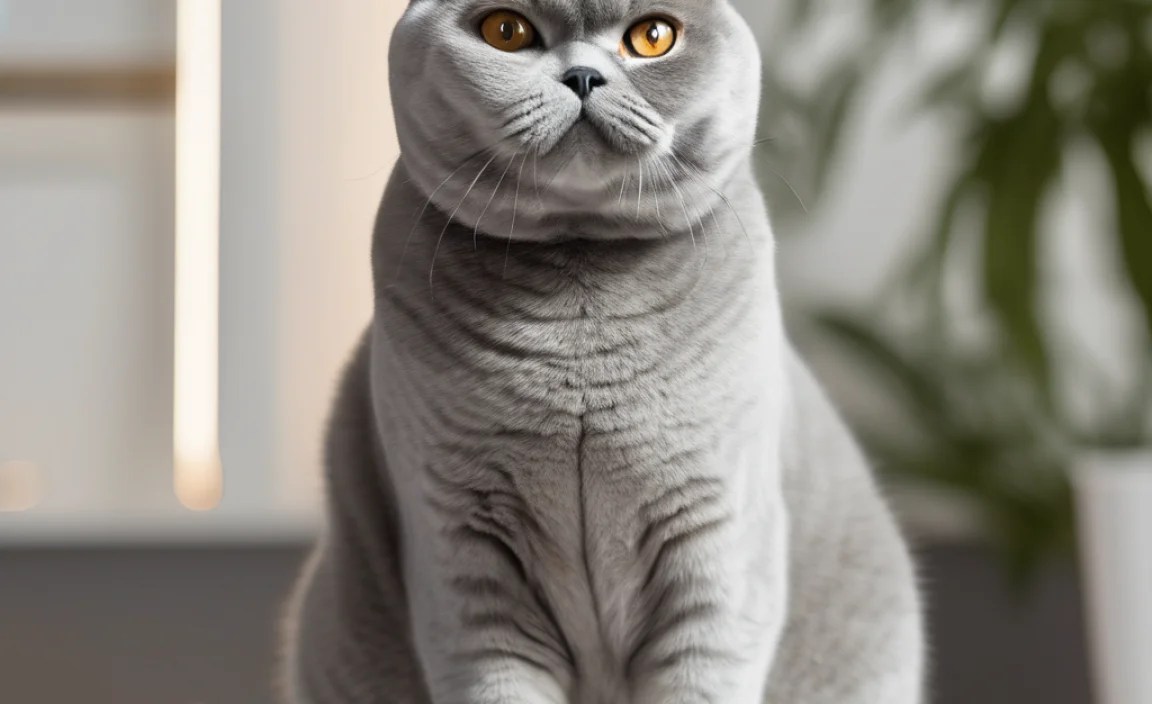
Before we dive into the grooming specifics, let’s understand what makes the British Shorthair’s coat unique. These cats have a dense, plush coat that stands out from the body, giving them a rounded appearance. This density means the coat can be prone to tangles and matting if not properly cared for.
The British Shorthair has a double coat, which means there’s a soft undercoat and a coarser outer coat. This double layer provides insulation, keeping them warm in the winter and cool in the summer. However, it also means more shedding, especially during seasonal changes. According to The International Cat Association (TICA), regular grooming is essential to manage shedding and prevent hairballs.
Seasonal Shedding
British Shorthairs typically shed more in the spring and fall as they adjust to temperature changes. During these periods, you’ll notice more hair around your home and may need to increase your grooming frequency to keep their coat healthy. A good diet can also help to keep their coat healthy all year around.
Coat Colors and Textures
British Shorthairs come in a variety of colors and patterns, from the classic blue to tabby, colorpoint, and more. Regardless of the color, the texture should be dense and plush. A healthy coat is a sign of a well-cared-for cat, so let’s get started on how to achieve that!
Essential Grooming Tools

Having the right tools can make grooming your British Shorthair much easier and more effective. Here’s a list of essential grooming tools you’ll need:
- Slicker Brush: Perfect for removing loose hair and preventing mats.
- Metal Comb: Use this to detangle knots and ensure the coat is smooth.
- Rubber Brush or Grooming Glove: Gentle and effective for removing loose hair, especially during shedding season.
- Nail Clippers: Keep your cat’s nails trimmed to prevent scratching.
- Pet Shampoo: Choose a shampoo specifically formulated for cats to avoid skin irritation.
- Soft Towel: For drying your cat after a bath.
Step-by-Step Grooming Guide

Now that you have your tools ready, let’s go through a step-by-step guide to grooming your British Shorthair:
Step 1: Brushing
Brushing is the most important part of grooming a British Shorthair. Aim to brush your cat 2-3 times a week, and daily during shedding season. Regular brushing helps remove loose hair, prevents mats, and keeps their coat looking healthy and shiny.
- Start with the Slicker Brush: Gently brush your cat’s coat, starting from the head and working your way down to the tail. Be careful around sensitive areas like the belly and legs.
- Use the Metal Comb: After brushing with the slicker brush, use the metal comb to detangle any knots or mats. Be gentle and patient, and never force the comb through a knot.
- Finish with a Rubber Brush or Grooming Glove: These are great for removing any remaining loose hair and giving your cat a gentle massage.
Step 2: Bathing
British Shorthairs don’t need frequent baths, but an occasional bath can help keep their coat clean and healthy. Aim to bathe your cat every 1-3 months, or as needed if they get dirty.
- Prepare the Bath: Fill a sink or tub with lukewarm water. Make sure the water isn’t too hot or too cold.
- Wet Your Cat: Gently wet your cat’s coat, avoiding the eyes and ears.
- Apply Shampoo: Apply a small amount of pet shampoo and lather it into the coat.
- Rinse Thoroughly: Rinse the coat thoroughly, making sure to remove all traces of shampoo.
- Dry Your Cat: Use a soft towel to dry your cat. You can also use a pet-safe hairdryer on a low setting, but be careful not to overheat their skin.
Step 3: Nail Trimming
Keeping your British Shorthair’s nails trimmed is important for their health and your furniture! Aim to trim their nails every 2-3 weeks, or as needed.
- Get Your Cat Comfortable: Start by getting your cat comfortable with having their paws handled. Gently massage their paws and toes.
- Use Pet Nail Clippers: Use pet nail clippers to trim the tips of their nails, being careful to avoid the quick (the pink part of the nail that contains blood vessels and nerves).
- Reward Your Cat: After trimming their nails, give your cat a treat or some praise to reinforce positive behavior.
Step 4: Ear Cleaning
Cleaning your British Shorthair’s ears can help prevent infections and keep them healthy. Aim to clean their ears every 1-2 weeks, or as needed.
- Use a Pet Ear Cleaning Solution: Apply a small amount of pet ear cleaning solution to a cotton ball.
- Gently Clean the Ears: Gently clean the inside of your cat’s ears, being careful not to insert the cotton ball too far into the ear canal.
- Reward Your Cat: After cleaning their ears, give your cat a treat or some praise to reinforce positive behavior.
Maintaining a Healthy Coat Through Diet

A healthy diet is essential for maintaining a healthy coat. Make sure your British Shorthair is eating a high-quality cat food that is rich in protein, omega fatty acids, and other essential nutrients. According to the Cornell Feline Health Center, a balanced diet is crucial for coat health.
Foods That Promote Coat Health
- Omega-3 and Omega-6 Fatty Acids: These fatty acids help keep the coat shiny and healthy. Look for foods that contain fish oil, flaxseed, or other sources of omega fatty acids.
- Protein: Protein is essential for coat growth and repair. Look for foods that contain high-quality protein sources like chicken, fish, or beef.
- Vitamins and Minerals: Vitamins and minerals like vitamin E, vitamin A, and zinc are also important for coat health.
Hydration
Make sure your British Shorthair always has access to fresh, clean water. Dehydration can lead to dry, brittle fur. Consider adding wet food to their diet to increase their water intake.
Dealing with Common Coat Problems
Even with the best grooming routine, you may encounter some common coat problems with your British Shorthair. Here are some tips for dealing with them:
Matting
Matting occurs when the fur becomes tangled and forms dense clumps. Regular brushing is the best way to prevent matting, but if your cat does develop mats, here’s what to do:
- Gently Detangle: Use a metal comb to gently detangle the mat, working from the outside in.
- Use a Mat Splitter: If the mat is too dense to detangle, use a mat splitter to carefully cut it into smaller pieces.
- Shave the Mat: In severe cases, you may need to shave the mat off. Be very careful not to cut your cat’s skin. If you’re not comfortable doing this yourself, take your cat to a professional groomer.
Excessive Shedding
All cats shed, but British Shorthairs can shed quite a bit, especially during seasonal changes. Here are some tips for managing excessive shedding:
- Brush More Frequently: Increase your brushing frequency to daily during shedding season.
- Use a Deshedding Tool: A deshedding tool can help remove loose hair from the undercoat.
- Consider a Bath: A bath can help loosen and remove dead hair.
Dull Coat
If your British Shorthair’s coat looks dull or lifeless, it could be a sign of a dietary deficiency or an underlying health problem. Here’s what to do:
- Improve Their Diet: Make sure your cat is eating a high-quality cat food that is rich in protein, omega fatty acids, and other essential nutrients.
- Consult Your Veterinarian: If you’re concerned about your cat’s coat health, consult your veterinarian to rule out any underlying health problems.
When to See a Vet
While grooming and diet play a significant role in maintaining a healthy coat, sometimes coat issues can be a sign of an underlying health problem. It’s important to know when to consult your veterinarian. According to the RSPCA, changes in coat condition can indicate health issues.
Signs That Indicate a Vet Visit Is Necessary
- Sudden Hair Loss: If your cat is suddenly losing a lot of hair, it could be a sign of an allergy, infection, or other health problem.
- Skin Irritation: If your cat has red, itchy, or inflamed skin, it could be a sign of an allergy, infection, or parasites.
- Changes in Coat Texture: If your cat’s coat suddenly becomes dry, brittle, or greasy, it could be a sign of a dietary deficiency or an underlying health problem.
- Excessive Grooming: If your cat is excessively grooming themselves, it could be a sign of stress, anxiety, or a skin problem.
Tips for a Stress-Free Grooming Experience
Grooming can be a stressful experience for some cats, but there are things you can do to make it more enjoyable for both of you.
Create a Positive Association
Associate grooming with positive experiences by giving your cat treats, praise, and affection during and after grooming sessions. Start slowly and gradually increase the duration of the grooming sessions as your cat becomes more comfortable.
Choose the Right Time
Choose a time when your cat is relaxed and calm, such as after a meal or after playtime. Avoid grooming your cat when they are stressed or agitated.
Be Gentle and Patient
Be gentle and patient when grooming your cat. Never force them to do anything they don’t want to do. If your cat becomes stressed or agitated, stop the grooming session and try again later.
Use the Right Tools
Using the right tools can make grooming much easier and more comfortable for your cat. Make sure to choose tools that are specifically designed for cats and that are gentle on their skin and fur.
British Shorthair Grooming Schedule
Here is a sample grooming schedule to help you stay organized:
| Task | Frequency |
|---|---|
| Brushing | 2-3 times per week (daily during shedding season) |
| Bathing | Every 1-3 months |
| Nail Trimming | Every 2-3 weeks |
| Ear Cleaning | Every 1-2 weeks |
British Shorthair Grooming: Dos and Don’ts
Here’s a quick guide to the dos and don’ts of grooming your British Shorthair:
| Do | Don’t |
|---|---|
| Brush regularly to prevent mats and tangles. | Use human shampoo, which can irritate their skin. |
| Use gentle, cat-friendly grooming tools. | Force your cat if they resist grooming. |
| Provide a high-quality diet for a healthy coat. | Neglect regular vet checkups. |
| Make grooming a positive experience with treats and praise. | Forget to trim their nails regularly. |
FAQ: Grooming British Shorthairs
How often should I brush my British Shorthair?
You should aim to brush your British Shorthair 2-3 times a week to prevent mats and tangles. During shedding season, increase brushing to daily.
Do British Shorthairs need baths?
British Shorthairs don’t need frequent baths. Bathing them every 1-3 months is usually sufficient, or as needed if they get dirty.
What kind of brush is best for a British Shorthair?
A slicker brush is great for removing loose hair and preventing mats, while a metal comb is useful for detangling knots. A rubber brush or grooming glove can help remove any remaining loose hair.
How can I prevent my British Shorthair from shedding so much?
Regular brushing, a high-quality diet rich in omega fatty acids, and staying hydrated can help reduce shedding.
What should I do if my British Shorthair has mats in their fur?
Gently try to detangle the mat with a metal comb. If the mat is too dense, use a mat splitter or take your cat to a professional groomer.
Is it normal for my British Shorthair to dislike grooming?
Some cats dislike grooming, but you can make it a more positive experience by using treats, praise, and gentle handling. Start slowly and gradually increase the duration of grooming sessions.
Can coat problems indicate health issues in British Shorthairs?
Yes, changes in coat condition can be a sign of underlying health problems. Consult your veterinarian if you notice sudden hair loss, skin irritation, or changes in coat texture.
Conclusion
Grooming your British Shorthair for a healthy coat doesn’t have to be a daunting task. By understanding their unique coat, using the right tools, and following a consistent grooming routine, you can keep your feline friend looking and feeling their best. Remember, a healthy coat is a sign of a happy and well-cared-for cat. With a little patience and the right approach, you’ll be rewarded with a beautiful, cuddly companion for many years to come. Happy grooming!


