
British Shorthair Grooming Preferences: The Smart Way

British Shorthairs are known for their plush, dense coats, but luckily, they’re relatively low-maintenance when it comes to grooming. Aim to brush your British Shorthair 1-2 times a week to remove loose hair and prevent mats. During shedding season (spring and fall), increase brushing to daily. Regular nail trims and occasional ear cleaning will also keep your feline friend looking and feeling their best!
Bringing a British Shorthair into your home is like adding a fluffy, four-legged family member. These cats are known for their calm and affectionate nature, but like all cats, they need proper grooming. If you’re new to the breed, you might be wondering about their grooming preferences. Don’t worry! Many owners find themselves asking the same questions.
In this guide, I’ll walk you through everything you need to know to keep your British Shorthair looking and feeling great. We’ll cover brushing techniques, nail care, ear cleaning, and even bathing tips. By the end, you’ll have a solid grooming routine that your cat will (hopefully!) tolerate and maybe even enjoy. Let’s get started!
Understanding Your British Shorthair’s Coat

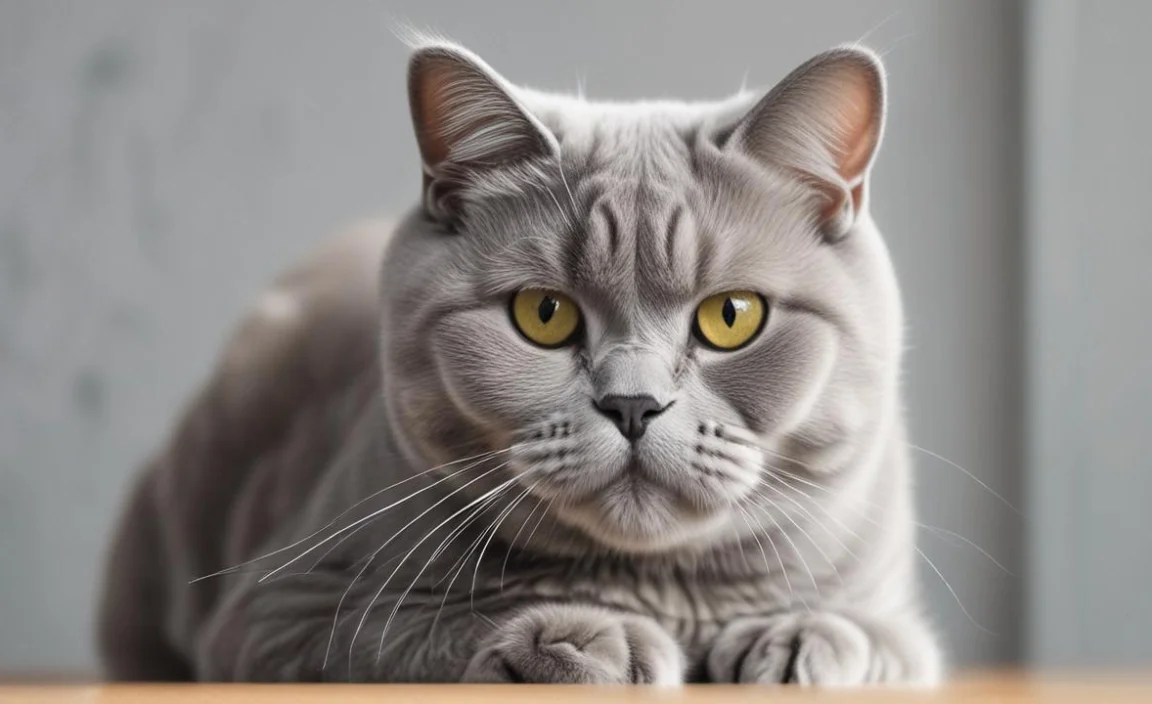
Before we dive into the nitty-gritty of grooming, it’s helpful to understand the unique characteristics of your British Shorthair’s coat. This breed boasts a dense, plush coat that stands out from the body, giving them a teddy bear-like appearance. This unique texture is due to the even length of the guard hairs and undercoat hairs.
Coat Type and Texture
The British Shorthair’s coat is often described as crisp or plush. The density of the coat means that loose hair can easily become trapped, leading to mats and tangles if not properly maintained. Regular brushing is key to preventing these issues and keeping your cat comfortable.
Seasonal Shedding
Like many cats, British Shorthairs experience seasonal shedding, typically in the spring and fall. During these times, they’ll shed more hair than usual as they adjust to the changing temperatures. Be prepared to increase your brushing frequency during these periods to keep the shedding under control. According to the RSPCA, regular grooming helps manage shedding and reduces the likelihood of hairballs.
Essential Grooming Tools for British Shorthairs

Having the right tools can make all the difference in your grooming routine. Here’s a list of essential items to have on hand:
- Slicker Brush: Ideal for removing loose hair and preventing mats. Look for one with fine, angled bristles.
- Metal Comb: Useful for detangling and smoothing the coat after brushing.
- Nail Clippers: Designed specifically for trimming cat nails. Scissor-type or guillotine clippers are both good options.
- Ear Cleaning Solution: A vet-approved solution for cleaning your cat’s ears. Avoid using cotton swabs, which can push debris further into the ear canal.
- Soft Cloth or Wipes: For cleaning around the face and paws.
- Cat Shampoo: A gentle shampoo formulated for cats, for the occasional bath.
Step-by-Step Grooming Guide
Now that you have your tools ready, let’s go through the grooming process step by step.
Step 1: Brushing
Brushing is the most important part of grooming your British Shorthair. Here’s how to do it effectively:
- Start with the Slicker Brush: Gently brush your cat’s coat in the direction of hair growth. Pay attention to areas prone to matting, such as behind the ears, under the legs, and around the tail.
- Follow with the Metal Comb: Use the comb to detangle any knots or mats that the slicker brush may have missed. Be gentle and patient, and avoid pulling on the fur.
- Brush Regularly: Aim to brush your British Shorthair 1-2 times a week, increasing to daily during shedding season.
Step 2: Nail Trimming
Regular nail trims are essential for preventing overgrown nails, which can be uncomfortable for your cat and damage your furniture. Here’s how to trim your cat’s nails safely:
- Get Your Cat Comfortable: Start by gently handling your cat’s paws to get them used to being touched.
- Extend the Nail: Gently squeeze the paw to extend the nail.
- Trim the Tip: Use the nail clippers to trim only the tip of the nail, avoiding the quick (the pink part of the nail that contains blood vessels and nerves). If you accidentally cut the quick, use a styptic pencil to stop the bleeding.
- Trim Regularly: Aim to trim your cat’s nails every 2-3 weeks.
Step 3: Ear Cleaning
Cleaning your cat’s ears can help prevent infections and keep their ears healthy. Here’s how to do it safely:
- Check the Ears: Look for signs of redness, discharge, or odor, which could indicate an infection. If you notice any of these signs, consult your veterinarian.
- Apply Ear Cleaning Solution: Gently fill the ear canal with a vet-approved ear cleaning solution.
- Massage the Base of the Ear: Massage the base of the ear for about 30 seconds to loosen any debris.
- Let Your Cat Shake: Allow your cat to shake their head to remove the solution and debris.
- Wipe Clean: Use a soft cloth or cotton ball to wipe away any remaining debris from the outer ear. Never insert cotton swabs into the ear canal.
- Clean as Needed: Clean your cat’s ears as needed, typically every 1-2 months.
Step 4: Bathing (If Necessary)
British Shorthairs are generally clean cats and don’t require frequent baths. However, if your cat gets dirty or has a skin condition, you may need to give them a bath. Here’s how to do it properly:
- Prepare the Bath: Fill a sink or tub with lukewarm water.
- Wet Your Cat: Gently wet your cat’s coat with the water, avoiding the face and ears.
- Apply Shampoo: Apply a small amount of cat shampoo and lather it into the coat.
- Rinse Thoroughly: Rinse the coat thoroughly with clean water until all the shampoo is removed.
- Dry Your Cat: Use a soft towel to dry your cat as much as possible. You can also use a hairdryer on a low, cool setting, but be careful not to overheat your cat.
- Reward Your Cat: Give your cat a treat or some praise to reward them for their cooperation.
Dealing with Common Grooming Challenges
Even with the best techniques, you might encounter some challenges while grooming your British Shorthair. Here are some tips for dealing with common issues:
Matting
If your cat develops mats, try to gently detangle them with your fingers or a metal comb. If the mats are severe, you may need to use a mat splitter or take your cat to a professional groomer. Prevention is key, so be sure to brush your cat regularly to avoid matting in the first place.
Resistance to Grooming
Some cats are naturally resistant to grooming. If your cat struggles or becomes stressed during grooming sessions, try these tips:
- Start Slow: Begin with short grooming sessions and gradually increase the duration as your cat becomes more comfortable.
- Use Positive Reinforcement: Reward your cat with treats, praise, or playtime after each grooming session.
- Be Gentle: Avoid pulling or forcing your cat, as this can create negative associations with grooming.
- Find a Comfortable Environment: Choose a quiet, comfortable location for grooming sessions.
Hairballs
British Shorthairs are prone to hairballs due to their dense coats. Regular brushing can help reduce hairballs by removing loose hair before your cat ingests it. You can also try hairball remedies, such as hairball treats or food, to help your cat pass hairballs more easily. According to Cornell Feline Health Center, frequent grooming is one of the best ways to prevent hairballs.
Grooming Schedule
Here’s a sample grooming schedule to help you stay on track:
| Grooming Task | Frequency |
|---|---|
| Brushing | 1-2 times per week (daily during shedding season) |
| Nail Trimming | Every 2-3 weeks |
| Ear Cleaning | Every 1-2 months (or as needed) |
| Bathing | Only when necessary |
Special Considerations for British Shorthair Kittens
Grooming should start early in a British Shorthair’s life. When they are kittens, introduce grooming slowly and gently. This helps them become accustomed to the routine and makes it easier as they grow older.
Early Introduction to Grooming
Start by simply touching your kitten’s paws and ears. Gradually introduce the brush and comb, using treats and praise to create a positive association. Keep the initial grooming sessions short and sweet, gradually increasing the duration as your kitten becomes more comfortable.
Gentle Handling
Kittens are more sensitive, so always handle them gently. Use soft brushes and combs, and avoid pulling on their fur. Be patient and understanding, and never force your kitten to do anything they’re not comfortable with.
The Importance of a Healthy Diet
A healthy diet plays a crucial role in maintaining your British Shorthair’s coat health. A balanced diet rich in essential nutrients can promote a shiny, healthy coat and reduce shedding. Look for cat foods that contain omega-3 and omega-6 fatty acids, which are beneficial for skin and coat health. Purina offers a range of cat foods formulated to support healthy skin and coat.
Foods to Promote Coat Health
In addition to a balanced diet, you can supplement your cat’s diet with certain foods to promote coat health:
- Fish Oil: A great source of omega-3 fatty acids, which can help reduce inflammation and promote a shiny coat.
- Coconut Oil: Can be added to your cat’s food or applied topically to moisturize the skin and coat.
- Vitamin E: An antioxidant that can help protect the skin from damage and promote healthy hair growth.
Professional Grooming Services
While you can certainly groom your British Shorthair at home, there are times when professional grooming services may be beneficial. If your cat has severe mats, is difficult to handle, or requires specialized grooming, consider taking them to a professional groomer.
Benefits of Professional Grooming
Professional groomers have the expertise and tools to handle even the most challenging grooming situations. They can safely remove mats, trim nails, clean ears, and provide other grooming services that you may not be comfortable doing at home. Additionally, they can often identify potential health issues, such as skin infections or parasites, that you may have missed.
Finding a Reputable Groomer
When choosing a professional groomer, look for someone who is experienced, knowledgeable, and gentle. Ask for recommendations from friends, family, or your veterinarian. Be sure to check online reviews and ask the groomer about their experience with British Shorthairs. A good groomer will be patient and understanding, and will prioritize your cat’s comfort and safety.
Recognizing Signs of Skin Issues
Regular grooming provides an excellent opportunity to check your British Shorthair for any signs of skin issues. Early detection and treatment can prevent minor problems from becoming serious. Here are some signs to watch out for:
- Excessive Scratching or Licking: This could indicate allergies, parasites, or skin irritation.
- Redness or Inflammation: Red, inflamed skin could be a sign of an infection or allergic reaction.
- Hair Loss: Bald patches or thinning hair could be caused by a variety of factors, including stress, poor diet, or skin disease.
- Lumps or Bumps: Any unusual lumps or bumps should be checked by a veterinarian.
- Dandruff or Dry Skin: Dry, flaky skin could be a sign of dehydration, poor diet, or skin infection.
If you notice any of these signs, consult your veterinarian for diagnosis and treatment.
FAQ About British Shorthair Grooming
How often should I brush my British Shorthair?
You should brush your British Shorthair 1-2 times a week to remove loose hair and prevent mats. During shedding season (spring and fall), increase brushing to daily.
Do British Shorthairs need baths?
British Shorthairs are generally clean cats and don’t require frequent baths. Only bathe them when necessary, such as if they get dirty or have a skin condition.
How do I trim my British Shorthair’s nails?
Gently extend the nail by squeezing the paw, and trim only the tip, avoiding the quick (the pink part of the nail). Trim every 2-3 weeks.
How do I clean my British Shorthair’s ears?
Fill the ear canal with a vet-approved ear cleaning solution, massage the base of the ear, let your cat shake, and wipe away debris with a soft cloth. Clean every 1-2 months or as needed.
What tools do I need to groom my British Shorthair?
You’ll need a slicker brush, metal comb, nail clippers, ear cleaning solution, soft cloth or wipes, and cat shampoo.
How can I prevent hairballs in my British Shorthair?
Regular brushing is the best way to prevent hairballs. You can also try hairball remedies, such as hairball treats or food.
What should I do if my British Shorthair resists grooming?
Start slow with short grooming sessions, use positive reinforcement, be gentle, and create a comfortable environment.
Conclusion
Grooming your British Shorthair doesn’t have to be a daunting task. With the right tools, techniques, and a little patience, you can keep your feline friend looking and feeling their best. Regular brushing, nail trims, and ear cleaning are essential for maintaining your cat’s health and well-being. Remember to start grooming early in life, use positive reinforcement, and be gentle. By following these tips, you can create a grooming routine that both you and your British Shorthair can enjoy. Happy grooming!


