
Affectionate Yet Low-Demand Cat Breeds: Ultimate Guide

Looking for a cuddly cat without the constant need for attention? You’re in luck! Several breeds are known for their sweet, affectionate nature but are also perfectly happy to chill out on their own. These cats offer the perfect balance of companionship and independence, making them ideal for busy owners or those who prefer a more laid-back feline friend.
Many people dream of having a cat that loves to cuddle and purr, but not everyone has the time or energy to provide constant attention. It can be frustrating to find a cat that fits your lifestyle. You want a loving companion, but you also need a cat that’s content when you’re busy or away from home. The good news is that several breeds offer the perfect balance: affectionate but not overly demanding. This guide will walk you through some of the most popular low-demand, affectionate cat breeds, helping you find the purrfect match for your home. We’ll explore their personalities, care needs, and why they make such wonderful companions.
Affectionate Yet Low-Demand Cat Breeds: Finding Your Purrfect Match

As a lifelong cat lover, I know how important it is to find a feline friend whose personality meshes with your lifestyle. Not all of us can spend hours playing with or cuddling our cats, and that’s perfectly okay! The good news is that many breeds are naturally affectionate but also enjoy their independence. Let’s explore some of the best options.
1. British Shorthair: The Gentle Teddy Bear
Of course, I have to start with my beloved British Shorthairs! These cats are known for their calm, easygoing nature and their adorable, round faces. They are affectionate but not overly demanding, making them great companions for people who work or have busy lives.
- Temperament: Calm, affectionate, and independent. They enjoy being around their owners but are also happy to entertain themselves.
- Grooming: Their short, dense coat requires weekly brushing to prevent mats and tangles.
- Health: Generally healthy, but prone to hypertrophic cardiomyopathy (HCM) and polycystic kidney disease (PKD). Regular vet checkups are essential.
- Why they’re low-demand: British Shorthairs are content with their own company and don’t require constant attention. They’re happy to nap while you work and greet you warmly when you’re ready to relax.
British Shorthairs are often described as “teddy bears” because of their round faces and plush coats. They are typically quiet cats, making them great for apartment living. They are also known for being good with children and other pets, further adding to their low-maintenance appeal. According to the RSPCA, early socialization is key to ensuring they grow into well-adjusted adults.
2. Persian: The Sweet and Docile Beauty
Persian cats are known for their luxurious long coats and sweet, gentle personalities. While they do require regular grooming, they are relatively low-energy and enjoy relaxing indoors.
- Temperament: Gentle, docile, and affectionate. They enjoy cuddling but are not overly demanding.
- Grooming: Daily brushing is essential to prevent mats and tangles. Regular baths are also recommended.
- Health: Prone to polycystic kidney disease (PKD), progressive retinal atrophy (PRA), and breathing problems due to their flat faces.
- Why they’re low-demand: Persians are happy to spend their days lounging around the house. While they enjoy attention, they don’t constantly seek it out.
Persians are often described as “furniture with fur” because of their relaxed and laid-back nature. They thrive in calm environments and prefer a predictable routine. According to the Cornell Feline Health Center, providing a stimulating indoor environment with plenty of toys can help keep them entertained and prevent boredom.
3. Ragdoll: The Gentle Giant
Ragdolls are large, beautiful cats known for their docile and affectionate nature. They get their name from their tendency to go limp when picked up, like a ragdoll. They are known to be one of the most affectionate cat breeds.
- Temperament: Gentle, affectionate, and docile. They love to cuddle and be around their owners.
- Grooming: Their long, silky coat requires regular brushing to prevent mats and tangles.
- Health: Prone to hypertrophic cardiomyopathy (HCM) and bladder stones.
- Why they’re low-demand: While Ragdolls love attention, they are not overly demanding and are content to follow you around the house or relax nearby.
Ragdolls are known for their gentle and tolerant nature, making them great family pets. They are also relatively quiet cats, making them suitable for apartment living. The International Cat Association (TICA) highlights their ability to adapt to different living situations, which makes them a good choice for many owners.
4. Russian Blue: The Quiet and Intelligent Companion
Russian Blues are known for their striking silver-blue coat and bright green eyes. They are intelligent and playful but also enjoy their independence.
- Temperament: Intelligent, playful, and affectionate. They can be shy with strangers but are very loyal to their owners.
- Grooming: Their dense coat requires weekly brushing to remove loose hair.
- Health: Generally healthy, but prone to bladder stones.
- Why they’re low-demand: Russian Blues are content to entertain themselves and don’t require constant attention. They are happy to play with toys or simply observe their surroundings.
Russian Blues are known for their quiet and reserved nature. They are often described as “dog-like” in their loyalty to their owners. Purina notes that providing them with plenty of interactive toys can help keep them mentally stimulated and prevent boredom.
5. Scottish Fold: The Adorable and Adaptable Cat
Scottish Folds are known for their distinctive folded ears, which give them an owl-like appearance. They are adaptable and affectionate, making them great companions.
- Temperament: Affectionate, playful, and adaptable. They enjoy being around their owners but are also happy to entertain themselves.
- Grooming: Their coat requires weekly brushing to prevent mats and tangles.
- Health: Prone to osteochondrodysplasia, a genetic condition that affects cartilage and bone development.
- Why they’re low-demand: Scottish Folds are relatively low-energy and are content to relax and observe their surroundings. They are happy to cuddle but don’t constantly demand attention.
Scottish Folds are known for their sweet and gentle personalities. They are also relatively quiet cats, making them suitable for apartment living. It’s important to note that due to their genetic predisposition to osteochondrodysplasia, it’s crucial to find a reputable breeder who prioritizes the health and well-being of their cats.
6. Birman: The Sacred Cat of Burma
Birmans are known for their striking blue eyes, silky coat, and white “gloves” on their paws. They are affectionate and gentle, making them wonderful companions.
- Temperament: Affectionate, gentle, and playful. They enjoy being around their owners and are known for their sweet nature.
- Grooming: Their long, silky coat requires weekly brushing to prevent mats and tangles.
- Health: Prone to hypertrophic cardiomyopathy (HCM) and feline infectious peritonitis (FIP).
- Why they’re low-demand: Birmans are relatively independent and don’t require constant attention. They are happy to follow you around the house or relax nearby.
Birmans are known for their calm and gentle nature, making them great family pets. They are also relatively quiet cats, making them suitable for apartment living. According to cat experts, Birmans are generally good with children and other pets, making them a versatile choice for many households.
7. Maine Coon: The Gentle Giant
Maine Coons are one of the largest domestic cat breeds, known for their friendly and gentle personalities. They are playful and intelligent, making them great companions.
- Temperament: Friendly, gentle, and playful. They enjoy being around their owners and are known for their dog-like personalities.
- Grooming: Their long, thick coat requires regular brushing to prevent mats and tangles.
- Health: Prone to hypertrophic cardiomyopathy (HCM) and hip dysplasia.
- Why they’re low-demand: While Maine Coons enjoy attention, they are not overly demanding and are content to follow you around the house or relax nearby. They can amuse themselves with toys and are not prone to separation anxiety.
Maine Coons are known for their intelligence and trainability. They often enjoy playing fetch and can be taught tricks. Their playful nature and gentle temperament make them excellent family pets. The Cat Fanciers’ Association (CFA) recognizes Maine Coons as adaptable and good-natured cats, suitable for various home environments.
Comparing Affectionate, Low-Demand Cat Breeds

Choosing the right cat breed depends on your lifestyle and preferences. Here’s a comparison table to help you make an informed decision:
| Breed | Temperament | Grooming Needs | Health Concerns | Why They’re Low-Demand |
|---|---|---|---|---|
| British Shorthair | Calm, affectionate, independent | Weekly brushing | HCM, PKD | Content with own company, doesn’t need constant attention |
| Persian | Gentle, docile, affectionate | Daily brushing, regular baths | PKD, PRA, breathing problems | Happy to lounge around, doesn’t constantly seek attention |
| Ragdoll | Gentle, affectionate, docile | Regular brushing | HCM, bladder stones | Loves attention but not overly demanding |
| Russian Blue | Intelligent, playful, affectionate | Weekly brushing | Bladder stones | Content to entertain themselves, doesn’t need constant attention |
| Scottish Fold | Affectionate, playful, adaptable | Weekly brushing | Osteochondrodysplasia | Relatively low-energy, happy to relax and observe |
| Birman | Affectionate, gentle, playful | Weekly brushing | HCM, FIP | Relatively independent, doesn’t require constant attention |
| Maine Coon | Friendly, gentle, playful | Regular brushing | HCM, hip dysplasia | Enjoys attention but not overly demanding, can amuse themselves |
Creating a Low-Demand Environment for Your Cat
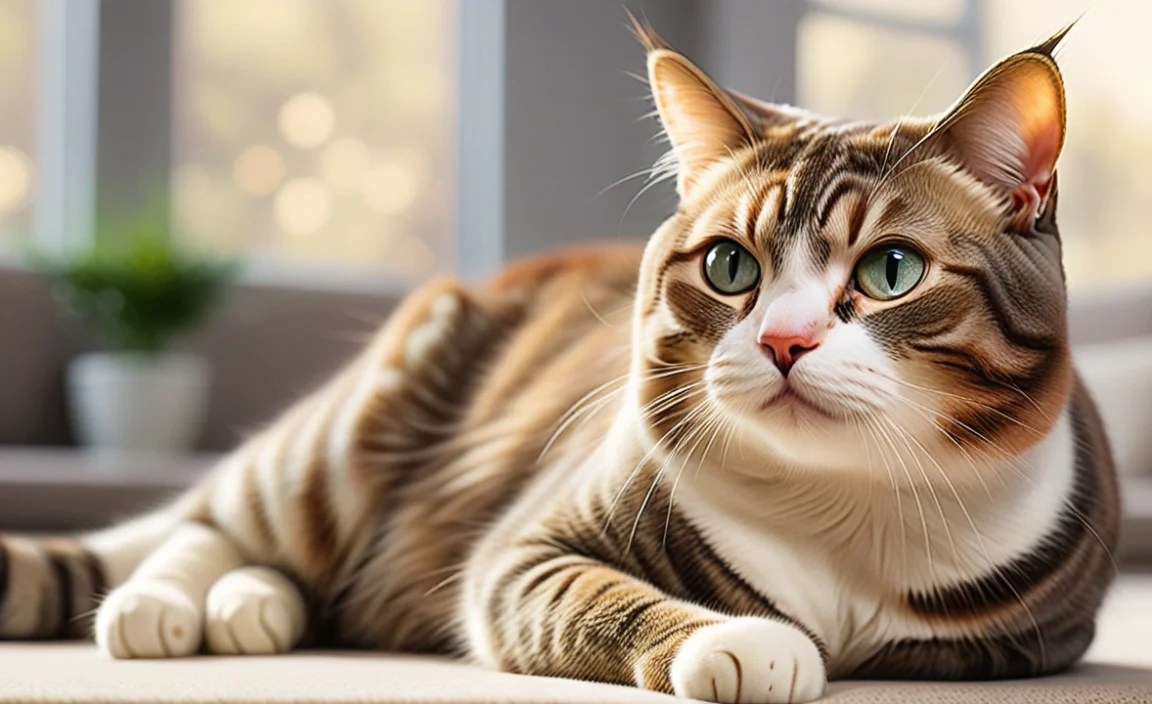
Even if you choose a low-demand breed, it’s essential to create an environment that supports their independence and well-being. Here are some tips:
- Provide plenty of toys: Rotate toys regularly to keep your cat engaged and prevent boredom.
- Create vertical space: Cats love to climb and observe their surroundings from a high vantage point. Cat trees and shelves can provide valuable vertical space.
- Offer scratching posts: Scratching is a natural behavior that helps cats maintain their claws and mark their territory. Provide multiple scratching posts in different locations.
- Ensure a comfortable resting place: Cats need a safe and comfortable place to rest and sleep. Provide a cozy bed or blanket in a quiet area.
- Maintain a consistent routine: Cats thrive on routine. Feeding, playtime, and grooming should occur at the same time each day.
By providing a stimulating and comfortable environment, you can help your cat feel secure and content, even when you’re not able to give them your full attention.
Addressing Common Concerns
It’s normal to have questions and concerns when choosing a cat breed. Here are some common issues and how to address them:
- Separation anxiety: Even low-demand cats can experience separation anxiety if they’re left alone for long periods. Provide plenty of toys and consider hiring a pet sitter or dog walker to provide companionship.
- Boredom: Boredom can lead to destructive behaviors. Ensure your cat has plenty of opportunities to play and explore.
- Health issues: Research the common health problems associated with your chosen breed and schedule regular vet checkups to catch any issues early.
- Grooming challenges: Long-haired breeds require regular grooming to prevent mats and tangles. If you’re not able to groom your cat yourself, consider hiring a professional groomer.
Addressing these concerns proactively can help ensure a happy and healthy relationship with your feline companion.
FAQ: Affectionate Yet Low-Demand Cat Breeds
Here are some frequently asked questions about affectionate yet low-demand cat breeds:
Q: What makes a cat breed “low-demand”?
A: Low-demand cat breeds are those that are affectionate and enjoy human interaction but don’t require constant attention or playtime. They are typically content to entertain themselves and are not prone to separation anxiety.
Q: Are low-demand cats less affectionate?
A: Not at all! Low-demand cats can be just as affectionate as other breeds. They simply have a more independent nature and are happy to spend time alone.
Q: Do low-demand cats need less attention?
A: While they don’t require constant attention, low-demand cats still need regular interaction, playtime, and grooming. It’s important to provide them with a stimulating environment and plenty of opportunities to bond with you.
Q: Are low-demand cats good for first-time owners?
A: Yes, low-demand cats can be a great choice for first-time owners. Their independent nature makes them relatively easy to care for, and they are often very tolerant of mistakes.
Q: How can I tell if a cat breed is right for my lifestyle?
A: Research the breed’s temperament, grooming needs, and health concerns. Consider your lifestyle and whether you can provide the necessary care and attention. Visiting a breeder or rescue organization can also help you get a better sense of the breed’s personality.
Q: Do all cats within a breed have the same personality?
A: No, individual cats within a breed can have different personalities. However, breed characteristics can provide a general idea of what to expect. Early socialization and training can also influence a cat’s personality.
Q: Are mixed-breed cats ever low-demand?
A: Yes! While breed can influence temperament, many mixed-breed cats are also low-demand. Observing a cat’s behavior in a shelter or foster home can give you insights into their personality and needs.
Conclusion: Finding the Purrfect Balance
Choosing an affectionate yet low-demand cat breed can be a wonderful way to enjoy the companionship of a feline friend without the pressure of constant attention. Whether you opt for the gentle British Shorthair, the docile Persian, or another breed on this list, remember that every cat is an individual. By providing a stimulating environment, regular care, and plenty of love, you can create a happy and fulfilling life together. So, take your time, do your research, and get ready to welcome a purrfectly balanced companion into your home.


