
Historical Background of the Boykin Spaniel: Discover the Secret

Quick Summary: The Boykin Spaniel originated in South Carolina in the early 1900s. Bred to be a versatile hunting dog, particularly for wild turkeys and ducks, “the little brown dog” quickly became a favorite among hunters. Developed from a stray spaniel named “Dumpy,” the Boykin Spaniel’s compact size and tireless energy made it ideal for hunting in boats and dense forests. Today, it remains a beloved companion and skilled sporting dog.
Have you ever wondered about the origins of the Boykin Spaniel, that energetic, medium-sized, brown dog known for its hunting skills and friendly nature? The story of this breed is deeply rooted in the South Carolina wilderness, and understanding its history can give you a greater appreciation for its unique traits. Many people are curious about how this breed came to be and what makes it so special. Let’s dive into the fascinating historical background of the Boykin Spaniel and uncover the journey of this remarkable dog.
The Accidental Beginning: A Stray’s Impact

The story of the Boykin Spaniel begins with a single dog named “Dumpy.” In the early 1900s, a stray spaniel appeared in Spartanburg, South Carolina. L. Whitaker Boykin, a local hunter, took an interest in the dog due to its natural retrieving abilities and keen hunting instincts. This chance encounter would set the stage for the development of a new breed.
Dumpy’s Early Life and Training
Dumpy was a small, brown spaniel with a knack for retrieving birds. Boykin recognized the dog’s potential and began training him. Dumpy proved to be an exceptional learner, quickly mastering the skills needed for turkey and waterfowl hunting. His compact size was also an advantage, making him suitable for hunting from small boats and navigating through dense brush. According to the Boykin Spaniel Society, Dumpy’s lineage likely included various spaniel types, which contributed to his versatile hunting abilities.
The Boykin Family’s Role
L. Whitaker Boykin was not just a hunter but also a skilled breeder. Recognizing Dumpy’s unique qualities, Boykin began to selectively breed him with other dogs to enhance specific traits. This marked the start of a deliberate effort to create a distinct breed tailored to the hunting needs of the region. The Boykin family played a crucial role in shaping the breed’s early development, carefully selecting dogs that exhibited the desired characteristics. Their dedication helped establish the foundation for the Boykin Spaniel as we know it today.
Developing the Breed: A Hunter’s Companion

After realizing Dumpy’s potential, L. Whitaker Boykin started breeding him with various breeds to refine his hunting skills and physical attributes. This intentional breeding process helped solidify the characteristics that define the Boykin Spaniel.
Breeding Practices and Influences
To enhance Dumpy’s traits, Boykin crossed him with several breeds, including the American Water Spaniel, Chesapeake Bay Retriever, Springer Spaniel, and Cocker Spaniel. Each of these breeds contributed specific qualities to the developing Boykin Spaniel line. For example, the American Water Spaniel likely added to the breed’s water retrieving abilities, while the Springer Spaniel enhanced its flushing skills. The Cocker Spaniel may have contributed to its compact size and gentle disposition. The AKC notes that the precise mix of breeds is not fully documented, but these are the most commonly cited influences.
Desired Traits for Hunting
The primary goal of breeding the Boykin Spaniel was to create a versatile hunting dog that could excel in the diverse terrains of South Carolina. Key traits that Boykin sought to enhance included:
- Water retrieving abilities: Essential for waterfowl hunting in rivers and swamps.
- Flushing skills: The ability to flush out game birds from dense cover.
- Trainability: A dog that could quickly learn and respond to commands.
- Compact size: Ideal for hunting from small boats and navigating thick underbrush.
- Stamina: The ability to work tirelessly throughout a long day of hunting.
Early Recognition and Popularity
As the Boykin Spaniel’s reputation grew, so did its popularity among hunters in South Carolina. The breed’s versatility and eagerness to please made it an indispensable companion in the field. Hunters appreciated the Boykin Spaniel’s ability to handle various types of game, from wild turkeys to ducks. The breed’s compact size and tireless energy were particularly valued in the challenging terrains of the region. The Boykin Spaniel quickly became known as “the little brown dog” and gained a devoted following among local sportsmen.
Official Recognition and Breed Standards

As the Boykin Spaniel gained popularity, efforts were made to standardize the breed and seek official recognition. This process involved establishing breed standards and forming organizations dedicated to preserving the breed’s unique characteristics.
Establishing Breed Standards
In the mid-20th century, breeders began to formalize the breed standards for the Boykin Spaniel. These standards outlined the desired physical and temperamental traits that defined the breed. Key aspects of the breed standard included:
- Size: Typically 14 to 18 inches in height and 25 to 40 pounds in weight.
- coat: A medium-length, wavy coat that is liver or chocolate in color.
- Temperament: Known for being friendly, eager to please, and intelligent.
- Conformation: A well-proportioned body with a sturdy build.
The Boykin Spaniel Society plays a crucial role in maintaining and promoting these standards.
The Boykin Spaniel Society
The Boykin Spaniel Society (BSS) was founded in 1977 to preserve, protect, and promote the Boykin Spaniel breed. The BSS serves as the official breed club and maintains the breed registry. It also provides resources and support for Boykin Spaniel owners and breeders. The BSS has been instrumental in advocating for the breed’s recognition by major kennel clubs.
AKC Recognition
After years of dedicated effort, the Boykin Spaniel received full recognition from the American Kennel Club (AKC) in 2009. This recognition marked a significant milestone for the breed, solidifying its place among the recognized sporting breeds. AKC recognition has helped to increase the breed’s visibility and popularity on a national level. It also allows Boykin Spaniels to compete in AKC events and further promotes responsible breeding practices. According to the AKC, the Boykin Spaniel is known for its versatility and friendly nature, making it an excellent family companion and skilled hunting dog.
The Boykin Spaniel Today
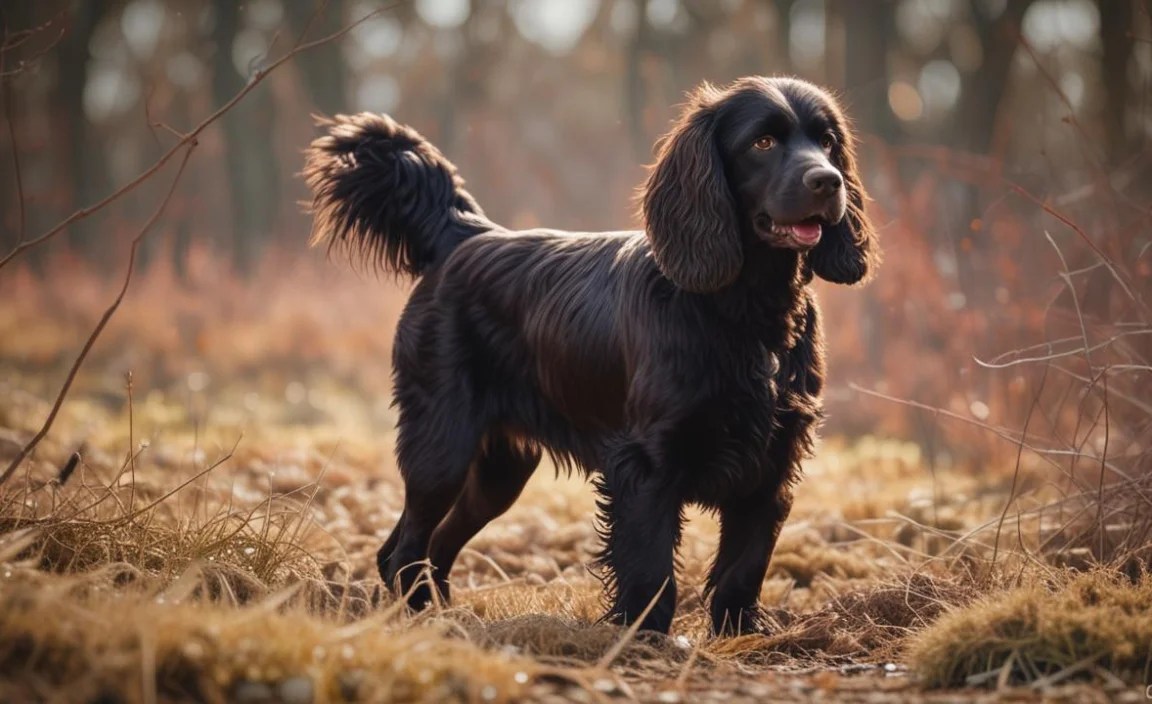
Today, the Boykin Spaniel continues to be a popular breed, cherished for its hunting abilities, friendly disposition, and loyalty. While it remains a favorite among hunters, it has also gained recognition as a loving family pet.
Popularity as a Family Pet
While originally bred for hunting, the Boykin Spaniel has proven to be an excellent family pet. Its friendly and outgoing nature makes it a great companion for children and adults alike. Boykin Spaniels are known for being affectionate and eager to please, making them relatively easy to train. They also have a moderate energy level, requiring regular exercise but not as demanding as some other sporting breeds. Many families appreciate the Boykin Spaniel’s versatility, enjoying its companionship both at home and in outdoor activities.
Continued Role as a Hunting Dog
Despite its growing popularity as a family pet, the Boykin Spaniel remains a skilled and dedicated hunting dog. Hunters continue to value the breed’s versatility, stamina, and eagerness to work. Boykin Spaniels excel in various types of hunting, including waterfowl, upland game, and turkey hunting. Their compact size and agility make them well-suited for navigating dense cover and retrieving game from water. The Boykin Spaniel’s hunting instincts are deeply ingrained, and many owners enjoy participating in field trials and hunting tests to showcase their dog’s abilities.
Breed-Specific Health Considerations
Like all breeds, the Boykin Spaniel is prone to certain health issues. Responsible breeders conduct health screenings to minimize the risk of these conditions. Common health concerns in Boykin Spaniels include:
- Hip dysplasia: A condition where the hip joint does not develop properly.
- Eye disorders: Such as progressive retinal atrophy (PRA) and cataracts.
- Heart conditions: Including pulmonic stenosis.
- Exercise-induced collapse (EIC): A genetic condition that can cause muscle weakness and collapse after intense exercise.
Prospective owners should seek out breeders who perform health testing on their breeding dogs and can provide documentation of these tests. Regular veterinary check-ups and proper care can help ensure that Boykin Spaniels live long and healthy lives.
| Health Condition | Description | Prevention/Management |
|---|---|---|
| Hip Dysplasia | Improper development of the hip joint | Responsible breeding, maintaining a healthy weight, and regular exercise |
| Eye Disorders (PRA, Cataracts) | Progressive retinal atrophy and clouding of the lens | Genetic testing, regular eye exams |
| Heart Conditions (Pulmonic Stenosis) | Narrowing of the pulmonic valve, restricting blood flow | Cardiac screening, medication |
| Exercise-Induced Collapse (EIC) | Muscle weakness and collapse after intense exercise | Genetic testing, avoiding overexertion |
Caring for a Boykin Spaniel
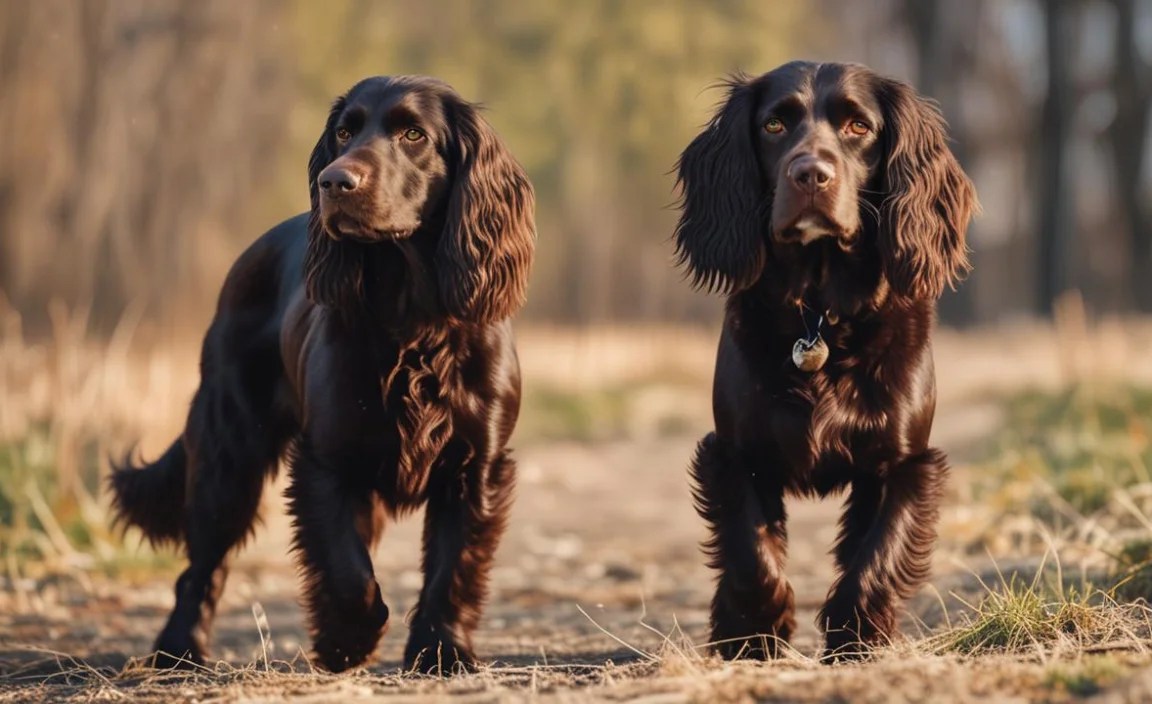
Owning a Boykin Spaniel can be a rewarding experience. Understanding their specific needs and providing proper care is essential for their well-being.
Exercise Requirements
Boykin Spaniels are energetic dogs that require regular exercise to stay happy and healthy. Daily walks, runs, or play sessions are important to burn off excess energy and prevent boredom. They also enjoy activities such as swimming, retrieving, and participating in dog sports like agility and obedience. Providing a variety of activities can help keep them mentally stimulated and physically fit. Aim for at least one to two hours of exercise per day to meet their needs. The VCA Animal Hospital emphasizes the importance of regular exercise for maintaining a healthy weight and preventing behavioral problems.
Grooming Needs
The Boykin Spaniel’s medium-length, wavy coat requires regular grooming to prevent mats and tangles. Brushing several times a week can help remove loose hair and keep the coat looking its best. They also need occasional bathing, especially if they spend a lot of time outdoors. Additionally, it’s important to trim their nails regularly and clean their ears to prevent infections. The American Kennel Club recommends checking their ears weekly and cleaning them as needed to prevent moisture buildup.
Training and Socialization
Boykin Spaniels are intelligent and eager to please, making them relatively easy to train. Early socialization is crucial to ensure they develop into well-adjusted adults. Exposing them to a variety of people, places, and situations from a young age can help prevent fearfulness or aggression. Positive reinforcement training methods, such as rewarding good behavior with treats and praise, work well with this breed. Consistent training and socialization can help them become well-behaved companions both at home and in public.
FAQ About the Boykin Spaniel
What is the origin of the Boykin Spaniel?
The Boykin Spaniel originated in South Carolina in the early 1900s. It was developed from a stray spaniel named “Dumpy” and bred to be a versatile hunting dog.
What breeds contributed to the development of the Boykin Spaniel?
The Boykin Spaniel is believed to have been developed from a mix of breeds, including the American Water Spaniel, Chesapeake Bay Retriever, Springer Spaniel, and Cocker Spaniel.
What is the Boykin Spaniel known for?
The Boykin Spaniel is known for its versatility as a hunting dog, its friendly and eager-to-please temperament, and its compact size, which makes it suitable for hunting in small boats and dense cover.
When did the Boykin Spaniel receive AKC recognition?
The Boykin Spaniel received full recognition from the American Kennel Club (AKC) in 2009.
What are some common health issues in Boykin Spaniels?
Common health issues in Boykin Spaniels include hip dysplasia, eye disorders (such as PRA and cataracts), heart conditions, and exercise-induced collapse (EIC).
How much exercise does a Boykin Spaniel need?
Boykin Spaniels are energetic dogs that require at least one to two hours of exercise per day, including walks, runs, and play sessions.
What are the grooming needs of a Boykin Spaniel?
Boykin Spaniels require regular grooming, including brushing several times a week to prevent mats and tangles, occasional bathing, and regular nail trimming and ear cleaning.
Conclusion
The historical background of the Boykin Spaniel is a testament to the vision and dedication of early breeders who sought to create a versatile and capable hunting dog. From its humble beginnings with a stray spaniel named Dumpy, the Boykin Spaniel has evolved into a beloved breed cherished for its hunting abilities, friendly disposition, and loyalty. Whether you’re a hunter seeking a skilled companion in the field or a family looking for an affectionate and energetic pet, the Boykin Spaniel has much to offer. Understanding its history and unique characteristics can help you appreciate this remarkable breed even more.


