
Evolution of the Italian Greyhound: Ultimate Guide

The Italian Greyhound’s evolution showcases a transition from larger hunting dogs to elegant companions. Bred for coursing small game, they were later refined for aristocracy, prized for their grace and speed. This breed’s history reflects selective breeding towards a smaller size and gentle temperament, solidifying their role as beloved lapdogs.
Have you ever wondered how the sleek and elegant Italian Greyhound came to be? These small dogs, often seen gracing the laps of royalty, have a rich history that spans centuries. From their possible origins as larger hunting dogs to their refined status as beloved companions, the evolution of the Italian Greyhound is a fascinating journey. Many people are curious about how these delicate dogs developed their unique traits.
In this article, we’ll explore the complete evolution of the Italian Greyhound, from their ancient ancestors to the modern breed we know and love today. We’ll uncover the key milestones and breeding practices that shaped their size, temperament, and purpose. Get ready to discover the captivating story of this charming breed!
What You’ll Learn

- The ancient origins of the Italian Greyhound and their potential ancestors.
- How they transitioned from hunting dogs to aristocratic companions.
- The key breeding practices that shaped their size and temperament.
- The Italian Greyhound’s role in art and history.
- Common health issues and how to care for this delicate breed.
Ancient Origins

The story of the Italian Greyhound begins long ago, with potential roots tracing back to ancient civilizations. While their exact origins are debated, evidence suggests that small, Greyhound-like dogs existed in the Mediterranean region thousands of years ago.
Possible Ancestors
Several theories exist regarding the Italian Greyhound’s ancestors. Some believe they descended from the larger Greyhounds of ancient Egypt, while others propose a connection to smaller, faster dogs used for hunting small game. These early dogs were likely selectively bred for their speed, agility, and keen eyesight, making them valuable assets for hunters.
- Ancient Egypt: Depictions of small, Greyhound-like dogs have been found in ancient Egyptian artifacts, suggesting a possible link to the breed’s origins.
- Mediterranean Region: Evidence indicates that small, fast dogs were present in the Mediterranean region as early as 6,000 years ago.
- Selective Breeding: Early breeders likely focused on traits such as speed, agility, and hunting ability.
Early Roles
In their early history, Italian Greyhounds were primarily used for hunting small game, such as rabbits and hares. Their small size and incredible speed allowed them to excel in this role. As they became more popular, they also found their way into the homes of wealthy individuals, where they were valued as companions and status symbols.
- Hunting Small Game: Their speed and agility made them ideal for hunting rabbits and hares.
- Companions: They were prized as companions by wealthy individuals.
- Status Symbols: Owning an Italian Greyhound was a sign of wealth and status.
Transition to Aristocratic Companions

Over time, the Italian Greyhound transitioned from a hunting dog to a cherished companion, particularly among the aristocracy. This shift in role led to further refinement of the breed’s characteristics.
Popularity Among Royalty
During the Renaissance, Italian Greyhounds became incredibly popular among European royalty. Queens, kings, and nobles were captivated by their elegant appearance and gentle nature. This association with royalty solidified their status as a luxury breed.
- Renaissance Period: The breed gained significant popularity among European royalty.
- Royal Affection: Queens, kings, and nobles were enchanted by their elegance and gentle nature.
- Luxury Breed: Their association with royalty cemented their status as a luxury breed.
Refinement of Breed Traits
As Italian Greyhounds became primarily companions, breeders began to focus on refining their physical and temperamental traits. They selectively bred for smaller size, more delicate features, and a gentle, affectionate temperament. This resulted in the elegant and refined breed we know today.
- Smaller Size: Breeders aimed for a more petite and delicate appearance.
- Delicate Features: Selective breeding focused on refining their physical traits.
- Gentle Temperament: Breeders prioritized a gentle and affectionate nature.
The following table shows the difference between the original and modern Italian Greyhound traits:
| Trait | Original Italian Greyhound | Modern Italian Greyhound |
|---|---|---|
| Size | Slightly larger | Smaller and more delicate |
| Purpose | Hunting small game and companionship | Primarily companionship |
| Temperament | More robust and energetic | Gentler and more affectionate |
| Appearance | More muscular build | More refined and slender |
Key Breeding Practices
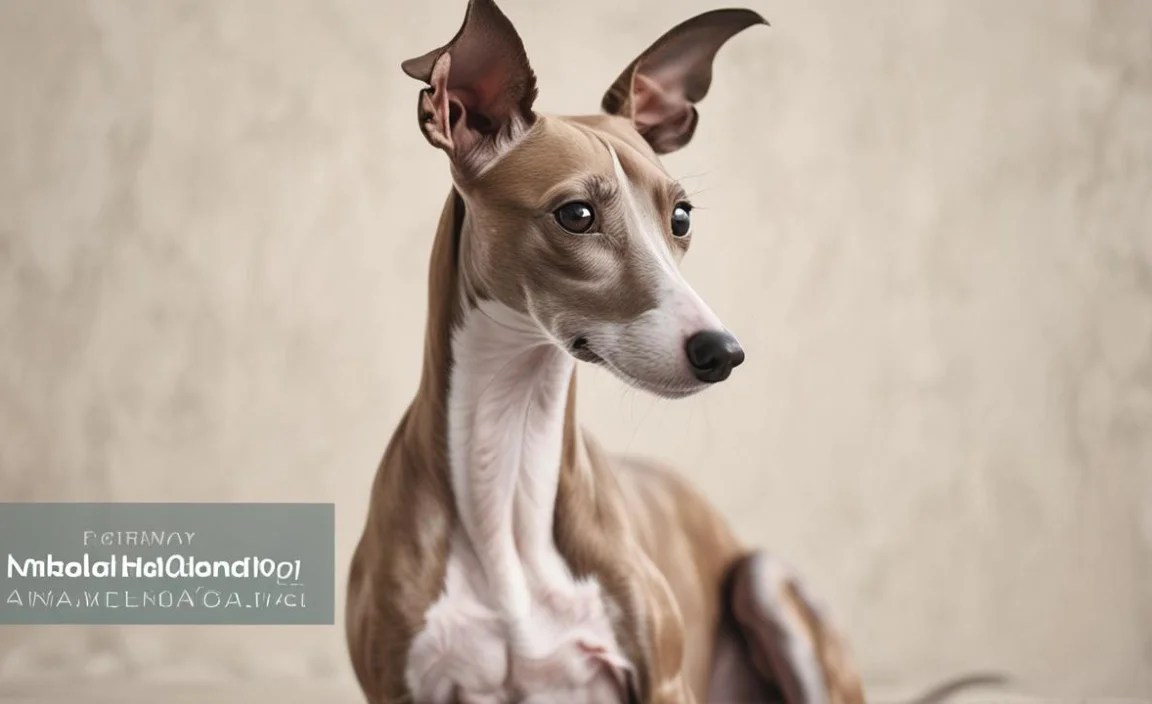
The evolution of the Italian Greyhound was heavily influenced by specific breeding practices aimed at refining their size, temperament, and overall appearance.
Selective Breeding for Size
One of the primary goals of breeders was to reduce the size of the Italian Greyhound. They selectively bred the smallest individuals, gradually decreasing the average size of the breed over generations. This resulted in the petite and delicate dogs that became so popular among royalty.
- Smallest Individuals: Breeders consistently chose the smallest dogs for breeding.
- Gradual Reduction: The size decreased gradually over many generations.
- Petite Appearance: This resulted in the breed’s signature small size.
Focus on Temperament
In addition to size, breeders also focused on temperament. They selected dogs with gentle, affectionate, and playful personalities. This ensured that Italian Greyhounds were not only beautiful but also wonderful companions.
- Gentle Personalities: Dogs with kind and gentle natures were preferred.
- Affectionate Nature: Breeders prioritized affectionate and loving dogs.
- Playful Disposition: A playful and friendly temperament was highly valued.
Maintaining Health and Conformation
While focusing on size and temperament, breeders also paid close attention to the overall health and conformation of the breed. They aimed to produce dogs that were not only beautiful but also healthy and structurally sound. This involved careful selection and management of breeding pairs.
- Overall Health: Breeders focused on producing healthy dogs.
- Structural Soundness: Maintaining proper conformation was crucial.
- Careful Selection: Breeding pairs were chosen with great care.
Italian Greyhound in Art and History

The Italian Greyhound’s popularity throughout history is reflected in numerous works of art and historical accounts. Their presence in these contexts provides valuable insights into their role and significance.
Depictions in Art
Italian Greyhounds have been featured in countless paintings, sculptures, and other works of art. These depictions often portray them as symbols of elegance, wealth, and refinement. Artists such as Jan van Eyck and Vittore Carpaccio included Italian Greyhounds in their paintings, showcasing their popularity among the elite.
- Symbols of Elegance: They were often depicted as symbols of grace and sophistication.
- Wealth and Refinement: Their presence in art signified wealth and status.
- Notable Artists: Artists like Jan van Eyck and Vittore Carpaccio featured them in their works.
Historical Significance
Throughout history, Italian Greyhounds have been associated with influential figures and significant events. They were beloved by royalty, such as Queen Victoria and Catherine the Great, and often accompanied their owners on important journeys and social occasions. Their presence in historical accounts highlights their enduring appeal and cultural significance.
- Royal Companions: They were favored by royalty, including Queen Victoria and Catherine the Great.
- Important Journeys: They often accompanied their owners on travels and social events.
- Cultural Significance: Their presence in history underscores their lasting appeal.
Modern Italian Greyhound
Today, the Italian Greyhound remains a popular breed, cherished for their affectionate nature, elegant appearance, and relatively low exercise requirements.
Breed Standards
Modern breed standards emphasize a small, slender build, a graceful gait, and a gentle temperament. According to the American Kennel Club (AKC), the ideal Italian Greyhound should be between 13 to 15 inches tall and weigh between 7 to 14 pounds. They should have a smooth, short coat that comes in a variety of colors, including black, fawn, and blue. The AKC provides detailed guidelines to ensure breed integrity and promote responsible breeding practices.
- Size: Typically 13 to 15 inches tall.
- Weight: Usually between 7 to 14 pounds.
- Coat: Smooth, short coat in various colors.
Temperament and Personality
Italian Greyhounds are known for their affectionate and gentle nature. They form strong bonds with their families and thrive on companionship. They are also intelligent and eager to please, making them relatively easy to train. However, they can be sensitive and may require gentle handling and positive reinforcement techniques. Understanding their unique personality traits is essential for providing them with a loving and supportive environment.
- Affectionate: They are loving and devoted to their families.
- Gentle: Known for their kind and gentle nature.
- Intelligent: They are smart and eager to learn.
Care Requirements
While Italian Greyhounds are relatively low-maintenance in terms of exercise, they do require specific care to thrive. Their short coat makes them sensitive to cold weather, so they need warm clothing during the winter months. They also have delicate bones and are prone to injuries, so it’s important to supervise them during playtime and prevent them from jumping from high places. Regular veterinary check-ups, a balanced diet, and plenty of love and attention are essential for keeping them happy and healthy.
- Warm Clothing: Needed during cold weather due to their short coat.
- Supervision: Requires supervision during playtime to prevent injuries.
- Veterinary Care: Regular check-ups are crucial for their health.
Common Health Issues
Like all breeds, Italian Greyhounds are prone to certain health issues. Being aware of these potential problems can help you provide the best possible care for your dog.
Leg Fractures
Italian Greyhounds are known for their delicate bones, which makes them susceptible to leg fractures. Even minor falls or jumps can result in broken legs. To prevent these injuries, it’s important to supervise them carefully and provide a safe environment.
- Delicate Bones: Their bones are easily fractured.
- Supervision: Careful supervision is necessary to prevent falls and jumps.
- Safe Environment: Providing a safe and secure environment is crucial.
Progressive Retinal Atrophy (PRA)
Progressive Retinal Atrophy (PRA) is a genetic eye disease that can lead to blindness. It’s important to have your Italian Greyhound’s eyes checked regularly by a veterinary ophthalmologist to detect any signs of the disease early on. Genetic testing can also help identify carriers of the PRA gene.
- Genetic Disease: PRA is a hereditary eye condition.
- Regular Check-ups: Routine eye exams are essential for early detection.
- Genetic Testing: Can help identify carriers of the gene.
Hypothyroidism
Hypothyroidism is a condition in which the thyroid gland doesn’t produce enough thyroid hormone. This can lead to a variety of symptoms, including weight gain, lethargy, and skin problems. Treatment typically involves lifelong thyroid hormone replacement therapy.
- Hormone Deficiency: Hypothyroidism results from insufficient thyroid hormone production.
- Symptoms: Can cause weight gain, lethargy, and skin issues.
- Treatment: Usually involves hormone replacement therapy.
The following table summarizes the common health issues for Italian Greyhounds:
| Health Issue | Description | Prevention/Management |
|---|---|---|
| Leg Fractures | Broken legs due to delicate bones | Supervise playtime, provide a safe environment |
| Progressive Retinal Atrophy (PRA) | Genetic eye disease leading to blindness | Regular eye exams, genetic testing |
| Hypothyroidism | Underactive thyroid gland | Thyroid hormone replacement therapy |
Tips for Caring for an Italian Greyhound
Providing proper care for an Italian Greyhound involves attention to their specific needs, including diet, exercise, and mental stimulation.
Diet and Nutrition
A balanced and nutritious diet is essential for maintaining your Italian Greyhound’s health and well-being. Choose a high-quality dog food that is appropriate for their age and activity level. Avoid overfeeding, as they are prone to weight gain. Consult with your veterinarian to determine the best diet for your dog.
- High-Quality Food: Select a premium dog food.
- Age-Appropriate: Ensure the food is suitable for their life stage.
- Avoid Overfeeding: Prevent weight gain by controlling portions.
Exercise and Mental Stimulation
While Italian Greyhounds are not high-energy dogs, they still need regular exercise to stay healthy and happy. Daily walks, playtime in a fenced yard, and interactive games can help keep them physically and mentally stimulated. Provide them with plenty of toys and opportunities to engage their minds.
- Daily Walks: Regular walks are important.
- Playtime: Engage them in interactive games.
- Mental Stimulation: Provide toys and activities to keep them mentally engaged.
Grooming
Italian Greyhounds have a short, smooth coat that requires minimal grooming. Regular brushing with a soft-bristled brush can help remove loose hair and keep their coat looking healthy. They also need regular nail trims and dental care to maintain their overall health.
- Brushing: Regular brushing with a soft brush is sufficient.
- Nail Trims: Keep their nails trimmed.
- Dental Care: Maintain good dental hygiene.
FAQ About the Evolution of the Italian Greyhound
Here are some frequently asked questions about the evolution of the Italian Greyhound:
What were Italian Greyhounds originally bred for?
Originally, Italian Greyhounds were bred for hunting small game, such as rabbits and hares. Their speed and agility made them well-suited for this purpose.
How did Italian Greyhounds become popular among royalty?
During the Renaissance, Italian Greyhounds gained popularity among European royalty due to their elegant appearance and gentle nature. They became cherished companions and symbols of wealth and status.
What are some key traits that breeders focused on refining?
Breeders focused on refining traits such as smaller size, more delicate features, and a gentle, affectionate temperament. These efforts transformed them from hunting dogs to refined companions.
What health issues are Italian Greyhounds prone to?
Italian Greyhounds are prone to health issues such as leg fractures, Progressive Retinal Atrophy (PRA), and hypothyroidism. Regular veterinary check-ups and preventive care can help manage these conditions.
How much exercise do Italian Greyhounds need?
Italian Greyhounds need regular exercise to stay healthy and happy. Daily walks, playtime in a fenced yard, and interactive games can provide sufficient physical and mental stimulation.
Are Italian Greyhounds easy to train?
Yes, Italian Greyhounds are intelligent and eager to please, making them relatively easy to train. However, they can be sensitive, so gentle handling and positive reinforcement techniques are recommended.
What kind of grooming do Italian Greyhounds require?
Italian Greyhounds have a short, smooth coat that requires minimal grooming. Regular brushing with a soft-bristled brush can help remove loose hair and keep their coat looking healthy.
Conclusion
The evolution of the Italian Greyhound is a testament to the power of selective breeding and the enduring appeal of these elegant dogs. From their ancient origins as hunters to their refined status as aristocratic companions, they have captured the hearts of people throughout history. Today, they continue to be cherished for their affectionate nature, graceful appearance, and relatively low-maintenance care requirements. Understanding their history and specific needs will help you provide the best possible life for your Italian Greyhound, ensuring they thrive as a beloved member of your family. As you welcome an Italian Greyhound into your home, remember the rich history and careful breeding that has shaped this wonderful breed.


