
Cat Breeds That Enjoy High-Protein Diets: The Ultimate List

Do you know what makes cats purr with joy? It might be a tasty, high-protein meal! Just like us, cats need the right foods to stay healthy. Some cat breeds that enjoy high-protein diets more than others.
Why is protein so important for cats? Which cats need the most protein? Let’s learn about the cat breeds that enjoy high-protein diets. We will discover their favorite foods and why they need them. Get ready for some fun facts about our feline friends!
Key Takeaways
- Certain cat breeds that enjoy high-protein diets thrive on meat-rich foods for optimal health.
- Protein is essential for muscle development, energy, and overall vitality in active cat breeds.
- Breeds like Bengals, Siberians, and Maine Coons often benefit from higher protein intake.
- Raw food diets and high-quality wet food are good options for these protein-loving cats.
- Always talk to your vet before changing your cat’s diet to ensure it’s right for them.
Understanding Cat Breeds That Enjoy High-Protein Diets

Cats are natural carnivores. This means they need meat to survive. Protein is the most important part of their diet. It helps them build strong muscles and stay energetic. Some cat breeds that enjoy high-protein diets more than others. These breeds often have higher energy levels or bigger bodies. They need more protein to keep up with their active lifestyles. Think of it like this: a race car needs high-octane fuel. Similarly, these cats need high-protein food. It keeps them running smoothly. Giving them the right diet will help them live long and happy lives.
- Cats need protein for strong muscles.
- Protein gives cats energy to play.
- Some breeds need more protein than others.
- High-protein diets help cats stay healthy.
- Talk to a vet about the best food for your cat.
Choosing the right food for your cat is very important. Look for cat foods that list meat as the first ingredient. Chicken, turkey, and fish are good sources of protein. Avoid foods that are full of fillers like corn or wheat. These don’t give your cat the nutrients they need. Reading the labels carefully can help you make the best choice. Remember, a happy cat is a healthy cat. Providing a high-protein diet is a great way to ensure your cat stays happy and healthy. You’ll see the difference in their energy and overall well-being.
Why Protein is Crucial for Cats

Have you ever wondered why cats seem to sleep so much? It’s because they use a lot of energy when they are awake! Protein helps them recharge. It’s like giving them a full tank of gas. Protein helps cats build and repair their muscles. It also supports their immune system. This helps them fight off sickness. Without enough protein, cats can become weak and tired. They might even get sick more often. So, a high-protein diet is not just a good idea, it’s a necessity for their health and happiness.
How to Identify High-Protein Cat Food

Imagine you are a detective looking for clues. The clues are on the cat food label! Look for words like “chicken,” “turkey,” or “fish” listed first. This means the food is mostly made of meat. Check the protein percentage. A good high-protein cat food should have at least 30% protein. Avoid foods with lots of grains or fillers. These don’t provide much protein. Reading the ingredient list is like solving a puzzle. It helps you choose the best food for your furry friend. Remember, you’re looking for meat, meat, and more meat!
The Impact of Low Protein on Cats

Imagine a plant that doesn’t get enough sunlight. It becomes weak and droopy. A cat without enough protein is similar. They can lose muscle mass and become tired. Their fur might look dull, and they might get sick more easily. Protein is like the building blocks of their body. Without it, they can’t build and repair properly. A low-protein diet can lead to serious health problems. So, make sure your cat gets enough protein. It will keep them strong, healthy, and full of energy. A happy cat is a well-fed cat!
Fun Fact or Stat: Cats need about twice as much protein as dogs!
Top Cat Breeds That Thrive on Protein-Rich Foods

Some cat breeds that enjoy high-protein diets and need more protein than others. These breeds are often very active and muscular. Think of the Bengal, with its wildcat look and endless energy. Or the Siberian, a strong and sturdy breed from Russia. Maine Coons, the gentle giants of the cat world, also benefit from a high-protein diet. These breeds use a lot of energy playing and exploring. They need extra protein to keep their muscles strong and their bodies healthy. So, if you have one of these breeds, make sure they get enough protein.
- Bengal cats are very active and need lots of protein.
- Siberian cats are strong and benefit from a high-protein diet.
- Maine Coons are large and need protein for muscle growth.
- These breeds are often more energetic than others.
- Protein helps them stay healthy and strong.
- Consider a raw food diet for these breeds.
Choosing the right food for these breeds can make a big difference. Look for foods that are specifically made for active cats. These foods usually have a higher protein content. You can also consider a raw food diet. This is a diet that includes raw meat, bones, and organs. It can be a great way to give your cat a lot of protein. However, it is important to talk to your vet before switching to a raw food diet. They can help you make sure it is safe and healthy for your cat. Providing the right food will help your cat thrive.
Bengal Cats and Their Protein Needs

Imagine a tiny leopard zooming around your house. That’s a Bengal cat! These cats are known for their energy and playful nature. They need a lot of protein to fuel their active lifestyle. Do you know why Bengals need so much protein? It’s because they are very muscular and always on the go. A high-protein diet helps them maintain their muscle mass and stay energetic. Think of protein as their fuel. It keeps them running and playing all day long. So, if you have a Bengal, make sure they get enough protein to keep them happy and healthy.
Siberian Cats and Their Dietary Requirements

Picture a fluffy, strong cat braving the cold Russian winters. That’s a Siberian cat! These cats are built to withstand harsh conditions. They need a diet that supports their strength and endurance. Why is protein so important for Siberians? It helps them maintain their thick fur and strong muscles. A high-protein diet provides the energy they need to stay warm and active. Think of protein as their winter coat. It protects them from the cold and keeps them healthy. So, make sure your Siberian gets plenty of protein to thrive.
Maine Coons: Protein for Gentle Giants

Imagine a giant, fluffy cat with a sweet personality. That’s a Maine Coon! These gentle giants are one of the largest cat breeds. They need a lot of protein to support their size and muscle mass. Do you know why Maine Coons need so much protein? It helps them grow big and strong. A high-protein diet ensures they have the energy to play and explore. Think of protein as their building blocks. It helps them grow into healthy, happy cats. So, make sure your Maine Coon gets enough protein to reach their full potential.
Fun Fact or Stat: Maine Coons can weigh up to 25 pounds!
Benefits of High-Protein Diets for Active Cat Breeds

High-protein diets offer many benefits for active cat breeds that enjoy high-protein diets. Protein helps build and repair muscles. It also provides energy for playing and exploring. A high-protein diet can also improve a cat’s coat. It makes their fur shiny and healthy. Active breeds like Bengals and Siberians need extra protein to keep up with their energy levels. Think of protein as fuel for a car. The better the fuel, the better the performance. A high-protein diet can help your cat stay strong, healthy, and happy.
- Protein builds and repairs muscles.
- It provides energy for active cats.
- High-protein diets improve coat health.
- Active breeds need more protein than others.
- Protein helps cats stay strong and healthy.
- It supports their overall well-being.
When choosing a high-protein diet, look for high-quality ingredients. Avoid foods with a lot of fillers or artificial additives. Meat should be the first ingredient listed. You can also consider adding some extra protein to your cat’s diet. Cooked chicken or fish can be a healthy treat. Always talk to your vet before making any changes to your cat’s diet. They can help you choose the best food for your cat’s specific needs. A well-balanced, high-protein diet can make a big difference in your cat’s health and happiness.
Muscle Development and Maintenance
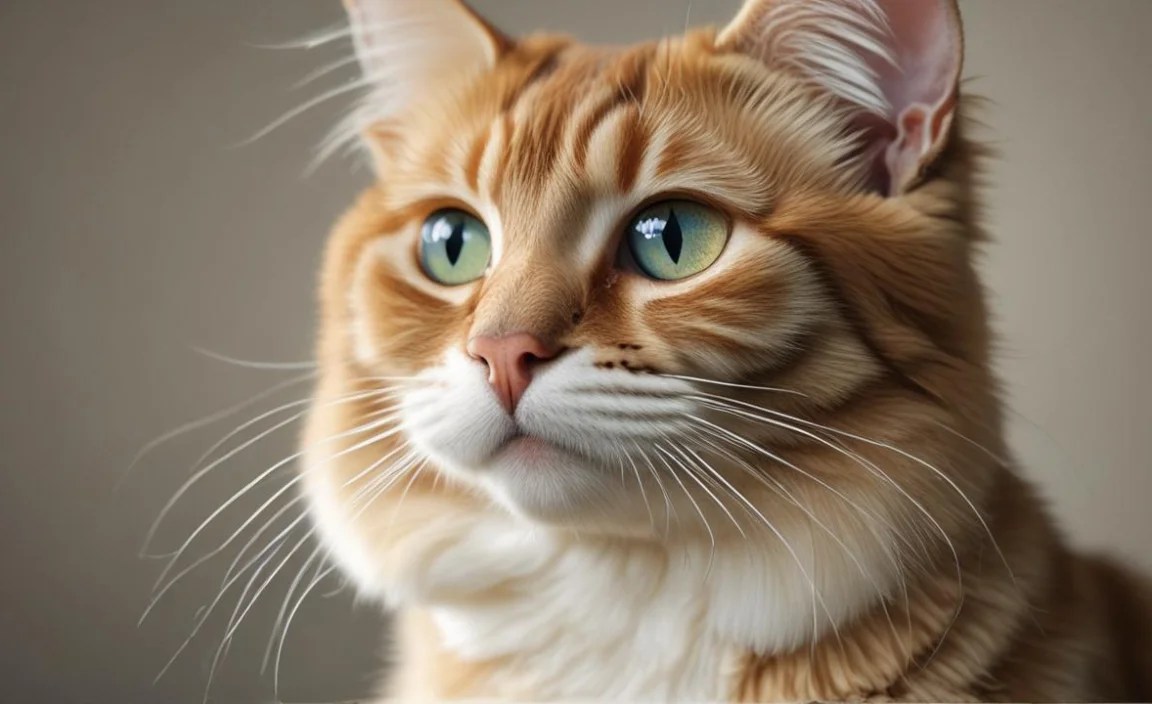
Imagine a bodybuilder lifting weights. They need protein to build and maintain their muscles. Cats are similar. Protein helps them build strong muscles for playing and hunting. Why is muscle development so important for cats? Strong muscles allow them to jump, climb, and run. A high-protein diet ensures they have the building blocks they need. Think of protein as their workout supplement. It helps them stay in top shape. So, make sure your cat gets enough protein to keep their muscles strong and healthy.
Energy Levels and Activity

Picture a race car zooming around the track. It needs fuel to keep going. Cats need protein for energy. Protein helps them stay active and playful. Do you know why cats need so much energy? They love to explore, hunt, and play. A high-protein diet provides the fuel they need to stay energetic. Think of protein as their energy drink. It keeps them going all day long. So, make sure your cat gets enough protein to support their active lifestyle.
Coat Health and Appearance

Imagine a beautiful, shiny coat of fur. That’s what a high-protein diet can do for your cat! Protein helps keep their fur healthy and glossy. Why is coat health so important? A healthy coat protects their skin and keeps them warm. A high-protein diet provides the nutrients they need for a beautiful coat. Think of protein as their shampoo and conditioner. It keeps their fur looking its best. So, make sure your cat gets enough protein to maintain a healthy and shiny coat.
Fun Fact or Stat: A cat’s coat can tell you a lot about their health!
How to Choose the Right High-Protein Food for Your Cat

Choosing the right high-protein food for your cat can be tricky. There are so many options available! Start by reading the labels carefully. Look for foods that list meat as the first ingredient. Check the protein percentage. A good high-protein cat food should have at least 30% protein. Avoid foods with a lot of fillers or artificial additives. Consider your cat’s age, activity level, and health needs. A kitten needs different food than an older cat. Talk to your vet for advice. They can help you choose the best food for your furry friend.
- Read the labels carefully.
- Look for meat as the first ingredient.
- Check the protein percentage.
- Avoid fillers and additives.
- Consider your cat’s age and activity level.
- Talk to your vet for advice.
You can choose between dry food, wet food, and raw food. Dry food is convenient and affordable. Wet food has more moisture and can be tastier for some cats. Raw food is a natural option that is high in protein. Each type of food has its pros and cons. Consider what is best for your cat. You can also try different brands and flavors to see what your cat likes best. Remember, a healthy diet is key to a happy cat. By choosing the right high-protein food, you can help your cat thrive.
Understanding Cat Food Labels

Imagine you are trying to decode a secret message. Cat food labels can seem confusing, but they hold important information. The ingredient list tells you what’s in the food. The first ingredient is the most abundant. Look for meat like chicken, turkey, or fish. The guaranteed analysis tells you the percentage of protein, fat, and fiber. A high-protein cat food should have at least 30% protein. Avoid foods with a lot of fillers like corn or wheat. Reading the label is like being a detective. It helps you choose the best food for your cat.
Dry vs. Wet High-Protein Cat Food

Picture a crunchy kibble versus a juicy pate. Dry and wet cat food have different textures and benefits. Dry food is convenient and helps clean teeth. Wet food has more moisture and can be more appealing to picky eaters. Which one is better? It depends on your cat’s preferences and needs. A high-protein dry food can be a good option for active cats. A high-protein wet food can help cats stay hydrated. You can even mix both for a balanced diet. Choose what works best for your cat.
Exploring Raw Food Diets for Cats

Imagine feeding your cat the same diet as their wild ancestors. That’s what a raw food diet is all about. It includes raw meat, bones, and organs. Proponents say it’s more natural and provides more nutrients. But is it safe? Raw food diets can carry bacteria that can make your cat sick. It’s important to handle the food carefully and follow safety guidelines. If you’re considering a raw food diet, talk to your vet first. They can help you make sure it’s safe and healthy for your cat.
Fun Fact or Stat: Cats can taste meat, but they can’t taste sweetness!
Potential Risks of Excessive Protein Intake in Cats

While protein is important, too much of anything can be harmful. Excessive protein intake can put a strain on a cat’s kidneys. It can also lead to other health problems. It’s important to find the right balance. Not all cat breeds that enjoy high-protein diets need the same amount. Kittens, active adults, and senior cats have different needs. Talk to your vet to determine the right amount of protein for your cat. They can help you avoid any potential risks. A balanced diet is key to keeping your cat healthy and happy.
| Risk | Description | Prevention |
|---|---|---|
| Kidney Strain | Too much protein can overwork the kidneys. | Provide the right amount of protein for your cat’s age and health. |
| Dehydration | High-protein diets can lead to dehydration. | Ensure your cat has access to plenty of fresh water. |
| Nutrient Imbalance | Focusing too much on protein can lead to other nutrient deficiencies. | Choose a balanced cat food with all the essential nutrients. |
| Digestive Issues | Some cats may experience digestive upset with very high protein levels. | Introduce new foods gradually and monitor your cat’s digestion. |
- Too much protein can strain the kidneys.
- It can also lead to dehydration.
- Balance is key to a healthy diet.
- Talk to your vet for advice.
- Avoid excessive protein intake.
- Monitor your cat’s health.
Monitor your cat for any signs of health problems. These can include increased thirst, frequent urination, or weight loss. If you notice any of these signs, talk to your vet right away. They can run tests to see if your cat is getting too much protein. Remember, a healthy cat is a happy cat. By being mindful of your cat’s protein intake, you can help them stay healthy for years to come. A balanced diet, along with regular vet checkups, is the best way to ensure your cat’s well-being.
Kidney Health and Protein Overload

Imagine your kidneys are like filters cleaning your blood. Too much protein can make them work too hard. It’s like asking them to clean up a huge mess all the time. Why is kidney health so important for cats? The kidneys help remove waste from the body. A high-protein diet can put a strain on them. It’s important to provide the right amount of protein for your cat’s age and health. Think of protein as a tool. Use it wisely to keep your cat healthy.
Dehydration and High-Protein Diets

Picture a desert where water is scarce. High-protein diets can sometimes lead to dehydration. Why is hydration so important for cats? Water helps their bodies function properly. A high-protein diet can increase the need for water. Make sure your cat always has access to fresh, clean water. You can also add wet food to their diet for extra moisture. Think of water as their life source. Keep them hydrated to stay healthy.
Nutrient Imbalances and Protein Focus

Imagine building a house with only bricks. You need other materials too! Focusing too much on protein can lead to nutrient imbalances. Cats need a balanced diet with vitamins, minerals, and fats. Why is a balanced diet so important? It helps them stay healthy and strong. A high-protein diet should still include other essential nutrients. Choose a cat food that provides a complete and balanced diet. Think of food as a team. All the nutrients work together to keep your cat healthy.
Fun Fact or Stat: Cats can sleep up to 16 hours a day!
Alternatives to High-Protein Diets for Some Cats

Not all cats need a high-protein diet. Some cats may do better on a diet with moderate protein levels. Senior cats, cats with kidney problems, and less active cats may not need as much protein. There are many alternative diets available. These diets focus on balanced nutrition. They provide the right amount of protein, fat, and carbohydrates. Talk to your vet to see if a high-protein diet is right for your cat. They can help you choose the best diet for their specific needs.
- Senior cats may need less protein.
- Cats with kidney problems may need a special diet.
- Less active cats may not need as much protein.
- Balanced nutrition is key.
- Talk to your vet for advice.
- Consider alternative diets.
Some alternative diets include those with higher levels of fiber. Fiber can help with digestion and weight management. Other diets focus on specific health needs, such as kidney support or urinary health. These diets are formulated to provide the right nutrients while minimizing any potential risks. Remember, every cat is different. What works for one cat may not work for another. The key is to find a diet that keeps your cat healthy and happy. Work with your vet to create a personalized nutrition plan for your furry friend.
Moderate Protein Diets for Senior Cats

Picture a wise old cat enjoying a peaceful retirement. Senior cats often need less protein than younger cats. Why do senior cats need less protein? Their bodies don’t process protein as efficiently. A moderate protein diet can be easier on their kidneys. It can also help them maintain a healthy weight. Think of protein as a tool. Use it carefully for senior cats. Talk to your vet about the best diet for your senior cat.
Kidney-Friendly Diets for Cats

Imagine a gentle diet that supports kidney health. Cats with kidney problems need a special diet. Why do cats with kidney problems need a special diet? Their kidneys can’t filter waste properly. A kidney-friendly diet is low in protein and phosphorus. It can help slow the progression of kidney disease. Think of food as medicine for these cats. Work with your vet to choose the right kidney-friendly diet.
Lower Protein Options for Less Active Cats

Picture a cozy cat napping in a sunny spot. Less active cats don’t need as much protein as active cats. Why do less active cats need less protein? They don’t burn as many calories. A lower protein diet can help them maintain a healthy weight. It can also prevent them from becoming overweight. Think of protein as fuel. Don’t give them too much if they’re not using it. Choose a diet that matches their activity level.
Fun Fact or Stat: A group of cats is called a clowder!
Summary
Some cat breeds that enjoy high-protein diets more than others. These breeds, like Bengals, Siberians, and Maine Coons, often need more protein to support their active lifestyles and maintain muscle mass. A high-protein diet can offer many benefits, including improved energy levels, coat health, and muscle development. However, it’s essential to choose the right type of food and monitor your cat for any potential health problems. Too much protein can strain the kidneys or lead to nutrient imbalances. Always talk to your vet before making any significant changes to your cat’s diet. They can provide personalized recommendations based on your cat’s specific needs and health status.
Conclusion
Choosing the right diet for your cat is very important. Consider their breed, activity level, and health needs. Some cat breeds that enjoy high-protein diets and thrive on them. Others may do better with moderate protein levels. Always read the labels carefully and choose high-quality ingredients. Talk to your vet for advice. A balanced and nutritious diet will help your cat live a long, healthy, and happy life. Providing the right food is one of the best ways to show your love and care for your feline friend.
Frequently Asked Questions
Question No 1: What exactly does “high-protein” mean for a cat’s diet?
Answer: A high-protein diet for cats typically means that a significant portion of their daily caloric intake comes from protein sources. This generally translates to cat food with at least 30% protein on a dry matter basis. The protein should come from high-quality animal sources like chicken, turkey, fish, or beef. It’s important to distinguish between protein percentage and protein quality. Not all proteins are created equal. Animal-based proteins are more easily digested and utilized by cats compared to plant-based proteins. So, when you’re looking at the label, focus on both the percentage and the source of the protein to ensure your cat is getting the best nutrition. Some cat breeds that enjoy high-protein diets need even more than 30%.
Question No 2: Are there any specific signs that indicate my cat needs a higher protein diet?
Answer: Yes, there are several signs that may indicate your cat could benefit from a higher protein diet. These signs can include low energy levels, muscle loss (especially in older cats), a dull or thinning coat, and a decreased appetite. If your cat is consistently showing these symptoms, it’s a good idea to consult with your veterinarian. They can perform a physical exam and run some tests to determine if a protein deficiency is the underlying cause. Also, active cat breeds that enjoy high-protein diets will naturally be more energetic and playful when they are getting the correct nutrition. Remember, it’s always best to get professional advice before making any significant changes to your cat’s diet.
Question No 3: Can a high-protein diet help my overweight cat lose weight?
Answer: A high-protein diet can potentially help an overweight cat lose weight, but it’s not a guaranteed solution and should be approached with caution. Protein can help promote satiety, meaning your cat will feel fuller for longer, which can lead to reduced calorie intake. Additionally, protein helps preserve lean muscle mass during weight loss, which is crucial for maintaining a healthy metabolism. However, it’s essential to ensure that the overall calorie intake is also controlled. Simply increasing protein without reducing calories may not lead to weight loss. Always consult with your veterinarian before putting your cat on a weight loss plan. They can help you determine the appropriate calorie and protein intake for your cat’s individual needs.
Question No 4: What are some good high-protein treats I can give my cat?
Answer: There are many delicious and healthy high-protein treats you can give your cat. Some excellent options include freeze-dried meat treats (like chicken, turkey, or salmon), cooked chicken or fish (without bones or seasonings), and small pieces of cheese (in moderation). You can also find commercially available high-protein cat treats at most pet stores. When choosing treats, always read the ingredient list to ensure they are made with high-quality protein sources and free from artificial additives or fillers. Remember that treats should only make up a small portion of your cat’s daily caloric intake. Too many treats can lead to weight gain and other health problems. Also, some cat breeds that enjoy high-protein diets will have allergies, so you need to check with your vet before giving them any special treats.
Question No 5: How do I transition my cat to a high-protein diet without causing digestive upset?
Answer: Transitioning your cat to a high-protein diet gradually is essential to avoid digestive upset. Start by mixing a small amount of the new food with your cat’s current food. Over the next 7-10 days, gradually increase the amount of new food while decreasing the amount of old food. This allows your cat’s digestive system to adjust to the new diet. If you notice any signs of digestive upset, such as vomiting, diarrhea, or loss of appetite, slow down the transition or consult with your veterinarian. It’s also helpful to choose a high-quality high-protein cat food that is easily digestible. Some cat breeds that enjoy high-protein diets have sensitive stomachs.
Question No 6: Is a high-protein diet safe for cats with kidney disease?
Answer: Generally, a high-protein diet is not recommended for cats with kidney disease. When the kidneys aren’t functioning properly, they have difficulty filtering waste products from protein metabolism. This can lead to a buildup of toxins in the bloodstream, which can worsen kidney disease. Cats with kidney disease typically benefit from a diet that is lower in protein and phosphorus. These diets are specifically formulated to reduce the workload on the kidneys and help slow the progression of the disease. If your cat has kidney disease, it’s crucial to work closely with your veterinarian to choose the right diet. They can help you find a diet that meets your cat’s individual needs and helps manage their condition effectively. Note that some cat breeds that enjoy high-protein diets are more prone to kidney issues.


