
British Shorthair Favorite Interactive Play Activities: Fun!

**Quick Summary:** British Shorthairs love interactive play! Use wand toys to mimic hunting, puzzle feeders to challenge them, and create stimulating environments with climbing structures and tunnels. Short, frequent play sessions are best, respecting their independent nature. Rotate toys to keep things interesting, and always supervise play to ensure safety. Understanding your British Shorthair’s preferences will lead to a happy, active feline friend.
Is your British Shorthair looking a little bored? These cats are known for their calm demeanor, but they still need playtime! It’s easy to think they are aloof, but regular, engaging play is key to keeping them happy and healthy. Many owners struggle to find activities that spark their British Shorthair’s interest.
Don’t worry! This guide will walk you through the best interactive play activities for your British Shorthair. We’ll explore toys, games, and environmental enrichment ideas to keep your furry friend entertained. Get ready to discover your cat’s playful side!
Understanding Your British Shorthair’s Play Style

Before diving into specific activities, it’s important to understand your British Shorthair’s unique play style. While every cat is an individual, there are some general traits to keep in mind.
British Shorthairs: Gentle Giants
British Shorthairs are known for their laid-back and gentle nature. They aren’t typically as hyperactive as some other breeds. This means they may prefer shorter, less intense play sessions. Think quality over quantity!
Independent Thinkers
These cats are intelligent and independent. They enjoy activities that challenge them mentally, but they also appreciate having their own space. Respect their boundaries and don’t force them to play if they aren’t in the mood.
Predatory Instincts
Despite their calm demeanor, British Shorthairs still have strong predatory instincts. They enjoy stalking, chasing, and pouncing. Use this to your advantage when choosing toys and games.
Top Interactive Play Activities for British Shorthairs

Now that you understand your British Shorthair’s play style, let’s explore some fun and engaging activities.
1. Wand Toys: Unleash the Hunter
Wand toys are a classic for a reason! They mimic the movement of prey, triggering your cat’s hunting instincts. Look for wands with feathers, ribbons, or small plush toys attached. Vary the speed and direction of the toy to keep your cat engaged.
How to Play:
- Start by moving the wand toy slowly, letting your cat stalk and observe.
- Gradually increase the speed, encouraging them to chase and pounce.
- Occasionally let them “catch” the toy to satisfy their hunting drive.
- End the session with a successful “capture” to boost their confidence.
Safety Tip: Always supervise your cat during wand toy play and put the toy away when you’re finished. This prevents them from chewing on the string or swallowing small parts.
2. Puzzle Feeders: Mental Stimulation and Treats
Puzzle feeders are a great way to challenge your British Shorthair mentally and physically. These toys require your cat to solve a puzzle to access their food or treats. This can help prevent boredom and overeating.
Types of Puzzle Feeders:
- Rolling feeders: Your cat bats the feeder around to release kibble.
- Stationary puzzles: Your cat uses their paws or nose to move pieces and uncover treats.
- Interactive feeders: These feeders have multiple compartments and require more complex problem-solving.
How to Introduce Puzzle Feeders:
- Start with an easy puzzle and gradually increase the difficulty.
- Show your cat how the puzzle works by demonstrating it yourself.
- Reward them with praise and treats when they solve the puzzle.
- Place the puzzle feeder in a quiet area where your cat feels comfortable.
3. Catnip Toys: A Burst of Energy
Catnip is a natural herb that affects most cats, causing a temporary burst of energy and playfulness. Catnip toys can be a great way to encourage your British Shorthair to get moving and have some fun. According to the ASPCA, catnip contains nepetalactone, which binds to receptors in a cat’s nose, stimulating the areas of the brain that control emotion and behavior. The effects usually last between 5 and 15 minutes.
Types of Catnip Toys:
- Stuffed toys: These are filled with dried catnip and are perfect for kicking and batting.
- Scratchers: Some scratchers are infused with catnip to encourage scratching and play.
- Sprays: Catnip spray can be used to refresh old toys or make new ones more appealing.
Important Considerations:
- Not all cats react to catnip. About 20-30% of cats don’t have the gene that makes them susceptible to catnip’s effects.
- Use catnip in moderation. Overexposure can lead to decreased sensitivity.
- Store catnip toys in an airtight container to keep them fresh.
4. Laser Pointers: A Controversial Choice
Laser pointers can be a fun way to get your cat moving, but they’re also controversial. Some experts believe that laser pointers can cause frustration because the cat can never actually “catch” the light. This can lead to anxiety and compulsive behaviors.
If you choose to use a laser pointer:
- Always end the session by shining the laser on a physical toy that your cat can catch.
- Avoid shining the laser in your cat’s eyes.
- Keep the sessions short and infrequent.
Alternative: Consider using a flashlight instead. The larger beam of light may be more satisfying for your cat to chase.
5. Environmental Enrichment: Creating a Playful Space
Creating a stimulating environment is just as important as providing toys. Here are some ideas to enrich your British Shorthair’s surroundings:
- Climbing structures: Cat trees, shelves, and window perches allow your cat to climb and explore.
- Tunnels and hideaways: Cats love to hide and feel secure. Provide tunnels, boxes, and cozy beds.
- Scratching posts: Scratching is a natural behavior that helps cats maintain their claws and mark their territory.
- Window views: Cats enjoy watching the world go by. Provide a comfortable spot near a window.
6. Cardboard Boxes: Simple and Effective
It’s no secret that cats love cardboard boxes! They provide a sense of security and are perfect for hiding, playing, and napping. Don’t underestimate the power of a simple cardboard box.
Ideas for Cardboard Box Play:
- Cut holes in the box to create a peek-a-boo game.
- Stack multiple boxes to create a multi-level playground.
- Place a soft blanket or toy inside the box to make it extra inviting.
7. Interactive Games: Bonding with Your Cat
Interactive games are a great way to bond with your British Shorthair and provide mental stimulation. Here are a few ideas:
- Hide-and-seek: Call your cat’s name and hide in a different room. Reward them with praise and a treat when they find you.
- Fetch: Some cats enjoy playing fetch with small toys or balls.
- Target training: Use a clicker and treats to teach your cat to touch a target with their nose or paw.
Creating a Play Schedule
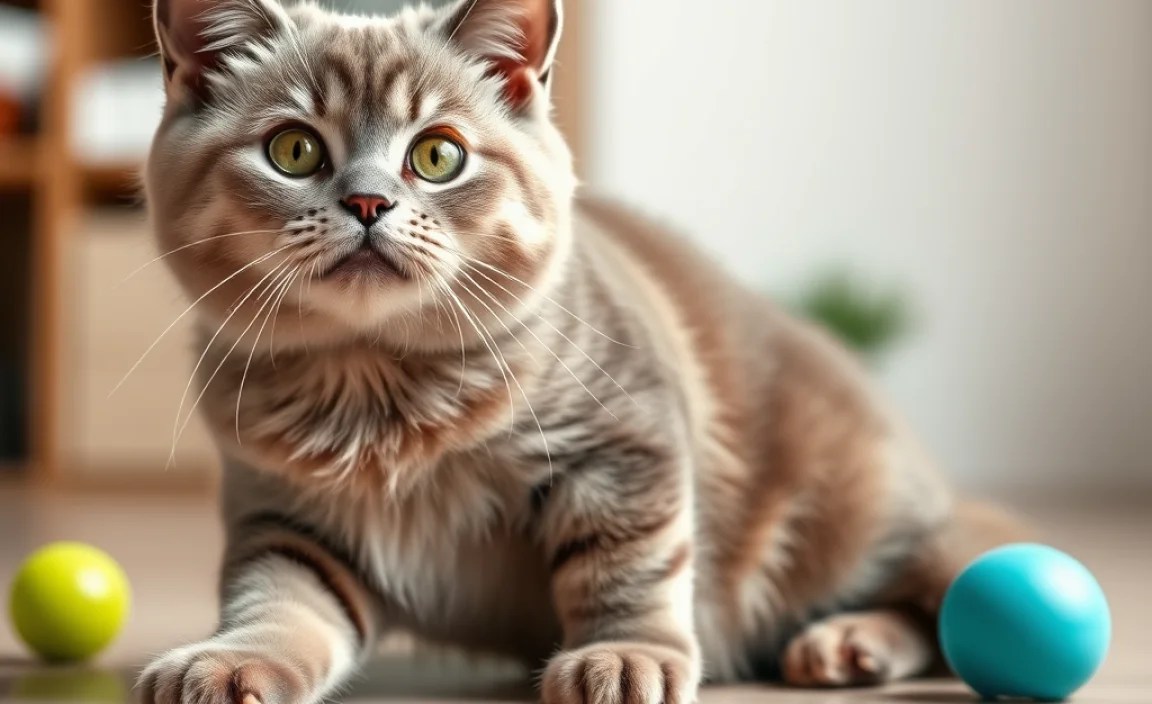
Consistency is key when it comes to play. Aim for short, frequent play sessions throughout the day. According to The International Cat Association (TICA), even 10-15 minutes of focused play can make a big difference in your cat’s well-being. Here’s a sample schedule:
| Time | Activity | Duration |
|---|---|---|
| Morning | Wand toy play | 10 minutes |
| Afternoon | Puzzle feeder | As long as it takes to solve |
| Evening | Interactive game (hide-and-seek or fetch) | 10 minutes |
Tips for Creating a Play Schedule:
- Observe your cat’s behavior and adjust the schedule accordingly.
- Be flexible and don’t force your cat to play if they aren’t in the mood.
- Make playtime a positive and rewarding experience.
Toy Rotation: Keeping Things Interesting

Cats can get bored with the same toys over and over again. To keep things interesting, rotate your cat’s toys regularly. Put some toys away for a few weeks and then bring them back out. This will make them seem new and exciting again.
How to Rotate Toys:
- Divide your cat’s toys into several groups.
- Keep one group of toys out for a week or two.
- Then, swap that group for a new one.
- Store the unused toys in a place where your cat can’t see or smell them.
Safety First: Choosing Safe Toys

When choosing toys for your British Shorthair, safety should always be your top priority. Avoid toys with small parts that could be swallowed, such as buttons, ribbons, or plastic eyes. Choose toys made from durable, non-toxic materials.
Unsafe Toys:
- Toys with small, detachable parts
- Toys made from brittle plastic
- Toys with long strings or ribbons
- Toys that are too small and could be swallowed
Safe Toys:
- Toys made from durable fabric or rubber
- Toys that are too large to be swallowed
- Toys with securely attached parts
Addressing Common Play Problems
Sometimes, even with the best intentions, play can go wrong. Here are some common problems and how to address them:
Aggressive Play
If your British Shorthair is playing too aggressively, redirect their attention to a toy. Avoid using your hands or feet as toys, as this can encourage biting and scratching. If the behavior persists, consult with a veterinarian or cat behaviorist.
Lack of Interest
If your cat isn’t interested in playing, try different types of toys or activities. Make sure you’re creating a positive and engaging play environment. You can also try playing at different times of the day to see when your cat is most receptive.
Overstimulation
Some cats can become overstimulated during play, leading to biting or scratching. If you notice your cat becoming agitated, end the play session immediately. Give them some space and allow them to calm down.
The Importance of Play for British Shorthairs
Play is essential for the physical and mental well-being of British Shorthairs. It helps them stay active, prevents boredom, and strengthens the bond between you and your cat. Regular play can also help reduce stress and anxiety, leading to a happier and healthier feline companion. According to the Cornell Feline Health Center, play helps cats express natural behaviors, such as hunting and stalking, which are important for their emotional well-being.
Frequently Asked Questions (FAQ)
What kind of toys do British Shorthairs like?
British Shorthairs often enjoy wand toys, puzzle feeders, and anything with catnip. They also love simple things like cardboard boxes and tunnels.
How much playtime does a British Shorthair need?
Aim for at least 15-20 minutes of interactive play per day, divided into shorter sessions. Watch your cat’s cues to see what they enjoy.
Why isn’t my British Shorthair playing?
They might not be in the mood, or they might not like the toys you’re offering. Try different toys or play at a different time of day. Make sure the environment is calm and quiet.
Are laser pointers safe for British Shorthairs?
Laser pointers can cause frustration because cats can’t catch the light. If you use one, end the session with a physical toy they can catch.
How can I keep my British Shorthair entertained?
Rotate toys regularly, provide climbing structures and hiding places, and engage in interactive play. Puzzle feeders can also keep them mentally stimulated.
Is catnip safe for British Shorthairs?
Yes, catnip is generally safe, but use it in moderation. Not all cats react to it, but those who do usually enjoy a brief burst of playful energy.
What if my British Shorthair gets aggressive during play?
Stop the play session immediately. Redirect their attention with a toy, and never use your hands or feet as playthings. If aggression persists, consult a vet or behaviorist.
Conclusion
Finding the right interactive play activities for your British Shorthair can be a rewarding experience. By understanding their unique play style, providing a stimulating environment, and offering a variety of engaging toys, you can keep your furry friend happy, healthy, and entertained. Remember to prioritize safety, be patient, and have fun! Your British Shorthair will thank you with purrs and affection.


