
Calm Cat Breeds for Apartments: The Ultimate Guide

Calm Cat Breeds for Apartments: Quick Guide
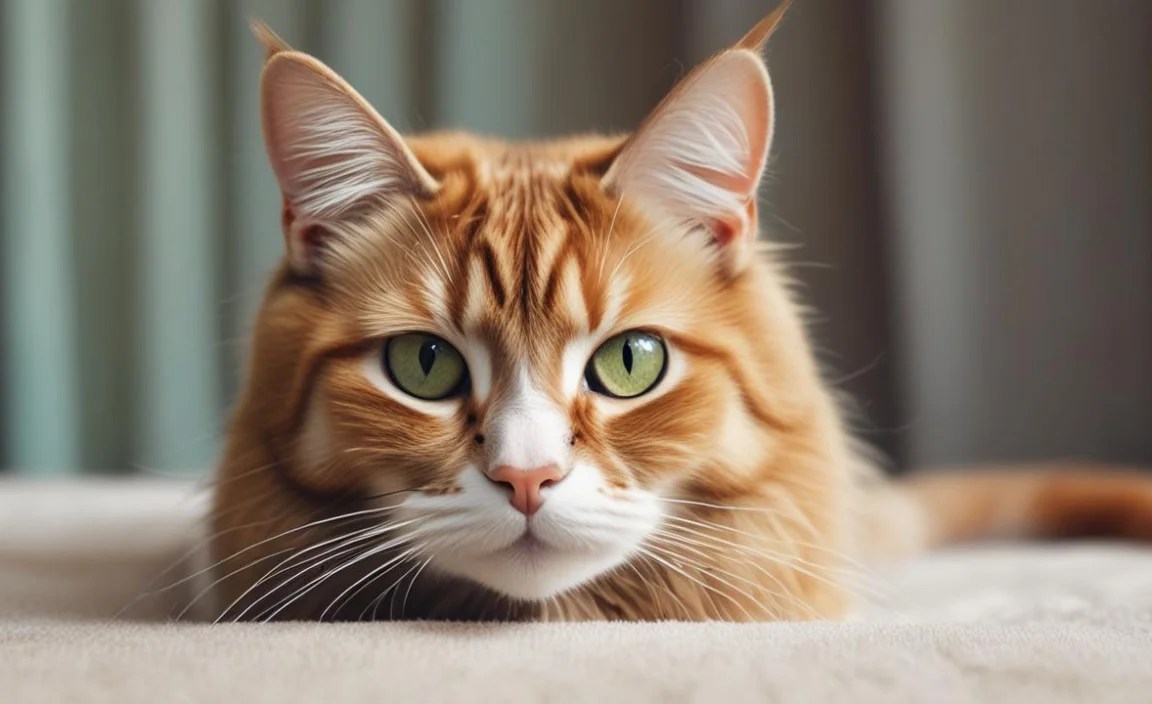
Looking for a mellow feline friend to share your apartment? Consider breeds like the British Shorthair, Persian, Ragdoll, or Scottish Fold. These cats are known for their relaxed personalities and adaptability to indoor living. Providing plenty of toys, scratching posts, and cozy spots will help them thrive in a smaller space. Remember, every cat is unique, so early socialization and a loving environment are key to a happy, calm companion!
Finding the right cat for apartment living can feel overwhelming. You want a furry friend who’s happy indoors, doesn’t need a huge amount of space to roam, and won’t be too noisy for your neighbors. Many people worry about whether a cat will adapt well to apartment life, and it’s a valid concern!
The good news is, many cat breeds are naturally calm and well-suited to smaller spaces. With a little research and the right approach, you can find a purrfect companion who will thrive in your apartment. Let’s explore some of the most relaxed cat breeds and how to create a happy home for them.
Choosing a Calm Cat Breed for Your Apartment

Not all cats are created equal when it comes to energy levels and temperament. Certain breeds are known for their calm, laid-back personalities, making them ideal for apartment living. Here’s a closer look at some of the best options:
1. British Shorthair
As a lifelong British Shorthair lover, I might be a little biased, but these cats truly are wonderful apartment companions. British Shorthairs are known for their easygoing nature and adaptability. They’re not overly demanding of attention but enjoy a good cuddle session. Their playful bursts are generally calm, making them perfect for a relaxed home environment.
- Temperament: Calm, affectionate, and independent.
- Exercise Needs: Moderate; enjoys playtime but doesn’t require constant activity.
- Grooming: Weekly brushing to manage shedding.
2. Persian
With their luxurious fur and sweet faces, Persians are the epitome of calm elegance. These cats are known for being quiet and gentle, preferring a relaxed environment where they can lounge and be pampered. According to The Cat Fanciers’ Association (CFA), Persians are among the most popular breeds, loved for their docile nature.
- Temperament: Gentle, quiet, and affectionate.
- Exercise Needs: Low; prefers lounging to running around.
- Grooming: Daily brushing is essential to prevent mats and tangles.
3. Ragdoll
Ragdolls are aptly named for their tendency to go limp and relaxed when held. These gentle giants are incredibly affectionate and love spending time with their families. Ragdolls are also known for being quiet and patient, making them great companions for apartment dwellers. The TICA describes them as large, loving, and laid-back.
- Temperament: Affectionate, gentle, and docile.
- Exercise Needs: Moderate; enjoys playtime and interaction.
- Grooming: Regular brushing to prevent mats.
4. Scottish Fold
With their distinctive folded ears and sweet expressions, Scottish Folds are known for their charming personalities. These cats are typically calm and adaptable, enjoying the company of their owners without being overly demanding. They are playful but not hyperactive, making them suitable for apartment living. It’s important to source Scottish Folds responsibly, as the folded ear gene can be associated with health issues, as noted by the RSPCA.
- Temperament: Sweet, gentle, and adaptable.
- Exercise Needs: Moderate; enjoys playtime and puzzles.
- Grooming: Weekly brushing.
5. Russian Blue
Russian Blues are known for their striking silvery-blue coats and emerald green eyes. These cats are intelligent, gentle, and somewhat reserved, but they form strong bonds with their families. They are relatively quiet and independent, making them a good choice for apartment dwellers who appreciate a calm and well-behaved companion.
- Temperament: Gentle, intelligent, and reserved.
- Exercise Needs: Moderate; enjoys interactive play.
- Grooming: Weekly brushing.
6. Burmese
Burmese cats are known for their playful and affectionate personalities. They are highly sociable and enjoy being around people, making them great companions for apartment dwellers who spend a lot of time at home. They are also relatively quiet and adaptable, fitting well into apartment life.
- Temperament: Playful, affectionate, and sociable.
- Exercise Needs: Moderate; enjoys interactive play and exploring.
- Grooming: Weekly brushing.
7. Sphynx
Sphynx cats are known for their hairless appearance and affectionate personalities. They are highly sociable and enjoy being around people, making them great companions for apartment dwellers. They are also relatively quiet and adaptable, fitting well into apartment life. Because they lack fur, they need protection from extreme temperatures, making indoor apartment life ideal.
- Temperament: Affectionate, sociable, and playful.
- Exercise Needs: Moderate; enjoys interactive play and exploring.
- Grooming: Regular bathing and ear cleaning.
Creating a Cat-Friendly Apartment

Even the calmest cat breed needs a stimulating and comfortable environment to thrive. Here’s how to make your apartment a purrfect paradise for your feline friend:
1. Vertical Space
Cats love to climb and observe their surroundings from a high vantage point. Provide plenty of vertical space with cat trees, shelves, and window perches. This not only satisfies their natural instincts but also helps them feel secure in their environment. According to the Cornell Feline Health Center, providing vertical space can reduce stress and promote a sense of safety in cats.
2. Scratching Posts
Scratching is a natural behavior for cats, helping them to maintain their claws, stretch their muscles, and mark their territory. Provide a variety of scratching posts in different materials (sisal, cardboard, carpet) to cater to your cat’s preferences. Place them in prominent areas to encourage use and protect your furniture.
3. Playtime
Even calm cats need regular playtime to stay physically and mentally stimulated. Engage your cat in interactive play sessions with toys like feather wands, laser pointers, and puzzle toys. Aim for at least 15-20 minutes of playtime each day to keep your cat happy and healthy.
4. Cozy Resting Spots
Cats love to nap in warm, comfortable spots. Provide a variety of cozy beds, blankets, and hideaways where your cat can relax and feel secure. Consider placing beds near windows or in quiet corners to cater to your cat’s preferences.
5. Litter Box Placement
Proper litter box placement is crucial for maintaining your cat’s hygiene and preventing accidents. Place the litter box in a quiet, accessible location away from food and water. Make sure it’s easy for your cat to access and keep it clean by scooping daily and changing the litter regularly.
6. Environmental Enrichment
Keep your cat mentally stimulated by providing a variety of toys, puzzles, and activities. Rotate toys regularly to keep things interesting and consider using food puzzles to make mealtime more engaging. A bored cat is more likely to develop behavioral issues, so it’s important to keep them entertained.
Tips for Introducing a New Cat to Your Apartment

Bringing a new cat into your apartment is an exciting time, but it’s important to introduce them gradually to ensure a smooth transition. Here are some tips to help your new feline friend settle in:
1. Create a Safe Room
Before bringing your cat home, set up a safe room where they can retreat and feel secure. This room should include a litter box, food and water bowls, a bed, and some toys. Allow your cat to explore the room at their own pace and don’t force them to come out.
2. Gradual Exploration
Once your cat seems comfortable in their safe room, gradually allow them to explore the rest of the apartment. Start with short periods of supervised exploration and gradually increase the amount of time they spend outside the safe room.
3. Scent Swapping
Help your cat get used to the scent of your apartment by swapping scents between the safe room and other areas. Rub a towel on your cat and then place it in another part of the apartment. This will help them become familiar with their new environment.
4. Positive Reinforcement
Use positive reinforcement to encourage your cat to explore and interact with their new surroundings. Reward them with treats, praise, and petting when they exhibit calm and confident behavior.
5. Patience
Every cat adjusts to a new environment at their own pace, so be patient and understanding. It may take days or even weeks for your cat to fully settle in. Avoid rushing the process and allow them to adjust at their own speed.
Addressing Common Concerns
Even with a calm cat breed, you might encounter some challenges in apartment living. Here’s how to address some common concerns:
1. Noise
Cats can be surprisingly noisy, especially at night. To minimize noise, provide plenty of playtime and enrichment during the day to tire them out. You can also try using a white noise machine or playing calming music to mask any sounds that might disturb your neighbors.
2. Scratching
If your cat is scratching furniture, make sure you have plenty of scratching posts available and that they are placed in prominent locations. You can also try using deterrent sprays or double-sided tape to protect your furniture.
3. Boredom
Boredom can lead to destructive behavior, so it’s important to keep your cat mentally stimulated. Provide a variety of toys, puzzles, and activities and rotate them regularly to keep things interesting.
4. Litter Box Issues
If your cat is having litter box issues, make sure the litter box is clean and accessible. You may also need to experiment with different types of litter to find one that your cat prefers. If the problem persists, consult with your veterinarian to rule out any underlying medical issues.
Health Considerations for Apartment Cats

Keeping your apartment cat healthy involves more than just choosing the right breed. Here are some key health considerations:
1. Diet and Nutrition
A balanced diet is crucial for your cat’s overall health and well-being. Choose a high-quality cat food that is appropriate for their age, weight, and activity level. Avoid overfeeding and provide fresh water at all times. Consulting with your veterinarian about the best diet for your cat is always a good idea.
2. Exercise
Even indoor cats need regular exercise to stay healthy and prevent obesity. Provide plenty of opportunities for playtime and encourage your cat to be active. You can also try using a cat exercise wheel to help them burn off energy.
3. Regular Vet Checkups
Regular vet checkups are essential for detecting and preventing health problems. Schedule annual checkups for your cat and make sure they are up-to-date on their vaccinations and parasite prevention. Your veterinarian can also provide valuable advice on diet, exercise, and behavior.
4. Mental Health
A cat’s mental health is just as important as their physical health. Provide plenty of enrichment and stimulation to keep your cat happy and engaged. Watch for signs of stress or anxiety, such as excessive grooming, hiding, or changes in appetite, and consult with your veterinarian if you have any concerns.
Table: Calm Cat Breeds Comparison
| Breed | Temperament | Exercise Needs | Grooming Needs | Apartment Suitability |
|---|---|---|---|---|
| British Shorthair | Calm, Affectionate | Moderate | Weekly Brushing | Excellent |
| Persian | Gentle, Quiet | Low | Daily Brushing | Excellent |
| Ragdoll | Affectionate, Docile | Moderate | Regular Brushing | Excellent |
| Scottish Fold | Sweet, Gentle | Moderate | Weekly Brushing | Good |
| Russian Blue | Gentle, Intelligent | Moderate | Weekly Brushing | Good |
| Burmese | Playful, Affectionate | Moderate | Weekly Brushing | Good |
| Sphynx | Affectionate, Sociable | Moderate | Regular Bathing | Excellent |
FAQ About Calm Cat Breeds for Apartments
1. What makes a cat breed suitable for apartment living?
A cat breed suitable for apartment living is generally calm, adaptable, and doesn’t require a lot of space to roam. Breeds that are less vocal and have moderate energy levels tend to thrive in smaller environments.
2. How can I tell if a cat breed is truly calm?
Research the breed’s typical temperament and look for descriptions like “laid-back,” “gentle,” or “docile.” Visiting a breeder or shelter and interacting with cats of that breed can also give you a sense of their personality.
3. Do calm cat breeds need less attention?
No, all cats need attention, regardless of their breed. Calm cats may not demand attention as frequently as more active breeds, but they still need regular interaction, playtime, and affection to thrive.
4. What if my calm cat breed is still restless in the apartment?
Ensure your cat has plenty of vertical space, scratching posts, and toys to keep them stimulated. Regular playtime and a consistent routine can also help reduce restlessness. If the behavior persists, consult with your veterinarian or a feline behaviorist.
5. Can I have multiple cats in an apartment?
Yes, you can have multiple cats in an apartment, but it’s important to introduce them gradually and provide enough resources (litter boxes, food bowls, beds) to prevent competition. Choose cats with compatible personalities to minimize conflict.
6. How important is early socialization for a calm cat breed?
Early socialization is crucial for all cats, including calm breeds. Exposing kittens to a variety of people, places, and experiences helps them develop into well-adjusted adults. Early socialization can also help prevent behavioral issues later in life.
7. Are mixed-breed cats ever a good fit for apartment living?
Absolutely! While breed can influence temperament, many mixed-breed cats make wonderful apartment companions. Spend time with the cat to assess their personality and energy level before bringing them home. A calm and affectionate mixed-breed cat can be just as happy in an apartment as a purebred.
Conclusion
Choosing a calm cat breed for your apartment is a wonderful way to bring companionship and joy into your life. Breeds like the British Shorthair, Persian, Ragdoll, and Russian Blue are known for their relaxed personalities and adaptability to indoor living. By providing a stimulating and comfortable environment, you can ensure your feline friend thrives in your apartment. Remember, every cat is unique, so take the time to find a cat whose personality matches your lifestyle and be prepared to provide plenty of love, attention, and care. With the right approach, you and your calm cat can enjoy many happy years together in your apartment home.


