
British Shorthair Affectionate Gestures Toward Owners Explained

Quick Summary: British Shorthairs show affection in subtle, charming ways. Look for slow blinks, gentle headbutts, and contented purrs. They might follow you around, knead on your lap, or simply enjoy sitting nearby. While not overly demanding, these gestures are their way of saying, “I love you” in true British Shorthair style. Understanding these signs will deepen your bond with your feline friend.
Do you ever wonder if your British Shorthair truly loves you? It’s a common question for many owners of this dignified breed! British Shorthairs are known for their calm and independent nature, which can sometimes make their affectionate gestures seem subtle. It’s easy to miss their little ways of showing they care. But don’t worry! Understanding their unique language of love will help you recognize and appreciate the special bond you share.
In this guide, we’ll explore the different ways your British Shorthair expresses affection. We’ll look at behaviors like slow blinking, head bunting, and purring. You’ll learn what these actions mean and how to respond in a way that strengthens your connection. Get ready to decode the secret language of your British Shorthair!
Decoding British Shorthair Affection: A Comprehensive Guide

British Shorthairs are known for their reserved yet loving personalities. Unlike some breeds that are constantly demanding attention, British Shorthairs express their affection in more understated ways. Recognizing these subtle cues is key to understanding your cat’s feelings and building a stronger bond.
Understanding Feline Body Language
Before diving into specific British Shorthair behaviors, it’s helpful to understand basic feline body language. Cats communicate through a combination of posture, facial expressions, and vocalizations. Paying attention to these signals will give you valuable insights into your cat’s mood and intentions. The RSPCA has some great resources on understanding cat behavior.
Key Elements of Feline Communication:

- Posture: Is your cat relaxed or tense? A relaxed cat will often lie down with their paws tucked in, while a tense cat might crouch low to the ground.
- Facial Expressions: Look at your cat’s eyes, ears, and whiskers. Dilated pupils can indicate excitement or fear, while flattened ears suggest aggression or anxiety.
- Vocalizations: Purring usually indicates contentment, while hissing or growling are signs of displeasure.
Common Affectionate Gestures Explained
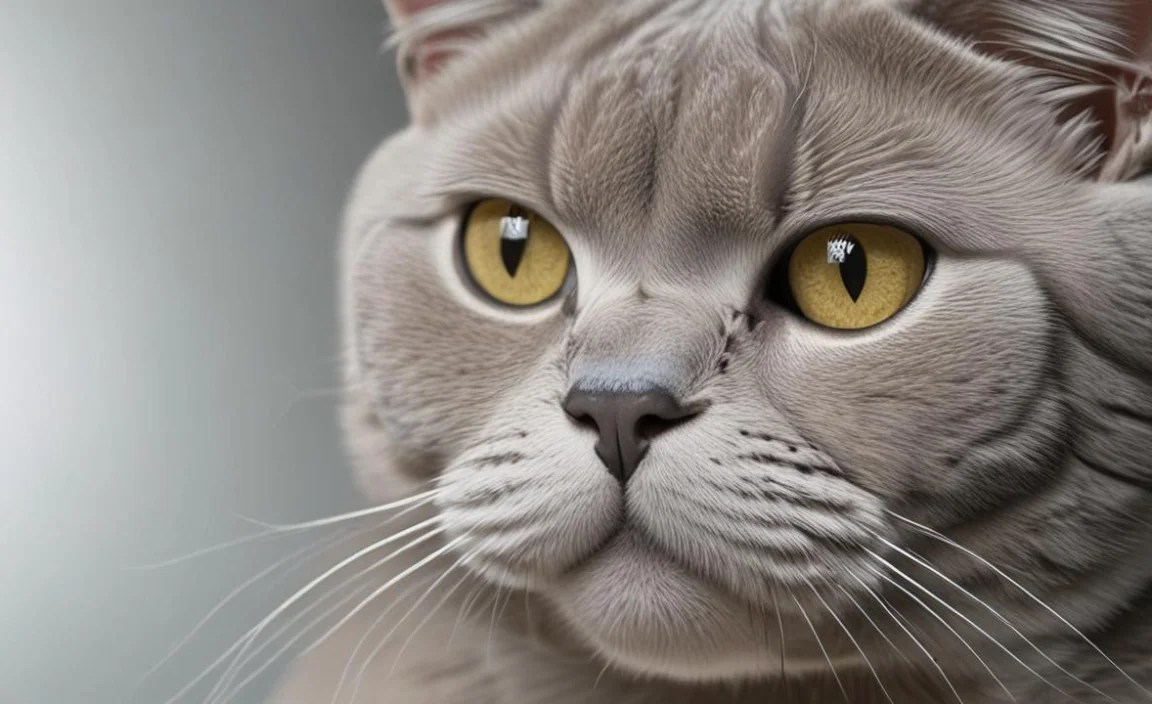
Now, let’s explore some of the most common ways British Shorthairs show affection. Remember, every cat is an individual, so your cat may not display all of these behaviors. However, understanding these gestures will help you better interpret your cat’s actions.
1. The Slow Blink: A Sign of Trust
The slow blink, sometimes called a “cat kiss,” is one of the most endearing displays of affection. When your British Shorthair slowly closes and opens their eyes while looking at you, it’s a sign of trust and contentment. According to cat behaviorists, this action signals that your cat feels safe and comfortable in your presence.
How to Respond: Gently return the slow blink to show your cat that you feel the same way. This simple interaction can strengthen your bond and create a sense of mutual understanding.
2. Head Bunting (Head Rubs): Marking You as Their Own
Head bunting, or head rubbing, is another common way cats show affection. When your British Shorthair gently rubs their head against you, they’re not just being cute; they’re actually marking you with their scent. Cats have scent glands on their cheeks, forehead, and chin, and rubbing against you transfers their scent, claiming you as part of their territory. Cornell Feline Health Center explains this behavior in detail.
How to Respond: Enjoy the head rubs! You can gently stroke your cat’s head and cheeks to show your appreciation. This physical contact reinforces your bond and makes your cat feel secure.
3. Purring: The Sound of Contentment
Purring is often associated with happiness and contentment. While cats can purr for other reasons, such as when they’re injured or stressed, a soft, gentle purr is usually a sign that your British Shorthair is feeling relaxed and happy in your company.
How to Respond: Continue doing whatever you’re doing that’s making your cat purr! This could be petting them, talking to them in a soothing voice, or simply being present in the same room.
4. Kneading (Making Biscuits): A Sign of Comfort
Kneading, also known as “making biscuits,” is a behavior that cats often exhibit when they’re feeling comfortable and content. This involves rhythmically pushing their paws against a soft surface, such as your lap or a blanket. This behavior is thought to be a remnant of kittenhood, when kittens knead their mother’s belly to stimulate milk flow.
How to Respond: If your cat is kneading on your lap, try to relax and enjoy the experience. If their claws are sharp, you can place a soft blanket between their paws and your skin to protect yourself. Purina discusses the origins and meanings behind this behavior.
5. Following You Around: A Sign of Attachment
Does your British Shorthair follow you from room to room? This is a sign that they enjoy your company and feel secure when you’re nearby. While British Shorthairs are not as clingy as some breeds, they still appreciate your presence and may want to keep an eye on you.
How to Respond: Acknowledge your cat’s presence and offer them some attention. This could be a quick scratch behind the ears or a few words of reassurance. Let them know that you appreciate their companionship.
6. Presenting Gifts: A Hunter’s Offering
Occasionally, your British Shorthair might bring you “gifts,” such as toys, leaves, or even small prey. While this behavior might seem strange, it’s actually a sign of affection. Cats are natural hunters, and bringing you a gift is their way of sharing their bounty and showing that they care for you.
How to Respond: Even if the gift isn’t something you want, try to react positively. Praise your cat for their hunting skills and thank them for the offering. This will reinforce their behavior and make them feel appreciated.
7. Sleeping Near You: A Sign of Trust and Security
If your British Shorthair chooses to sleep near you, whether it’s on your bed, on the couch next to you, or even just in the same room, it’s a sign that they trust you and feel safe in your presence. Cats are vulnerable when they’re sleeping, so choosing to sleep near you is a significant expression of affection.
How to Respond: Allow your cat to sleep near you if you’re comfortable with it. This will strengthen your bond and make them feel secure. You can also gently stroke them or talk to them in a soothing voice to further reassure them.
Decoding Vocalizations: More Than Just Meows

While British Shorthairs aren’t known for being overly vocal, they do use a variety of vocalizations to communicate with their owners. Understanding these sounds can help you better interpret your cat’s feelings and needs.
| Vocalization | Possible Meaning |
|---|---|
| Purring | Contentment, happiness, relaxation |
| Meowing | Attention-seeking, greeting, hunger |
| Chirping/Trilling | Excitement, hunting instincts |
| Hissing | Fear, aggression, defensiveness |
| Growling | Warning, displeasure, defensiveness |
Note: The specific meaning of a vocalization can vary depending on the context and your cat’s individual personality. Pay attention to your cat’s body language and the situation to get a better understanding of what they’re trying to communicate.
Why British Shorthairs Are Subtly Affectionate
British Shorthairs are known for their independent and dignified nature. This doesn’t mean they don’t love their owners; it simply means they express their affection in a more understated way compared to some other breeds. Here are a few reasons why British Shorthairs might be subtly affectionate:
- Breed Characteristics: British Shorthairs were originally bred as working cats, and they retain some of their independent spirit.
- Individual Personality: Just like people, cats have different personalities. Some British Shorthairs are more outgoing and affectionate than others.
- Early Experiences: A cat’s early experiences can also influence their behavior. Cats who were well-socialized as kittens are more likely to be affectionate and confident.
Building a Stronger Bond with Your British Shorthair

Even if your British Shorthair is not overly demonstrative, there are still many ways to strengthen your bond and show them that you care.
Tips for Strengthening Your Bond:
- Provide a Comfortable Environment: Make sure your cat has a safe and comfortable place to sleep, eat, and play.
- Engage in Playtime: Play with your cat regularly to provide them with exercise and mental stimulation. Feather wands, laser pointers, and puzzle toys are all great options.
- Offer Gentle Petting and Grooming: Many British Shorthairs enjoy being petted and groomed. Use a soft brush to remove loose hair and prevent mats.
- Talk to Your Cat: Talk to your cat in a soothing voice. They may not understand what you’re saying, but they will appreciate the sound of your voice.
- Respect Their Space: British Shorthairs value their independence. Respect their space and don’t force them to interact with you if they don’t want to.
- Provide Positive Reinforcement: Reward your cat for good behavior with treats, praise, or petting.
Addressing Common Concerns
It’s natural to have questions or concerns about your British Shorthair’s behavior. Here are some answers to frequently asked questions:
FAQ: Understanding Your British Shorthair’s Affection
- Q: My British Shorthair doesn’t like to be held. Is this normal?
- A: Yes, it’s perfectly normal. Many British Shorthairs are not fond of being held, but they still show affection in other ways, like sitting near you or rubbing against your legs.
- Q: How can I tell if my British Shorthair is happy?
- A: Signs of a happy British Shorthair include purring, slow blinking, relaxed body posture, and a healthy appetite.
- Q: My cat sometimes bites me gently when I pet her. What does this mean?
- A: Gentle biting during petting can be a sign of overstimulation. Your cat may be telling you that they’ve had enough petting for now. Stop petting them and give them some space.
- Q: Is it okay to leave my British Shorthair alone for long periods?
- A: British Shorthairs are relatively independent and can tolerate being alone for reasonable periods. However, they still need social interaction and attention. Avoid leaving them alone for excessively long periods, and provide them with plenty of toys and enrichment activities.
- Q: My British Shorthair doesn’t play much. Is this a problem?
- A: Some British Shorthairs are less playful than others. However, it’s still important to provide them with opportunities for exercise and mental stimulation. Try different types of toys and see what they enjoy. If your cat is completely uninterested in playing, consult with your veterinarian to rule out any underlying health issues.
- Q: How often should I groom my British Shorthair?
- A: British Shorthairs have thick, plush coats that require regular grooming to prevent mats and tangles. Aim to brush your cat at least once a week, and more frequently during shedding season.
- Q: What are some signs that my British Shorthair might be stressed or anxious?
- A: Signs of stress or anxiety in British Shorthairs can include hiding, excessive grooming, changes in appetite, and aggression. If you notice these signs, try to identify the source of stress and take steps to reduce it. Consult with your veterinarian or a qualified cat behaviorist for further guidance.
When to Seek Professional Help
While most British Shorthair behaviors are normal and harmless, there are some situations where it’s important to seek professional help. Consult with your veterinarian or a qualified cat behaviorist if you notice any of the following:
- Sudden changes in behavior
- Aggression towards people or other animals
- Excessive hiding or withdrawal
- Loss of appetite or weight loss
- Signs of pain or discomfort
These could be signs of an underlying medical or behavioral issue that needs to be addressed.
Conclusion: Appreciating Your British Shorthair’s Unique Affection
British Shorthairs may not be the most outwardly affectionate cats, but they have their own special ways of showing love and devotion. By understanding their unique body language, vocalizations, and behaviors, you can deepen your bond and create a lasting relationship with your feline companion. Remember to be patient, understanding, and respectful of their independent nature. With a little effort, you can unlock the secrets of your British Shorthair’s heart and enjoy a lifetime of love and companionship.


