
British Shorthair Social Behavior in Apartments: Easy Guide

British Shorthairs are generally adaptable to apartment living. They’re known for their calm and independent nature. Providing enough enrichment, like scratching posts and interactive toys, is key. Regular playtime and attention will ensure they stay happy and well-adjusted in a smaller space. A stimulating environment is essential for their well-being.
Are you wondering if a British Shorthair is a good fit for your apartment? It’s a common question! Many people worry about whether these cats can thrive in a smaller space. The good news is that British Shorthairs are often well-suited to apartment life because they are known for their laid-back and adaptable personalities. However, like any cat, they need the right environment and care to stay happy and healthy.
In this guide, I’ll walk you through everything you need to know about British Shorthair social behavior in apartments. We’ll cover how to create a stimulating environment, manage their social needs, and address any potential behavioral issues. Let’s ensure your British Shorthair thrives in your apartment!
Understanding British Shorthair Temperament

British Shorthairs are famous for their gentle and easy-going nature. Understanding their temperament is key to ensuring they thrive in an apartment setting. Let’s explore what makes them unique.
General Temperament Traits
British Shorthairs are known for several distinct temperament traits:
- Calm and Relaxed: They are not overly demanding and enjoy quiet time.
- Independent: They are happy to entertain themselves, which is great for apartment living.
- Affectionate but Not Needy: They enjoy attention but aren’t constantly seeking it.
- Playful: They have bursts of energy and enjoy interactive play sessions.
These traits make them well-suited for apartment life, as they don’t require constant attention or a large space to roam.
How Their Temperament Suits Apartment Living
Their calm and independent nature means they are less likely to become stressed or anxious in a smaller environment. They are content with having a cozy spot to relax and observe their surroundings. Providing enough toys and enrichment activities can keep them mentally stimulated and prevent boredom.
Creating an Enriching Environment

Even though British Shorthairs are adaptable, it’s crucial to create an environment that meets their needs. Enrichment is key to keeping them happy and healthy in an apartment.
Vertical Space
Cats love to climb and observe from high places. Vertical space is especially important in apartments to expand their territory.
- Cat Trees: Invest in a sturdy cat tree with multiple levels. This provides climbing opportunities and a place to scratch.
- Shelves: Install shelves at different heights for your cat to explore. Make sure they are secure and easy to access.
- Window Perches: Cats love looking out the window. A window perch gives them a comfortable spot to watch the world outside.
Scratching Posts
Scratching is a natural behavior for cats. It helps them maintain their claws and mark their territory. Providing appropriate scratching surfaces can prevent them from scratching furniture.
- Variety of Materials: Offer scratching posts made of different materials like sisal, cardboard, and carpet. See which one your cat prefers.
- Placement: Place scratching posts in areas where your cat likes to spend time, such as near their sleeping area or favorite window.
- Vertical and Horizontal: Provide both vertical and horizontal scratching options to cater to their preferences.
Toys and Play
Interactive play is essential for keeping your British Shorthair mentally and physically stimulated. It also helps to strengthen the bond between you and your cat.
- Interactive Toys: Use toys like wands, laser pointers, and puzzle toys to engage your cat’s hunting instincts.
- Rotation: Rotate toys regularly to keep them interesting. Cats can get bored with the same toys over time.
- Daily Play Sessions: Aim for at least 15-20 minutes of play each day. This can be broken up into shorter sessions throughout the day.
Safe Spaces
Cats need a place where they can retreat and feel safe, especially in a smaller environment. A safe space can help reduce stress and anxiety.
- Quiet Areas: Provide a quiet, secluded area where your cat can relax undisturbed. This could be a cozy bed in a quiet room or a covered cat bed.
- Multiple Options: Offer several safe spaces in different locations around the apartment. This gives your cat options depending on their mood and needs.
- Avoid Disturbances: Make sure these spaces are free from disturbances like loud noises or excessive foot traffic.
Managing Social Interaction
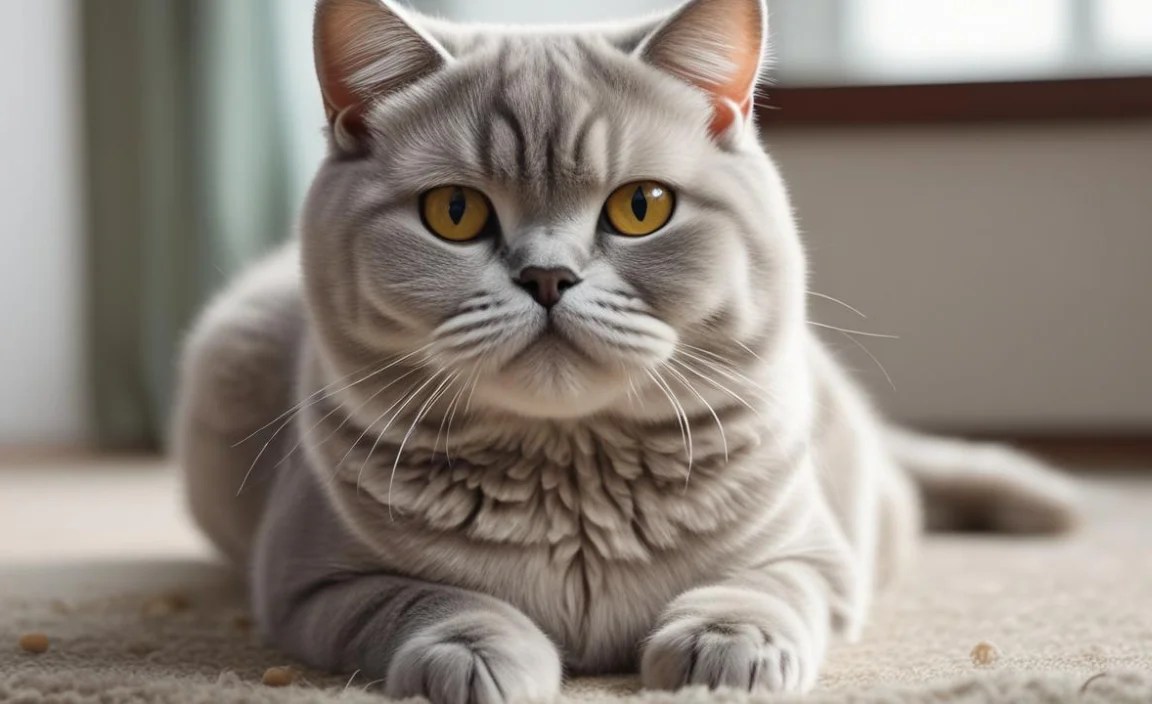
British Shorthairs are social creatures, but they also value their independence. Balancing their social needs is important for their well-being in an apartment.
Understanding Their Social Needs
While British Shorthairs are not as demanding as some other breeds, they still need regular interaction and attention. Understanding their social needs can help you provide the right amount of engagement.
- Quality Time: Spend quality time with your cat each day, even if it’s just for a few minutes. This could involve petting, grooming, or simply sitting near them.
- Observe Their Behavior: Pay attention to your cat’s body language. If they approach you and rub against you, they are likely seeking attention. If they retreat to their safe space, they may need some alone time.
- Respect Their Boundaries: Don’t force interaction if your cat is not in the mood. Respect their boundaries and allow them to approach you when they are ready.
Introducing New People and Pets
Introducing new people or pets into your apartment can be stressful for your British Shorthair. Gradual introductions and positive reinforcement can help make the process smoother.
- Scent Swapping: Before introducing a new pet, swap scents by rubbing a towel on each animal and placing it in the other’s area. This allows them to get used to each other’s scent without direct contact.
- Gradual Introductions: Start with brief, supervised visits. Gradually increase the length of the visits as they become more comfortable.
- Positive Reinforcement: Use treats and praise to reward positive interactions. This helps create positive associations with the new person or pet.
- Separate Spaces: Provide separate spaces for each animal to retreat to if they feel overwhelmed.
Dealing with Isolation and Loneliness
Even though British Shorthairs are independent, they can still experience isolation and loneliness if left alone for long periods. Here are some ways to address this:
- Interactive Toys: Leave out interactive toys that your cat can play with while you’re away. Puzzle toys and treat-dispensing toys can keep them entertained.
- Pet Sitters or Friends: If you’re going to be away for an extended period, consider hiring a pet sitter or asking a friend to check in on your cat.
- Companionship: If possible, consider getting a second cat to provide companionship. Choose a cat with a similar temperament to ensure they get along well.
Addressing Potential Behavioral Issues
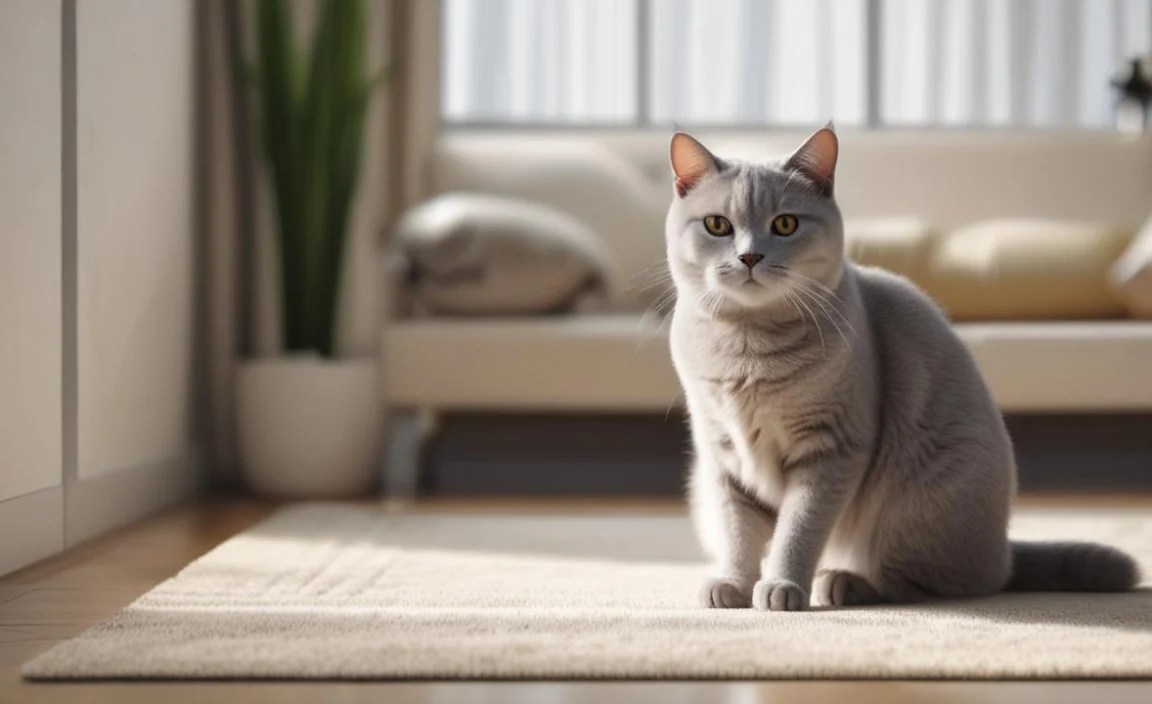
Even with the best care, behavioral issues can sometimes arise. Understanding common issues and how to address them is crucial for maintaining a harmonious environment.
Common Behavioral Problems in Apartments
Living in an apartment can sometimes exacerbate certain behavioral issues in cats. Here are some common problems:
- Scratching Furniture: This is often due to a lack of appropriate scratching surfaces.
- Inappropriate Elimination: This could be due to stress, anxiety, or medical issues.
- Excessive Vocalization: This can be a sign of boredom, loneliness, or medical problems.
- Aggression: This could be directed towards people or other pets and may be caused by fear, frustration, or territoriality.
Strategies for Prevention
Preventing behavioral issues is always better than trying to correct them after they’ve started. Here are some preventive strategies:
- Adequate Enrichment: Provide plenty of toys, scratching posts, and climbing opportunities to keep your cat mentally and physically stimulated.
- Consistent Routine: Cats thrive on routine. Establish a consistent feeding, play, and sleep schedule.
- Regular Veterinary Checkups: Rule out any underlying medical conditions that could be contributing to behavioral issues.
- Safe Environment: Ensure your cat feels safe and secure in their environment. Provide plenty of safe spaces where they can retreat if they feel overwhelmed.
When to Seek Professional Help
If you’re struggling to manage your cat’s behavioral issues on your own, it may be time to seek professional help. A veterinarian or certified cat behaviorist can provide guidance and support.
- Veterinarian: Your veterinarian can rule out any medical causes for the behavior and may recommend medication or other treatments.
- Certified Cat Behaviorist: A behaviorist can help you identify the underlying causes of the behavior and develop a customized treatment plan.
- Signs You Need Help: If the behavior is severe, persistent, or causing significant stress for you or your cat, seek professional help right away.
Health Considerations

Maintaining your British Shorthair’s health is crucial for their overall well-being. Regular check-ups and a balanced diet contribute significantly to their happiness and longevity.
Regular Veterinary Checkups
Routine veterinary visits are essential for monitoring your cat’s health and detecting any potential issues early on. The American Veterinary Medical Association (AVMA) recommends annual checkups for adult cats and more frequent visits for kittens and senior cats.
- Vaccinations: Ensure your cat is up-to-date on all necessary vaccinations to protect them from common feline diseases.
- Parasite Control: Regular deworming and flea/tick prevention are crucial for maintaining your cat’s health.
- Dental Care: Dental disease is common in cats. Regular dental checkups and cleanings can help prevent serious health problems.
Diet and Nutrition
A balanced and nutritious diet is essential for maintaining your British Shorthair’s health and weight. Obesity is a common issue in this breed, so it’s important to monitor their food intake and provide plenty of exercise.
- High-Quality Food: Choose a high-quality cat food that is specifically formulated for their age and activity level.
- Portion Control: Follow the feeding guidelines on the food packaging and adjust as needed to maintain a healthy weight.
- Fresh Water: Always provide fresh, clean water for your cat. Consider using a water fountain to encourage them to drink more.
Exercise and Weight Management
British Shorthairs are prone to weight gain, especially if they are not getting enough exercise. Regular play sessions and environmental enrichment can help keep them active and maintain a healthy weight.
- Daily Play: Engage your cat in at least 15-20 minutes of active play each day.
- Puzzle Feeders: Use puzzle feeders to make mealtime more challenging and engaging.
- Climbing Opportunities: Provide plenty of climbing opportunities to encourage exercise.
Grooming Needs
British Shorthairs have a dense coat that requires regular grooming to prevent matting and hairballs. Here’s what you need to know.
Brushing Frequency
Regular brushing is essential for maintaining your British Shorthair’s coat. Aim to brush them several times a week to remove loose hair and prevent mats.
- Short-Haired Breed: Despite their plush coat, they are relatively easy to groom.
- Brushing Tools: Use a slicker brush or a grooming glove to remove loose hair.
- Seasonal Shedding: Be prepared for increased shedding during the spring and fall months.
Bathing
British Shorthairs generally don’t need frequent baths unless they get dirty or develop a skin condition. Over-bathing can strip their coat of natural oils and cause dryness.
- When to Bathe: Only bathe your cat when necessary.
- Cat Shampoo: Use a shampoo specifically formulated for cats.
- Proper Drying: Dry your cat thoroughly after bathing to prevent them from getting chilled.
Nail Trimming
Regular nail trimming is important for preventing overgrown nails, which can be uncomfortable for your cat and damage furniture.
- Trimming Schedule: Trim your cat’s nails every few weeks, or as needed.
- Cat Nail Clippers: Use cat-specific nail clippers to avoid injury.
- Avoid the Quick: Be careful not to cut the quick, which is the pink part of the nail that contains blood vessels and nerves.
British Shorthair Social Behavior in Apartments: Considerations
Here’s a summary of key factors to consider for a British Shorthair’s social behavior in an apartment:
| Factor | Description | Importance |
|---|---|---|
| Enrichment | Providing toys, scratching posts, and climbing opportunities | High |
| Social Interaction | Spending quality time with your cat | Medium |
| Safe Spaces | Creating quiet, secluded areas for your cat | High |
| Routine | Establishing a consistent daily schedule | Medium |
| Health | Ensuring regular veterinary checkups and a balanced diet | High |
Frequently Asked Questions
Here are some frequently asked questions about British Shorthair social behavior in apartments:
Are British Shorthairs good apartment cats?
Yes, British Shorthairs are generally well-suited for apartment living due to their calm and independent nature. They don’t require a lot of space and are content with indoor life.
How much attention do British Shorthairs need?
British Shorthairs are not overly demanding but still need regular attention. Aim for at least 15-20 minutes of quality time each day, including play, grooming, or simply sitting with them.
What kind of toys do British Shorthairs enjoy?
British Shorthairs enjoy a variety of toys, including interactive toys like wands and puzzle toys, as well as simple toys like balls and stuffed animals. Rotate toys regularly to keep them interested.
How can I prevent my British Shorthair from scratching furniture in my apartment?
Provide plenty of appropriate scratching surfaces, such as scratching posts and cardboard scratchers. Place them in areas where your cat likes to spend time and reward them for using them.
What are some signs that my British Shorthair is stressed or anxious in the apartment?
Signs of stress or anxiety in cats include hiding, excessive vocalization, changes in appetite, and inappropriate elimination. If you notice these signs, try to identify the source of stress and address it.
Do British Shorthairs get lonely if left alone for long periods?
While British Shorthairs are independent, they can still experience loneliness if left alone for too long. Provide interactive toys, consider getting a second cat, or hire a pet sitter to provide companionship.
How often should I groom my British Shorthair?
Brush your British Shorthair several times a week to remove loose hair and prevent mats. Bathe them only when necessary, and trim their nails every few weeks.
Conclusion
Bringing a British Shorthair into your apartment can be a wonderful experience. Their adaptable and calm nature makes them ideal companions for smaller living spaces. By understanding their temperament, creating an enriching environment, and meeting their social and health needs, you can ensure they thrive. Remember to provide plenty of vertical space, interactive toys, and regular attention.
If you encounter any behavioral issues, don’t hesitate to seek professional help from a veterinarian or certified cat behaviorist. With the right care and attention, your British Shorthair will be a happy and well-adjusted member of your apartment home, bringing you years of joy and companionship. Enjoy the journey of nurturing your British Shorthair in your apartment!


