
British Shorthair Loyalty: The Ultimate Owner’s Secret?

Quick Summary: British Shorthairs are known for their gentle, independent nature. While they may not be as overtly demanding of attention as some breeds, they form deep, quiet bonds with their owners. Their loyalty is expressed through calm companionship, affectionate presence, and a preference for being near their favorite people, making them wonderful, devoted family members.
Are you wondering if a British Shorthair will truly bond with you? It’s a common question for anyone considering bringing one of these beautiful cats into their home. While they aren’t known for being overly clingy, British Shorthairs definitely form strong attachments. You might be surprised at the subtle ways they show their love and devotion. Understanding their unique way of expressing affection is key to building a lasting bond with your British Shorthair. Let’s explore how these wonderful cats show their loyalty and how you can strengthen your relationship with them.
Understanding British Shorthair Loyalty
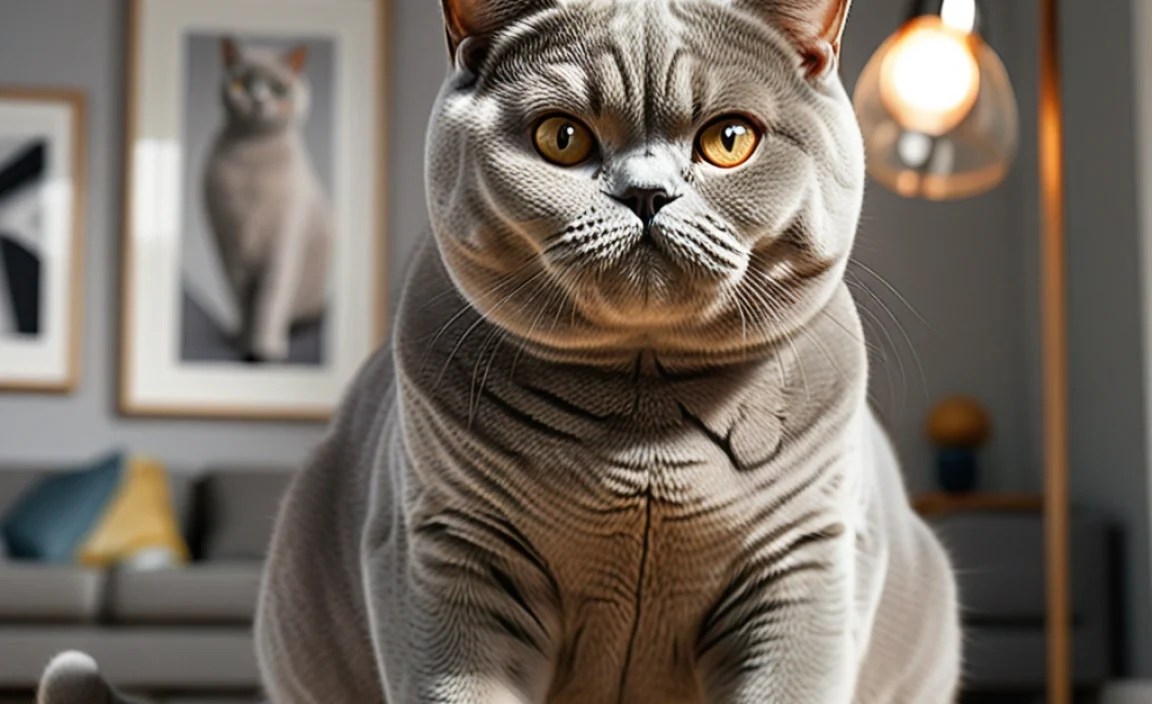
British Shorthairs have a reputation for being independent cats, but don’t mistake this for aloofness. Their loyalty is expressed in a calm, dignified manner. Unlike some breeds that constantly demand attention, British Shorthairs prefer to be near you, often observing from a comfortable distance. This quiet companionship is a hallmark of their affection.
The Independent Streak
One of the defining traits of the British Shorthair is its independence. They are quite content spending time alone and don’t typically suffer from separation anxiety. This independence stems from their history as working cats in the farmlands of Britain. They were bred to be self-sufficient hunters, which naturally led to a more solitary nature. However, this doesn’t mean they don’t enjoy human company; it simply means they appreciate it on their own terms.
Subtle Signs of Affection
British Shorthairs show their affection in subtle ways. Here are some common signs that your British Shorthair is bonded to you:
- Following you around: They may not always be right at your feet, but if your British Shorthair consistently chooses to be in the same room as you, it’s a sign of affection.
- Slow blinking: This is a “kitty kiss” and a sign that they feel comfortable and safe around you.
- Head bunting: Rubbing their head against you is a way of marking you with their scent and showing affection.
- Sleeping nearby: Choosing to sleep in the same room, even if not on your bed, indicates they feel secure in your presence.
- Gentle purring: Purring is often a sign of contentment and happiness.
Not a Lap Cat (Usually)
While some British Shorthairs enjoy lap time, many prefer to sit next to you or nearby. Don’t force them to be lap cats if they don’t want to be. Respecting their boundaries will strengthen your bond. This preference doesn’t mean they don’t love you; it simply reflects their independent nature. They are more likely to show affection through their calm presence and gentle interactions.
Factors Influencing Loyalty

Several factors can influence how a British Shorthair bonds with its owner. Understanding these can help you create an environment that fosters a strong, loving relationship.
Early Socialization
Early socialization is crucial for any kitten, including British Shorthairs. Kittens who are handled and exposed to different people, sounds, and environments from a young age are more likely to be well-adjusted and confident adults. Reputable breeders start socializing kittens from a very young age, which helps them develop into friendly and affectionate companions. According to the RSPCA, early socialization can prevent behavioral issues later in life.
Consistent Care and Attention
Providing consistent care and attention is essential for building trust and a strong bond. This includes:
- Regular feeding: Providing nutritious food at consistent times.
- Clean litter box: Maintaining a clean and comfortable litter box.
- Playtime: Engaging in regular playtime to keep them mentally and physically stimulated.
- Grooming: Regular grooming sessions to keep their coat healthy and free of mats.
- Veterinary care: Ensuring they receive regular check-ups and vaccinations.
Respecting Their Boundaries
British Shorthairs appreciate having their boundaries respected. Forcing affection or ignoring their signals of discomfort can damage your relationship. Allow them to approach you on their terms, and learn to recognize their body language. If they move away or show signs of stress, give them space. This respect will build trust and strengthen your bond.
Creating a Safe and Comfortable Environment
A safe and comfortable environment is crucial for a British Shorthair to feel secure and loved. This includes providing:
- A quiet space: A place where they can retreat when they feel overwhelmed.
- Comfortable bedding: Soft and cozy beds in various locations around the house.
- Scratching posts: Providing appropriate scratching surfaces to protect your furniture.
- Vertical space: Cat trees or shelves where they can climb and observe their surroundings.
How to Strengthen Your Bond

Building a strong bond with your British Shorthair takes time and patience. Here are some effective strategies to deepen your connection:
Playtime
Engaging in regular playtime is a great way to bond with your British Shorthair. They enjoy interactive games that stimulate their hunting instincts, such as:
- Feather wands: These toys mimic the movement of prey and encourage them to chase and pounce.
- Laser pointers: Be careful not to shine the laser in their eyes, but they love chasing the dot.
- Puzzle toys: These toys challenge them mentally and physically, keeping them entertained and engaged.
- Small toy mice: Toss them for your cat to chase and retrieve.
Grooming Sessions
British Shorthairs have a dense coat that requires regular grooming to prevent mats and tangles. Grooming can also be a bonding experience if done gently and positively. Use a soft brush and speak to them in a soothing voice. Make it a relaxing and enjoyable experience for both of you. According to The International Cat Association (TICA), regular grooming also helps reduce hairballs.
Training and Positive Reinforcement
While British Shorthairs are not as easily trained as some breeds, they can learn simple commands using positive reinforcement. Use treats, praise, and petting to reward desired behaviors. Keep training sessions short and fun, and avoid punishment, which can damage your relationship. Training can be a fun way to bond and mentally stimulate your cat.
Understanding Their Body Language
Learning to understand your British Shorthair’s body language is essential for building a strong bond. Pay attention to their posture, tail movements, and facial expressions. For example:
- Ears forward: Indicates interest and alertness.
- Tail up: A sign of happiness and confidence.
- Tail tucked: May indicate fear or anxiety.
- Slow blinking: A sign of relaxation and trust.
By understanding their body language, you can better respond to their needs and create a more harmonious relationship.
Spending Quality Time Together
Simply spending time in the same room as your British Shorthair can strengthen your bond. Read a book, watch TV, or work on your computer while they are nearby. Your presence is comforting to them, even if they are not actively interacting with you. The key is to be present and available, allowing them to approach you when they feel like it.
Addressing Common Concerns
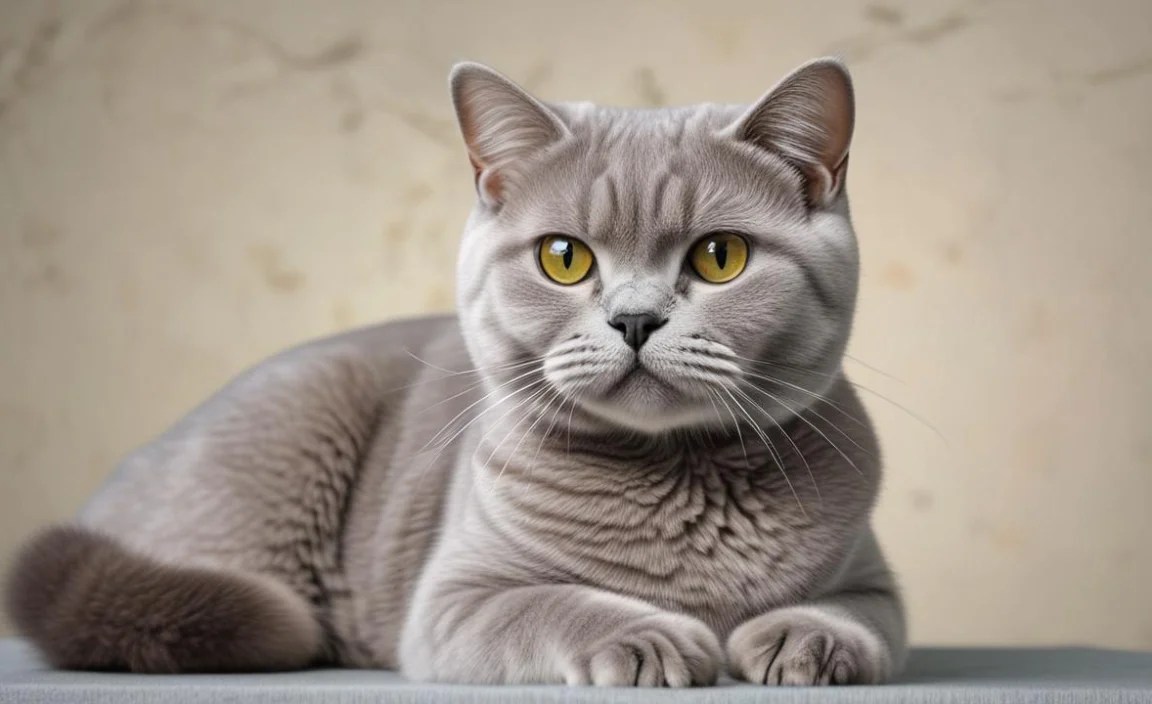
It’s normal to have questions or concerns about your British Shorthair’s behavior and loyalty. Here are some common issues and how to address them:
My British Shorthair Doesn’t Cuddle
Not all British Shorthairs are cuddlers, and that’s perfectly fine. Respect their preferences and find other ways to bond, such as playtime, grooming, or simply being in the same room. Forcing them to cuddle will only make them uncomfortable and damage your relationship. Remember, their loyalty is often expressed through their calm presence and subtle signs of affection.
My British Shorthair Seems Aloof
British Shorthairs are known for their independent nature, which can sometimes be mistaken for aloofness. However, this doesn’t mean they don’t love you. They simply express their affection in a more subtle way. Pay attention to the small signs, such as following you around, slow blinking, and head bunting. These are all signs that they are bonded to you.
My British Shorthair is Destructive When I’m Away
Destructive behavior can be a sign of boredom or anxiety. Make sure your British Shorthair has plenty of toys and scratching posts to keep them entertained. You can also try leaving the radio or TV on while you’re away to provide some background noise. If the behavior persists, consult with a veterinarian or a certified cat behaviorist. According to the Cornell Feline Health Center, environmental enrichment can help reduce destructive behaviors.
Introducing a New Pet
Introducing a new pet to your British Shorthair requires patience and careful planning. Start by keeping the pets separate and gradually introducing their scents. Allow them to interact under supervision, and provide plenty of positive reinforcement. It may take time for them to adjust, but with patience, they can learn to coexist peacefully. Ensure that each pet has its own resources, such as food bowls, litter boxes, and beds, to minimize competition.
British Shorthair Loyalty Over Time

The loyalty of a British Shorthair can evolve as they age. Here’s what you might expect at different life stages:
Kittenhood
As kittens, British Shorthairs are playful and curious. This is a crucial time for socialization, so ensure they have positive interactions with people and other animals. They may be more overtly affectionate as kittens, seeking attention and cuddles. Establishing a strong bond during this stage sets the foundation for a lifelong relationship.
Adulthood
Adult British Shorthairs tend to be more independent and settled in their routines. They may become less demanding of attention but will still show their affection in subtle ways. Consistent care and attention are essential to maintain a strong bond. Provide regular playtime, grooming, and quality time together to reinforce your relationship.
Senior Years
Senior British Shorthairs may become more dependent on their owners as they age. They may seek more comfort and reassurance, and their affection may become more pronounced. Be patient and understanding of their changing needs, and provide extra care and attention. Regular veterinary check-ups are crucial to ensure they remain healthy and comfortable.
Comparing British Shorthair Loyalty to Other Breeds

While all cats are individuals, here’s a general comparison of British Shorthair loyalty to that of other popular breeds:
| Breed | Loyalty Characteristics | Typical Affection Level |
|---|---|---|
| British Shorthair | Quiet companionship, prefers being nearby, subtle signs of affection | Moderate |
| Siamese | Highly attached, vocal, follows owners closely | High |
| Maine Coon | Gentle giants, affectionate, enjoys family time | High |
| Persian | Calm, docile, prefers quiet affection | Moderate |
| Ragdoll | Docile, affectionate, enjoys being held | High |
As you can see, British Shorthairs fall into the moderate range in terms of affection. They may not be as overtly affectionate as some breeds, but their loyalty is just as strong. It’s important to choose a breed that matches your lifestyle and preferences.
Practical Tips for Daily Life

Here are some practical tips to ensure your British Shorthair feels loved and secure in their daily life:
- Create a Routine: Cats thrive on routine. Feeding, playtime, and grooming should happen around the same time each day.
- Provide Choices: Offer a variety of toys, beds, and scratching posts to cater to their preferences.
- Monitor Health: Regular vet visits are crucial for detecting and addressing any health issues early.
- Be Patient: Building a strong bond takes time. Be patient and understanding, and your British Shorthair will reward you with their loyalty and affection.
- Safe Environment: Always ensure your home is safe by removing any toxic plants or chemicals.
FAQ About British Shorthair Loyalty
Are British Shorthairs affectionate cats?
Yes, but in their own way. They are not overly demanding of attention but show affection through their calm presence and subtle gestures like slow blinking and head bunting.
Do British Shorthairs get attached to their owners?
Yes, they form strong bonds with their owners. They enjoy being near their favorite people and often follow them around the house.
Are British Shorthairs good family pets?
Yes, they are excellent family pets. They are gentle, patient, and get along well with children and other pets, especially when properly socialized.
How do I know if my British Shorthair loves me?
They show love by being near you, slow blinking, head bunting, purring, and generally being relaxed and comfortable in your presence.
Do British Shorthairs like to cuddle?
Some do, but many prefer to sit next to you rather than on your lap. Respect their boundaries and allow them to approach you on their own terms.
Are British Shorthairs high-maintenance cats?
No, they are relatively low-maintenance. They require regular grooming to prevent mats and tangles, but they are generally healthy and independent cats.
How can I make my British Shorthair more affectionate?
Provide consistent care, engage in regular playtime, and respect their boundaries. Positive reinforcement and a safe, comfortable environment will help strengthen your bond.
Conclusion
British Shorthairs may not be the most outwardly affectionate cats, but their loyalty is undeniable. They form deep, quiet bonds with their owners and show their love through calm companionship and subtle gestures. By understanding their unique way of expressing affection and providing consistent care and attention, you can build a strong and lasting relationship with your British Shorthair. Remember, patience and respect are key to unlocking their gentle, loving nature. Enjoy the rewarding experience of sharing your life with this wonderful breed, and cherish the quiet, steadfast loyalty they offer.


