
British Shorthair: Affectionate but Independent Cat Secret

British Shorthair Affectionate But Independent Cat: A Guide

British Shorthairs are known for being affectionate but also enjoy their own space. They’ll happily cuddle, but they aren’t usually clingy. This balance makes them great companions for people who want a loving cat without constant demands for attention. Understanding their independent nature will help you build a strong bond.
Is your British Shorthair sending you mixed signals? One minute they’re purring in your lap, the next they’re off exploring on their own. Don’t worry, this is perfectly normal for the breed! British Shorthairs are famous for their gentle, loving nature, but they also have a strong independent streak.
It’s not always easy to understand how to best care for a cat with this personality. In this guide, I’ll walk you through understanding your British Shorthair’s unique temperament and how to nurture their affectionate side while respecting their independence. Together, we’ll ensure your furry friend is happy, healthy, and feels loved, all on their own terms. First, let’s look at some common questions.
Frequently Asked Questions About British Shorthairs
Here are some of the most common questions I get asked about British Shorthairs. I hope these clear up any initial concerns you might have!
- Are British Shorthairs truly affectionate?
Yes, they are! They show affection through purring, cuddling, and gentle headbutts. They enjoy being near their owners but don’t usually demand constant attention.
- Why is my British Shorthair so independent?
It’s part of their breed characteristics. They are self-sufficient cats who are comfortable spending time alone. This doesn’t mean they don’t love you; it just means they value their personal space.
- How can I bond with my independent British Shorthair?
Engage in short, regular play sessions, offer gentle grooming, and respect their need for space. Let them come to you for affection, rather than forcing it.
- Do British Shorthairs get lonely?
They can, especially if left alone for very long periods. Provide them with plenty of toys, scratching posts, and a comfortable environment. If you’re often away, consider getting a companion animal.
- Are British Shorthairs good family pets?
Yes, they are known to be good family pets! They are patient and tolerant, making them suitable for households with children. However, always supervise interactions between young children and cats.
- What kind of environment do British Shorthairs thrive in?
They thrive in calm, stable environments where they feel safe and secure. Provide them with cozy places to rest and observe their surroundings.
- Is there a difference in affection levels between male and female British Shorthairs?
Generally, there is no significant difference. Each cat has their unique personality. Some may be more cuddly than others, regardless of gender.
Understanding the British Shorthair Temperament

To truly appreciate your British Shorthair, it’s essential to understand their unique temperament. These cats are known for their calm, dignified, and adaptable nature. However, their independence can sometimes be misunderstood.
Affectionate, But Not Needy
British Shorthairs are affectionate cats, but they show it in their own way. They aren’t usually lap cats who demand constant attention. Instead, they prefer to be near you, often choosing a spot on the sofa or the floor in the same room. They might greet you at the door, rub against your legs, or enjoy a gentle cuddle when they’re in the mood. This breed’s independence means they are happy to entertain themselves, which can be a relief for busy owners.
The Independent Streak
Their independence stems from their history as working cats in British farms and streets. They were bred to be hardy and self-sufficient, traits that have been passed down through generations. This independence means they are less prone to separation anxiety than some other breeds. They are content spending time alone, playing with toys, or simply napping in a sunny spot.
Adapting to Their Personality
Understanding this balance is key to a harmonious relationship. Instead of forcing affection, let your British Shorthair come to you. Respect their need for space and downtime. Provide them with a comfortable and stimulating environment, and they will reward you with their quiet, steady companionship.
Creating the Perfect Environment
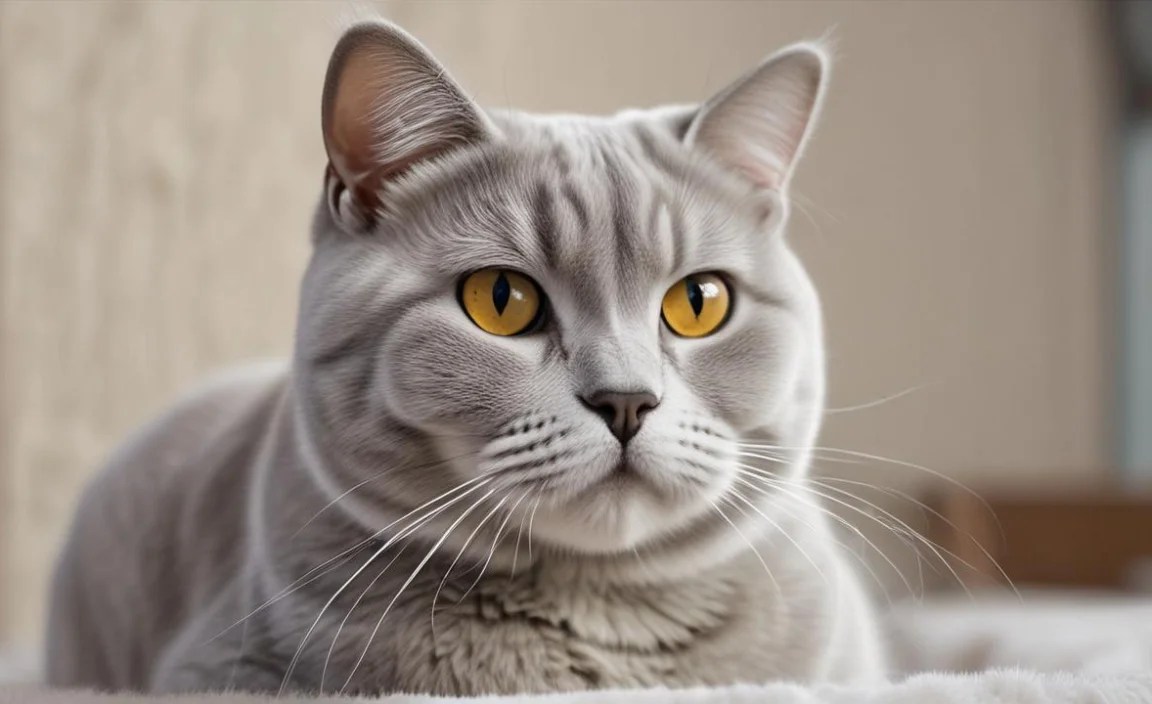
A happy British Shorthair is one that feels safe, secure, and stimulated. Creating the right environment is crucial for nurturing their affectionate side while respecting their independence.
Comfortable Resting Spots
British Shorthairs love to nap, so providing them with comfortable resting spots is essential. These cats appreciate having options, so offer a variety of beds, blankets, and perches in different locations around your home. A cozy bed in a quiet corner, a soft blanket on the sofa, and a perch by the window will all be appreciated.
Enrichment and Play
While British Shorthairs are not as demanding as some breeds, they still need mental and physical stimulation. Provide them with a variety of toys, such as:
- Puzzle Toys: These toys challenge their minds and keep them entertained.
- Interactive Toys: Laser pointers, wands with feathers, and toy mice can encourage play.
- Scratching Posts: Essential for their physical and mental well-being.
- Cat Trees: Offer climbing opportunities and a high vantage point to observe their surroundings.
Aim for short, regular play sessions rather than long, infrequent ones. 10-15 minutes a few times a day is usually sufficient.
Safe and Secure Spaces
British Shorthairs thrive in calm, stable environments. Ensure they have access to safe spaces where they can retreat if they feel overwhelmed. This could be a quiet room, a covered cat bed, or even a cardboard box. Make sure these spaces are easily accessible and free from disturbances.
Bonding With Your British Shorthair

Building a strong bond with your British Shorthair requires patience, understanding, and a willingness to respect their boundaries. Here are some tips to help you connect with your feline friend:
Gentle Interaction
Approach your British Shorthair gently and allow them to initiate contact. Avoid picking them up or forcing cuddles if they seem reluctant. Instead, offer a gentle stroke or a scratch under the chin and see how they respond. Over time, they will learn to trust you and associate you with positive experiences.
Playtime
Engage in regular play sessions with your cat. This is a great way to bond and provide them with the exercise and mental stimulation they need. Use toys that mimic prey, such as feather wands or toy mice, and let them stalk, chase, and pounce. This not only satisfies their natural instincts but also strengthens your relationship.
Grooming
British Shorthairs have a dense coat that requires regular grooming. Use a soft brush to gently remove loose hair and prevent mats. Most British Shorthairs enjoy being groomed, and it can be a relaxing and bonding experience for both of you. Grooming also allows you to check for any signs of skin problems or parasites.
Respect Their Space
One of the most important things you can do to bond with your British Shorthair is to respect their need for space. If they walk away from you or retreat to their safe space, don’t follow them or try to force interaction. Instead, give them time to come to you. This shows them that you respect their boundaries and that they can trust you.
Training and Socialization
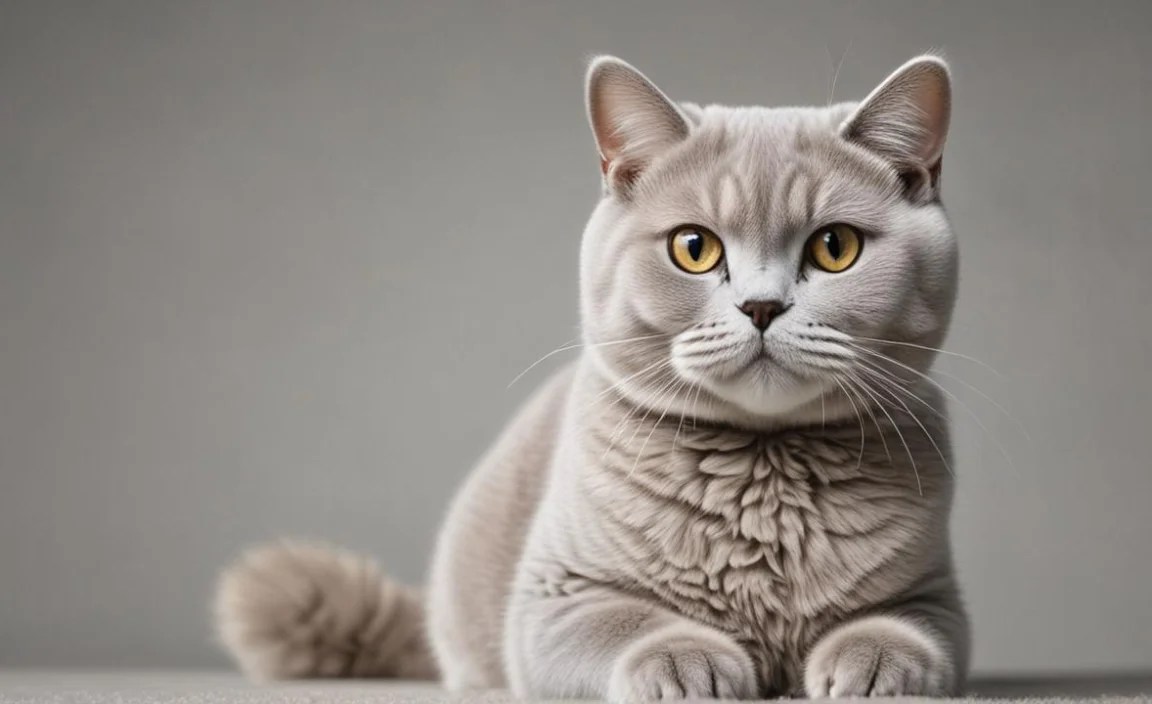
While British Shorthairs are not as easily trained as some other breeds, they are intelligent and can be taught basic commands and tricks. Socialization is also important, especially during kittenhood.
Basic Training
Use positive reinforcement techniques, such as treats and praise, to encourage desired behaviors. Keep training sessions short and fun, and avoid punishment, which can damage your relationship. You can teach your British Shorthair to come when called, sit, or even perform simple tricks like giving a paw. Consistency is key, so practice regularly.
Socialization
Expose your British Shorthair kitten to a variety of sights, sounds, and experiences to help them become well-adjusted adults. Introduce them to different people, animals, and environments in a safe and controlled manner. This will help them develop confidence and reduce the likelihood of behavioral problems later in life. The RSPCA offers great advice on socializing your kitten.
Managing Independence
Even with training and socialization, your British Shorthair will still retain their independent streak. Embrace this aspect of their personality and find ways to work with it. For example, if your cat prefers to sleep alone, provide them with a comfortable bed in a quiet room. If they enjoy playing alone, provide them with a variety of toys that they can entertain themselves with. By respecting their independence, you’ll be building a stronger bond.
Nutrition and Health
Proper nutrition and health care are essential for the well-being of your British Shorthair. A balanced diet and regular veterinary checkups will help them live a long and happy life.
Choosing the Right Food
Feed your British Shorthair a high-quality diet that is appropriate for their age and activity level. Look for cat foods that are rich in protein and low in carbohydrates. Avoid foods that contain artificial colors, flavors, or preservatives. You may wish to discuss the best options with your vet. The Cornell Feline Health Center offers detailed nutritional advice.
Here’s a simple table to guide you in choosing the right type of food:
| Life Stage | Recommended Food Type | Key Nutritional Needs |
|---|---|---|
| Kitten | Kitten-specific formula | High protein and calories for growth |
| Adult | Adult maintenance formula | Balanced protein, fats, and carbohydrates |
| Senior | Senior-specific formula | Lower calories, easily digestible |
Regular Veterinary Care
Schedule regular checkups with your veterinarian to ensure your British Shorthair is in good health. Vaccinations, parasite control, and dental care are all important aspects of preventative care. Your veterinarian can also help you identify and address any potential health problems early on. Purina provides a useful guide to cat health.
Common Health Issues
British Shorthairs are generally healthy cats, but they are prone to certain health issues, such as:
- Hypertrophic Cardiomyopathy (HCM): A common heart condition in cats.
- Polycystic Kidney Disease (PKD): An inherited kidney disease.
- Obesity: British Shorthairs can be prone to weight gain, so it’s important to monitor their diet and exercise levels.
Be aware of these potential health issues and discuss them with your veterinarian. Early detection and treatment can help improve your cat’s quality of life.
Grooming Your British Shorthair
Grooming is an essential part of caring for your British Shorthair. Regular grooming not only keeps their coat looking beautiful but also helps to prevent mats and tangles.
Brushing
Brush your British Shorthair several times a week to remove loose hair and prevent mats. Use a soft brush or a grooming glove to gently massage their coat. This will also help to distribute natural oils and keep their skin healthy.
Bathing
British Shorthairs don’t usually need to be bathed very often, unless they get particularly dirty. When you do bathe them, use a cat-specific shampoo and rinse thoroughly. Be sure to dry them completely to prevent them from getting chilled.
Nail Trimming
Trim your British Shorthair’s nails regularly to prevent them from getting too long and sharp. Use cat-specific nail clippers and be careful not to cut the quick, which is the pink part of the nail that contains blood vessels and nerves. If you’re not comfortable trimming your cat’s nails yourself, your veterinarian or a professional groomer can do it for you.
Ear Cleaning
Check your British Shorthair’s ears regularly for signs of dirt, wax, or infection. Clean their ears with a cat-specific ear cleaner and a soft cloth. Avoid using cotton swabs, which can push debris further into the ear canal.
Addressing Behavioral Issues
While British Shorthairs are generally well-behaved cats, they can sometimes exhibit behavioral issues. Understanding the root cause of these issues is essential for addressing them effectively.
Common Behavioral Issues
Some common behavioral issues in British Shorthairs include:
- Scratching: Scratching is a natural behavior for cats, but it can become a problem if they are scratching furniture or other inappropriate surfaces.
- Biting: Biting can be a sign of fear, aggression, or playfulness.
- Spraying: Spraying is a territorial behavior that can be triggered by stress or changes in the environment.
- Aggression: Aggression can be directed towards people or other animals.
Identifying the Cause
Before you can address a behavioral issue, you need to identify the underlying cause. Is your cat stressed, bored, or in pain? Have there been any recent changes in their environment? Are they getting enough attention and stimulation? Once you understand the cause, you can develop a plan to address the issue.
Seeking Professional Help
If you’re struggling to address a behavioral issue on your own, don’t hesitate to seek professional help. A veterinarian or a certified cat behaviorist can help you identify the cause of the problem and develop a customized treatment plan. They can also provide you with guidance and support as you work to resolve the issue.
British Shorthairs in Multi-Pet Households
British Shorthairs can often live happily in multi-pet households, provided introductions are managed carefully and each animal’s needs are met.
Introducing a New Pet
When introducing a new pet to your British Shorthair, do it slowly and gradually. Start by keeping the animals separate and allowing them to get used to each other’s scent. Then, gradually introduce them to each other in a controlled environment. Supervise their interactions closely and be prepared to separate them if they are not getting along. The International Cat Association (TICA) offers good advice on introducing cats.
Providing Individual Attention
Make sure each pet receives individual attention and has their own space and resources. This will help to prevent jealousy and competition. Provide separate feeding stations, litter boxes, and resting spots for each animal. Spend quality time with each pet individually to strengthen your bond with them.
Monitoring Interactions
Monitor the interactions between your British Shorthair and other pets closely. Watch for signs of stress, aggression, or fear. If you notice any problems, separate the animals and seek professional help. With patience and understanding, most British Shorthairs can learn to live peacefully with other pets.
Senior British Shorthairs
As your British Shorthair ages, their needs will change. Senior cats require special care and attention to ensure they remain comfortable and healthy.
Changes in Behavior
Senior British Shorthairs may become less active, sleep more, and experience changes in their appetite and litter box habits. They may also become more sensitive to noise and stress. Be patient and understanding with your senior cat, and provide them with a calm and comfortable environment.
Health Concerns
Senior cats are more prone to certain health issues, such as arthritis, kidney disease, and cognitive dysfunction. Schedule regular checkups with your veterinarian to monitor your cat’s health and address any potential problems early on. Providing a warm and comfortable bed can help ease the symptoms of arthritis.
Adjusting Their Environment
Make adjustments to your cat’s environment to accommodate their changing needs. Provide them with easy access to food, water, and litter boxes. Consider using ramps or steps to help them reach their favorite resting spots. Keep their environment clean and free from hazards. With proper care and attention, your senior British Shorthair can continue to enjoy a happy and fulfilling life.
Conclusion
Understanding that your British Shorthair is affectionate but independent is the first step to building a wonderful relationship with them. By respecting their boundaries, providing a stimulating environment, and meeting their unique needs, you can create a bond built on trust and mutual respect. Whether it’s through gentle play, regular grooming, or simply offering a quiet, safe space, your British Shorthair will show their appreciation in their own special way.
Remember, patience and understanding are key. Enjoy the unique charm and quiet companionship of your British Shorthair, and you’ll have a loyal and loving friend for many years to come. The journey of understanding your cat’s personality is ongoing, and every purr, head nudge, and contented nap is a reward in itself.


