
Are British Shorthairs Affectionate Cats? Find Out!

British Shorthairs are moderately affectionate cats. They enjoy being near their owners but aren’t overly demanding of attention. They show affection through gentle companionship, such as following you around the house or sitting beside you. While not lap cats, they appreciate a good scratch behind the ears and enjoy being part of the family.
Are you wondering if a British Shorthair is the right cat for you? Or perhaps you already have one and want to understand their behavior better? Many people ask if British Shorthairs are affectionate because they’re drawn to their plush fur and calm demeanor. It’s true that their affection isn’t as obvious as some breeds, but they definitely have their own unique way of showing they care.
In this article, I’ll walk you through what to expect in terms of affection from a British Shorthair. You’ll discover how they bond, what makes them happy, and how to create a loving environment for your furry friend. Let’s explore the gentle world of British Shorthair affection together!
Understanding British Shorthair Affection


British Shorthairs have a reputation for being independent cats, but this doesn’t mean they aren’t affectionate. Their affection is often displayed in subtle ways that may differ from more demonstrative breeds. Understanding these nuances can help you appreciate your British Shorthair’s unique way of showing love.
The Independent Nature of British Shorthairs
British Shorthairs are known for their independent nature. They are not typically clingy cats and are quite content spending time on their own. This independence stems from their history as working cats in British farms and streets, where they had to be self-sufficient.
- Historical Background: Bred to be independent hunters and pest controllers.
- Temperament: Calm, relaxed, and not overly demanding.
- Behavior: Enjoys solitude but appreciates being part of the family.
This independence means they won’t constantly seek your attention, which can be a plus for busy households. However, it’s important to understand that they still need and appreciate your affection, just in a more understated way.
How British Shorthairs Show Affection
British Shorthairs show affection in ways that are often gentle and unobtrusive. They may not be lap cats, but they have their own unique ways of expressing their love.
- Proximity: They often like to be in the same room as you, following you around the house.
- Sitting Nearby: Instead of sitting on your lap, they might prefer to sit next to you on the couch or chair.
- Head Bunting: Gently rubbing their head against your legs or hands.
- Slow Blinking: Often referred to as “cat kisses,” slow blinking is a sign of trust and affection.
- Purring: A soft purr when you’re petting them is a clear sign of contentment.
These subtle gestures are their way of saying, “I like you and enjoy being around you.” Paying attention to these signs can help you better understand your British Shorthair’s feelings.
Common Misconceptions About British Shorthair Affection
There are several misconceptions about the affection levels of British Shorthairs. Some people mistakenly believe that their independence means they don’t care about their owners. This simply isn’t true.
- Myth: British Shorthairs are aloof and don’t need affection.
- Reality: They enjoy companionship but express it differently.
- Myth: They don’t bond with their owners.
- Reality: They form strong bonds but are not overly clingy.
- Myth: They don’t like to be petted or cuddled.
- Reality: They enjoy gentle petting and may tolerate cuddling in short bursts.
Understanding these misconceptions can help you appreciate your British Shorthair for who they are and avoid disappointment if they don’t behave like a more overtly affectionate breed.
Factors Influencing a British Shorthair’s Affection

Several factors can influence how affectionate a British Shorthair is. These include genetics, early socialization, and the environment they are raised in. Understanding these factors can help you create a loving and supportive home for your cat.
Genetics and Breeding
Genetics play a significant role in a cat’s temperament and affection levels. Responsible breeders prioritize breeding cats with good temperaments, which can influence the affectionate nature of their offspring.
- Breeder Reputation: Look for breeders who focus on temperament as well as physical traits.
- Parent Temperament: Ask about the temperament of the kitten’s parents.
- Genetic Predisposition: Some lines may be naturally more affectionate than others.
Choosing a kitten from a reputable breeder who values temperament can increase the likelihood of getting a more affectionate cat. It is worth researching breeders and asking detailed questions about their breeding practices.
Early Socialization
Early socialization is crucial for developing a well-adjusted and affectionate cat. Exposing kittens to a variety of people, animals, and experiences during their first few months can help them become more confident and loving.
- Exposure to Humans: Handling kittens from a young age helps them become comfortable with human contact.
- Interaction with Other Animals: Introducing kittens to other cats and friendly dogs can help them develop social skills.
- Positive Experiences: Ensuring that early experiences are positive and non-threatening is essential for building trust.
Kittens that are well-socialized are more likely to be affectionate and comfortable around people. Ask your breeder or shelter about the socialization practices they use.
Environment and Upbringing
The environment in which a British Shorthair is raised can also impact their affection levels. A calm, loving, and supportive home can help them feel secure and more likely to express affection.
- Safe and Secure Home: Providing a safe and comfortable environment can reduce stress and anxiety.
- Consistent Routine: Cats thrive on routine, so try to establish regular feeding and playtime schedules.
- Positive Reinforcement: Use positive reinforcement, such as treats and praise, to encourage desired behaviors.
| Factor | Description | Impact on Affection |
|---|---|---|
| Genetics | Inherited traits from parents | Can predispose cats to be more or less affectionate |
| Socialization | Early exposure to humans and other animals | Helps cats become comfortable and trusting |
| Environment | The cat’s home and living conditions | A safe and loving environment promotes affection |
Creating a nurturing environment can help your British Shorthair feel loved and secure, which can encourage them to show more affection.
Building a Bond with Your British Shorthair

Even though British Shorthairs are not overly demanding, there are many ways to build a strong bond with them. These strategies focus on understanding their preferences and creating positive interactions.
Understanding Their Preferences
Every cat is an individual, and understanding your British Shorthair’s unique preferences is key to building a strong bond. Pay attention to what they enjoy and what makes them uncomfortable.
- Observe Their Behavior: Notice when they seem most relaxed and happy.
- Identify Favorite Activities: Do they enjoy playing with toys, being petted, or simply being near you?
- Respect Their Boundaries: If they don’t like being picked up, avoid doing so.
By respecting their boundaries and catering to their preferences, you can build trust and strengthen your relationship.
Creating Positive Interactions
Positive interactions are essential for building a strong bond with your British Shorthair. These interactions should be enjoyable for both you and your cat.
- Playtime: Engage in regular playtime using toys like feather wands or laser pointers.
- Grooming: British Shorthairs enjoy being groomed, which can be a relaxing and bonding experience.
- Gentle Petting: Offer gentle petting, focusing on areas they enjoy, such as their head, chin, and back.
Regular, positive interactions will help your British Shorthair associate you with pleasant experiences, strengthening your bond.
Providing a Comfortable Environment
A comfortable and stimulating environment can significantly impact your British Shorthair’s well-being and their bond with you. Ensure they have everything they need to feel safe and happy.
- Comfortable Bed: Provide a soft and cozy bed where they can relax and feel secure.
- Scratching Posts: Offer scratching posts to satisfy their natural scratching instincts and protect your furniture.
- Enrichment Activities: Provide toys, puzzles, and climbing structures to keep them mentally stimulated.
A well-equipped and stimulating environment can help your British Shorthair feel content and strengthen their bond with you.
Practical Tips for Showing Affection to Your British Shorthair
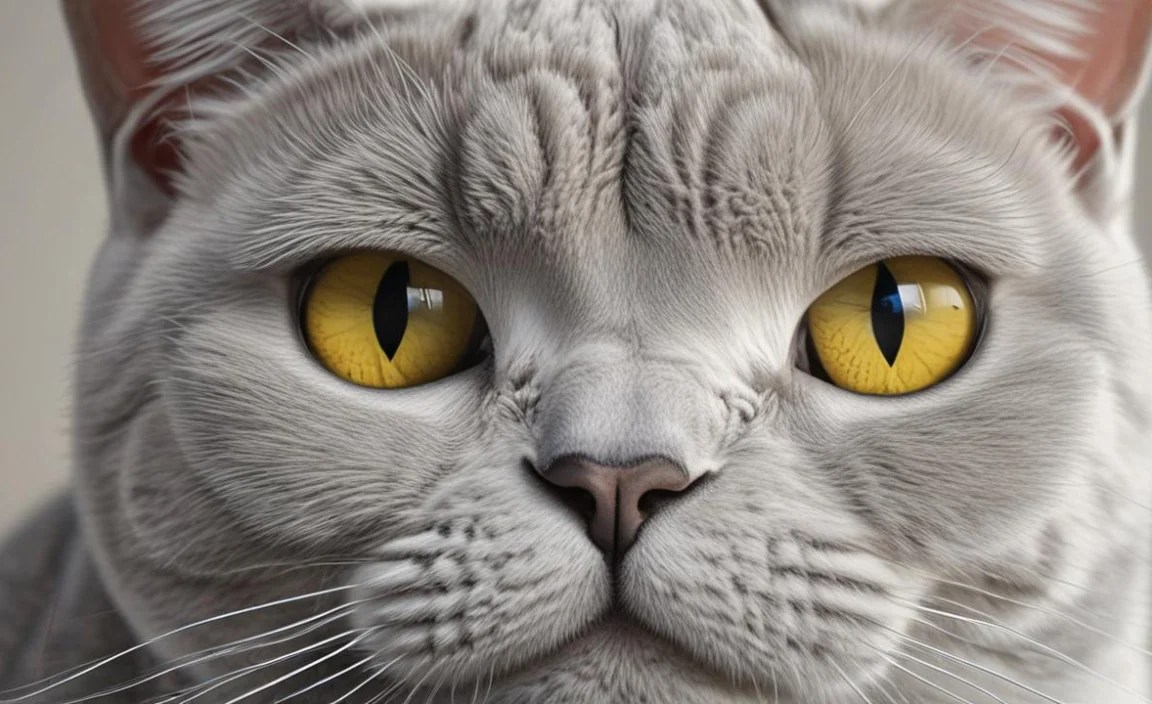
Showing affection to your British Shorthair doesn’t have to be complicated. Simple, consistent gestures can go a long way in making them feel loved and secure.
Gentle Petting Techniques
British Shorthairs generally enjoy being petted, but it’s important to use gentle techniques and pay attention to their body language.
- Start Slowly: Begin by gently stroking their head and back.
- Observe Their Reaction: If they seem relaxed and content, continue petting them.
- Avoid Sensitive Areas: Most cats don’t like being petted on their belly or tail.
Gentle, mindful petting can be a great way to show affection and strengthen your bond.
Playtime Activities
Playtime is a fantastic way to bond with your British Shorthair and provide them with exercise and mental stimulation.
- Feather Wands: These toys mimic the movement of prey and can be highly engaging.
- Laser Pointers: Cats love chasing the light from laser pointers, but be sure to end the game with a physical toy they can catch.
- Puzzle Toys: These toys challenge your cat to solve a puzzle to get a treat, providing mental stimulation.
Regular playtime not only provides exercise but also strengthens the bond between you and your cat.
Verbal Affirmations
Talking to your British Shorthair in a soft, soothing voice can also be a way to show affection. They may not understand the words, but they can sense your tone and intention.
- Use a Gentle Tone: Speak in a calm and reassuring voice.
- Say Their Name: Use their name frequently when talking to them.
- Offer Praise: Praise them when they exhibit positive behaviors, such as using the litter box or playing nicely.
Verbal affirmations can help your British Shorthair feel loved and secure, even if they don’t fully understand what you’re saying.
Addressing Affection-Related Concerns
Sometimes, British Shorthair owners may have concerns about their cat’s affection levels or changes in their behavior. Understanding these issues and knowing how to address them can help ensure a happy and healthy relationship with your cat.
When to Consult a Veterinarian
If you notice a sudden change in your British Shorthair’s behavior, such as a decrease in affection or increased irritability, it’s important to consult a veterinarian. These changes can sometimes indicate an underlying health issue.
- Sudden Behavioral Changes: Any abrupt change in behavior should be investigated.
- Loss of Appetite: A decrease in appetite can be a sign of illness.
- Lethargy: If your cat seems unusually tired or withdrawn, consult a vet.
A vet can perform a physical exam and run tests to rule out any medical causes for the change in behavior.
Dealing with Behavioral Issues
Behavioral issues can sometimes affect a cat’s affection levels. Addressing these issues with patience and understanding can help restore a loving relationship.
- Anxiety: Anxious cats may be less affectionate. Identify and address the source of their anxiety.
- Aggression: Aggression can be a sign of fear or pain. Consult a vet or behaviorist for guidance.
- Territoriality: Territorial behavior can lead to conflict with other pets. Provide separate resources and safe spaces for each cat.
Addressing behavioral issues requires patience and consistency. Consulting with a vet or certified cat behaviorist can provide valuable insights and strategies.
Seeking Professional Help
In some cases, you may need to seek professional help from a veterinarian or certified cat behaviorist. These experts can provide tailored advice and support to address specific concerns.
- Veterinarian: Can rule out medical causes for behavioral changes and provide treatment for underlying health issues.
- Certified Cat Behaviorist: Can help identify and address behavioral issues, such as anxiety, aggression, or territoriality.
- Animal Trainer: Can provide training techniques to improve your cat’s behavior and strengthen your bond.
Seeking professional help can provide you with the tools and knowledge you need to address affection-related concerns and improve your relationship with your British Shorthair.
FAQ About British Shorthair Affection
Here are some frequently asked questions about the affection levels of British Shorthairs:
- Are British Shorthairs good lap cats?
- British Shorthairs are not typically lap cats. They prefer to sit next to you rather than on your lap, but they still enjoy being close.
- How can I tell if my British Shorthair loves me?
- They show affection through subtle gestures like following you, sitting nearby, head bunting, slow blinking, and purring.
- Do British Shorthairs get lonely?
- While independent, they still need companionship. Ensure they have plenty of toys, playtime, and interaction with you to prevent loneliness.
- Are British Shorthairs affectionate with children?
- Yes, they are generally good with children, especially if they have been socialized from a young age. Teach children to respect the cat’s boundaries and handle them gently.
- Do British Shorthairs like to be held?
- Most British Shorthairs don’t enjoy being held for long periods. They may tolerate short cuddles, but prefer to have their feet on the ground.
- Why is my British Shorthair suddenly less affectionate?
- A sudden change in behavior could indicate a health issue. Consult a veterinarian to rule out any medical causes.
- How do I make my British Shorthair more affectionate?
- Provide a loving environment, engage in regular playtime, offer gentle petting, and respect their boundaries. Positive interactions will help strengthen your bond.
Conclusion
British Shorthairs may not be the most overtly affectionate cats, but they certainly have their own unique way of showing love and companionship. Understanding their independent nature, creating a supportive environment, and engaging in positive interactions can help you build a strong and loving bond with your British Shorthair.
Remember, every cat is an individual, and their affection levels can vary. By paying attention to their preferences, respecting their boundaries, and providing them with the care and attention they need, you can enjoy a fulfilling and rewarding relationship with your British Shorthair. Embrace their gentle nature, appreciate their subtle gestures, and cherish the quiet companionship they offer. With patience and understanding, you’ll find that a British Shorthair can be a wonderful and affectionate addition to your family.


