
British Shorthair Playful Energy Level: The Secret?

Quick Summary: British Shorthairs are known for their calm and easygoing nature, but they do have playful moments! While not as hyperactive as some breeds, they enjoy interactive play, especially as kittens and young adults. Daily play sessions, puzzle toys, and scratching posts can keep them happy and healthy. As they mature, their energy levels tend to decrease, but they still appreciate gentle games and attention.
Are you wondering if a British Shorthair is the right cat for your family? Many people are drawn to their cuddly appearance and reputation for being relaxed. But what about playtime? It’s true that British Shorthairs aren’t usually bouncing off the walls, but they definitely need and enjoy regular exercise and mental stimulation. It’s all about understanding their unique energy levels and providing the right kind of activities. Let’s explore how to keep your British Shorthair happy, healthy, and playfully engaged throughout their life!
Understanding the Playful Energy of British Shorthairs

British Shorthairs are often described as adaptable and laid-back cats. This is definitely part of their charm! However, it’s important to remember that all cats, including British Shorthairs, have natural instincts that need to be satisfied through play. Understanding their energy levels at different life stages will help you provide the best care.
Kittenhood: A Time of Exploration and Play
British Shorthair kittens are naturally more energetic than adults. They are curious, playful, and love to explore their surroundings. Expect frequent bursts of energy, chasing games, and climbing adventures. Providing plenty of toys and opportunities for interaction is crucial during this stage for their physical and mental development.
- Hunting Instincts: Kittens practice their hunting skills through play.
- Socialization: Play helps kittens learn social boundaries with humans and other animals.
- Physical Development: Play builds muscle strength and coordination.
Adulthood: Moderate Energy with Playful Bursts
As British Shorthairs mature, their energy levels tend to decrease. However, they still enjoy playing, especially when it involves interactive games with their owners. They might not initiate play as often as kittens, but they will happily participate if you engage them. Short, focused play sessions are often more effective than long, drawn-out ones.
British Shorthairs are known for their intelligence, so puzzle toys are a great way to keep them entertained and mentally stimulated. These toys challenge them to solve problems and reward them with treats, satisfying their natural hunting instincts.
Senior Years: Gentle Play and Comfort
Senior British Shorthairs are typically less active than younger cats. They may prefer shorter, gentler play sessions or simply enjoy watching you from their favorite spot. It’s important to adjust your play style to accommodate their physical limitations and provide a comfortable and safe environment.
Even in their senior years, British Shorthairs still benefit from mental stimulation. Gentle grooming sessions, quiet cuddles, and interactive toys can help keep them engaged and happy.
Factors Affecting Playfulness
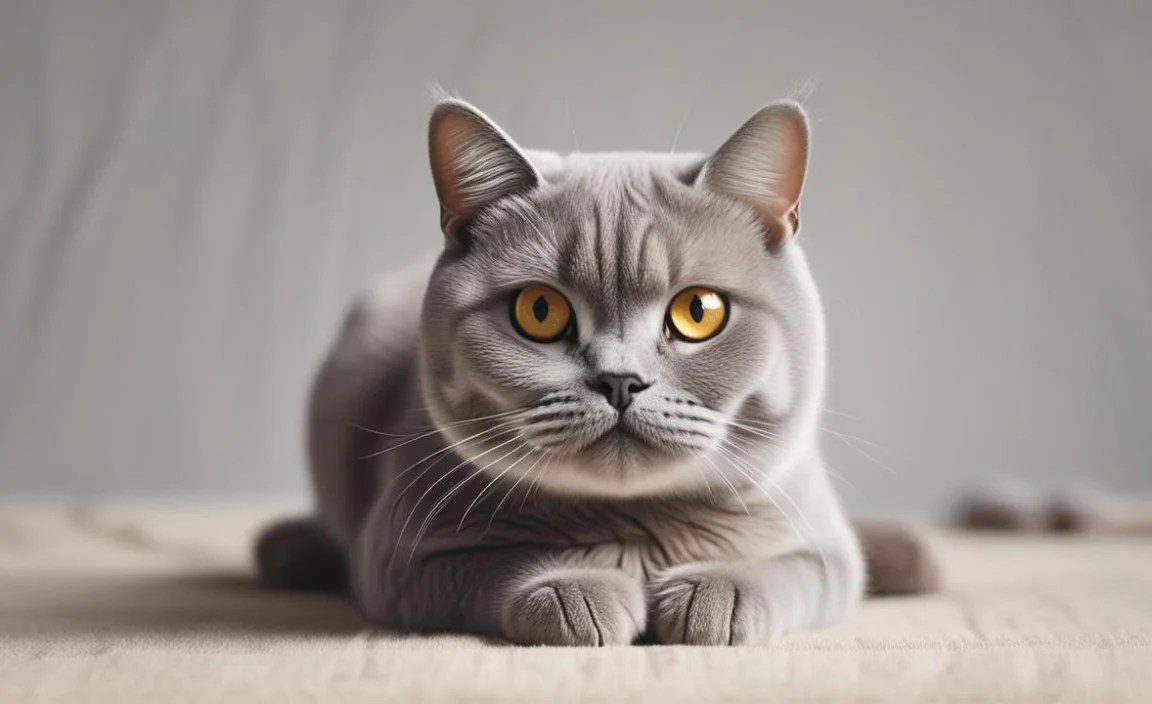
Several factors can influence a British Shorthair’s playful energy level. Understanding these factors can help you tailor your cat’s environment and activities to their individual needs.
- Age: As mentioned earlier, kittens are generally more playful than adults and seniors.
- Health: Underlying health conditions can affect a cat’s energy levels. If you notice a sudden decrease in your cat’s playfulness, consult your veterinarian.
- Environment: A stimulating environment with plenty of toys, scratching posts, and climbing opportunities can encourage play.
- Diet: A balanced and nutritious diet is essential for maintaining a cat’s energy levels.
- Personality: Just like people, cats have individual personalities. Some British Shorthairs are naturally more playful than others.
How to Encourage Play in Your British Shorthair

Even if your British Shorthair isn’t the most energetic cat, there are many ways to encourage them to play and stay active. The key is to find activities that appeal to their individual preferences and energy levels.
Creating a Playful Environment
A stimulating environment is crucial for encouraging play. Here are some tips for creating a playful space for your British Shorthair:
- Provide a variety of toys: Offer a mix of toys, such as feather wands, toy mice, balls, and puzzle toys. Rotate the toys regularly to keep your cat interested.
- Install scratching posts: Scratching is a natural behavior for cats. Providing scratching posts can help redirect this behavior away from your furniture.
- Create climbing opportunities: Cats enjoy climbing and observing their surroundings from a high vantage point. Consider adding cat trees or shelves to your home.
- Offer hiding places: Cats feel safe and secure in enclosed spaces. Provide cardboard boxes, cat caves, or covered beds where your cat can retreat.
- Window perches: British Shorthairs often enjoy watching the world go by. A window perch can provide hours of entertainment.
Interactive Play Sessions
Interactive play is a great way to bond with your British Shorthair and encourage them to exercise. Here are some tips for making the most of your play sessions:
- Use a feather wand or laser pointer: These toys allow you to mimic the movement of prey, stimulating your cat’s hunting instincts.
- Engage in chasing games: Toss a toy mouse or ball and encourage your cat to chase after it.
- Play hide-and-seek: Hide behind furniture or doorways and call your cat’s name. When they find you, reward them with praise and affection.
- Keep play sessions short and frequent: British Shorthairs often prefer shorter, more focused play sessions. Aim for 10-15 minutes of play several times a day.
- End play sessions with a “kill”: Allow your cat to catch the toy at the end of the session to satisfy their hunting instincts.
Choosing the Right Toys
With so many cat toys available, it can be overwhelming to choose the right ones for your British Shorthair. Here are some factors to consider:
- Safety: Choose toys that are made from non-toxic materials and are free of small parts that could be swallowed.
- Durability: British Shorthairs can be surprisingly strong, so choose toys that can withstand some wear and tear.
- Interest: Observe your cat’s play style and choose toys that appeal to their preferences. Some cats prefer toys that mimic prey, while others enjoy puzzle toys or toys that make noise.
Here’s a table showcasing the best types of toys for different play styles:
| Play Style | Toy Examples | Benefits |
|---|---|---|
| Hunter | Feather wands, toy mice, laser pointers | Satisfies hunting instincts, provides exercise |
| Thinker | Puzzle toys, treat balls | Provides mental stimulation, prevents boredom |
| Cuddler | Soft plush toys, catnip toys | Provides comfort and companionship |
The Importance of Consistency
Consistency is key when it comes to encouraging play. Set aside dedicated playtime each day and stick to a routine as much as possible. This will help your British Shorthair learn to anticipate and enjoy playtime.
Addressing Potential Problems
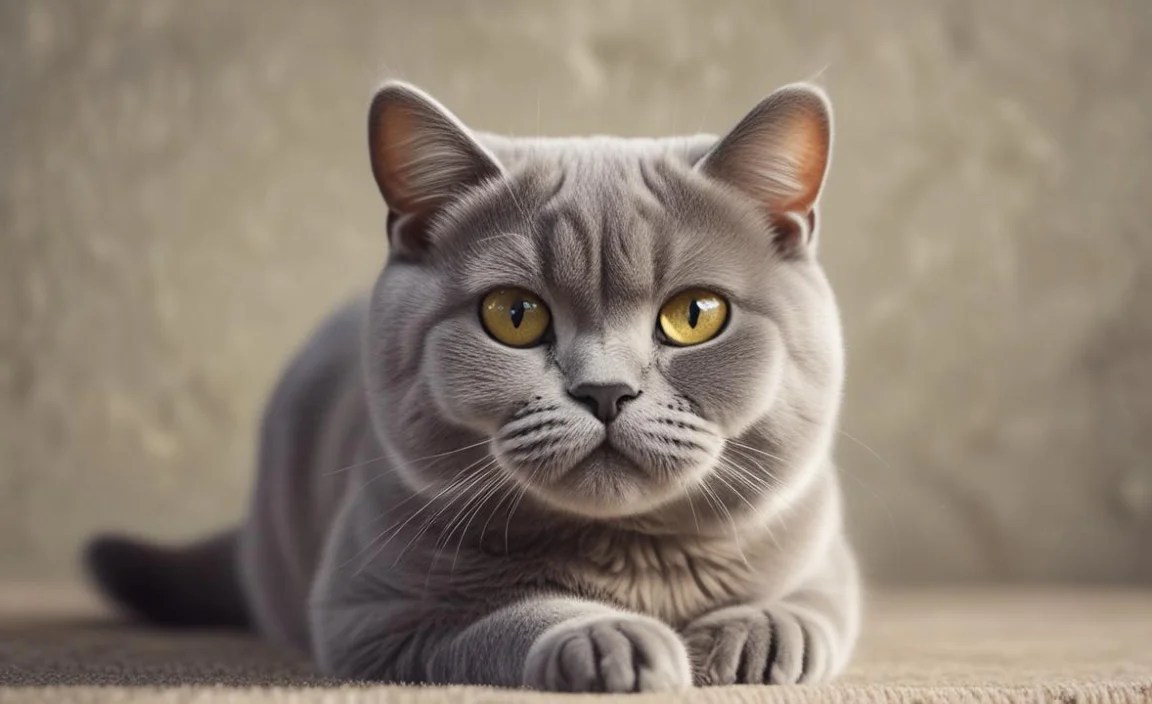
Sometimes, a British Shorthair may exhibit a lack of playfulness due to underlying issues. Here are some common problems and how to address them:
Medical Issues
A sudden decrease in playfulness can be a sign of an underlying health condition. If you notice any of the following symptoms, consult your veterinarian:
- Lethargy
- Loss of appetite
- Changes in litter box habits
- Difficulty moving or jumping
- Increased vocalization
Conditions such as arthritis, dental problems, and hyperthyroidism can affect a cat’s energy levels and willingness to play. Early diagnosis and treatment can help improve your cat’s quality of life.
Behavioral Issues
Stress, anxiety, or boredom can also contribute to a lack of playfulness. Here are some ways to address these issues:
- Provide a safe and comfortable environment: Make sure your cat has a quiet place to retreat to when they feel overwhelmed.
- Reduce stress: Identify and eliminate potential stressors in your cat’s environment, such as loud noises, changes in routine, or conflicts with other pets.
- Enrich the environment: Provide plenty of toys, scratching posts, and climbing opportunities to prevent boredom.
- Consider pheromone therapy: Feliway diffusers release synthetic feline pheromones that can help reduce stress and anxiety.
Overstimulation
While it’s important to provide plenty of stimulation, it’s also possible to overstimulate a cat. If your British Shorthair seems overwhelmed or agitated during play, reduce the intensity and duration of the sessions. Learn to recognize the signs of overstimulation, such as dilated pupils, flattened ears, and tail twitching.
British Shorthair Playfulness: A Life Stage Perspective

Let’s take a closer look at how playfulness evolves throughout a British Shorthair’s life:
British Shorthair Kitten Play (2-6 Months)
Kittens are bundles of energy! Their play is characterized by:
- Frequent bursts of activity
- Chasing and pouncing
- Exploration of their environment
- Learning social boundaries through play with littermates
Play Recommendations:
- Provide a variety of toys to stimulate their curiosity.
- Engage in frequent, short play sessions.
- Supervise playtime to ensure safety.
British Shorthair Adult Play (1-7 Years)
Adult cats have more controlled energy. Their play is characterized by:
- Less frequent but more focused play sessions
- Interest in interactive games
- Appreciation for puzzle toys and challenges
- A need for mental stimulation to prevent boredom
Play Recommendations:
- Offer interactive toys that mimic prey.
- Provide puzzle toys to challenge their intelligence.
- Establish a consistent play routine.
British Shorthair Senior Play (8+ Years)
Senior cats require gentle and adapted play. Their play is characterized by:
- Lower energy levels
- Preference for shorter, gentler play sessions
- Appreciation for quiet companionship and affection
- A need for comfortable and accessible play areas
Play Recommendations:
- Adapt play to their physical limitations.
- Provide soft toys and comfortable resting places.
- Offer gentle grooming and massage.
British Shorthair: Play and Exercise Needs
Here is a quick guide to the play and exercise needs of your British Shorthair at different stages of their life:
| Life Stage | Play Style | Exercise Needs | Toy Recommendations |
|---|---|---|---|
| Kitten (2-6 months) | High-energy, frequent bursts | Multiple short play sessions per day | Feather wands, toy mice, balls |
| Adult (1-7 years) | Moderate, focused play | One or two longer play sessions per day | Interactive toys, puzzle toys, treat balls |
| Senior (8+ years) | Gentle, low-impact play | Short, gentle play sessions as tolerated | Soft toys, catnip toys, gentle grooming |
FAQ About British Shorthair Playful Energy Level
Here are some frequently asked questions about the playful energy level of British Shorthairs:
- Are British Shorthairs lazy cats?
- While they are known for their calm demeanor, British Shorthairs aren’t necessarily lazy. They enjoy playing, but they are not as hyperactive as some other breeds. They appreciate interactive play and mental stimulation.
- How much playtime does a British Shorthair need?
- Adult British Shorthairs typically need around 15-30 minutes of playtime per day, divided into shorter sessions. Kittens and younger cats may need more playtime.
- What are the best toys for British Shorthairs?
- British Shorthairs enjoy a variety of toys, including feather wands, toy mice, balls, and puzzle toys. Rotate the toys regularly to keep them interested.
- How can I tell if my British Shorthair is bored?
- Signs of boredom in British Shorthairs include excessive sleeping, overeating, destructive behavior, and a lack of interest in their surroundings. Providing more toys, climbing opportunities, and interactive play can help prevent boredom.
- Do British Shorthairs like to play with other cats?
- Some British Shorthairs enjoy playing with other cats, while others prefer to be the only cat in the household. It depends on their individual personalities and socialization experiences.
- My British Shorthair doesn’t seem interested in playing. What should I do?
- Try different types of toys and play styles to find what appeals to your cat. Make sure they are healthy and not experiencing any pain or discomfort. If you’re concerned, consult your veterinarian or a feline behaviorist.
- Are British Shorthairs good with children?
- Yes, British Shorthairs are generally known to be good with children. They are patient and tolerant, but it’s important to teach children how to interact with them gently and respectfully.
Conclusion
While British Shorthairs may not be the most high-energy cats, they definitely enjoy and benefit from regular play and mental stimulation. By understanding their energy levels at different life stages and providing a stimulating environment, you can help your British Shorthair stay happy, healthy, and engaged. Remember to be patient, observant, and adaptable, and you’ll find the perfect balance of play and relaxation for your feline companion. Enjoy the journey of discovering your cat’s unique personality and play preferences!


