
British Shorthair Playful vs Lazy Behavior: Secret?

Quick Summary: British Shorthairs are known for their calm and adaptable nature, but they aren’t couch potatoes! They have bursts of playful energy, especially as kittens and young adults. While they enjoy lounging, regular playtime is vital for their physical and mental health. Understanding their individual personality and providing appropriate enrichment will keep your British Shorthair happy and healthy.
Is your British Shorthair a playful bundle of joy or a serene, relaxed companion? Many people think British Shorthairs are just lazy cats, but that’s not the whole story. While they aren’t as hyperactive as some breeds, they definitely have their playful moments. Understanding the balance between their playful and lazy tendencies is key to providing the best environment for your feline friend.
This article will explore the typical activity levels of British Shorthairs, helping you understand their playful vs. lazy behavior. We’ll look at factors that influence their energy levels, ways to encourage playtime, and how to ensure they get enough exercise and mental stimulation. Let’s dive in and discover the playful side of your British Shorthair!
Understanding British Shorthair Temperament

British Shorthairs are famous for their easy-going and adaptable nature. They are often described as independent but affectionate, making them wonderful companions. To understand their playful vs. lazy behavior, it’s important to know their general temperament.
Key Traits of the British Shorthair:
- Calm and Adaptable: They adjust well to different environments and routines.
- Affectionate but Independent: They enjoy attention but are also happy to entertain themselves.
- Not Overly Demanding: They are less vocal and demanding than some breeds.
- Playful in Bursts: They have periods of activity followed by relaxation.
While these traits are common, remember that each cat is an individual. Some British Shorthairs might be more playful than others, while some may prefer to spend their days napping.
Playful Behavior in British Shorthairs

British Shorthairs might not be as energetic as some breeds, but they do enjoy playing. Their playful behavior is often characterized by short bursts of activity. Understanding what motivates them to play will help you encourage these behaviors.
Signs of Playful Behavior:
- Chasing Toys: They love chasing after toys, especially those that mimic prey.
- Pouncing: They enjoy pouncing on toys or even your feet (gently, of course!).
- batting at Objects: They will bat at dangling toys or objects that catch their attention.
- Zoomies: Sudden bursts of energy where they run around the house.
Factors Influencing Playfulness:
- Age: Kittens and young adults tend to be more playful than older cats.
- Health: A healthy cat is more likely to be playful.
- Environment: A stimulating environment with plenty of toys and opportunities for exploration will encourage playfulness.
- Individual Personality: Some cats are simply more playful than others.
Lazy Behavior in British Shorthairs

British Shorthairs are known for their relaxed demeanor and love of lounging. This “lazy” behavior is a normal part of their personality and shouldn’t be a cause for concern unless it’s accompanied by other symptoms of illness.
Signs of Lazy Behavior:
- Sleeping for Long Periods: Cats typically sleep 12-16 hours a day, and British Shorthairs are no exception.
- Lounging Around: They enjoy relaxing in comfortable spots around the house.
- Reduced Activity Levels: They might not be constantly running and jumping like some breeds.
- Preference for Quiet Activities: They might prefer gentle petting or simply observing their surroundings.
When to Be Concerned:
While laziness is normal, it’s important to monitor your cat for any sudden changes in behavior. Consult a veterinarian if you notice any of the following:
- Sudden Loss of Interest in Play: If your cat suddenly stops playing, it could be a sign of illness.
- Lethargy: Excessive sleepiness or lack of energy.
- Loss of Appetite: A significant decrease in food intake.
- Changes in Grooming Habits: Neglecting their grooming routine.
Encouraging Playtime and Exercise

Even though British Shorthairs enjoy their rest, regular playtime and exercise are essential for their physical and mental well-being. Here are some tips to encourage your cat to be more active:
Tips for Encouraging Playtime:
- Provide a Variety of Toys: Offer different types of toys to keep them interested, such as:
- Feather wands
- Laser pointers (use with caution)
- Puzzle toys
- Catnip toys
- Scratching posts
The Importance of Exercise
Exercise helps maintain a healthy weight, strengthens muscles, and promotes mental well-being. Aim for at least 15-20 minutes of active play per day. According to the RSPCA, regular play helps prevent obesity and boredom in cats.
Creating a Stimulating Environment
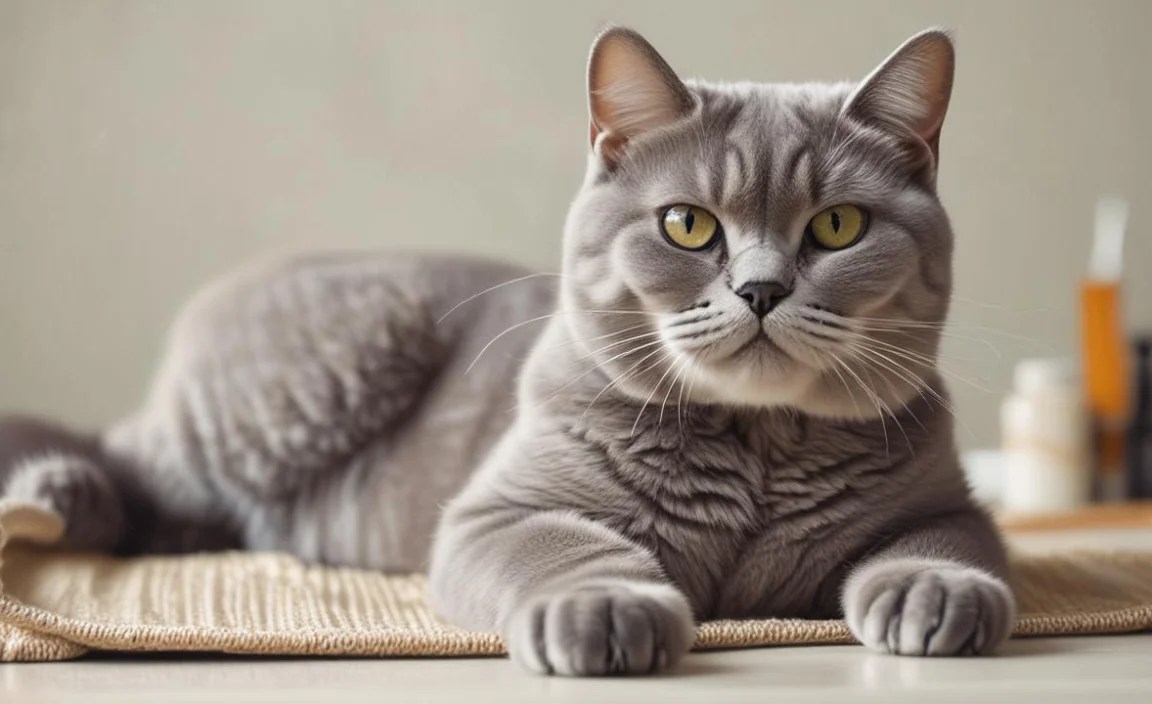
A stimulating environment is crucial for keeping your British Shorthair happy and healthy, whether they are naturally playful or more inclined to lounge. A well-designed environment can encourage activity, reduce boredom, and prevent behavioral issues.
Elements of a Stimulating Environment:
- Climbing Structures: Cat trees, shelves, and other climbing structures allow your cat to explore different heights and satisfy their natural climbing instincts.
- Scratching Posts: Scratching is a natural behavior that helps cats maintain their claws and mark their territory. Provide a variety of scratching posts made of different materials.
- Window Perches: Cats love to watch the world go by. Provide window perches so they can observe birds, squirrels, and other outdoor activities.
- Hiding Spots: Cats need a safe place to retreat when they feel stressed or overwhelmed. Provide boxes, tunnels, or covered beds where they can hide.
- Interactive Toys: Puzzle toys, treat balls, and other interactive toys challenge your cat’s mind and encourage them to be active.
Nutrition and Its Impact on Energy Levels
A balanced diet is essential for maintaining your British Shorthair’s energy levels and overall health. The food you choose should provide the necessary nutrients to support their activity levels and prevent weight gain.
Key Nutritional Considerations:
- High-Quality Protein: Protein is essential for building and maintaining muscle mass. Look for cat foods that list meat, fish, or poultry as the primary ingredient.
- Moderate Fat Content: Fat provides energy and supports healthy skin and coat.
- Limited Carbohydrates: Cats don’t require a lot of carbohydrates in their diet. Choose foods with limited amounts of grains or other fillers.
- Proper Portion Control: Overfeeding can lead to weight gain and health problems. Follow the feeding guidelines on the food packaging and adjust as needed based on your cat’s activity level and body condition.
Consulting Your Veterinarian
It’s always a good idea to consult with your veterinarian about your cat’s nutritional needs. They can recommend the best food for your cat’s age, activity level, and health condition.
British Shorthair Playful vs Lazy Behavior: A Balanced Approach
Finding the right balance between playtime and rest is key to keeping your British Shorthair happy and healthy. Understanding their individual personality and providing a stimulating environment will help them thrive.
Creating a Routine:
Establishing a daily routine that includes both playtime and rest can help regulate your cat’s energy levels. Here’s an example of a daily routine:
| Time | Activity | Description |
|---|---|---|
| Morning | Playtime | 15-20 minutes of interactive play with toys. |
| Mid-day | Lounging | Provide a comfortable spot for napping and relaxation. |
| Afternoon | Exploration | Allow access to window perches, climbing structures, and other stimulating areas. |
| Evening | Playtime | Another 15-20 minutes of interactive play. |
| Night | Rest | Provide a quiet and comfortable sleeping area. |
Observe and Adjust
Pay attention to your cat’s behavior and adjust the routine as needed. If they seem bored or restless, increase playtime or provide more enrichment. If they seem tired or overwhelmed, give them more opportunities to rest and relax.
Health Considerations Affecting Activity Levels
Certain health conditions can affect your British Shorthair’s activity levels. It’s important to be aware of these conditions and seek veterinary care if you notice any concerning symptoms.
Common Health Issues:
- Hypertrophic Cardiomyopathy (HCM): A heart condition that can cause fatigue and decreased activity.
- Polycystic Kidney Disease (PKD): A genetic kidney disease that can cause lethargy and loss of appetite.
- Arthritis: Joint pain and stiffness can make it difficult for cats to move around and play.
- Obesity: Excess weight can lead to decreased activity levels and other health problems.
When to See a Veterinarian:
Consult a veterinarian if you notice any of the following signs:
- Sudden decrease in activity level
- Lethargy or weakness
- Loss of appetite
- Difficulty moving or jumping
- Changes in breathing
Senior British Shorthairs: Adjusting Expectations
As British Shorthairs age, their activity levels naturally decline. It’s important to adjust your expectations and provide them with appropriate care to support their changing needs.
Changes in Behavior:
- Decreased Playfulness: Senior cats may be less interested in playing.
- Increased Sleeping: They may sleep more during the day.
- Reduced Mobility: They may have difficulty jumping or climbing.
Providing Senior Care:
- Soft Bedding: Provide comfortable and supportive bedding to ease joint pain.
- Low-Impact Exercise: Encourage gentle exercise, such as short walks or gentle play with toys.
- Easy Access to Resources: Place food, water, and litter boxes in easily accessible locations.
- Regular Veterinary Checkups: Senior cats need more frequent veterinary checkups to monitor their health and address any age-related issues.
According to Cornell Feline Health Center, senior cats benefit from environmental adjustments that cater to their decreased mobility and changing needs.
FAQ: British Shorthair Playful vs Lazy Behavior
Here are some frequently asked questions about the playful and lazy behaviors of British Shorthairs:
Q1: Are British Shorthairs lazy cats?
A1: While they aren’t as high-energy as some breeds, British Shorthairs aren’t truly lazy. They enjoy lounging and relaxing, but they also have playful moments, especially when they are kittens and young adults.
Q2: How much playtime do British Shorthairs need?
A2: Aim for at least 15-20 minutes of interactive play per day. Break it up into shorter sessions if your cat prefers.
Q3: What are the best toys for British Shorthairs?
A3: British Shorthairs enjoy a variety of toys, including feather wands, laser pointers (use with caution), puzzle toys, and catnip toys. Experiment to see what your cat prefers.
Q4: How can I encourage my British Shorthair to be more active?
A4: Provide a stimulating environment with climbing structures, scratching posts, and window perches. Schedule regular play sessions and use toys to engage their natural hunting instincts.
Q5: Is it normal for my British Shorthair to sleep a lot?
A5: Yes, cats typically sleep 12-16 hours a day. As long as your cat is otherwise healthy and active during their waking hours, there’s no need to worry.
Q6: When should I be concerned about my cat’s laziness?
A6: Consult a veterinarian if you notice a sudden loss of interest in play, lethargy, loss of appetite, or changes in grooming habits. These could be signs of an underlying health issue.
Q7: Do British Shorthairs become less playful as they get older?
A7: Yes, it’s normal for British Shorthairs to become less playful as they age. Adjust your expectations and provide them with appropriate care to support their changing needs.
Conclusion
Understanding the balance between playful and lazy behavior in British Shorthairs is essential for providing them with the best possible care. While they are known for their calm and adaptable nature, they still need regular playtime and exercise to stay healthy and happy. By providing a stimulating environment, a balanced diet, and plenty of opportunities for both activity and rest, you can ensure that your British Shorthair thrives. Remember to observe your cat’s individual personality and adjust your approach accordingly. With a little patience and understanding, you can create a harmonious and fulfilling life for your feline companion.


