
British Shorthair Calm Personality Traits: Ultimate Guide

Quick Summary:
British Shorthairs are known for their calm and easygoing nature, making them wonderful companions. They’re typically independent but enjoy gentle interaction. Key traits include being affectionate without being overly demanding, adaptable to various home environments, and relatively quiet. Regular playtime and a stable routine can further enhance their calm demeanor.
Is your British Shorthair the picture of feline serenity? Or are you dreaming of a calm, cuddly companion? Many adore the British Shorthair for their famously relaxed personality. But understanding the nuances of their calm nature is key to ensuring a happy life together.
It’s normal to wonder what truly makes these cats so chill. Are they always relaxed? How can you nurture their best qualities? We’ll explore the typical calm personality traits of British Shorthairs, and provide tips to support their well-being. Get ready to understand and enhance the calm, contented life of your British Shorthair!
Understanding the Calm Personality of British Shorthairs

The British Shorthair is often described as a gentle giant in the cat world. Their laid-back attitude and adaptable nature make them excellent family pets. But what exactly defines their calm personality?
Typical Calm Traits
- Affectionate but Not Demanding: They enjoy human company and affection but aren’t usually clingy or overly dependent.
- Independent: British Shorthairs are content with their own company, making them suitable for owners who work or are away from home for periods.
- Adaptable: They adjust well to different living environments, from apartments to larger homes, as long as their basic needs are met.
- Quiet: They are not known for being overly vocal, which can be a bonus for those who prefer a peaceful home.
- Playful but Not Hyperactive: They enjoy playtime but are not usually bouncing off the walls with excess energy.
Factors Influencing Personality
While breed characteristics provide a general guideline, individual personalities can vary. Several factors play a role:
- Genetics: Some cats are simply born with a more laid-back temperament.
- Early Socialization: Kittens who are well-socialized from a young age are more likely to be confident and calm as adults.
- Environment: A stable, predictable environment helps to reduce stress and anxiety, promoting a calmer demeanor.
- Health: Underlying health issues can sometimes affect a cat’s behavior, making them more irritable or withdrawn.
Creating a Calm Environment for Your British Shorthair

A serene environment is crucial for nurturing the calm personality of your British Shorthair. Here are practical steps to create a peaceful haven:
1. Provide a Safe and Secure Space
Cats feel most secure when they have a designated safe space. This could be a cozy bed, a quiet room, or even a cat tree where they can retreat when feeling overwhelmed. According to the RSPCA, providing a safe haven helps cats manage stress and anxiety.
- Choose a Quiet Location: Place the safe space away from loud noises and high-traffic areas.
- Make it Comfortable: Include soft bedding, familiar toys, and perhaps a blanket with their scent.
- Ensure Easy Access: Make sure your cat can easily access the safe space whenever they need it.
2. Establish a Consistent Routine
Cats thrive on routine. Predictable feeding times, playtime, and sleep schedules help them feel secure and reduce anxiety. According to the Cornell Feline Health Center, a consistent routine is essential for a cat’s emotional well-being.
- Feeding Schedule: Feed your cat at the same times each day.
- Playtime: Schedule regular playtime sessions to provide mental and physical stimulation.
- Sleep Schedule: Maintain a consistent sleep schedule by providing a quiet, dark place for your cat to rest.
3. Minimize Stressful Situations
Loud noises, sudden changes, and unfamiliar visitors can all cause stress for your cat. Minimize these situations as much as possible. If changes are unavoidable, introduce them gradually.
- Loud Noises: Avoid exposing your cat to loud music, construction noise, or other disruptive sounds.
- Sudden Changes: Introduce new pets, furniture, or routines gradually to allow your cat time to adjust.
- Unfamiliar Visitors: Provide your cat with a safe space to retreat to when visitors are present.
4. Offer Plenty of Mental and Physical Stimulation
A bored cat is more likely to develop behavioral issues. Provide plenty of toys, scratching posts, and opportunities for exploration to keep your cat mentally and physically stimulated. Interactive toys, puzzle feeders, and cat trees are all excellent options.
- Toys: Rotate toys regularly to keep your cat interested.
- Scratching Posts: Provide multiple scratching posts in different locations to satisfy their natural scratching instincts.
- Exploration: Allow your cat to explore their environment safely by providing access to windows, balconies, or enclosed outdoor spaces.
5. Use Calming Aids
If your cat is particularly anxious or stressed, consider using calming aids such as pheromone diffusers or calming supplements. These products can help to reduce anxiety and promote a sense of calm.
- Pheromone Diffusers: These release synthetic feline pheromones that mimic the natural pheromones produced by cats, creating a sense of security and well-being.
- Calming Supplements: These contain natural ingredients such as L-theanine or chamomile, which have calming effects. Always consult with your veterinarian before using any supplements.
Enhancing Calmness Through Interaction

How you interact with your British Shorthair can significantly impact their sense of calm. Gentle, positive interactions reinforce their feeling of security and happiness.
Gentle Handling
British Shorthairs generally appreciate gentle handling. Avoid sudden movements or loud noises when approaching or interacting with them. Always approach them calmly and allow them to come to you.
- Slow Approach: Approach your cat slowly and calmly, avoiding direct eye contact, which can be seen as threatening.
- Gentle Petting: Pet your cat gently on their head, back, or chin. Avoid petting them on their belly unless they specifically invite it.
- Respect Boundaries: Pay attention to your cat’s body language. If they seem uncomfortable or want to be left alone, respect their wishes.
Playtime Strategies
Playtime is essential for bonding and providing mental stimulation, but it’s important to keep the tone calm and positive. Avoid overly aggressive or stimulating games that could cause anxiety.
- Interactive Toys: Use toys that encourage your cat to stalk, chase, and pounce, such as wand toys or laser pointers.
- Short Sessions: Keep playtime sessions short and sweet, ending on a positive note.
- Avoid Overstimulation: Watch for signs of overstimulation, such as dilated pupils, twitching tail, or flattened ears, and end the session if necessary.
Positive Reinforcement
Positive reinforcement is a powerful tool for shaping your cat’s behavior. Reward them with treats, praise, or petting when they exhibit calm and relaxed behavior.
- Treats: Use small, healthy treats to reward your cat for good behavior.
- Praise: Use a calm, soothing voice to praise your cat when they are being calm and relaxed.
- Petting: Gently pet your cat when they are being calm and relaxed, reinforcing their positive behavior.
Addressing Potential Issues
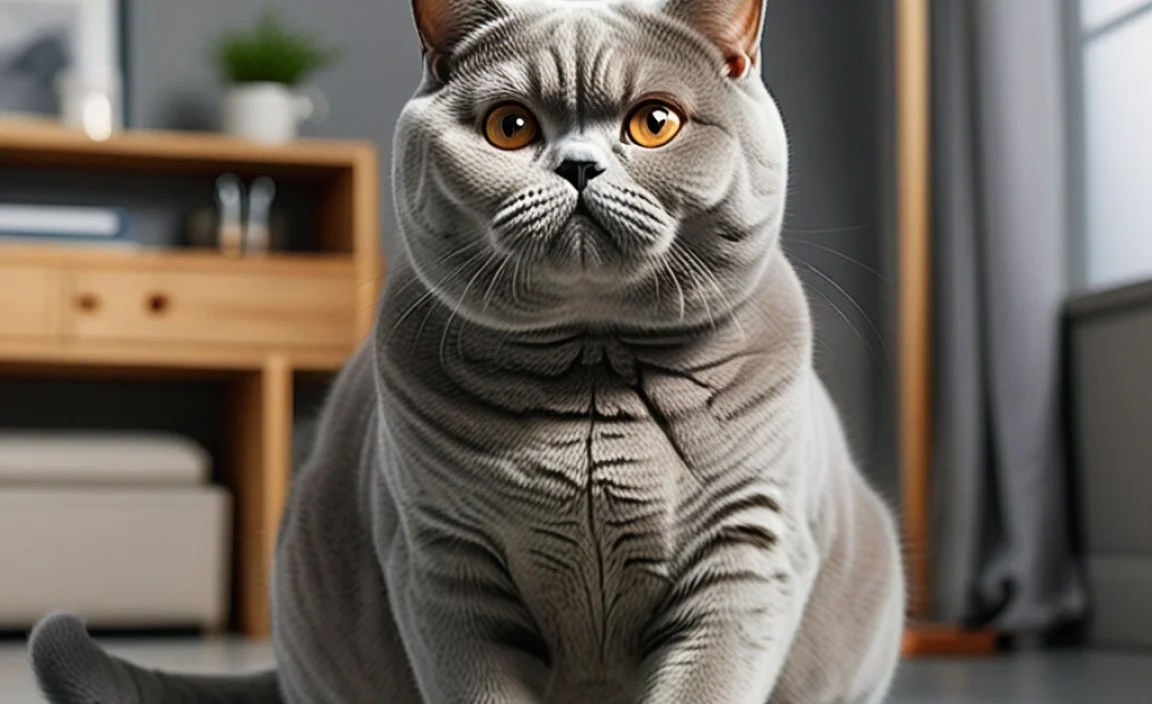
While British Shorthairs are generally calm, certain issues can disrupt their peace. Recognizing and addressing these issues is key to maintaining their well-being.
Separation Anxiety
Although independent, some British Shorthairs can develop separation anxiety if left alone for extended periods. Signs include excessive meowing, destructive behavior, or changes in appetite.
- Provide Enrichment: Leave plenty of toys and activities to keep your cat entertained while you’re away.
- Gradual Desensitization: Gradually increase the amount of time you leave your cat alone to help them adjust to your absence.
- Consider a Companion: If your cat is particularly lonely, consider adopting another cat to provide companionship.
Fear and Anxiety
Loud noises, unfamiliar environments, or negative experiences can trigger fear and anxiety in British Shorthairs. Signs include hiding, trembling, or aggression.
- Identify Triggers: Determine what is causing your cat’s fear or anxiety.
- Minimize Exposure: Reduce your cat’s exposure to the triggers as much as possible.
- Provide a Safe Space: Ensure your cat has a safe space to retreat to when feeling overwhelmed.
Aggression
While not typical, British Shorthairs can sometimes exhibit aggression due to fear, pain, or frustration. It’s important to identify the underlying cause and address it appropriately.
- Rule Out Medical Issues: Schedule a vet visit to rule out any underlying medical conditions that could be causing the aggression.
- Identify Triggers: Determine what is triggering the aggression and avoid those situations.
- Seek Professional Help: Consult with a veterinary behaviorist or certified cat behavior consultant for guidance.
British Shorthair Calm Personality Traits: Management Table

| Trait | Description | Management Strategies |
|---|---|---|
| Affectionate but Not Demanding | Enjoys human company without being clingy. | Provide attention when they seek it; respect their independence. |
| Independent | Content with their own company. | Ensure access to toys and enrichment for solo play. |
| Adaptable | Adjusts well to different environments. | Maintain a consistent routine to enhance security. |
| Quiet | Not overly vocal. | Appreciate their calm nature; monitor for unusual silence indicating health issues. |
| Playful but Not Hyperactive | Enjoys playtime in moderation. | Offer regular, short play sessions to stimulate without overexciting. |
British Shorthair Calm Personality Traits: Pros & Cons
| Pros | Cons |
|---|---|
| Excellent Companions | May become withdrawn if not given enough attention |
| Adaptable to various living situations | Can be prone to separation anxiety if routines change |
| Relatively low-maintenance in terms of energy | May not always be as interactive as some other breeds |
| Easy to handle during vet visits | Can become stressed by loud noises or sudden changes |
Frequently Asked Questions (FAQ)
Are British Shorthairs always calm?
While British Shorthairs are known for their calm nature, individual personalities can vary. Factors such as genetics, socialization, and environment can all influence a cat’s temperament. However, most British Shorthairs tend to be relatively laid-back and easygoing.
How can I tell if my British Shorthair is stressed?
Signs of stress in British Shorthairs can include hiding, trembling, changes in appetite, excessive meowing, or aggression. If you notice any of these signs, try to identify the source of stress and address it accordingly. Providing a safe space and maintaining a consistent routine can help to reduce anxiety.
Do British Shorthairs get lonely?
While British Shorthairs are relatively independent, they can still get lonely if left alone for extended periods. Provide plenty of toys and activities to keep your cat entertained while you’re away. If your cat is particularly lonely, consider adopting another cat to provide companionship.
How much playtime do British Shorthairs need?
British Shorthairs benefit from regular playtime to stay mentally and physically stimulated. Aim for at least 15-20 minutes of playtime per day, divided into several short sessions. Use interactive toys that encourage stalking, chasing, and pouncing.
Are British Shorthairs good with children?
Yes, British Shorthairs are generally good with children, as they are patient and tolerant. However, it’s important to teach children how to interact with cats respectfully and to avoid rough handling. Always supervise interactions between children and cats to ensure everyone’s safety.
Do British Shorthairs like to be held?
Some British Shorthairs enjoy being held, while others prefer to keep their distance. Pay attention to your cat’s body language and respect their preferences. Never force your cat to be held if they are uncomfortable. Gentle petting and positive reinforcement can help to build trust and encourage them to enjoy physical contact.
How do I introduce a British Shorthair to a new pet?
When introducing a British Shorthair to a new pet, do so gradually. Start by keeping them separate and allowing them to get used to each other’s scent. Gradually introduce them in a controlled environment, such as through a cracked door or in supervised visits. Provide plenty of positive reinforcement and ensure both pets have their own safe spaces.
Conclusion
The calm personality of the British Shorthair makes them wonderful companions for many. By understanding their needs and providing a supportive environment, you can nurture their natural serenity. Remember, a safe space, consistent routines, and gentle interactions are key to a happy, calm British Shorthair. With the right care, your British Shorthair will thrive, bringing joy and tranquility to your home for years to come.


