
British Shorthair Shedding Guide: Easy Stop Tips

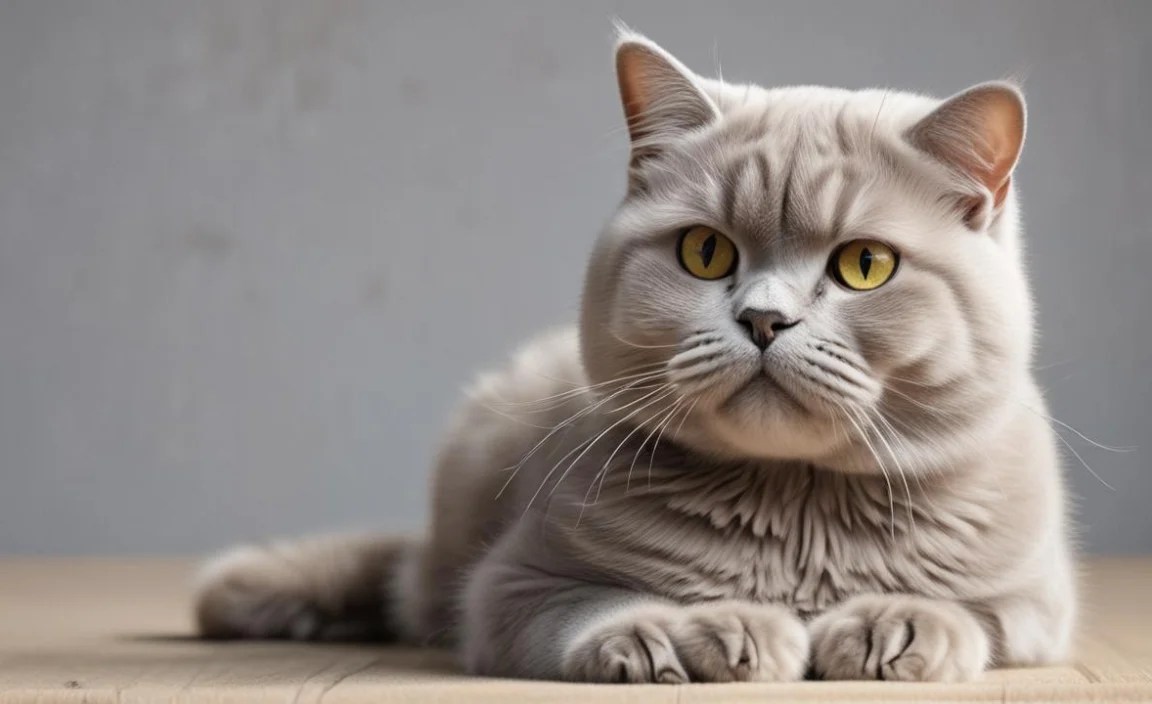
Do you love cats with soft, plush fur? Then you might like the British Shorthair. These cats are known for their round faces. They also have big, copper-colored eyes. But did you know they shed? A lot of people need a {british shorthair shedding guide}. Understanding their shedding habits helps. It also helps you care for your furry friend.
Key Takeaways
- Regular grooming is key to managing shedding in British Shorthairs.
- A proper diet with omega fatty acids can reduce excessive shedding.
- Understanding the shedding cycle helps with your {british shorthair shedding guide}.
- Using the right tools makes grooming easier and more effective.
- Consult a vet if shedding is extreme to rule out health issues.
Understanding British Shorthair Shedding

British Shorthairs are fluffy cats. They have a dense coat. This coat keeps them warm. But it also means they shed. Shedding is normal for cats. It is how they get rid of old or damaged fur. The amount of shedding can change. It depends on the season and the cat’s health. Knowing what to expect helps you manage it. A good {british shorthair shedding guide} will tell you this. Regular grooming is very important. It helps remove loose fur. This stops it from ending up all over your house. It also keeps your cat’s coat healthy and shiny. If you don’t groom them, mats can form. These mats can be painful for your cat. So, brushing is not just for looks. It is for your cat’s health.
- Shedding helps remove old fur.
- Seasonal changes affect shedding.
- Grooming prevents mats and tangles.
- A healthy diet reduces shedding.
- Regular vet visits are important.
The British Shorthair’s coat is special. It is dense and plush. This comes from their history. They needed thick fur to stay warm in Britain. This thick fur means more shedding. Especially in the spring and fall. You might find fur on your furniture. You might also see it on your clothes. Don’t worry, this is normal. With the right tools and a schedule, you can manage it. Make sure you have a good vacuum cleaner. Also, invest in good brushes. Your cat will thank you. You will also have a cleaner home. It’s a win-win for everyone. A proper {british shorthair shedding guide} will help a lot.
Fun Fact or Stat: British Shorthairs have a “teddy bear” look because of their dense coat and round face!
Why Do British Shorthairs Shed So Much?
Have you ever wondered why British Shorthairs shed so much? It all comes down to their thick double coat. This coat is made of two layers. There’s the soft undercoat. Then there’s the longer outer coat. This double layer keeps them warm in winter. But it also means more fur to lose. Especially when the weather warms up. They shed to get rid of the extra fur. This helps them stay cool in the summer. Regular brushing helps remove this loose fur. It stops it from ending up on your furniture. Also, a healthy diet can help. Good food keeps their coat healthy. This can reduce shedding. So, proper care is key to managing their shedding.
Seasonal Shedding: What to Expect
Do you notice more fur around your house at certain times of the year? That’s because of seasonal shedding. British Shorthairs shed more in the spring and fall. This is when the weather changes. In the spring, they lose their winter coat. This helps them stay cool in the summer. In the fall, they grow a thicker coat. This keeps them warm in the winter. During these times, you’ll need to brush them more often. Daily brushing can help a lot. It removes the loose fur before it gets everywhere. Also, vacuuming more often will help keep your house clean. Knowing when to expect more shedding helps you prepare.
How Does Diet Affect Shedding?
Did you know that what your cat eats can affect its shedding? A healthy diet is very important. It keeps their coat healthy and shiny. Foods rich in omega-3 and omega-6 fatty acids are great. These fats help keep their skin healthy. Healthy skin means less shedding. Look for cat food with fish oil or flaxseed. These are good sources of fatty acids. Also, make sure they are getting enough water. Staying hydrated keeps their skin healthy. If their diet is poor, their coat can become dry and brittle. This leads to more shedding. So, choose high-quality cat food. It will make a big difference in their shedding.
Best Grooming Tools for Shedding Control

Choosing the right grooming tools is important. It makes managing shedding easier. There are many different types of brushes. Some are better for removing loose fur. Others are better for smoothing the coat. A good slicker brush is great for removing mats. A deshedding tool helps remove loose undercoat. A metal comb can help find tangles. Start with a gentle brush. See how your cat reacts. Make grooming a positive experience. Give them treats and praise. This will make them more likely to cooperate. Remember, the right tools make all the difference. They make grooming easier for you and more comfortable for your cat. A good {british shorthair shedding guide} will recommend these.
- Slicker brushes remove mats gently.
- Deshedding tools target the undercoat.
- Metal combs find and remove tangles.
- Rubber brushes massage the skin.
- Grooming gloves are good for daily use.
- Always be gentle during grooming.
When picking out grooming tools, think about your cat’s fur. Is it long or short? Is it thick or thin? A British Shorthair has a thick coat. So, you need tools that can handle it. A deshedding tool is a must-have. It reaches deep into the coat. It removes loose fur before it sheds. A slicker brush is also good. It helps remove mats and tangles. A metal comb is great for finishing touches. It makes sure there are no knots left. Remember to clean your tools after each use. This keeps them working well. It also prevents the spread of bacteria. With the right tools, you can keep your cat’s coat healthy and shiny.
Fun Fact or Stat: Some cats enjoy being groomed so much that they purr and relax during the process!
Slicker Brushes: How to Use Them
Slicker brushes are great for removing mats and tangles. But you need to use them correctly. Start by brushing gently. Use short, light strokes. Avoid pressing too hard. This can hurt your cat. Pay attention to areas prone to mats. These include behind the ears and under the legs. If you find a mat, work it out slowly. Use your fingers to gently loosen the fur. Then, use the slicker brush to remove it. Be patient. Don’t pull on the mat. This can hurt your cat. If the mat is too big, you might need to cut it out. Be very careful when using scissors. You don’t want to cut your cat’s skin. Always end with a gentle brush. This will smooth their coat.
Deshedding Tools: A Must-Have?
Are deshedding tools really a must-have? For British Shorthairs, the answer is yes. These tools are designed to remove loose undercoat. They reach deep into the fur. They pull out fur that is about to shed. This reduces shedding a lot. Use the deshedding tool gently. Don’t press too hard. This can irritate their skin. Brush in the direction of the fur growth. Start with a few minutes at a time. Gradually increase the time as your cat gets used to it. Don’t overdo it. Too much deshedding can remove healthy fur. This can make their coat look thin. When used correctly, a deshedding tool is very effective.
Grooming Gloves: Are They Effective?
Grooming gloves are a popular choice for cat owners. But are they really effective? These gloves have rubber tips on the fingers. You pet your cat with the glove. The tips grab loose fur. Many cats enjoy the feeling of being petted. This makes grooming easier. Grooming gloves are good for daily use. They remove loose fur and smooth the coat. They might not be as effective as a deshedding tool. But they are a good option for cats who don’t like brushes. They are also good for quick touch-ups. If your cat doesn’t like being brushed, try a grooming glove. It might be a good solution.
Creating a British Shorthair Grooming Schedule

A grooming schedule is very important. It helps you stay on top of shedding. It also keeps your cat’s coat healthy. How often you groom depends on the season. During heavy shedding seasons, groom daily. The rest of the year, groom a few times a week. Make grooming a routine. Choose a time when your cat is relaxed. This could be after a meal or after playtime. Keep grooming sessions short at first. Gradually increase the time. Always end with praise and treats. This makes grooming a positive experience. A consistent schedule makes grooming easier for both of you. This {british shorthair shedding guide} recommends consistency.
- Daily grooming during shedding season.
- Regular grooming a few times a week.
- Choose a relaxing time for grooming.
- Keep sessions short at first.
- Always reward your cat after grooming.
- Be consistent with your schedule.
Think of grooming as a bonding time with your cat. It’s a chance to check their skin and coat. Look for any signs of problems. These include redness, bumps, or bald spots. If you notice anything unusual, talk to your vet. Regular grooming also helps you bond with your cat. They learn to trust you. They also enjoy the attention. Make sure you have all the right tools. Keep them in a convenient place. This makes it easier to stick to your schedule. With a little planning, you can create a grooming routine that works for you. This keeps your cat happy and healthy.
Fun Fact or Stat: Cats spend up to 50% of their waking hours grooming themselves!
Daily vs. Weekly Grooming: What’s Best?
What is better: daily or weekly grooming? It depends on the season and your cat. During shedding season, daily grooming is best. This helps remove loose fur before it gets everywhere. The rest of the year, weekly grooming is fine. Daily grooming can be a quick brush. It only takes a few minutes. Weekly grooming can be more thorough. You can use different brushes and combs. Pay attention to areas that mat easily. These include behind the ears and under the legs. Adjust your schedule based on your cat’s needs. If they are shedding a lot, groom more often. If they are not shedding as much, groom less often.
Making Grooming a Positive Experience
How can you make grooming a positive experience for your cat? Start by introducing them to the brush slowly. Let them sniff it and rub against it. Give them treats and praise. Start with short grooming sessions. Gradually increase the time. Be gentle. Avoid pulling on their fur. Pay attention to their body language. If they seem uncomfortable, stop. Try again later. End each grooming session with a treat and praise. This helps them associate grooming with positive things. With patience and consistency, you can make grooming a pleasant experience for both of you.
How to Handle a Cat Who Hates Grooming
What if your cat hates grooming? Don’t worry, you’re not alone. Many cats don’t like being brushed. Start by figuring out why. Are they scared of the brush? Does it hurt them? Once you know the reason, you can address it. Try a different type of brush. A grooming glove might be a good option. Make sure you are being gentle. Avoid pulling on their fur. Start with short sessions. Give them treats and praise. If they really hate it, try distracting them with a toy. You can also try grooming them when they are sleepy. If all else fails, talk to your vet. They might have some helpful tips.
Addressing Common Shedding Problems
Sometimes, shedding can be a sign of a problem. If your cat is shedding more than usual, it could be stress. It could also be allergies. Skin infections can also cause shedding. A poor diet can also be a factor. Look for other signs of illness. These include scratching, licking, or biting their skin. If you notice any of these signs, talk to your vet. They can help you figure out what’s going on. They can also recommend the best treatment. Don’t ignore excessive shedding. It could be a sign of a serious problem. A {british shorthair shedding guide} will tell you to watch for these signs.
- Excessive shedding can signal stress.
- Allergies can cause skin irritation.
- Skin infections can lead to shedding.
- A poor diet affects coat health.
- Parasites can cause skin problems.
- Hormonal imbalances can cause shedding.
One of the most common shedding problems is hairballs. Cats swallow fur when they groom themselves. This fur can form into hairballs in their stomach. They then cough up the hairballs. This can be unpleasant for both you and your cat. To prevent hairballs, groom your cat regularly. This removes loose fur. You can also give them hairball treats. These treats help the fur pass through their system. Make sure they have plenty of water. This also helps prevent hairballs. If your cat is coughing up hairballs often, talk to your vet. They can recommend the best course of action.
Fun Fact or Stat: Cats can spend up to 8 hours a day grooming!
When Is Shedding a Sign of a Health Issue?
How can you tell if shedding is normal or a sign of a health issue? Look for changes in their shedding habits. Are they shedding more than usual? Are they losing hair in patches? Do they have any skin problems? These can include redness, bumps, or sores. If you notice any of these signs, talk to your vet. Excessive shedding can be a sign of allergies. It can also be a sign of a skin infection. Parasites like fleas and mites can also cause shedding. Hormonal imbalances can also be a factor. Your vet can help you figure out what’s going on and recommend the best treatment.
Dealing with Allergies and Skin Irritations
Allergies and skin irritations can cause a lot of shedding. Cats can be allergic to many things. These include food, pollen, and dust mites. If your cat has allergies, they might scratch a lot. They might also have red, itchy skin. Talk to your vet about allergy testing. They can help you figure out what your cat is allergic to. Once you know the cause, you can take steps to avoid it. You can also try using special shampoos. These shampoos can soothe their skin. Make sure you are feeding them a high-quality diet. This can also help reduce allergies. With the right care, you can manage their allergies.
The Role of Diet in Managing Shedding Issues
Diet plays a big role in managing shedding issues. A healthy diet keeps their coat healthy and shiny. Look for cat food with high-quality protein. Also, make sure it has omega-3 and omega-6 fatty acids. These fats help keep their skin healthy. Avoid foods with fillers and artificial ingredients. These can irritate their skin. Make sure your cat is getting enough water. Dehydration can lead to dry skin. This can cause more shedding. If you are not sure what to feed your cat, talk to your vet. They can recommend the best diet for their needs. A good diet can make a big difference in their shedding.
Comparing Shedding to Other Breeds

British Shorthairs do shed. But how does their shedding compare to other breeds? Some breeds, like Persians, shed a lot. Others, like Siamese, shed less. British Shorthairs fall somewhere in the middle. They shed more than some breeds. But they don’t shed as much as others. Their thick coat means they need regular grooming. This helps manage their shedding. If you are worried about shedding, consider a low-shedding breed. But if you love the British Shorthair’s personality, grooming can help. A proper {british shorthair shedding guide} can help you determine if this breed is right for you.
| Breed | Shedding Level | Grooming Needs |
|---|---|---|
| British Shorthair | Moderate | Regular brushing |
| Persian | High | Daily brushing |
| Siamese | Low | Weekly brushing |
| Maine Coon | Moderate to High | Regular brushing |
| Sphynx | Very Low | Occasional bathing |
When choosing a cat breed, consider your lifestyle. Do you have time to groom a cat regularly? Are you allergic to cats? If so, a low-shedding breed might be a better choice. Keep in mind that no cat is completely hypoallergenic. All cats produce dander. This is what causes allergies. But some breeds produce less dander than others. If you are set on a British Shorthair, be prepared to groom them regularly. This will help keep your home clean. It will also keep your cat’s coat healthy. With the right care, you can enjoy the company of a British Shorthair.
Fun Fact or Stat: Hypoallergenic cats still produce allergens, but in smaller amounts!
Shedding Levels: High, Moderate, or Low?
What do “high,” “moderate,” and “low” shedding levels mean? High-shedding cats lose a lot of fur. They need daily grooming. Moderate-shedding cats lose a moderate amount of fur. They need regular grooming. Low-shedding cats lose very little fur. They need less grooming. British Shorthairs are moderate shedders. This means they need regular brushing. This helps remove loose fur. It also prevents mats and tangles. The amount of shedding can vary. It depends on the season and the cat’s health. Pay attention to your cat’s shedding habits. Adjust your grooming schedule as needed. This will help keep their coat healthy.
Comparing Grooming Needs Across Breeds
Grooming needs vary a lot across different breeds. Some breeds need daily brushing. Others only need weekly brushing. Long-haired breeds need more grooming. This helps prevent mats and tangles. Short-haired breeds need less grooming. But they still need regular brushing. This helps remove loose fur. British Shorthairs have medium-length fur. They need regular brushing. This helps manage their shedding. Consider the grooming needs of a breed before you get one. This will help you choose a cat that fits your lifestyle. Make sure you have time to groom them regularly.
Choosing a Breed Based on Shedding
Are you choosing a breed based on shedding? If so, do your research. Some breeds are known for shedding a lot. Others are known for shedding very little. Low-shedding breeds include Siamese and Russian Blue. High-shedding breeds include Persians and Maine Coons. British Shorthairs are moderate shedders. Think about how much time you want to spend grooming. Also, consider whether you have allergies. If you do, a low-shedding breed might be a better choice. Remember that all cats shed to some extent. Regular grooming is important for all cats. This keeps their coat healthy.
Tips for Managing Shedding in Multi-Cat Households
Managing shedding in multi-cat households can be tough. More cats mean more fur. It is important to have a good cleaning routine. Vacuum often. This helps remove loose fur. Also, brush your cats regularly. This helps reduce shedding. Provide each cat with their own grooming tools. This prevents the spread of germs. Make sure each cat has their own space. This reduces stress. Stress can cause more shedding. A good {british shorthair shedding guide} can help with multiple cats.
- Vacuum regularly to remove loose fur.
- Brush each cat regularly.
- Provide separate grooming tools.
- Ensure each cat has their own space.
- Use air purifiers to reduce allergens.
- Clean litter boxes frequently.
In a multi-cat household, it’s important to create a peaceful environment. Cats can get stressed easily. Stress can lead to more shedding. Make sure each cat has their own food and water bowls. Also, provide plenty of toys and scratching posts. This helps them relieve stress. If you notice one cat bullying another, intervene. Separate them if necessary. A happy, stress-free cat is less likely to shed excessively. Also, consider using air purifiers. These can help remove allergens from the air. This can reduce shedding and improve air quality.
Fun Fact or Stat: Cats in multi-cat households often establish a social hierarchy!
Creating a Cleaning Routine for Cat Hair
How can you create a cleaning routine for cat hair? Start by vacuuming often. Vacuum at least twice a week. Pay attention to areas where cats spend a lot of time. These include furniture, carpets, and rugs. Use a vacuum with a HEPA filter. This helps trap allergens. Also, dust regularly. Use a damp cloth to wipe surfaces. This helps pick up cat hair. Wash your bedding often. This removes cat hair and dander. Consider using furniture covers. These can protect your furniture from cat hair. With a consistent cleaning routine, you can keep your home clean.
Managing Stress and Its Impact on Shedding
How does stress affect shedding? Stress can cause cats to shed more. It can also lead to other health problems. To manage stress, create a calm environment. Provide plenty of toys and scratching posts. Make sure each cat has their own space. Avoid sudden changes in their routine. These can be stressful. If you notice your cat is stressed, try using calming products. These include pheromone diffusers and sprays. You can also talk to your vet. They might have some helpful tips. A happy, stress-free cat is less likely to shed excessively. So, manage their stress.
Ensuring Each Cat Gets Enough Attention
How can you ensure each cat gets enough attention? In a multi-cat household, it’s important to give each cat individual attention. Spend time playing with each cat. Groom each cat regularly. Give each cat their own special treats. Make sure each cat has their own space. This allows them to relax and feel safe. If you have a shy cat, be patient. It might take them longer to warm up to you. Don’t force them to interact with you. Let them come to you on their own terms. With patience and love, you can make each cat feel special.
Summary
British Shorthairs are wonderful cats. They have a thick, plush coat. This coat makes them shed. Shedding is normal, but it can be managed. Regular grooming is key. A good {british shorthair shedding guide} will help you understand this. Use the right tools. A deshedding tool and slicker brush are important. Create a grooming schedule. This helps you stay on top of shedding. Also, make sure your cat is eating a healthy diet. Diet affects their coat health. If you notice excessive shedding, talk to your vet. It could be a sign of a health problem. With the right care, you can keep your British Shorthair happy and healthy.
Conclusion
Managing shedding is part of owning a British Shorthair. It takes time and effort. Regular grooming makes a big difference. It keeps their coat healthy and shiny. It also reduces the amount of fur in your home. Choose the right grooming tools. Follow a consistent schedule. Watch for signs of health problems. A good {british shorthair shedding guide} helps. With the right approach, you can enjoy your furry friend. You can also keep your home clean and comfortable.
Frequently Asked Questions
Question No 1: How much do British Shorthairs shed?
Answer: British Shorthairs are moderate shedders. They have a thick, dense coat. This means they shed more than some breeds. But they don’t shed as much as others. You’ll notice more shedding during the spring and fall. This is when they lose their winter coat. Regular grooming is important. It helps manage their shedding. Brush them a few times a week. This will keep their coat healthy. It will also reduce the amount of fur in your home. A good {british shorthair shedding guide} will emphasize the importance of regular grooming to keep shedding under control.
Question No 2: What is the best brush for a British Shorthair?
Answer: The best brush for a British Shorthair is a deshedding tool. This tool reaches deep into their coat. It removes loose undercoat. A slicker brush is also good. It helps remove mats and tangles. A metal comb can help find knots. Start with a gentle brush. See how your cat reacts. Make grooming a positive experience. Give them treats and praise. This will make them more likely to cooperate. Remember, the right tools make all the difference. They make grooming easier for you and more comfortable for your cat.
Question No 3: How often should I groom my British Shorthair?
Answer: You should groom your British Shorthair a few times a week. During shedding season, groom them daily. This helps remove loose fur. The rest of the year, groom them a few times a week. Make grooming a routine. Choose a time when your cat is relaxed. This could be after a meal or after playtime. Keep grooming sessions short at first. Gradually increase the time. Always end with praise and treats. A consistent schedule makes grooming easier for both of you. A good {british shorthair shedding guide} will recommend a consistent grooming schedule.
Question No 4: Can diet affect shedding in British Shorthairs?
Answer: Yes, diet can affect shedding. A healthy diet is very important. It keeps their coat healthy and shiny. Foods rich in omega-3 and omega-6 fatty acids are great. These fats help keep their skin healthy. Healthy skin means less shedding. Look for cat food with fish oil or flaxseed. These are good sources of fatty acids. Also, make sure they are getting enough water. Staying hydrated keeps their skin healthy. If their diet is poor, their coat can become dry and brittle. This leads to more shedding. So, choose high-quality cat food.
Question No 5: What are some signs of excessive shedding?
Answer: Excessive shedding can be a sign of a problem. If your cat is shedding more than usual, it could be stress. It could also be allergies. Skin infections can also cause shedding. A poor diet can also be a factor. Look for other signs of illness. These include scratching, licking, or biting their skin. If you notice any of these signs, talk to your vet. They can help you figure out what’s going on. They can also recommend the best treatment. Don’t ignore excessive shedding. It could be a sign of a serious problem. Your {british shorthair shedding guide} should prompt you to seek vet assistance when excessive shedding occurs.
Question No 6: How can I prevent hairballs in my British Shorthair?
Answer: To prevent hairballs, groom your cat regularly. This removes loose fur. You can also give them hairball treats. These treats help the fur pass through their system. Make sure they have plenty of water. This also helps prevent hairballs. If your cat is coughing up hairballs often, talk to your vet. They can recommend the best course of action. Regular grooming is the most effective way to help prevent hairballs. The best {british shorthair shedding guide} contains advice about hairballs, grooming, and diet.


