
How to Understand a British Shorthair’s Mood: Easy Guide

Understanding Your British Shorthair’s Mood: A Comprehensive Guide

Quick Summary: Decoding your British Shorthair’s mood involves observing their body language, vocalizations, and daily habits. Look for relaxed postures like slow blinks and soft purrs when they’re content. Hissing, flattened ears, or a twitching tail often signal fear or annoyance. Changes in appetite, sleep patterns, or litter box habits can indicate stress or illness. By paying close attention, you can ensure your feline friend feels safe, secure, and loved.
Ever wondered what your British Shorthair is really thinking? These adorable, plushy cats are known for their calm demeanor, but they still experience a full range of emotions. Sometimes it can be hard to tell if they are simply being aloof or trying to tell you something. Recognizing the subtle cues in your British Shorthair’s behavior is key to building a stronger bond and ensuring their well-being. Don’t worry, you don’t need to be a mind-reader! This guide will walk you through everything you need to know.
Together, we’ll explore the common signs of happiness, stress, and everything in between. Ready to become fluent in “British Shorthair”? Let’s get started!
Decoding British Shorthair Body Language

A British Shorthair’s body is like an open book, if you know how to read it! Their posture, facial expressions, and tail movements offer valuable clues to their emotional state. Here’s what to look for:
Happy and Content
A happy British Shorthair is a joy to behold. Look for these telltale signs:
- Relaxed Posture: A relaxed cat will often lounge with their muscles loose, sometimes even sprawling on their back.
- Slow Blinking: This is the ultimate sign of trust and affection. When a cat slowly blinks at you, they’re essentially giving you a kitty kiss!
- Purring: While purring can sometimes indicate stress, it usually means your cat is feeling content and secure.
- Kneading: Also known as “making biscuits,” this behavior is a sign of comfort and contentment, harking back to kittenhood.
- Head Bunting: When your cat gently bumps their head against you, they’re marking you with their scent and showing affection.
Anxious or Fearful
Even the most laid-back British Shorthair can experience anxiety or fear. Watch out for these signs:
- Flattened Ears: This is a clear indication that your cat is feeling threatened or scared.
- Dilated Pupils: Enlarged pupils can be a sign of fear, excitement, or even pain.
- Hissing or Growling: These are warning signs that your cat feels threatened and may be about to lash out.
- Tucked Tail: A tail tucked between the legs is a sign of submission and fear.
- Arched Back: While sometimes used during stretching, an arched back accompanied by raised fur is a sign of fear or aggression.
Aggressive or Irritated
British Shorthairs are generally gentle, but they can become aggressive if they feel threatened or cornered. Look for these signs:
- Swatting or Scratching: This is a clear sign that your cat is feeling aggressive and wants to be left alone.
- Biting: A bite is a more extreme form of aggression and should be taken seriously.
- Tail Twitching: A rapidly twitching tail can indicate irritation or agitation.
- Staring: A direct, unwavering stare can be a sign of aggression, especially if accompanied by other aggressive behaviors.
- Erected Fur: When a cat’s fur stands on end (piloerection), it’s a sign that they’re feeling threatened and trying to make themselves look bigger.
Understanding British Shorthair Vocalizations

British Shorthairs aren’t usually as vocal as some other breeds, but they still use a variety of sounds to communicate. Learning to interpret these vocalizations can give you valuable insights into their mood.
Common Vocalizations and Their Meanings
Here’s a breakdown of common British Shorthair vocalizations:
| Vocalization | Possible Meaning |
|---|---|
| Purring | Contentment, happiness, sometimes a sign of self-soothing when in pain or distress. |
| Meowing | Greeting, request for attention, food, or to be let in/out. |
| Hissing | Fear, aggression, warning to back off. |
| Growling | Aggression, defensiveness, warning to stay away. |
| Chattering | Excitement or frustration, often directed at prey (birds, squirrels) they can’t reach. |
| Caterwauling | Distress, often associated with mating behavior in unspayed/unneutered cats. Can also indicate cognitive dysfunction in senior cats. |
The Importance of Context
It’s important to consider the context when interpreting your cat’s vocalizations. A meow could mean “I’m hungry” if it’s near mealtime, or “Pay attention to me!” if you’ve been busy and ignoring them. Pay attention to the situation and your cat’s body language to get a clearer picture of what they’re trying to communicate.
Changes in Daily Habits

British Shorthairs are creatures of habit, so changes in their routine can be a sign that something’s amiss. Keep an eye out for these changes:
Appetite Changes
- Increased Appetite: While sometimes harmless, a sudden increase in appetite can be a sign of hyperthyroidism or diabetes.
- Decreased Appetite: A loss of appetite can indicate a variety of health problems, including dental issues, kidney disease, or infections. It can also be a sign of stress or anxiety. According to the Cornell Feline Health Center, a cat that goes more than 24 hours without eating should be seen by a veterinarian.
Sleep Pattern Changes
- Increased Sleeping: While cats sleep a lot, excessive sleeping can be a sign of illness, depression, or boredom.
- Decreased Sleeping: Restlessness or difficulty sleeping can indicate hyperthyroidism, pain, or anxiety.
Litter Box Habits
- Urinating Outside the Litter Box: This can be a sign of a urinary tract infection, bladder stones, or stress. According to the RSPCA, it’s crucial to rule out medical causes first before addressing behavioral issues.
- Changes in Stool Consistency: Diarrhea or constipation can indicate dietary issues, infections, or other health problems.
Grooming Habits
- Overgrooming: Excessive grooming can be a sign of stress, anxiety, or skin irritation.
- Neglecting Grooming: A cat that stops grooming themselves may be feeling ill, depressed, or in pain.
Common Mood Influencers
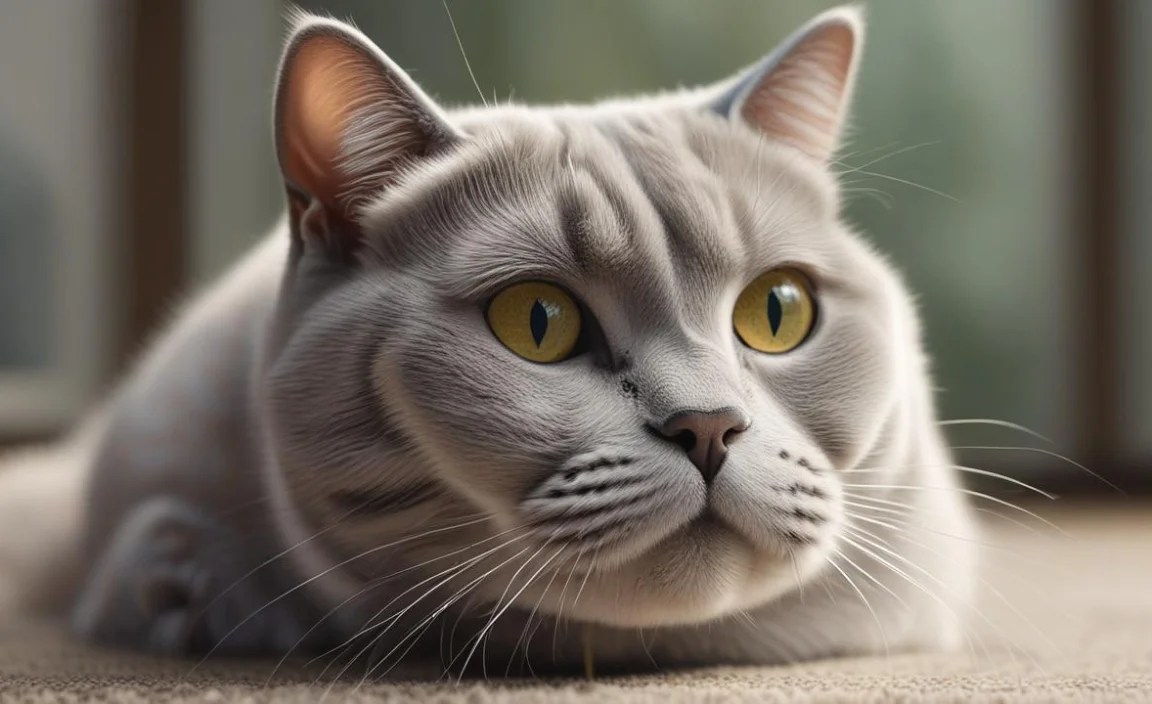
Several factors can influence a British Shorthair’s mood. Understanding these influencers can help you create a more positive environment for your feline friend.
Environmental Factors
- Sudden Noises: Loud noises like fireworks or thunderstorms can scare your cat. Provide a safe, quiet space where they can retreat.
- Changes in the Home: Moving furniture, redecorating, or bringing new people or pets into the home can cause stress. Introduce changes gradually and provide plenty of reassurance.
- Lack of Enrichment: Boredom can lead to destructive behaviors and depression. Provide plenty of toys, scratching posts, and opportunities for play.
Social Factors
- Changes in the Family: A new baby, a family member moving out, or even a change in work schedule can affect your cat’s mood.
- Conflict with Other Pets: If you have multiple pets, ensure they have enough space and resources to avoid conflict.
- Lack of Attention: British Shorthairs enjoy human interaction. Make sure to spend quality time with your cat each day.
Health Factors
- Pain or Discomfort: Underlying health issues can cause changes in mood and behavior. Regular vet checkups are essential for maintaining your cat’s well-being.
- Cognitive Dysfunction: Senior cats may experience cognitive decline, leading to confusion, anxiety, and changes in behavior.
Creating a Positive Environment
You can significantly impact your British Shorthair’s mood by creating a comfortable and stimulating environment. Here are some tips:
- Provide a Safe Space: Ensure your cat has a quiet, comfortable place where they can retreat when they feel overwhelmed. This could be a cat tree, a cozy bed, or even just a cardboard box.
- Offer Plenty of Toys: Rotate toys regularly to keep your cat interested and engaged. Puzzle toys that dispense treats can provide mental stimulation.
- Encourage Playtime: Schedule regular playtime sessions with your cat. This is a great way to bond and provide exercise.
- Maintain a Consistent Routine: Cats thrive on routine. Feeding, playtime, and grooming should happen at the same time each day.
- Provide Scratching Opportunities: Scratching is a natural behavior that helps cats relieve stress and maintain their claws. Provide a variety of scratching posts and mats.
- Consider a Feliway Diffuser: Feliway is a synthetic pheromone that can help reduce stress and anxiety in cats.
When to Consult a Veterinarian
If you notice sudden or significant changes in your British Shorthair’s mood or behavior, it’s essential to consult a veterinarian. Medical issues can often manifest as behavioral changes, and early diagnosis and treatment can improve your cat’s quality of life. Here’s when to seek professional help:
- Sudden aggression or withdrawal
- Loss of appetite or excessive eating
- Changes in litter box habits
- Excessive grooming or neglect of grooming
- Lethargy or decreased activity
- Vocalization changes (e.g., excessive meowing or hissing)
Recognizing and Managing Stress in British Shorthairs
Stress can manifest in various ways in British Shorthairs. Recognizing the signs and taking steps to manage their stress levels is crucial for their well-being.
Common Stressors for British Shorthairs
Understanding potential stressors can help you proactively manage your cat’s environment and minimize anxiety.
- New Pets or People: Introducing new members to the household can be a significant stressor.
- Loud Noises: Construction, fireworks, or even loud music can cause anxiety.
- Changes in Routine: Even small changes in feeding or playtime can be upsetting.
- Veterinary Visits: Many cats experience anxiety related to vet visits.
- Confinement: Being restricted to a small space can cause stress and boredom.
Strategies for Reducing Stress
Creating a calm and predictable environment can significantly reduce stress in British Shorthairs.
- Provide Vertical Space: Cat trees and shelves allow cats to climb and observe their surroundings from a safe vantage point.
- Offer Hiding Places: Boxes, tunnels, and covered beds provide a sense of security.
- Use Pheromone Diffusers: Feliway diffusers release synthetic pheromones that can help calm anxious cats.
- Maintain a Consistent Routine: Feeding, playtime, and grooming should occur at the same time each day.
- Introduce Changes Gradually: When introducing new pets or people, do so slowly and under supervision.
Calming Techniques
When your cat is showing signs of stress, there are several techniques you can use to help them calm down.
- Speak in a Soft Voice: Use a gentle, reassuring tone.
- Offer Gentle Petting: If your cat is receptive, gentle petting can be calming. Avoid petting if they seem agitated.
- Engage in Play: Play can be a great way to distract your cat from stressors and release pent-up energy.
- Provide a Treat: Offering a favorite treat can help associate the stressful situation with something positive.
FAQ: Understanding Your British Shorthair’s Mood
Here are some frequently asked questions about understanding your British Shorthair’s mood:
Q: How do I know if my British Shorthair is happy?
A: Happy British Shorthairs often exhibit relaxed body language, such as slow blinking, purring, and kneading. They may also rub against you or seek out your company.
Q: Why is my British Shorthair suddenly hissing at me?
A: Hissing is a sign of fear or aggression. Try to identify the source of their discomfort. Are they feeling threatened by something in their environment? Have you accidentally caused them pain? If the hissing persists, consult a veterinarian.
Q: My British Shorthair is sleeping more than usual. Should I be concerned?
A: While cats sleep a lot, a sudden increase in sleeping can indicate illness or depression. If your cat is also exhibiting other symptoms, such as loss of appetite or lethargy, it’s best to consult a veterinarian.
Q: How can I help my British Shorthair adjust to a new home?
A: When bringing your British Shorthair home, create a quiet, safe space for them with food, water, and a litter box. Allow them to explore at their own pace. Use pheromone diffusers to help reduce anxiety. The International Cat Association (TICA) recommends patience and consistency when introducing a cat to a new environment.
Q: What are some signs of stress in British Shorthairs?
A: Common signs of stress include flattened ears, dilated pupils, hissing, hiding, changes in appetite, and excessive grooming. If you notice these signs, try to identify and eliminate the source of stress.
Q: How often should I play with my British Shorthair?
A: Aim for at least 15-20 minutes of playtime each day. Interactive play sessions can help keep your cat physically and mentally stimulated. They will also strengthen your bond.
Q: Can British Shorthairs get depressed?
A: Yes, cats can experience depression. Signs of depression include lethargy, loss of appetite, decreased grooming, and withdrawal from social interaction. If you suspect your cat is depressed, consult a veterinarian to rule out any underlying medical conditions. Provide plenty of attention, playtime, and enrichment to help improve their mood.
Conclusion
Understanding your British Shorthair’s mood is an ongoing journey. By paying close attention to their body language, vocalizations, and daily habits, you can gain valuable insights into their emotional state. Remember that every cat is an individual, and what works for one may not work for another. Be patient, observant, and always prioritize your cat’s well-being. With love, patience, and a little bit of detective work, you can create a happy, healthy, and harmonious life together.


