
How Affectionate Is a British Shorthair Cat? Secret Revealed

Quick Summary: British Shorthairs are known for being moderately affectionate. They enjoy being near their owners but aren’t usually demanding of attention. They show affection through gentle companionship, preferring to sit beside you rather than on your lap. Their calm and independent nature makes them great companions for people who want a loving but not overly clingy cat.
Are you wondering just how much love you’ll get from a British Shorthair cat? It’s a question many potential owners have! You want a cat that will be a loving companion, but also one that respects your space. Understanding the British Shorthair’s affectionate nature will help you decide if this breed is the right fit for your home.
In this article, I’ll walk you through what to expect from a British Shorthair in terms of affection. We’ll explore their typical behaviors, how they show love, and what you can do to build a strong bond with your feline friend. By the end, you’ll have a clear picture of whether a British Shorthair’s level of affection matches your expectations. Let’s dive in!
Understanding the British Shorthair Personality

The British Shorthair is famous for its easy-going and adaptable nature. But what exactly does that mean when it comes to affection? Let’s break down the key traits that shape their behavior.
Independent Nature
British Shorthairs are known for their independence. They don’t constantly need attention and are content to entertain themselves. This independence comes from their history as working cats, bred to hunt and keep barns free of rodents. While they enjoy human company, they are not overly demanding.
Calm Temperament
These cats have a remarkably calm and relaxed temperament. They are not typically hyperactive or anxious cats. This calm demeanor means they are less likely to seek constant reassurance or attention, which can be a plus for owners who prefer a more laid-back companion.
Dignified Demeanor
British Shorthairs often carry themselves with a certain dignity. They are not usually clumsy or overly playful like some other breeds. This dignified attitude contributes to their reputation as a more reserved breed, though they are still very capable of showing affection in their own way.
How Affectionate Are They Really?
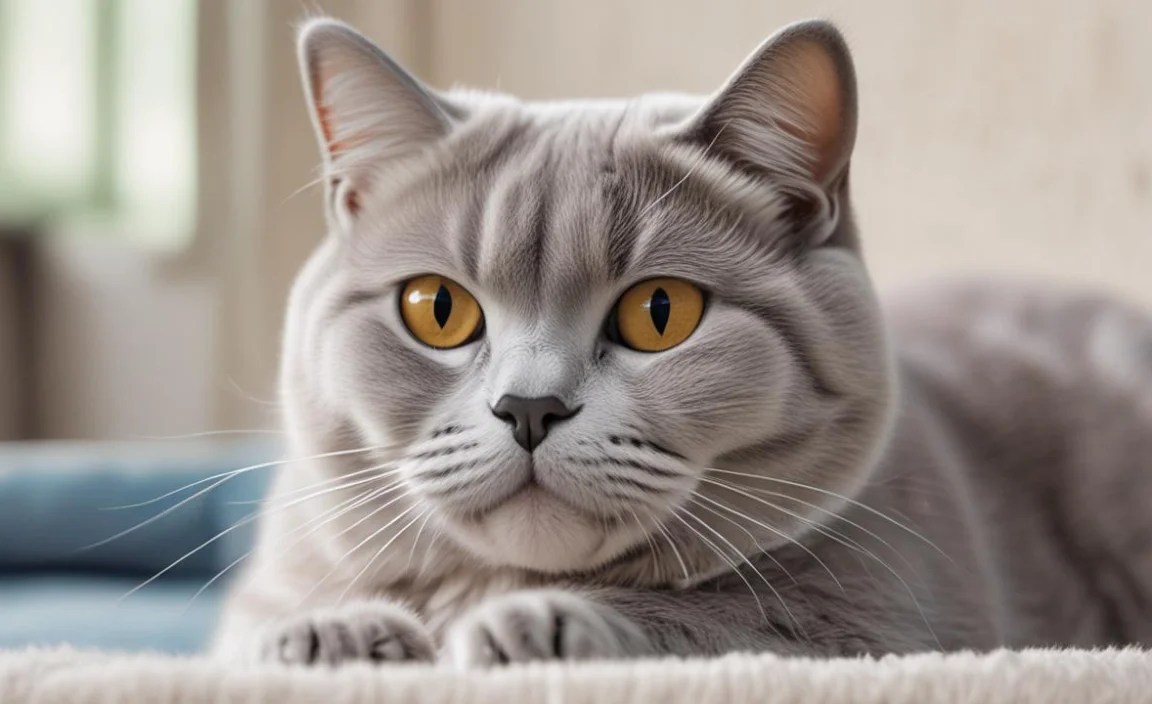
So, how does this translate into affection? Let’s get into the specifics of how British Shorthairs show their love and what you can expect from them.
Subtle Displays of Affection
British Shorthairs are not always the most obvious in showing their affection. They tend to be more subtle than some other breeds. Instead of jumping into your lap, they might prefer to sit next to you on the couch. They show their love through:
- Following you from room to room.
- Sleeping at the foot of your bed.
- Rubbing against your legs.
- Gentle head bumps.
Not Lap Cats (Usually)
While every cat is an individual, British Shorthairs are generally not known as lap cats. They might occasionally sit on your lap, but it’s not their default behavior. They prefer to be near you, but often on their own terms. If you’re looking for a cat that will constantly cuddle in your lap, this breed might not be the best fit.
Enjoying Gentle Interaction
British Shorthairs do enjoy gentle interaction. They appreciate being petted and scratched, especially around their head and cheeks. However, they often have their limits and won’t want to be petted for extended periods. Pay attention to their body language to understand when they’ve had enough.
Comparing Affection Levels to Other Breeds

To better understand the affection level of a British Shorthair, let’s compare them to some other popular cat breeds.
| Breed | Affection Level | Typical Behavior |
|---|---|---|
| British Shorthair | Moderate | Prefers to be near owner, gentle head bumps, not always a lap cat. |
| Siamese | High | Very vocal, demands attention, loves to cuddle, and follows owners closely. |
| Persian | Moderate to High | Enjoys cuddling, but can also be independent; likes a calm environment. |
| Maine Coon | High | Affectionate and playful, enjoys being with family, often called “gentle giants.” |
| Ragdoll | Very High | Extremely affectionate, loves to be held, known for going limp when picked up. |
As you can see, breeds like Siamese and Ragdolls are much more demanding of attention and affection than British Shorthairs. If you want a cat that is always in your lap, those breeds might be a better choice. However, if you prefer a cat that is loving but not clingy, the British Shorthair is a great option.
Factors Influencing Affection

Keep in mind that a cat’s personality isn’t solely determined by its breed. Several factors can influence how affectionate a British Shorthair will be.
Early Socialization
Early socialization is crucial for any kitten. Kittens who are handled and exposed to different people and environments from a young age are more likely to be well-adjusted and affectionate. According to the RSPCA, proper socialization during the first few weeks of a kitten’s life can have a lasting impact on their behavior.
Individual Personality
Just like people, each cat has its unique personality. Some British Shorthairs might be more affectionate than others, regardless of their upbringing. Some cats are naturally more cuddly, while others are more reserved. Observe your cat’s behavior and respect their individual preferences.
Environment and Upbringing
A cat’s environment plays a significant role in shaping its personality. A calm and loving home will help a cat feel secure and more likely to show affection. On the other hand, a stressful or chaotic environment can make a cat more withdrawn.
How to Bond with Your British Shorthair

Even though British Shorthairs are not overly demanding, there are still many ways to strengthen your bond and encourage affection.
Creating a Comfortable Environment
Make sure your cat has a comfortable and safe environment. This includes providing:
- A quiet place to retreat.
- A comfortable bed.
- Scratching posts.
- Interactive toys.
Playtime
Engage your cat in regular playtime. British Shorthairs enjoy interactive games that stimulate their hunting instincts. Use toys like:
- Feather wands.
- Laser pointers.
- Toy mice.
Playtime not only provides exercise but also strengthens your bond by creating positive associations with you.
Positive Reinforcement
Use positive reinforcement to encourage affectionate behavior. When your cat shows affection, reward them with:
- Verbal praise.
- Gentle petting.
- A treat.
This will help your cat associate affection with positive outcomes, making them more likely to repeat the behavior.
Respecting Their Space
It’s important to respect your British Shorthair’s space and boundaries. Don’t force them to interact if they don’t want to. Let them come to you on their own terms. Forcing affection can make them feel stressed and less likely to want to interact in the future.
Common Misconceptions
There are a few common misconceptions about the British Shorthair’s affection levels that need addressing.
Myth: They Are Unaffectionate
One common myth is that British Shorthairs are unaffectionate. This is not true. While they might not be as overtly affectionate as some breeds, they do show love in their own way. Their subtle displays of affection, like following you around or sleeping nearby, are signs of their attachment to you.
Myth: They Don’t Like to Be Held
While they aren’t typically lap cats, some British Shorthairs do enjoy being held, especially if they have been accustomed to it since kittenhood. The key is to introduce holding gradually and make sure they feel secure. Always support their body properly and watch for signs of discomfort.
Myth: They Are Aloof
Another misconception is that British Shorthairs are aloof. While they are independent, they are not detached. They enjoy being part of the family and will often participate in household activities, albeit in their own quiet way. They are always aware of their surroundings and like to keep an eye on what you’re doing.
Potential Health Issues Affecting Behavior
Certain health issues can impact a cat’s behavior, including their level of affection. Being aware of these potential problems can help you ensure your British Shorthair stays happy and healthy.
Pain and Discomfort
If your cat suddenly becomes less affectionate, it could be a sign of pain or discomfort. Conditions like arthritis, dental problems, or injuries can make them less likely to want to be touched. If you notice a change in behavior, consult with your veterinarian to rule out any underlying health issues. According to the Cornell Feline Health Center, even subtle changes in behavior can indicate a health problem in cats.
Hyperthyroidism
Hyperthyroidism, a common condition in older cats, can cause increased activity levels and irritability. This can lead to a cat becoming less tolerant of handling and less affectionate. Symptoms of hyperthyroidism include weight loss, increased appetite, and restlessness. Your vet can diagnose and treat this condition with medication or other therapies.
Cognitive Dysfunction
As cats age, they can develop cognitive dysfunction, similar to dementia in humans. This can cause confusion, disorientation, and changes in behavior, including decreased affection. While there is no cure for cognitive dysfunction, certain medications and environmental adjustments can help manage the symptoms.
Recognizing Signs of Happiness
Understanding how your British Shorthair expresses happiness can help you gauge their overall well-being and strengthen your bond.
Purring
Purring is often a sign of contentment. When your British Shorthair is relaxed and happy, they will often purr while you pet them. However, it’s important to note that cats also purr when they are stressed or in pain, so consider the context.
Slow Blinking
A slow blink, sometimes called a “cat kiss,” is a sign of trust and affection. If your cat slowly blinks at you, it means they feel comfortable and safe in your presence. You can return the gesture by slowly blinking back at them.
Kneading
Kneading, or making biscuits, is a behavior that cats often exhibit when they are feeling content. This behavior dates back to kittenhood when they would knead their mother’s belly to stimulate milk flow. When your cat kneads on you, it’s a sign that they feel safe and comforted.
Relaxed Body Posture
A relaxed body posture is a good indicator of happiness. A happy cat will have relaxed muscles, a soft gaze, and a gently swaying tail. They might also stretch out and expose their belly, which is a sign of trust.
The British Shorthair as a Family Pet
British Shorthairs can make wonderful family pets, but it’s important to consider their needs and personality when introducing them to a household with children or other animals.
Compatibility with Children
British Shorthairs are generally good with children, especially if they have been raised together. Their calm and patient nature makes them tolerant of the sometimes unpredictable behavior of kids. However, it’s important to teach children how to interact with the cat respectfully. Supervise interactions to ensure that the cat is not being overwhelmed or mishandled.
Introduction to Other Pets
Introducing a British Shorthair to other pets should be done gradually. Start by keeping them separate and allowing them to get used to each other’s scents. Then, allow supervised visits, gradually increasing the amount of time they spend together. Make sure each pet has its own space and resources to avoid competition and stress.
Creating a Harmonious Environment
To create a harmonious environment for your British Shorthair, provide:
- Multiple litter boxes.
- Plenty of scratching posts.
- High perches where they can retreat and observe their surroundings.
- Regular playtime and attention for all pets.
Adopting vs. Buying: Where to Find Your British Shorthair
If you’ve decided that a British Shorthair is the right cat for you, the next step is finding one. You have two main options: adopting from a rescue or buying from a breeder.
Adopting from a Rescue
Adopting a British Shorthair from a rescue organization can be a rewarding experience. You’ll be giving a home to a cat in need and often save money compared to buying from a breeder. Check with local animal shelters and breed-specific rescue groups. Keep in mind that finding a purebred British Shorthair in a rescue can be rare, but it’s worth exploring.
Buying from a Breeder
If you want to ensure you’re getting a purebred British Shorthair with a known history, buying from a reputable breeder is a good option. Look for breeders who:
- Health test their cats.
- Provide a clean and stimulating environment.
- Socialize their kittens from a young age.
- Are knowledgeable about the breed.
- Allow you to visit their facility.
Be prepared to pay a higher price for a kitten from a reputable breeder. This is because they invest in the health and well-being of their cats. According to The International Cat Association (TICA), responsible breeders prioritize the health and temperament of their cats.
FAQ About British Shorthair Affection
Here are some frequently asked questions about the affection levels of British Shorthair cats:
Are British Shorthairs cuddly?
British Shorthairs are moderately cuddly. They enjoy being near their owners but aren’t always lap cats. They prefer to sit beside you rather than on your lap, showing affection through gentle companionship.
Do British Shorthairs like to be held?
Some British Shorthairs like to be held, especially if they’ve been accustomed to it since kittenhood. However, they generally prefer to have their feet on the ground. Introduce holding gradually and always support their body properly.
Are British Shorthairs good for first-time owners?
Yes, British Shorthairs are often a good choice for first-time owners. They are relatively low-maintenance, adaptable, and have a calm temperament. Their independence also means they don’t require constant attention.
How do I know if my British Shorthair is happy?
Signs of happiness in British Shorthairs include purring, slow blinking, kneading, and a relaxed body posture. They might also follow you around or sleep near you.
Do British Shorthairs get lonely?
While they are independent, British Shorthairs can get lonely if left alone for long periods. Provide them with plenty of toys, scratching posts, and interactive playtime to keep them entertained. If you work long hours, consider getting a companion animal.
At what age do British Shorthairs become more affectionate?
British Shorthairs typically maintain a consistent level of affection throughout their lives. However, some owners notice that their cats become slightly more cuddly as they get older. This can be due to a change in their energy levels or a greater need for warmth and comfort.
Are male or female British Shorthairs more affectionate?
There is no definitive answer as to whether male or female British Shorthairs are more affectionate. Affection levels vary more due to individual personality and upbringing than gender. Some owners find males to be more laid-back, while others find females to be more independent.
Conclusion
So, how affectionate is a British Shorthair cat? They offer a unique blend of independence and affection that suits many owners. While they may not be as demanding as some breeds, their subtle displays of love and calm companionship make them wonderful pets. Remember that each cat is an individual, and with the right care and understanding, you can build a strong and loving bond with your British Shorthair. By creating a comfortable environment, engaging in regular playtime, and respecting their boundaries, you’ll be well on your way to enjoying a fulfilling relationship with your feline friend. Enjoy the journey of getting to know your British Shorthair and discovering their unique way of showing affection!


