
Are British Shorthairs Good Lap Cats? Find Out Now!

Quick Summary: British Shorthairs are often described as affectionate but independent cats. While they enjoy being near their owners, they aren’t always the clingiest lap cats. Many British Shorthairs prefer to sit beside you rather than directly on your lap. Their calm temperament and love for companionship still make them wonderful, cuddly pets!
Are you dreaming of a purring British Shorthair snuggled on your lap? It’s a common hope for cat lovers! You might be wondering if this breed is as cuddly as they look. The truth is, British Shorthairs have unique personalities. They’re known for being affectionate but also quite independent. Figuring out if one will be a dedicated lap cat depends on understanding their nature. Don’t worry; we’ll explore their cuddliness step-by-step so you know exactly what to expect.
Understanding the British Shorthair Personality

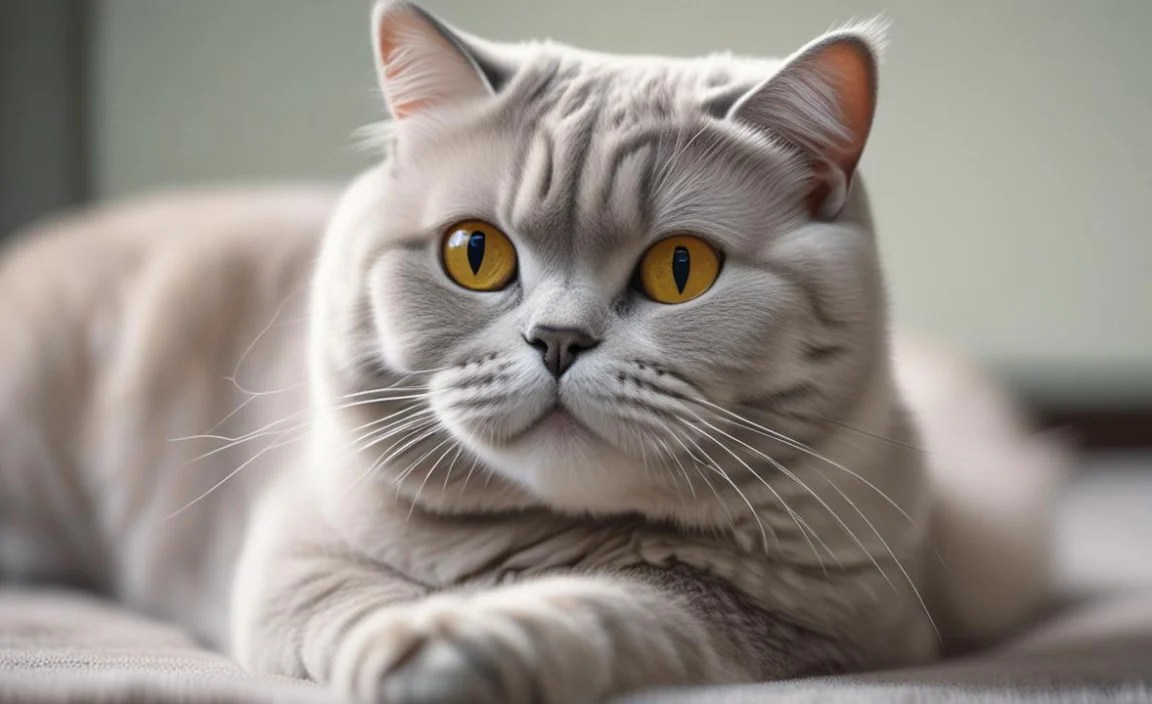
British Shorthairs are famous for their round faces, plush coats, and calm demeanor. But what’s going on beneath that charming exterior? Let’s dive into their personality to understand their lap cat potential.
Affectionate but Independent
British Shorthairs are generally loving cats. They enjoy being around their families and often follow their owners from room to room. However, they’re not usually overly demanding of attention. This balance makes them great companions for people who want a cat that’s affectionate without being clingy.
The “Companion” Cat
Many owners describe their British Shorthairs as “companion” cats. They like to be in the same room as you, often choosing a spot nearby rather than directly on your lap. They might sit on the sofa next to you while you watch TV or settle at your feet while you work. This makes them comforting presences without being too intrusive. According to the RSPCA, cats often show affection by simply being near you, which is a common trait in British Shorthairs.
Individual Differences
Just like people, every cat has its own unique personality. Some British Shorthairs are more cuddly than others. Some may enjoy occasional lap time, while others might prefer to keep their distance. A kitten’s early experiences and socialization also play a big role in their adult personality. It’s essential to remember that there’s no guarantee your British Shorthair will be a lap cat, but there are ways to encourage cuddly behavior.
Factors Influencing Cuddliness

Several factors can influence how cuddly a British Shorthair is. Understanding these can help you create an environment that encourages affection.
Genetics and Breeding
Genetics play a role in a cat’s personality. Some breeders focus on temperament when selecting breeding pairs, which can result in friendlier, more affectionate kittens. When choosing a British Shorthair, ask the breeder about the parents’ personalities. If the parents are known to be affectionate, the kittens are more likely to inherit that trait.
Early Socialization
A kitten’s early experiences have a significant impact on their behavior. Kittens that are handled and socialized from a young age are more likely to be comfortable with human contact. The International Cat Association (TICA) emphasizes the importance of early socialization in kittens to develop well-adjusted temperaments. Make sure your kitten has positive interactions with people from a young age to encourage cuddliness.
Environment and Routine
A calm and stable environment can help your British Shorthair feel secure and loved. Cats thrive on routine, so try to establish regular feeding, playtime, and cuddle times. A predictable environment reduces stress and can make your cat more receptive to affection. Create a cozy and safe space where your cat feels comfortable approaching you for cuddles.
How to Encourage Lap Cat Behavior

While you can’t force a cat to be cuddly, there are strategies you can use to encourage lap cat behavior in your British Shorthair.
Start Young
If you’re starting with a kitten, begin handling them gently from a young age. Pick them up, cuddle them, and get them used to being held. Always be gentle and avoid forcing them if they seem uncomfortable. Positive early experiences can create a lifelong association between human contact and comfort.
Positive Reinforcement
Use positive reinforcement to reward your cat for cuddling. When they sit on your lap, offer praise, gentle strokes, or a small treat. Avoid punishment or negative reinforcement, as this can create fear and anxiety. Positive reinforcement helps your cat associate lap time with pleasant experiences.
Create a Comfortable Lap Environment
Make your lap an inviting place for your cat. Use a soft blanket or cushion to make it more comfortable. Ensure the temperature is just right – not too hot and not too cold. Avoid sudden movements or loud noises that might startle your cat. A comfortable and secure lap environment encourages your cat to relax and enjoy the cuddle session.
Respect Boundaries
Pay attention to your cat’s body language. If they seem uncomfortable or want to leave, don’t force them to stay. Forcing a cat to stay on your lap can create negative associations and make them less likely to cuddle in the future. Respecting their boundaries builds trust and encourages them to come back on their own terms.
Use Toys and Treats
Entice your cat onto your lap with toys or treats. Use a wand toy to encourage them to jump onto your lap during playtime. Offer a small treat when they’re settled on your lap. This creates a positive association between your lap and enjoyable activities. Be careful not to overfeed your cat with treats; use them sparingly as a reward.
Potential Challenges and Solutions
Even with the best efforts, you might encounter challenges in turning your British Shorthair into a lap cat. Here are some common issues and solutions.
Fear and Anxiety
If your cat is fearful or anxious, they may be less likely to cuddle. Identify the source of their anxiety and try to minimize it. Provide a safe and secure environment with plenty of hiding places. Use calming aids like pheromone diffusers or calming treats. If the anxiety is severe, consult with a veterinarian or a feline behaviorist.
Medical Issues
Sometimes, a cat’s reluctance to cuddle can be a sign of a medical issue. If your cat suddenly stops cuddling or shows other unusual behaviors, take them to the vet for a checkup. Pain or discomfort can make a cat less likely to want to be touched. Common issues like arthritis or dental problems can affect their willingness to cuddle.
Overstimulation
Some cats are easily overstimulated by petting. They might enjoy a few strokes but then become agitated and bite or scratch. Pay attention to your cat’s body language and stop petting them before they become overstimulated. Learn to recognize the signs of overstimulation, such as tail twitching, flattened ears, or dilated pupils. Short, gentle petting sessions are often better than long, intense ones.
Health and Well-being Considerations

A healthy and happy cat is more likely to be affectionate. Proper care and attention to their well-being can contribute to a cuddly personality.
Nutrition
Feed your British Shorthair a high-quality diet that meets their nutritional needs. A balanced diet supports their overall health and well-being. Obesity can make it uncomfortable for a cat to sit on your lap, so maintain a healthy weight. Consult with your veterinarian to determine the best diet for your cat.
Grooming
Regular grooming helps keep your British Shorthair’s coat healthy and free of mats. Grooming can also be a bonding experience. Most British Shorthairs enjoy being brushed, which can create a positive association with human touch. Regular grooming also reduces shedding, which can make cuddling more pleasant.
Playtime
Provide plenty of opportunities for playtime. Interactive play helps your cat burn energy and reduces boredom. A tired cat is often a more relaxed and cuddly cat. Use toys that mimic hunting behavior, such as wand toys or puzzle feeders. Playtime also strengthens the bond between you and your cat.
British Shorthair Temperament Compared to Other Breeds
Understanding how the British Shorthair’s temperament compares to other breeds can give you a better perspective on their cuddliness.
Compared to Siamese Cats
Siamese cats are known for being very vocal and demanding of attention. They often follow their owners around and want to be involved in everything they do. British Shorthairs are more independent and less demanding. While they enjoy companionship, they’re not as likely to be glued to your side.
Compared to Ragdolls
Ragdolls are famous for their docile and affectionate nature. They often go limp when picked up, hence their name. British Shorthairs are not as floppy as Ragdolls, but they are generally relaxed and easygoing. Ragdolls are more likely to seek out lap time, while British Shorthairs might prefer to sit next to you.
Compared to Persians
Persians are known for their calm and gentle nature. They enjoy being petted and cuddled, but they’re not overly active. British Shorthairs share a similar calm demeanor, but they tend to be more playful. Persians require more grooming due to their long coats, while British Shorthairs have shorter, easier-to-manage fur.
Creating a Bond with Your British Shorthair
Building a strong bond with your British Shorthair is key to encouraging affection and cuddliness. Here are some tips to strengthen your relationship.
Spend Quality Time
Make time each day to interact with your cat. Even a few minutes of focused attention can make a big difference. Talk to your cat, pet them, and engage in playtime. Quality time strengthens the bond between you and your cat and helps them feel loved and secure.
Learn Their Language
Pay attention to your cat’s body language and learn to understand their needs. Cats communicate through a variety of signals, including tail movements, ear positions, and vocalizations. Understanding your cat’s language helps you respond to their needs and build trust. Cornell Feline Health Center offers resources on understanding feline behavior.
Be Patient
Building a strong bond takes time and patience. Don’t get discouraged if your cat doesn’t become a lap cat overnight. Continue to provide love, care, and attention, and eventually, your cat will come to trust and love you in their own way. Every cat is different, and it’s important to respect their individual personality.
Practical Tips for a Cuddly Relationship
Here’s a table summarizing practical tips to help you foster a cuddly relationship with your British Shorthair:
| Tip | Description | Benefit |
|---|---|---|
| Start Young | Handle kittens gently from a young age. | Helps them become comfortable with human contact. |
| Positive Reinforcement | Reward cuddling with praise, strokes, or treats. | Associates lap time with positive experiences. |
| Comfortable Environment | Create a cozy lap with soft blankets and the right temperature. | Encourages relaxation and cuddle sessions. |
| Respect Boundaries | Pay attention to body language and don’t force cuddling. | Builds trust and prevents negative associations. |
| Toys and Treats | Use toys or treats to entice them onto your lap. | Creates positive associations with lap time. |
| Consistent Routine | Establish regular feeding, playtime, and cuddle times. | Reduces stress and makes them more receptive to affection. |
Essential Supplies to Encourage Cuddling
Here’s a list of supplies to encourage a cuddly environment for your British Shorthair:
- Soft Blanket: Provides a comfortable spot on your lap.
- Cat Treats: Rewards for positive behavior.
- Wand Toy: Encourages playful interaction and lap visits.
- Pheromone Diffuser: Calms anxiety and promotes relaxation.
- Grooming Brush: Regular brushing strengthens your bond.
Frequently Asked Questions (FAQ)
Here are some frequently asked questions about British Shorthairs and their cuddliness:
Are British Shorthairs naturally cuddly?
British Shorthairs are known to be affectionate but also quite independent. They enjoy being near their owners but aren’t always lap cats by nature. Some individuals may be more cuddly than others.
How can I tell if my British Shorthair wants to cuddle?
Look for signs like purring, slow blinking, rubbing against you, or kneading. If your cat approaches you and seems relaxed, they might be open to cuddling.
What if my British Shorthair doesn’t like being held?
Respect their boundaries. Not all cats enjoy being held. You can still bond with your cat through playtime, grooming, and simply being in the same room.
Is it possible to train a cat to be a lap cat?
While you can’t force a cat to be cuddly, you can encourage lap cat behavior through positive reinforcement, creating a comfortable environment, and respecting their boundaries.
Do British Shorthairs get lonely if left alone for long periods?
British Shorthairs are relatively independent but still benefit from companionship. If you’re often away from home, consider providing toys, puzzle feeders, or even another cat to keep them entertained.
At what age do British Shorthairs become more cuddly?
A cat’s personality can evolve as they mature. Some British Shorthairs may become more cuddly as they get older, while others remain consistent in their behavior.
Are male or female British Shorthairs more cuddly?
There is no definitive answer, as cuddliness varies more by individual personality than by gender. Some owners report that their male cats are more affectionate, while others find their female cats to be more cuddly.
Conclusion
So, are British Shorthairs good lap cats? The answer is… it depends! While they may not be the most demanding of lap cats, their affectionate and calm nature makes them wonderful companions. By understanding their personality, creating a positive environment, and respecting their boundaries, you can encourage cuddly behavior and build a strong bond with your British Shorthair. Remember, every cat is unique, and the most important thing is to love and appreciate them for who they are. With patience and understanding, you and your British Shorthair can enjoy a loving and fulfilling relationship, whether they’re on your lap or simply by your side.


