
British Shorthair Temperament Traits: The Ultimate Guide

Quick Summary: British Shorthairs are known for their calm and affectionate nature. They’re generally relaxed, independent cats who enjoy human company without being overly demanding. Key traits include being good-natured, adaptable, and relatively low-energy, making them excellent companions for families and individuals alike. They’re also intelligent and playful, enjoying interactive toys and games.
Thinking about bringing a British Shorthair into your home? Or perhaps you’re already charmed by one of these plush, teddy-bear-like cats? Understanding their temperament is key to a happy, harmonious relationship. It’s normal to wonder if their personality will mesh with your lifestyle. Will they be cuddly? Playful? Or more independent?
The good news is that British Shorthairs are known for their wonderful temperaments. Let’s explore the typical traits of this beloved breed, so you’ll know exactly what to expect from your future feline friend. We’ll look at their affectionate side, their playful nature, and how they generally interact with families and other pets. Let’s dive in!
Understanding British Shorthair Temperament Traits

British Shorthairs are renowned for their gentle and agreeable personalities. They tend to be easy-going cats, adapting well to various home environments. But what specific traits make them such wonderful companions?
Affectionate but Independent
One of the most appealing aspects of the British Shorthair is their balanced nature. They enjoy being around their human families, often following you from room to room, but they aren’t usually overly demanding of attention. They are more than happy to sit beside you while you work or relax, offering a comforting presence without being clingy.
- Not lap cats (usually): While some British Shorthairs may enjoy the occasional cuddle, they generally prefer to sit next to you rather than on your lap.
- Gentle greetings: Expect a soft headbutt or a rub against your legs as a sign of affection.
- Independent play: They are content to entertain themselves with toys, making them ideal for people who work during the day.
Calm and Relaxed Demeanor
British Shorthairs are known for their calm and composed nature. They aren’t typically high-strung or easily agitated, which makes them well-suited for apartment living and households with children. According to the RSPCA, a calm environment is essential for a cat’s well-being, and British Shorthairs often contribute to a serene home atmosphere.
- Low energy levels: While they enjoy playtime, they also appreciate long naps and aren’t constantly seeking activity.
- Adaptable: They adjust well to new environments and routines, making them good travel companions.
- Quiet nature: They aren’t excessively vocal cats, so you won’t be bothered by constant meowing.
Playful and Intelligent
Despite their relaxed nature, British Shorthairs are intelligent and enjoy playing. They benefit from interactive toys and games that stimulate their minds. According to The International Cat Association (TICA), providing mental enrichment is vital for a cat’s overall health and happiness.
- Puzzle toys: They enjoy toys that challenge them to find treats or solve problems.
- Interactive play: Feather wands, laser pointers, and toy mice can provide hours of entertainment.
- Training potential: Some British Shorthairs can be trained to perform simple tricks, like fetching or sitting.
Good with Children and Other Pets
British Shorthairs are generally known to be good with children and other pets, especially when properly socialized from a young age. Their patient and tolerant nature makes them excellent family companions. According to the Cornell Feline Health Center, early socialization is crucial for cats to develop positive relationships with humans and other animals.
- Gentle with kids: They are usually patient and tolerant of children, but it’s essential to teach children how to handle cats gently and respectfully.
- Accepting of other pets: They can coexist peacefully with other cats and even dogs, particularly if introduced gradually.
- Supervised interactions: Always supervise interactions between young children and pets to ensure everyone’s safety and comfort.
British Shorthair Temperament: A Closer Look at Key Traits

Let’s delve a little deeper into some specific temperament traits you’re likely to observe in a British Shorthair:
Sociability
British Shorthairs are social creatures, but they express it in a uniquely understated way. They enjoy being part of the family but don’t demand constant attention. They’re happy to be in the same room as you, observing your activities, and occasionally offering a gentle nudge or headbutt.
How to Encourage Sociability:
- Spend quality time: Even if they don’t sit on your lap, dedicate time each day to interact with your cat through play or grooming.
- Provide vertical space: Cat trees and shelves allow them to observe their surroundings from a comfortable height, making them feel more secure.
- Create a safe haven: Ensure they have a quiet, private space where they can retreat when they feel overwhelmed.
Adaptability
One of the most valuable traits of the British Shorthair is their adaptability. They tend to adjust well to changes in their environment and routine, making them relatively low-maintenance pets. This adaptability extends to different living situations, whether it’s a bustling family home or a quiet apartment.
Factors Affecting Adaptability:
- Early socialization: Kittens who are exposed to various sights, sounds, and people from a young age tend to be more adaptable as adults.
- Consistent routine: While they are adaptable, maintaining a consistent feeding and play schedule can help them feel secure.
- Gradual introductions: When introducing them to new environments or pets, do so gradually to minimize stress.
Intelligence
British Shorthairs are intelligent cats who enjoy mental stimulation. Providing them with puzzle toys, interactive games, and even training sessions can keep them engaged and prevent boredom. Their intelligence also makes them relatively easy to train, especially when using positive reinforcement techniques.
Engaging Their Intelligence:
- Puzzle feeders: These toys require cats to solve a puzzle to access their food, providing mental stimulation and slowing down eating.
- Clicker training: Use a clicker and treats to teach them simple commands, such as sitting, staying, or fetching.
- Environmental enrichment: Rotate their toys regularly and provide new challenges to keep them interested and engaged.
Vocalisation
British Shorthairs are not known for being particularly vocal cats. They tend to communicate through subtle cues, such as body language and facial expressions. While they may meow to greet you or request food, they aren’t typically chatty or demanding in their vocalizations.
Understanding Their Vocalizations:
- Soft meows: These are often used as greetings or to get your attention.
- Purring: A sign of contentment and relaxation.
- Hissing or growling: Indicates fear, aggression, or discomfort.
The British Shorthair Temperament: Nature vs. Nurture

While breed characteristics can provide a general guideline, remember that individual cats can vary significantly in their personalities. Both genetics (nature) and environment (nurture) play a role in shaping a cat’s temperament. Early experiences, socialization, and training can all influence how a cat behaves and interacts with the world.
The Role of Genetics
Genetics certainly play a role in predisposing British Shorthairs to certain temperament traits. However, it’s not the only factor. Just like humans, cats inherit a unique combination of genes from their parents, which can influence their personality, energy levels, and sociability.
The Impact of Environment
A cat’s early environment and experiences can have a profound impact on their temperament. Kittens who are raised in a loving, stimulating environment with plenty of human interaction are more likely to develop into well-adjusted, confident adults. Conversely, kittens who experience neglect, abuse, or lack of socialization may develop behavioral issues.
Socialization is Key
Socialization is the process of exposing a kitten to a variety of sights, sounds, people, and experiences during their critical developmental period (typically between 2 and 7 weeks of age). Proper socialization can help kittens develop into well-rounded, confident cats who are comfortable in different environments and with different people.
| Socialization Activity | Benefits |
|---|---|
| Handling by different people | Helps kittens become comfortable with human touch and reduces fear of strangers. |
| Exposure to various sounds (e.g., vacuum cleaner, doorbell) | Prevents kittens from becoming overly sensitive to everyday noises. |
| Introduction to other pets (if applicable) | Promotes positive relationships with other animals in the household. |
| Car rides and visits to the vet | Acclimates kittens to travel and veterinary procedures, reducing stress later in life. |
Common British Shorthair Behavioral Traits

Understanding the common behavior patterns of British Shorthairs can help you better anticipate their needs and provide appropriate care. Here are some typical behavioral traits to be aware of:
Sleeping Habits
British Shorthairs are known for enjoying their sleep. They often spend a significant portion of the day napping, typically in warm, sunny spots or cozy hideaways. Don’t be surprised if your British Shorthair cat is most active during dawn and dusk hours.
Grooming Behavior
British Shorthairs are meticulous groomers and typically keep themselves clean. However, their dense coat requires regular grooming to prevent mats and hairballs. Aim to brush them a few times a week, especially during shedding season.
Eating Habits
British Shorthairs can be prone to weight gain, so it’s essential to monitor their food intake and provide them with a balanced diet. Consider using a puzzle feeder to slow down their eating and provide mental stimulation.
Purina offers helpful guidelines on cat nutrition, emphasizing the importance of age-appropriate and breed-specific food choices.
Play Behavior
While not as energetic as some other breeds, British Shorthairs still enjoy playing. They may engage in chasing toys, batting at objects, or exploring their surroundings. Providing them with a variety of toys and opportunities for play can help keep them mentally and physically stimulated.
Addressing Potential Behavioral Issues
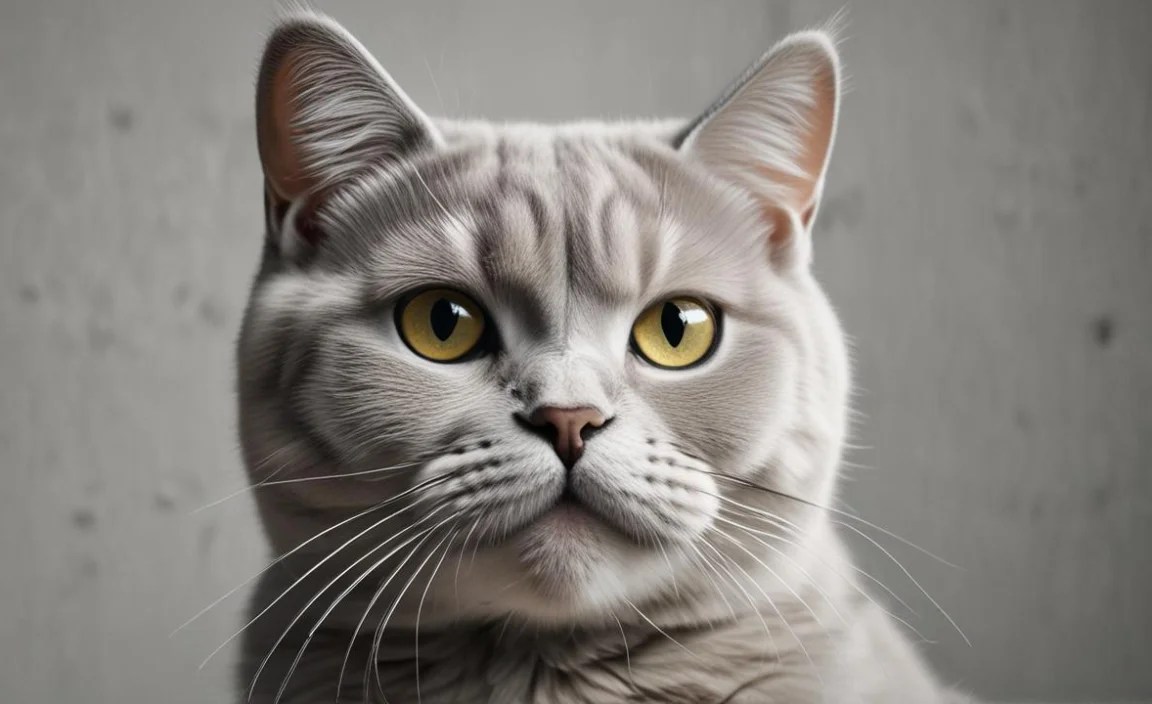
While British Shorthairs are generally well-behaved, they can still exhibit behavioral issues from time to time. Understanding the potential causes of these issues and how to address them is essential for maintaining a harmonious relationship with your feline companion.
Common Behavioral Problems
- Scratching: Scratching is a natural behavior for cats, but it can become a problem if they start scratching furniture or other inappropriate surfaces.
- Inappropriate Elimination: Urinating or defecating outside the litter box can be a sign of a medical issue or behavioral problem.
- Aggression: Aggression towards humans or other animals can be caused by fear, pain, or territoriality.
- Excessive Meowing: While British Shorthairs aren’t typically vocal, excessive meowing can indicate a medical problem, boredom, or attention-seeking behavior.
Seeking Professional Help
If you’re struggling to address behavioral issues on your own, don’t hesitate to seek professional help. A veterinarian or certified cat behaviorist can help you identify the underlying cause of the problem and develop a tailored treatment plan.
British Shorthair Temperament: Considerations for Potential Owners
If you’re considering adding a British Shorthair to your family, there are several factors to consider to ensure they are the right fit for your lifestyle:
Lifestyle Compatibility
British Shorthairs are relatively low-maintenance cats who adapt well to various lifestyles. However, they still require attention, care, and enrichment. Consider whether you have the time and resources to provide them with a loving home.
Living Space
While British Shorthairs can adapt to apartment living, they still need adequate space to explore, play, and rest. Provide them with vertical spaces, such as cat trees or shelves, to help them feel secure and stimulated.
Family Dynamics
British Shorthairs are generally good with children and other pets, but it’s essential to supervise interactions and teach children how to handle cats gently. Gradual introductions are also crucial for ensuring peaceful coexistence with other animals.
British Shorthair Temperament FAQs
Here are some frequently asked questions about the temperament of British Shorthair cats:
- Are British Shorthairs affectionate?
- Yes, but in their own way. They prefer to be near you rather than constantly on your lap, offering gentle nudges and companionship.
- Do British Shorthairs get along with children?
- Generally, yes! They are known for their patience, but always supervise interactions between cats and young children.
- Are British Shorthairs high-energy cats?
- No, they are relatively low-energy. They enjoy playtime but also appreciate their naps.
- Do British Shorthairs meow a lot?
- No, they are not overly vocal. They communicate more through body language.
- Are British Shorthairs easy to train?
- Yes, they are intelligent and can be trained using positive reinforcement techniques.
- Do British Shorthairs like to be held?
- Some do, but most prefer to sit next to you rather than being held for extended periods.
- How do I keep my British Shorthair entertained?
- Provide puzzle toys, interactive games, and regular play sessions to keep them mentally stimulated.
Conclusion
The British Shorthair temperament is truly something special. Their calm, affectionate, and adaptable nature makes them wonderful companions for a variety of households. While individual personalities can vary, understanding the typical traits of this breed can help you create a loving and enriching environment for your feline friend. By providing them with proper care, socialization, and enrichment, you can ensure a long and happy life together. Remember, a well-understood cat is a happy cat, and a happy cat makes for a joyful home!


