
British Shorthair Cat Mood Signals: The Ultimate Guide

Quick Summary: Understanding your British Shorthair’s mood signals is key to a happy cat-owner relationship. Watch for body language cues like relaxed posture (content), flattened ears (fear or aggression), slow blinks (trust), and tail position (alertness or agitation). Vocalizations, such as purring (usually contentment) and hissing (defensiveness), also provide important clues. Changes in appetite, grooming habits, or litter box use can signal underlying stress or illness. Pay attention, and you’ll become fluent in your cat’s unique language!
Ever feel like your British Shorthair is giving you the silent treatment? These wonderful cats aren’t always the most outwardly expressive, but they constantly communicate through subtle cues. Learning to decode these mood signals will help you understand your cat’s needs, strengthen your bond, and address any potential health or behavioral issues early on. It’s like unlocking a secret language! This guide will walk you through everything you need to know to become a British Shorthair mood whisperer.
Decoding Your British Shorthair’s Mood Signals

British Shorthairs, with their plush coats and calm demeanor, are beloved for good reason. But beneath that placid exterior lies a complex individual with a wide range of emotions. Let’s explore the key signals your British Shorthair uses to communicate their mood.
Body Language: The Silent Language of Cats
A cat’s body speaks volumes. Pay close attention to these physical cues:
- Posture:
- Relaxed: Lying down with paws tucked, slow blinking, or a gentle kneading motion indicates contentment.
- Tense: Crouching low to the ground, stiffened limbs, or a tucked tail signals fear or anxiety.
- Playful: A playful cat might have a slightly elevated rear end, twitching tail, and dilated pupils, ready to pounce.
- Ears:
- Forward: Alertness and interest.
- Swiveling: Paying attention to sounds in the environment.
- Flattened against the head: Fear, aggression, or feeling overwhelmed.
- Eyes:
- Dilated pupils: Excitement, fear, or playfulness.
- Constricted pupils: Aggression or feeling threatened.
- Slow blink: A sign of trust and affection. Try slow blinking back at your cat!
- Tail:
- Upright with a slight curve: Happiness and confidence.
- Wagging or twitching: Can indicate excitement, irritation, or conflict. Pay attention to the context!
- Tucked between the legs: Fear or submission.
- Puffed up: Fear and defensiveness.
Vocalizations: More Than Just “Meow”
British Shorthairs aren’t known for being overly talkative, but they do use a variety of vocalizations to express themselves:
- Purring: Usually indicates contentment, but can sometimes be a self-soothing mechanism when a cat is stressed or in pain.
- Meowing: Used to get your attention, often for food, water, or playtime. Excessive meowing can signal a problem.
- Hissing: A clear warning sign indicating fear, anger, or defensiveness. Give your cat space.
- Growling: A more intense warning than hissing, indicating a strong desire to be left alone.
- Chattering: Often heard when a cat is watching birds or other prey, expressing excitement and frustration.
- Yowling: Can indicate pain, disorientation, or cognitive decline, especially in older cats. Consult your veterinarian.
Changes in Behavior: Red Flags to Watch For
Sudden changes in your British Shorthair’s behavior can be a sign of underlying stress, illness, or discomfort. Pay attention to these red flags:
- Changes in appetite: Loss of appetite or increased appetite can both signal a problem.
- Changes in grooming habits: Neglecting grooming can indicate illness or depression, while excessive grooming can be a sign of anxiety.
- Changes in litter box habits: Urinating or defecating outside the litter box can be a sign of a urinary tract infection, stress, or territorial marking.
- Increased hiding: Spending more time hiding than usual can indicate fear, anxiety, or illness.
- Aggression: Sudden aggression towards you or other pets should be investigated by a veterinarian or a qualified cat behaviorist.
Common British Shorthair Moods and How to Respond

Let’s delve into some specific moods your British Shorthair might exhibit and how you can best respond to them.
Contentment and Relaxation
A happy British Shorthair is a joy to be around. Signs of contentment include:
- Soft purring
- Slow blinking
- Relaxed posture (lying down with paws tucked)
- Kneading (making biscuits)
- Rubbing against you
How to Respond: Enjoy the moment! Gently pet your cat, offer a comfortable lap, and provide a safe and enriching environment.
Fear and Anxiety
British Shorthairs can be sensitive to changes in their environment and may experience fear or anxiety. Signs include:
- Hiding
- Flattened ears
- Dilated pupils
- Tucked tail
- Hissing or growling
- Trembling
How to Respond: Identify the source of the fear or anxiety and remove it if possible. Provide a safe space for your cat to retreat to, such as a cat tree or a quiet room. Speak in a calm and reassuring voice. Avoid forcing interaction.
Playfulness and Excitement
Even though they’re known for their calm nature, British Shorthairs enjoy playtime. Signs of playfulness include:
- Dilated pupils
- Twitching tail
- Pouncing
- Chasing toys
- Playful biting (gentle!)
How to Respond: Engage your cat in interactive play with toys like feather wands, laser pointers (use with caution!), or puzzle feeders. Provide opportunities for scratching and climbing.
Irritation and Frustration
British Shorthairs can become irritated or frustrated if their needs aren’t met or if they feel threatened. Signs include:
- Tail twitching
- Flattened ears
- Growling
- Swatting
- Biting
How to Respond: Identify the source of the irritation and remove it. Give your cat space and avoid forcing interaction. Ensure your cat has access to food, water, a clean litter box, and a comfortable resting place.
Factors Influencing Your British Shorthair’s Mood

Several factors can influence your British Shorthair’s mood. Understanding these factors can help you create a more positive and enriching environment for your feline friend.
Environment
A stimulating and safe environment is crucial for a happy cat. Consider the following:
- Space: Provide plenty of vertical space, such as cat trees and shelves, to allow your cat to climb and explore.
- Enrichment: Offer a variety of toys, scratching posts, and puzzle feeders to keep your cat mentally and physically stimulated.
- Safety: Ensure your home is free from hazards, such as toxic plants, cleaning products, and loose electrical cords.
- Quiet spaces: Ensure your cat has access to quiet places where they can retreat and relax.
Social Interaction
While British Shorthairs are often independent, they still need social interaction. Consider the following:
- Human interaction: Spend time playing with, petting, and talking to your cat.
- Other pets: If you have other pets, ensure they are properly introduced and that your cat has its own space to retreat to.
- Children: Teach children how to interact with your cat respectfully and gently.
Health
Underlying health issues can significantly impact your cat’s mood. Regular veterinary checkups are essential. Be aware of signs of illness, such as:
- Changes in appetite
- Changes in litter box habits
- Lethargy
- Vomiting or diarrhea
- Coughing or sneezing
Consult your veterinarian if you notice any of these signs.
Routine
Cats thrive on routine. Maintaining a consistent feeding schedule, playtime, and sleep schedule can help reduce stress and anxiety.
Tools for Monitoring Your British Shorthair’s Mood

While careful observation is the best tool, some aids can help you track and understand your British Shorthair’s mood patterns over time.
| Tool | Description | Pros | Cons |
|---|---|---|---|
| Mood Journal | A notebook to record daily observations of your cat’s behavior, appetite, and activity levels. | Simple, inexpensive, personalized. | Requires consistent effort, subjective. |
| Pet Camera | A camera to monitor your cat’s behavior when you’re not home. | Provides visual data, can detect subtle changes. | Can be expensive, requires internet access. |
| Activity Monitor | A wearable device that tracks your cat’s activity levels and sleep patterns. | Provides objective data, can detect changes in activity levels. | Can be uncomfortable for some cats, may require subscription. |
Seeking Professional Help
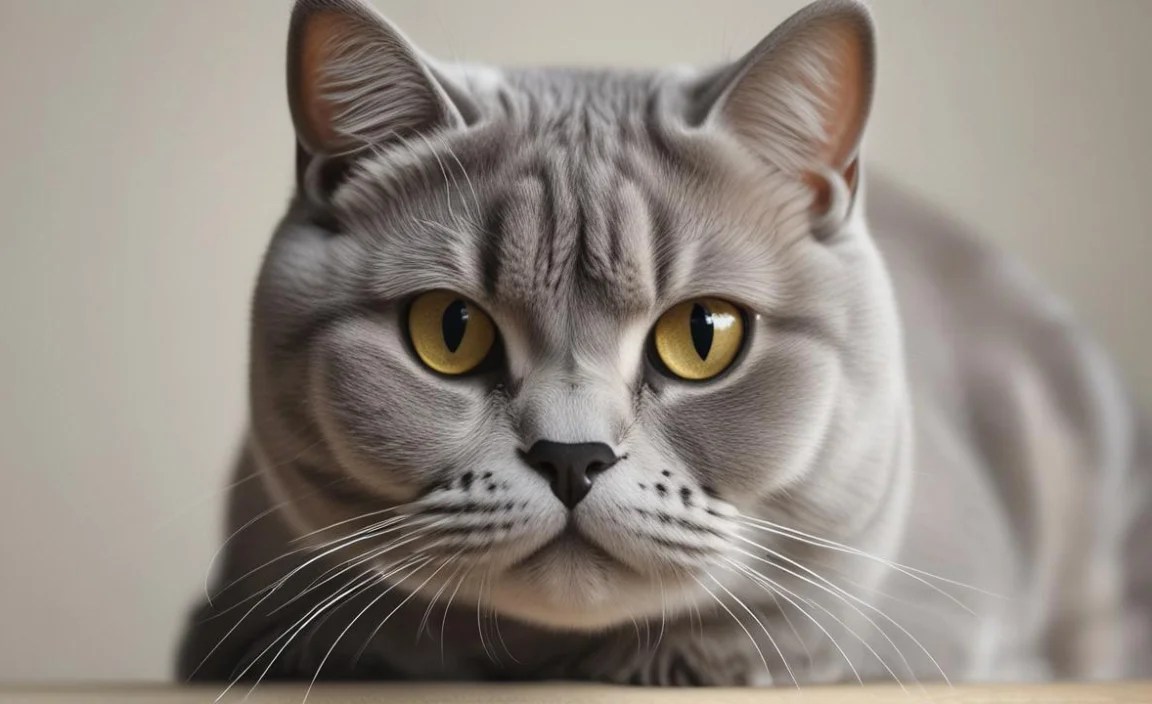
If you’re struggling to understand your British Shorthair’s mood or if you’re concerned about their behavior, don’t hesitate to seek professional help. A veterinarian or a certified cat behaviorist can help you identify and address any underlying issues.
When to Consult a Veterinarian
Consult your veterinarian if you notice any of the following:
- Sudden changes in behavior
- Changes in appetite or litter box habits
- Signs of pain or discomfort
- Aggression
- Excessive vocalization
When to Consult a Cat Behaviorist
Consult a certified cat behaviorist if you’re dealing with behavioral issues such as:
- Aggression
- Anxiety
- Destructive behavior
- Litter box problems
A cat behaviorist can help you identify the underlying causes of these issues and develop a behavior modification plan.
Case Studies: Real-Life Examples
Let’s look at a couple of real-life examples to illustrate how understanding mood signals can help you better care for your British Shorthair.
Case Study 1: The Hiding Cat
Sarah adopted a two-year-old British Shorthair named Winston. Winston was initially friendly but started hiding under the bed most of the day after a few weeks. Sarah was concerned and consulted a veterinarian, who ruled out any medical issues. Sarah then contacted a cat behaviorist, who observed that Winston was fearful of loud noises and activity in the home. The behaviorist recommended creating a safe space for Winston in a quiet room and using pheromone diffusers to reduce anxiety. Over time, Winston became more confident and started spending more time out in the open.
Case Study 2: The Aggressive Cat
John owned a five-year-old British Shorthair named Bella. Bella had always been affectionate, but she suddenly started hissing and swatting at John when he tried to pet her. John was confused and worried. He took Bella to the veterinarian, who discovered that she had arthritis in her hips. The veterinarian prescribed pain medication, and Bella’s aggression subsided. John also made changes to Bella’s environment to make it easier for her to move around, such as providing ramps to access her favorite resting spots.
Practical Tips for Building a Stronger Bond
Understanding your British Shorthair’s mood signals is just one piece of the puzzle. Here are some practical tips for building a stronger bond with your feline friend:
- Spend quality time with your cat: Even if it’s just for a few minutes each day, make time to play with, pet, and talk to your cat.
- Learn your cat’s preferences: Pay attention to what your cat enjoys and dislikes. Does your cat prefer to be petted on the head or under the chin? Does your cat prefer chasing a feather wand or batting at a toy mouse?
- Provide a stimulating environment: Offer a variety of toys, scratching posts, and climbing opportunities to keep your cat mentally and physically stimulated.
- Respect your cat’s boundaries: Don’t force interaction if your cat is not in the mood. Give your cat space when they need it.
- Be patient and understanding: It takes time to build a strong bond with a cat. Be patient and understanding, and your efforts will be rewarded.
British Shorthair Cat Mood Signals: FAQ
Here are some frequently asked questions about British Shorthair mood signals:
Q: How can I tell if my British Shorthair is happy?
A: Happy British Shorthairs often purr, slow blink, have relaxed postures, and may knead or rub against you. They’ll generally seem calm and content.
Q: Why is my British Shorthair suddenly hiding?
A: Hiding can indicate fear, anxiety, or illness. Check for any environmental changes or potential stressors. If the behavior persists, consult a vet.
Q: What does it mean when my British Shorthair’s tail is twitching?
A: Tail twitching can indicate excitement, irritation, or conflict. Pay attention to the context and other body language cues to understand the specific emotion.
Q: Is it normal for my British Shorthair to be less vocal than other cats?
A: Yes, British Shorthairs are generally less vocal than some other breeds. However, any sudden changes in vocalization should be investigated.
Q: How can I make my British Shorthair feel more secure?
A: Provide a safe and predictable environment, with plenty of vertical space, hiding places, and consistent routines for feeding and playtime.
Q: What should I do if my British Shorthair is showing signs of aggression?
A: Consult a veterinarian to rule out any medical causes. If the aggression is behavioral, a certified cat behaviorist can help you develop a behavior modification plan.
Q: My British Shorthair is grooming excessively. Is this a problem?
A: Excessive grooming can be a sign of anxiety or skin irritation. Check for fleas or other skin problems, and consult a vet if the behavior persists.
Conclusion
Understanding your British Shorthair’s mood signals is an ongoing journey. By paying close attention to their body language, vocalizations, and behavior, you can gain valuable insights into their emotional state and provide them with the care and support they need. Remember to be patient, observant, and responsive to your cat’s needs. With a little effort, you can build a strong and lasting bond with your British Shorthair and enjoy many years of companionship.


