
British Shorthair Affectionate Gestures: The Secret?

Quick Summary: British Shorthairs show affection in subtle yet heartwarming ways. Look for slow blinks, gentle headbutts (or “bunting”), and kneading. They might follow you around, purr contentedly while you pet them, or simply enjoy being in the same room as you. While not overly demanding, these gestures are their way of saying, “I love you” in their own calm, dignified manner.
Is your British Shorthair a bit of a mystery when it comes to showing love? Many owners wonder if their reserved British Shorthair truly cares. While they aren’t known for being overly clingy, these cats have their own special ways of expressing affection. Understanding these subtle cues will help you build an even stronger bond with your furry friend. Let’s decode the language of love, British Shorthair style!
Understanding British Shorthair Affection

British Shorthairs are known for their calm and independent nature. Unlike some breeds that demand constant attention, they tend to be more reserved in their displays of affection. This doesn’t mean they don’t love you; it simply means they show it differently. Understanding their unique communication style is key to recognizing and appreciating their affection.
Common Misconceptions About British Shorthair Affection
One common misconception is that British Shorthairs are aloof or uncaring. This couldn’t be further from the truth! They simply express their love in a more understated way. Another misconception is that if a British Shorthair doesn’t constantly cuddle, it doesn’t love you. Remember, every cat is an individual, and their comfort levels with physical affection vary. It’s all about learning your cat’s preferences.
Decoding the Affectionate Gestures
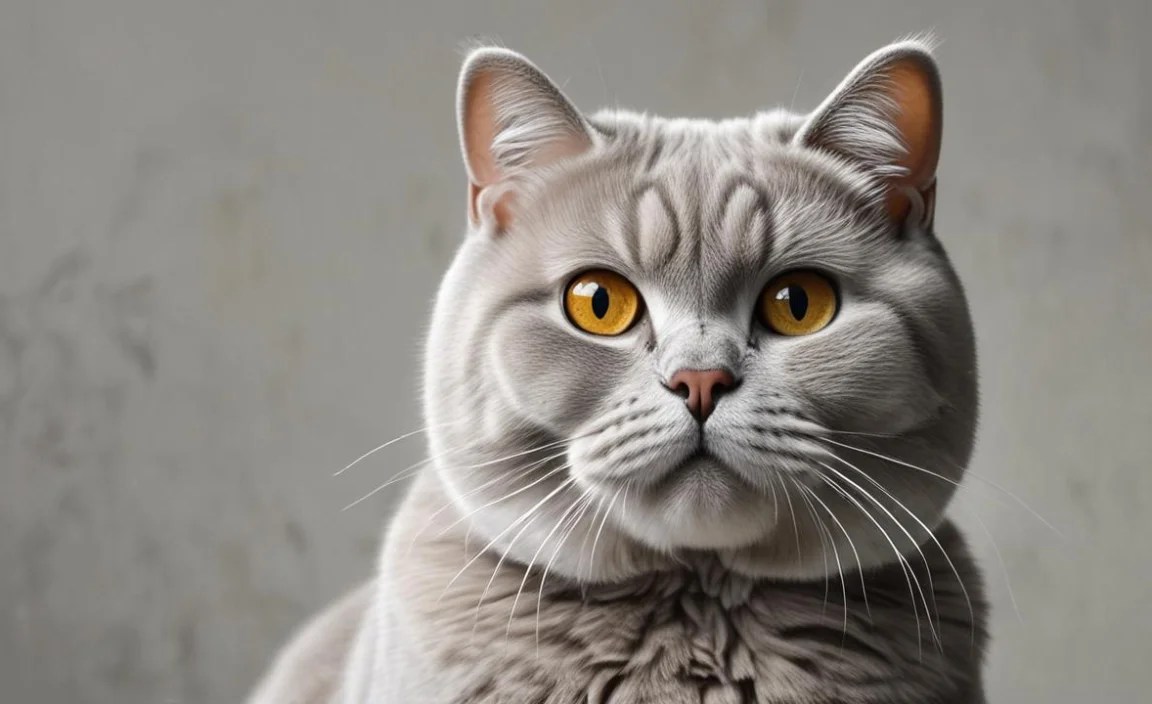
Let’s explore some of the most common ways British Shorthairs show affection. Keep an eye out for these behaviors, and you’ll start to see just how much your feline friend cares.
1. The Slow Blink: A Sign of Trust and Love
The slow blink, often called a “cat kiss,” is one of the most beautiful and subtle ways a British Shorthair expresses affection. When your cat slowly closes and opens its eyes while looking at you, it’s a sign of trust and contentment. It’s their way of saying they feel safe and comfortable in your presence. You can even “slow blink” back to them! To do this, simply look at your cat, gently close your eyes for a second or two, and then slowly open them again. This mimics their behavior and tells them you feel the same way.
2. Headbutts and Cheek Rubs: Marking You as Their Own
When your British Shorthair gently headbutts you or rubs their cheeks against you, they’re actually marking you with their scent. Cats have scent glands on their head and face, and by rubbing against you, they’re claiming you as part of their family. This behavior, also known as “bunting,” is a sign of affection and ownership. Consider it a feline hug!
3. Kneading: A Sign of Comfort and Contentment
Kneading, or making biscuits, is when your cat pushes their paws in and out on a soft surface, like your lap or a blanket. This behavior is often linked to kittenhood, as kittens knead their mother’s belly to stimulate milk flow. When an adult cat kneads, it’s a sign of comfort and contentment. They’re essentially reliving those cozy kittenhood memories and associating you with those positive feelings. According to research from the ASPCA, kneading is a common behavior in cats of all breeds.
4. Following You Around: A Quiet Declaration of Love
Does your British Shorthair follow you from room to room? While it might seem like curiosity, it’s often a sign of affection. They enjoy being in your presence and feel secure when they’re near you. Even if they don’t demand attention, simply being in the same room is their way of showing they care.
5. Purring: The Sound of Happiness
Purring is often associated with contentment and pleasure. When your British Shorthair purrs while you’re petting them, it’s a clear sign they’re enjoying your company and feeling loved. However, it’s important to note that cats also purr when they’re stressed or in pain, so pay attention to the context. A relaxed posture and gentle purr usually indicate happiness.
6. Bringing You Gifts: A Hunter’s Affection
While not all British Shorthairs do this, some may bring you “gifts” like toys or even the occasional (unfortunate) mouse. This behavior stems from their hunting instincts and is a sign they consider you part of their family. They’re sharing their bounty with you, even if it’s not something you particularly want! Try to react positively, even if you’re not thrilled with the offering. A simple “thank you” will let them know you appreciate the gesture.
7. Licking: A Grooming Gesture of Affection
Cats groom each other as a sign of bonding and affection. If your British Shorthair licks you, they’re including you in their grooming routine and showing you they care. This is a sign of trust and acceptance.
8. Sleeping Near You: A Sign of Trust and Security
If your British Shorthair chooses to sleep near you, whether it’s on your bed, on the sofa next to you, or even just in the same room, it’s a sign they feel safe and secure in your presence. Cats are vulnerable when they sleep, so choosing to sleep near you indicates a deep level of trust.
9. Showing Their Belly: A Vulnerable Display of Trust
When a cat exposes their belly, they are in a very vulnerable position. If your British Shorthair rolls over and shows you their belly, it means they trust you completely. However, this doesn’t necessarily mean they want a belly rub! Some cats enjoy it, while others find it irritating. Pay attention to their body language and respect their boundaries.
10. Vocalizations: More Than Just Meows
While British Shorthairs aren’t known for being overly vocal, they do use a variety of vocalizations to communicate. Soft meows, chirps, and trills can all be signs of affection. Pay attention to the tone and context of their vocalizations to understand what they’re trying to tell you.
Why British Shorthairs Are Less “In-Your-Face” Affectionate

Understanding the British Shorthair’s personality is key to appreciating their subtle displays of affection. Several factors contribute to their more reserved nature:
- Independent Nature: British Shorthairs are known for their independence and self-sufficiency. They don’t rely on constant attention and are content to entertain themselves.
- Laid-Back Temperament: Their calm and relaxed demeanor extends to their displays of affection. They’re not prone to dramatic displays of love.
- Historical Roles: Originally bred as working cats, they were valued for their hunting skills and independent nature, rather than their cuddliness.
How to Encourage and Reciprocate Affection

While British Shorthairs are not overly demanding, there are ways to encourage and reciprocate their affection, strengthening your bond:
- Respect Their Boundaries: Never force affection. If your cat doesn’t want to be petted or held, respect their wishes.
- Provide a Safe and Comfortable Environment: A secure and comfortable home will help your cat feel more relaxed and affectionate.
- Engage in Play: Playtime is a great way to bond with your cat and encourage affection.
- Offer Positive Reinforcement: Reward affectionate behaviors with praise, treats, or gentle petting.
- Learn Their Preferences: Pay attention to what your cat enjoys and tailor your interactions accordingly.
Dealing with a Non-Affectionate British Shorthair

If your British Shorthair seems completely uninterested in affection, don’t despair. There are several reasons why this might be the case:
- Personality: Some cats are simply less affectionate than others.
- Past Experiences: A cat with a history of trauma or neglect may be more hesitant to show affection.
- Medical Issues: Underlying medical conditions can sometimes affect a cat’s behavior. If you’re concerned, consult with your veterinarian.
Here are some tips for building trust and encouraging affection in a less affectionate cat:
- Be Patient: Building trust takes time. Be patient and consistent in your interactions.
- Create Positive Associations: Associate yourself with positive experiences, such as feeding, playtime, and gentle grooming.
- Respect Their Space: Avoid forcing interactions and allow your cat to approach you on their own terms.
- Use Calming Products: Pheromone diffusers, such as Feliway, can help create a calming environment and reduce stress.
British Shorthair Affectionate Gestures: A Table
| Gesture | Meaning | How to Respond |
|---|---|---|
| Slow Blink | Trust, love, contentment | Slow blink back |
| Headbutting/Bunting | Marking you as their own, affection | Gentle petting or scratching |
| Kneading | Comfort, contentment, relaxation | Allow them to knead on a soft surface |
| Following You | Enjoying your company, feeling secure | Acknowledge their presence with a smile or gentle word |
| Purring | Happiness, pleasure | Continue petting and enjoying their company |
| Bringing Gifts | Sharing their bounty, showing they care | Thank them, even if you don’t want the gift |
| Licking | Grooming gesture of affection, bonding | Allow them to lick you (unless you dislike it) |
| Sleeping Near You | Trust, security, feeling safe | Allow them to sleep nearby undisturbed |
| Showing Belly | Vulnerability, complete trust | Respect their boundaries; don’t always assume they want a belly rub |
| Soft Meows/Chirps | Affection, communication | Respond with gentle words or petting |
Comparing Affection Displays with Other Breeds
Compared to breeds like Siamese or Burmese, British Shorthairs are definitely more reserved. While those breeds might be constantly seeking attention and cuddles, British Shorthairs are content with quiet companionship. Here’s a quick comparison:
| Breed | Typical Affection Display | Energy Level | Vocalization |
|---|---|---|---|
| British Shorthair | Slow blinks, following, gentle purrs | Low to moderate | Relatively quiet |
| Siamese | Constant cuddling, demanding attention | High | Very vocal |
| Burmese | Affectionate, playful, loves laps | Moderate to high | Moderately vocal |
| Ragdoll | Docile, loves being held, “floppy” | Low to moderate | Quiet |
The Importance of Observation
The best way to understand your British Shorthair’s affectionate gestures is to observe their behavior closely. Pay attention to their body language, vocalizations, and habits. Over time, you’ll learn to recognize their unique ways of showing love.
Key Things to Observe:
- Body Posture: Relaxed or tense?
- Tail Position: Upright or tucked?
- Ear Position: Forward or flattened?
- Vocalizations: Purrs, meows, chirps?
- Habits: Where do they like to sleep? When are they most playful?
Seeking Professional Advice
If you’re concerned about your British Shorthair’s behavior or lack of affection, consult with your veterinarian or a certified cat behaviorist. They can help rule out any underlying medical issues and provide guidance on how to build a stronger bond with your cat.
You can also find helpful resources on websites like the Cornell Feline Health Center.
FAQ About British Shorthair Affection
1. Are British Shorthairs affectionate cats?
Yes, but they show affection in subtle ways like slow blinks, headbutts, and purring. They aren’t usually clingy but enjoy being near their owners.
2. Why isn’t my British Shorthair cuddly?
British Shorthairs are independent and not always cuddly. It’s part of their breed personality. Respect their boundaries and offer affection on their terms.
3. How can I tell if my British Shorthair loves me?
Look for signs like slow blinks, following you around, rubbing against you, and purring when you pet them. These are all signs of affection.
4. What does it mean when my British Shorthair kneads on me?
Kneading is a sign of comfort and contentment. It’s a behavior they learned as kittens and associate with feeling safe and loved.
5. My British Shorthair doesn’t purr. Does that mean they don’t like me?
Not necessarily. Some cats purr quietly or not at all. Look for other signs of affection, like slow blinks and rubbing against you.
6. How can I make my British Shorthair more affectionate?
Be patient, respect their boundaries, and offer positive reinforcement for affectionate behaviors. Provide a safe and comfortable environment.
7. Is it normal for a British Shorthair to be aloof?
Yes, it’s normal for them to be more independent and less demanding of attention than some other breeds. They show affection in their own way.
Conclusion
Understanding British Shorthair affectionate gestures is all about learning to speak their language. While they may not be the most outwardly affectionate breed, their subtle displays of love are incredibly rewarding. By paying attention to their body language, respecting their boundaries, and providing a loving and secure environment, you can build a strong and meaningful bond with your British Shorthair. Remember, every cat is an individual, and the most important thing is to appreciate their unique personality and the special ways they show they care.


