
British Shorthair Cat Humor & Playfulness: Ultimate Guide

Quick Summary: British Shorthairs are known for their calm demeanor, but they definitely have a playful side! They enjoy interactive games like chasing laser pointers, batting toys, and even puzzle feeders. Their humor often shines through in their quirky antics and expressions. Provide them with plenty of toys and playtime to keep them happy and entertained.
British Shorthairs are often described as dignified and independent cats. While this is true, it’s easy to underestimate their playful and humorous nature. Many owners are surprised to discover the silly side of their British Shorthairs! Are you wondering how to bring out the playful kitty in your British Shorthair? Or perhaps you want to understand their unique sense of humor? Don’t worry, you’re not alone. Let’s explore the delightful world of British Shorthair playfulness and humor, step by step.
Understanding British Shorthair Playfulness

British Shorthairs might not be as hyperactive as some other breeds, but they definitely enjoy playtime. Their playfulness is often more subtle and focused. Understanding their preferences is key to keeping them happy and engaged.
Typical Play Styles
British Shorthairs have their own distinct play style. They are not always the most athletic cats, so they may prefer games that don’t require a lot of running and jumping. Here are some common play styles:
- Interactive Play: They love playing with toys that mimic prey, such as feather wands or laser pointers.
- Puzzle Toys: These toys challenge their minds and provide a fun way to get treats.
- Chasing: While they might not chase toys endlessly, they do enjoy a good chase, especially if it involves a favorite toy.
- Batting: They love to bat at toys with their paws, especially small, lightweight objects.
Kitten vs. Adult Playfulness
As kittens, British Shorthairs are naturally more energetic and playful. They will engage in more active games and explore their surroundings with enthusiasm. As they mature, their playfulness might become more refined. Adult British Shorthairs often prefer shorter, more focused play sessions. Here’s a simple breakdown:
| Age | Play Style | Energy Level |
|---|---|---|
| Kitten (0-1 year) | Active, Exploratory | High |
| Adult (1-7 years) | Focused, Interactive | Moderate |
| Senior (7+ years) | Gentle, Relaxed | Low |
Bringing Out Their Playful Side

Even if your British Shorthair seems aloof, there are many ways to encourage their playful side. It’s all about finding the right approach and toys that appeal to their individual preferences.
Choosing the Right Toys
Selecting the right toys is crucial for engaging your British Shorthair. Consider these options:
- Feather Wands: These are great for interactive play and mimicking the movement of birds.
- Laser Pointers: Many cats love chasing the light, but use them responsibly to avoid frustration. Always end the laser pointer play session by directing the light onto a physical toy they can “catch.”
- Mice and Balls: Small, lightweight toys are perfect for batting around.
- Puzzle Feeders: These toys combine playtime with mealtime, stimulating their minds and providing a fun challenge.
- Catnip Toys: Catnip can stimulate playfulness in many cats, but not all cats react to it.
Creating a Playful Environment
A stimulating environment can encourage your British Shorthair to be more playful. Here are some ideas:
- Cat Trees: Provide vertical spaces for climbing and exploring. According to the RSPCA, cat trees can help cats feel more secure and encourage exercise.
- Scratching Posts: Encourage scratching in appropriate areas and provide a way to stretch and exercise.
- Window Perches: Cats love watching the outside world, and a window perch can provide hours of entertainment.
- Rotating Toys: Keep things interesting by rotating toys regularly. This prevents boredom and keeps them engaged.
Interactive Play Sessions
Regular interactive play sessions are essential for bonding with your British Shorthair and keeping them entertained. Here’s how to make the most of playtime:
- Schedule Regular Playtime: Aim for at least 15-20 minutes of playtime each day.
- Observe Their Preferences: Pay attention to which toys and games they enjoy the most.
- Be Patient: Some cats take time to warm up to playtime. Don’t force it, and let them set the pace.
- End on a Positive Note: Finish the play session with a successful “catch” or a treat to reinforce positive associations.
Decoding Their Unique Sense of Humor

British Shorthairs have a subtle but definite sense of humor. It might not be obvious, but observing their behavior can reveal their quirky personalities.
Common Funny Behaviors
Here are some common behaviors that showcase their humor:
- Box Obsession: Many British Shorthairs have an inexplicable love for boxes of all sizes.
- Staring Contests: They might engage in intense staring contests with you, seemingly for no reason.
- Sudden Bursts of Energy: They might suddenly start running around the house for no apparent reason, also known as the “zoomies.”
- Sleeping in Strange Positions: They can often be found sleeping in the most unusual and hilarious positions.
- Playing Hide-and-Seek: They love to hide and then pop out unexpectedly.
Interpreting Their Expressions
British Shorthairs have expressive faces, and their expressions can be quite humorous. Pay attention to these cues:
- The “Cheshire Cat” Smile: Their round faces and slightly upturned mouths can give them a perpetual “smiling” expression.
- Wide-Eyed Stares: A wide-eyed stare can indicate curiosity, surprise, or even mischief.
- The Slow Blink: This is a sign of affection and trust, and it can also be quite endearing.
Documenting Funny Moments
Capturing their funny moments can be a great way to appreciate their unique personalities. Keep your camera ready and be prepared to document their antics. Share these moments with other British Shorthair lovers online – you’re sure to find an appreciative audience!
Addressing Potential Issues
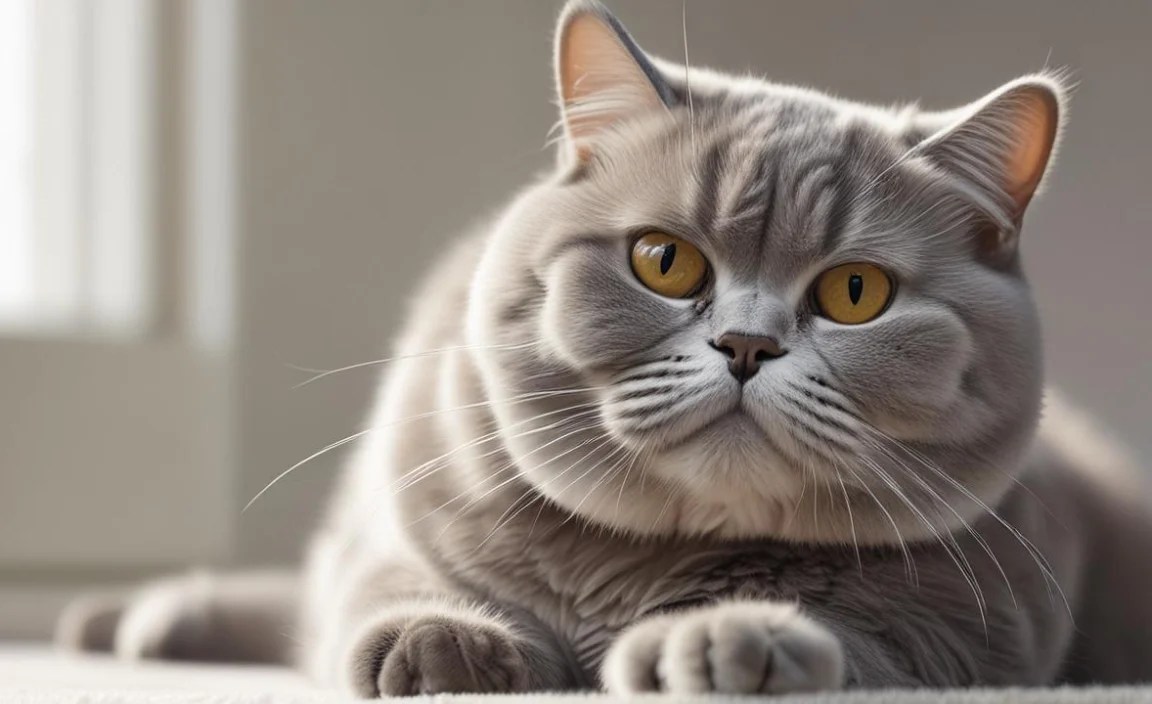
Sometimes, a lack of playfulness can indicate underlying issues. It’s important to address these concerns to ensure your British Shorthair is happy and healthy.
Recognizing Signs of Boredom
Boredom can lead to destructive behaviors and other problems. Watch out for these signs:
- Excessive Grooming: Over-grooming can be a sign of stress or boredom.
- Destructive Behavior: Scratching furniture, knocking things over, or chewing on objects can indicate boredom.
- Changes in Appetite: Boredom can lead to overeating or a decreased appetite.
- Lethargy: A lack of energy and interest in activities can be a sign of boredom or depression.
Health Concerns Affecting Playfulness
Underlying health issues can also affect a cat’s playfulness. If your British Shorthair suddenly becomes less playful, consult with your veterinarian. According to the Cornell Feline Health Center, many health issues can impact a cat’s behavior and energy levels. Common issues include:
- Arthritis: Joint pain can make it difficult for cats to move and play.
- Dental Problems: Dental pain can make it uncomfortable to eat and play.
- Hyperthyroidism: This condition can cause increased energy levels but can also lead to other health problems.
- Urinary Tract Infections: These infections can cause discomfort and changes in behavior.
Seeking Professional Advice
If you’re concerned about your British Shorthair’s lack of playfulness, consult with your veterinarian or a certified cat behaviorist. They can help identify any underlying issues and provide guidance on how to address them.
Tips for Senior British Shorthairs

As British Shorthairs age, their playfulness might change. It’s important to adapt your approach to accommodate their changing needs.
Adjusting Playtime
Senior cats might not be able to play as vigorously as they once did. Here are some tips for adjusting playtime:
- Shorter Sessions: Keep play sessions short and gentle.
- Low-Impact Toys: Choose toys that don’t require a lot of jumping or running.
- Gentle Interaction: Focus on gentle petting and cuddling.
- Comfortable Environment: Make sure their environment is comfortable and accessible.
Providing Mental Stimulation
Even if they can’t play as actively, senior cats still need mental stimulation. Try these ideas:
- Puzzle Feeders: These can provide a gentle mental challenge.
- New Toys: Introduce new toys to keep them interested.
- Window Watching: Provide a comfortable spot for them to watch the outside world.
- Regular Interaction: Spend time talking to and petting them.
Monitoring Health
Regular veterinary checkups are especially important for senior cats. Monitor their health closely and address any concerns promptly. Early detection and treatment of health issues can help maintain their quality of life and keep them comfortable.
Conclusion
British Shorthairs are wonderful companions with a unique blend of dignity and playfulness. By understanding their play styles, providing the right toys and environment, and decoding their quirky sense of humor, you can enrich their lives and strengthen your bond. Remember to be patient, observant, and responsive to their individual needs. Whether they’re chasing a laser pointer, batting at a toy mouse, or simply napping in a funny position, British Shorthairs bring joy and laughter to our lives every day. With the right approach, you can unlock the playful spirit within your British Shorthair and enjoy countless moments of fun and companionship.
Frequently Asked Questions
Are British Shorthairs playful cats?
Yes, British Shorthairs are playful, though they might not be as hyperactive as some breeds. They enjoy interactive games, puzzle toys, and short bursts of activity.
What kind of toys do British Shorthairs like?
British Shorthairs typically enjoy feather wands, laser pointers (used responsibly), small mice or balls for batting, and puzzle feeders.
How can I encourage my British Shorthair to play?
Create a stimulating environment with cat trees and scratching posts, rotate toys regularly, and schedule regular interactive play sessions.
Why isn’t my British Shorthair playful?
A lack of playfulness can be due to boredom, underlying health issues, or simply their individual personality. Consult with your veterinarian if you’re concerned.
Do British Shorthairs have a sense of humor?
Yes, British Shorthairs have a subtle sense of humor, often displayed through quirky behaviors, funny expressions, and unexpected antics.
How much playtime does a British Shorthair need?
Aim for at least 15-20 minutes of interactive playtime each day to keep your British Shorthair happy and engaged.
How do I adjust playtime for a senior British Shorthair?
Keep play sessions short and gentle, choose low-impact toys, and focus on gentle petting and cuddling.


