
British Shorthair Adaptability to New Environments: Easy?

British Shorthairs are generally adaptable cats, but they need a calm, patient introduction to new environments. Provide a safe, quiet space with familiar items like their bed, toys, and food bowls. Gradual exploration, positive reinforcement with treats and praise, and minimizing stress from loud noises or other pets will help them adjust comfortably.
Moving to a new home or even rearranging your current one can be stressful for your British Shorthair. Cats are creatures of habit, and sudden changes can make them feel insecure. As a feline behavior expert at BritishShorthairAsk.com, I understand how worrying it can be to see your beloved British Shorthair stressed and unsettled. But don’t worry! With the right approach, you can help your furry friend adjust to new surroundings with confidence and ease. In this guide, I’ll walk you through the steps to make the transition as smooth as possible, so your British Shorthair feels safe, secure, and happy in their new environment.
Understanding Your British Shorthair’s Personality

Before diving into specific strategies, it’s essential to understand the general temperament of British Shorthairs. This breed is known for its:
- Calm and relaxed nature: They aren’t typically as high-strung as some other breeds.
- Affectionate but independent streak: They enjoy human companionship but are also content to entertain themselves.
- Sensitivity to change: While adaptable, sudden changes can cause stress.
Knowing these traits will help you tailor your approach to their individual needs.
Creating a Safe Haven
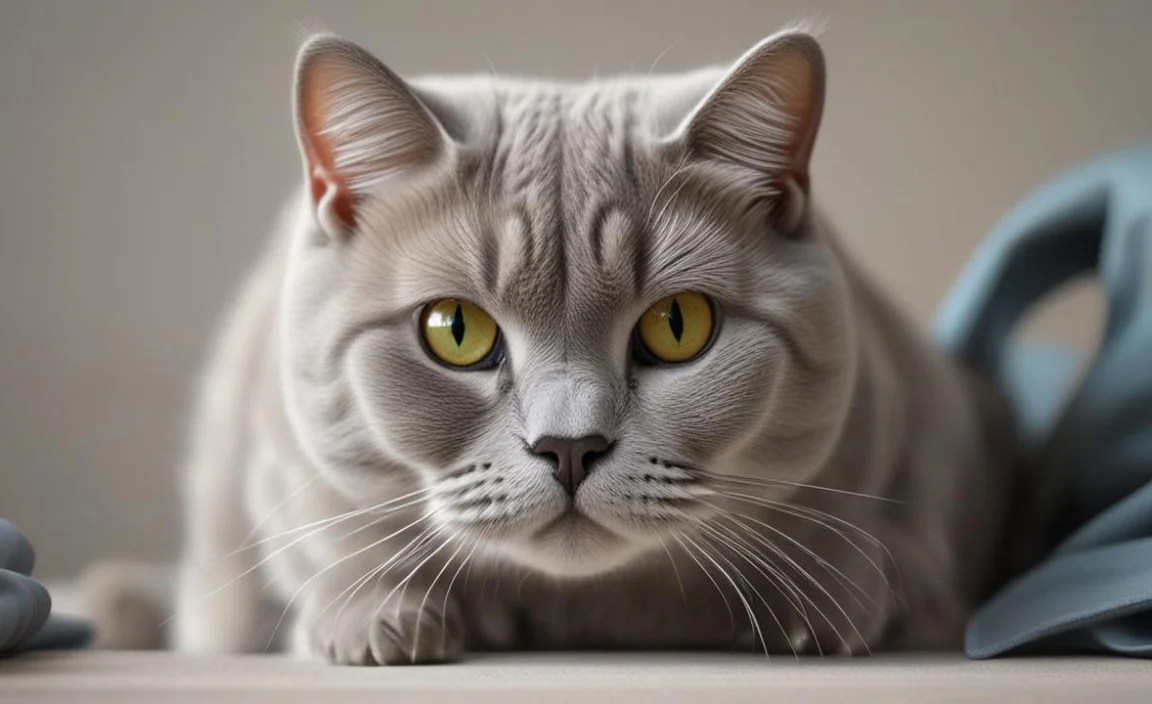
The first step is to create a safe and secure space for your British Shorthair in the new environment. This will be their sanctuary, a place where they can retreat and feel protected. Choose a quiet room or corner with minimal foot traffic.
Setting up the Safe Space
Equip the safe space with the following:
- Familiar bedding: Use their favorite bed or blanket to provide a familiar scent.
- Food and water bowls: Place them away from the litter box to encourage good hygiene.
- Litter box: Ensure it’s easily accessible and clean.
- Scratching post: This will help them mark their territory and relieve stress.
- Favorite toys: These will provide comfort and entertainment.
It’s important that the safe space is ready before you introduce your cat to the new environment. This will give them an immediate sense of security.
Introducing Your British Shorthair to the New Environment

The key to successful adaptation is a gradual and patient introduction. Avoid overwhelming your cat with too much space too soon.
Step-by-Step Introduction
- First day: Keep your cat confined to the safe space. Let them explore and get comfortable without pressure.
- Second day: If your cat seems relaxed, open the door to the safe space and allow them to explore one room at a time. Supervise their exploration and ensure they can easily return to their safe space.
- Subsequent days: Gradually increase the area they can explore, always ensuring they have access to their safe space.
Important: Never force your cat to explore. Let them set the pace. If they seem scared or anxious, gently guide them back to their safe space and try again later.
Minimizing Stress Factors

Several factors can contribute to stress during the adaptation period. Identifying and minimizing these factors is crucial.
Common Stressors and How to Manage Them
- Loud noises: Keep the environment calm and quiet. Avoid loud music, shouting, or sudden noises.
- Strangers: Limit the number of visitors during the initial adaptation period.
- Other pets: Introduce new pets gradually and under supervision. Ensure each animal has their own space and resources.
- Changes in routine: Maintain a consistent feeding schedule and playtime to provide a sense of normalcy.
Using Positive Reinforcement

Positive reinforcement can work wonders in helping your British Shorthair associate the new environment with positive experiences.
Techniques for Positive Reinforcement
- Treats: Offer small treats when your cat explores new areas or exhibits calm behavior.
- Praise: Use a gentle, soothing voice to praise your cat when they are relaxed and confident.
- Playtime: Engage in interactive play sessions in the new environment to create positive associations.
- Affection: Offer gentle petting and grooming if your cat enjoys it.
Remember, consistency is key. Use positive reinforcement consistently to help your cat build confidence and feel secure.
Monitoring Your British Shorthair’s Behavior
Pay close attention to your cat’s behavior during the adaptation period. This will help you identify any signs of stress or anxiety and adjust your approach accordingly.
Signs of Stress in Cats
- Hiding: Excessive hiding can indicate fear or anxiety.
- Loss of appetite: Stress can suppress appetite.
- Changes in litter box habits: Urinating or defecating outside the litter box can be a sign of stress. According to the RSPCA, changes in litter box habits require veterinary attention.
- Excessive grooming: Over-grooming can be a coping mechanism for stress.
- Aggression: In some cases, stressed cats may become aggressive.
If you notice any of these signs, consult with your veterinarian or a feline behaviorist for guidance.
The Importance of Scent
Cats rely heavily on their sense of smell to navigate their environment and feel secure. Using familiar scents can help ease the transition to a new environment.
Using Scent to Comfort Your Cat
- Familiar bedding: As mentioned earlier, using their favorite bed or blanket is crucial.
- Scent soakers: Rub a soft cloth on your cat’s cheeks and body to collect their scent. Then, rub the cloth on furniture and walls in the new environment to spread their scent.
- Feliway diffusers: These diffusers release synthetic feline pheromones that can help reduce stress and promote relaxation. According to the International Cat Care organization, pheromone diffusers can be a helpful tool in managing feline stress.
Dealing with Specific Challenges
Every cat is different, and some may face unique challenges when adapting to a new environment. Here are some common challenges and how to address them.
Challenge 1: Fear of New Sounds
Solution: Gradually expose your cat to new sounds at a low volume. Pair the sounds with positive reinforcement, such as treats or playtime. You can also use white noise or calming music to mask unfamiliar sounds.
Challenge 2: Hiding Constantly
Solution: Make the safe space as comfortable and inviting as possible. Spend time near the safe space, talking to your cat in a gentle voice. Offer treats or toys near the entrance to encourage them to come out. Never force them out of hiding.
Challenge 3: Aggression Towards Other Pets
Solution: Keep the pets separated initially. Gradually introduce them to each other’s scent by swapping bedding. Supervise brief, controlled interactions, and separate them immediately if aggression occurs. Consult with a veterinarian or animal behaviorist for further guidance. The American Veterinary Medical Association (AVMA) is a good resource for finding qualified professionals.
Long-Term Adaptation
Even after your British Shorthair seems to have adjusted to the new environment, it’s important to continue providing support and reassurance.
Maintaining a Secure Environment
- Consistent routine: Stick to a regular feeding, playtime, and grooming schedule.
- Safe space: Continue to provide access to the safe space, even if your cat no longer uses it regularly.
- Attention and affection: Continue to provide plenty of attention, affection, and playtime.
When to Seek Professional Help
In some cases, your British Shorthair may require professional help to adjust to a new environment. Consider seeking help from a veterinarian or feline behaviorist if:
- Your cat exhibits severe signs of stress, such as prolonged loss of appetite or aggression.
- Your cat’s behavior doesn’t improve after several weeks of implementing the strategies outlined above.
- You are concerned about your cat’s physical or emotional well-being.
British Shorthair Adaptability to New Environments: Key Considerations
Here’s a quick recap of essential factors influencing your British Shorthair’s adaptability:
| Factor | Description | How to Help |
|---|---|---|
| Temperament | British Shorthairs are generally calm but sensitive to change. | Provide a stable, predictable environment. |
| Safe Space | A secure area with familiar items is crucial for reducing anxiety. | Set up a safe space before the move and ensure it’s comfortable. |
| Gradual Introduction | Slowly introduce your cat to new areas to avoid overwhelming them. | Start with one room and gradually expand their territory. |
| Positive Reinforcement | Rewards help your cat associate the new environment with positive experiences. | Use treats, praise, and playtime to reward calm behavior. |
| Scent | Familiar scents provide comfort and security. | Use familiar bedding and scent soakers to spread their scent. |
| Stressors | Loud noises, strangers, and changes in routine can increase anxiety. | Minimize stressors and maintain a consistent schedule. |
British Shorthair Adaptability: Dos and Don’ts
To ensure a smooth transition, keep these dos and don’ts in mind:
| Do | Don’t |
|---|---|
| Create a safe space. | Force your cat to explore. |
| Introduce new areas gradually. | Overwhelm your cat with too much space too soon. |
| Use positive reinforcement. | Punish your cat for hiding or acting scared. |
| Maintain a consistent routine. | Make sudden changes to their feeding or playtime schedule. |
| Provide plenty of attention and affection. | Ignore signs of stress or anxiety. |
FAQ: British Shorthair Adaptability to New Environments
Here are some frequently asked questions about helping British Shorthairs adjust to new environments:
How long does it take for a British Shorthair to adjust to a new home?
It varies from cat to cat, but most British Shorthairs will start to feel comfortable within a few weeks. Some may adjust within days, while others may take a couple of months.
What are the signs that my British Shorthair is stressed in a new environment?
Signs of stress include hiding, loss of appetite, changes in litter box habits, excessive grooming, and aggression.
Should I keep my British Shorthair confined to one room when we first move?
Yes, confining your cat to a safe space initially is highly recommended. This allows them to adjust gradually and feel secure.
Can I use Feliway to help my British Shorthair adjust?
Yes, Feliway diffusers can be very helpful in reducing stress and promoting relaxation in cats. They release synthetic feline pheromones that mimic the natural calming signals of cats.
How can I introduce my British Shorthair to other pets in the new home?
Introduce them gradually and under supervision. Keep them separated initially, then allow them to sniff each other under the door. Supervise brief, controlled interactions and separate them if aggression occurs.
What should I do if my British Shorthair stops eating in the new environment?
Try offering their favorite foods, warming the food slightly to enhance the aroma, and providing a quiet, stress-free environment. If they continue to refuse food for more than 24 hours, consult with your veterinarian.
Is it normal for my British Shorthair to hide a lot in a new home?
Yes, it’s normal for cats to hide when they feel insecure or stressed. Make sure they have a comfortable and accessible safe space, and be patient as they adjust.
Conclusion
Helping your British Shorthair adapt to a new environment requires patience, understanding, and a proactive approach. By creating a safe space, introducing them gradually, minimizing stress factors, and using positive reinforcement, you can help your feline friend feel secure and confident in their new surroundings. Remember to monitor their behavior closely and seek professional help if needed. With your love and support, your British Shorthair will soon be thriving in their new home, bringing you years of joy and companionship.


