
British Shorthair Affectionate Behavior Patterns: Secret?

British Shorthairs are known for being affectionate but in a uniquely British way! They’re more about being near you than constantly on you. Expect gentle head boops, following you from room to room, and settling beside you on the sofa. Every cat is different, but most British Shorthairs show love through calm companionship and quiet presence.
Is your British Shorthair a bit… reserved? Don’t worry! While they aren’t usually the clingy type, these cats have their own special ways of showing affection. It’s easy to misinterpret their behavior, but once you understand their love language, you’ll see how much they care. This guide will walk you through the common affectionate behaviors of British Shorthairs, helping you understand and strengthen your bond with your feline friend. We’ll explore everything from purrs and slow blinks to the subtle art of the “British Shorthair lean.”
Understanding British Shorthair Affection

British Shorthairs are often described as independent and dignified. This doesn’t mean they’re aloof or uncaring. It simply means they express affection differently than, say, a Siamese or a Ragdoll. Think of them as the strong, silent type of the cat world. They prefer quiet companionship and gentle interactions.
The Independent but Loving Nature
One of the most endearing qualities of British Shorthairs is their independence. They don’t demand constant attention, which can be a welcome trait for busy owners. However, this independence doesn’t mean they don’t crave affection. They simply prefer it on their own terms. They might choose to sit near you while you work, or sleep at the foot of your bed, offering their presence as a sign of love and loyalty.
According to The International Cat Association (TICA), British Shorthairs are known for their easy-going temperament, which contributes to their unique approach to showing affection. They’re content to simply be in your company, making them wonderful, low-key companions.
Common Misconceptions About Affection
It’s easy to misinterpret a British Shorthair’s behavior if you’re expecting a constantly purring, lap-sitting cat. Here are a few common misconceptions:
- They don’t like to be held: While some British Shorthairs dislike being held for extended periods, many enjoy short cuddles, especially when they initiate it.
- They’re not playful: British Shorthairs are playful, especially as kittens and younger cats. Their play style may be less frantic than some breeds, but they enjoy interactive toys and games.
- They’re not affectionate: This is perhaps the biggest misconception. British Shorthairs show affection through their presence, gentle interactions, and subtle cues.
Decoding British Shorthair Affectionate Behaviors

Now, let’s dive into the specific behaviors that indicate your British Shorthair loves you.
The Power of Presence
One of the most common ways a British Shorthair shows affection is simply by being near you. This might involve:
- Following you from room to room: If your British Shorthair consistently shadows you, it’s a sign they enjoy your company and feel secure in your presence.
- Sleeping nearby: Whether it’s at the foot of your bed, on a nearby chair, or even just in the same room, sleeping close by indicates trust and affection.
- Sitting beside you on the sofa: This is a classic sign of companionship. They might not be directly on your lap, but their proximity speaks volumes.
Gentle Physical Contact
While they may not be lap cats, British Shorthairs often enjoy gentle physical contact, such as:
- Head boops: This is a sign of trust and affection. When your cat gently bumps their head against you, they’re marking you with their scent and showing you they care.
- Rubbing against your legs: Similar to head boops, rubbing against your legs is a way of marking you and showing affection.
- Kneading: Also known as “making biscuits,” kneading is a behavior that cats often exhibit when they’re feeling content and secure. It’s a throwback to kittenhood when they would knead their mother’s belly to stimulate milk flow.
Vocalizations
British Shorthairs aren’t typically overly vocal cats, but they do use vocalizations to communicate their feelings. Listen for:
- Purring: Purring is generally a sign of contentment and relaxation. However, cats also purr when they’re stressed or in pain, so it’s important to consider the context.
- Soft meows: A gentle meow can be a way of greeting you or asking for attention.
- Chirping or trilling: These sounds are often used when a cat is excited or interested in something, such as a bird outside the window.
The Language of Eyes
Cats communicate a lot through their eyes. Pay attention to:
- Slow blinks: This is often referred to as a “cat kiss.” When a cat slowly blinks at you, they’re signaling that they trust and feel comfortable around you. Try slow blinking back to show your affection!
- Dilated pupils: While dilated pupils can indicate excitement or fear, they can also be a sign of affection, especially when accompanied by other positive behaviors.
Playful Interactions
British Shorthairs enjoy playing, though their play style is often more subdued than that of other breeds. Look for:
- Chasing toys: They enjoy chasing after toys, especially those that mimic prey, such as feather wands or laser pointers.
- Playing fetch: Some British Shorthairs enjoy playing fetch with small toys.
- Interactive games: Puzzle toys and other interactive games can provide mental stimulation and strengthen your bond.
Gifts (Sometimes)
While not all British Shorthairs are hunters, some may bring you “gifts,” such as:
- Toys: Bringing you a favorite toy is a sign of affection and trust.
- Small Animals: If your cat is an outdoor cat, they may occasionally bring you a dead mouse or bird. While this might seem unpleasant, it’s actually a sign that they see you as part of their family and want to share their bounty.
Creating a Loving Environment
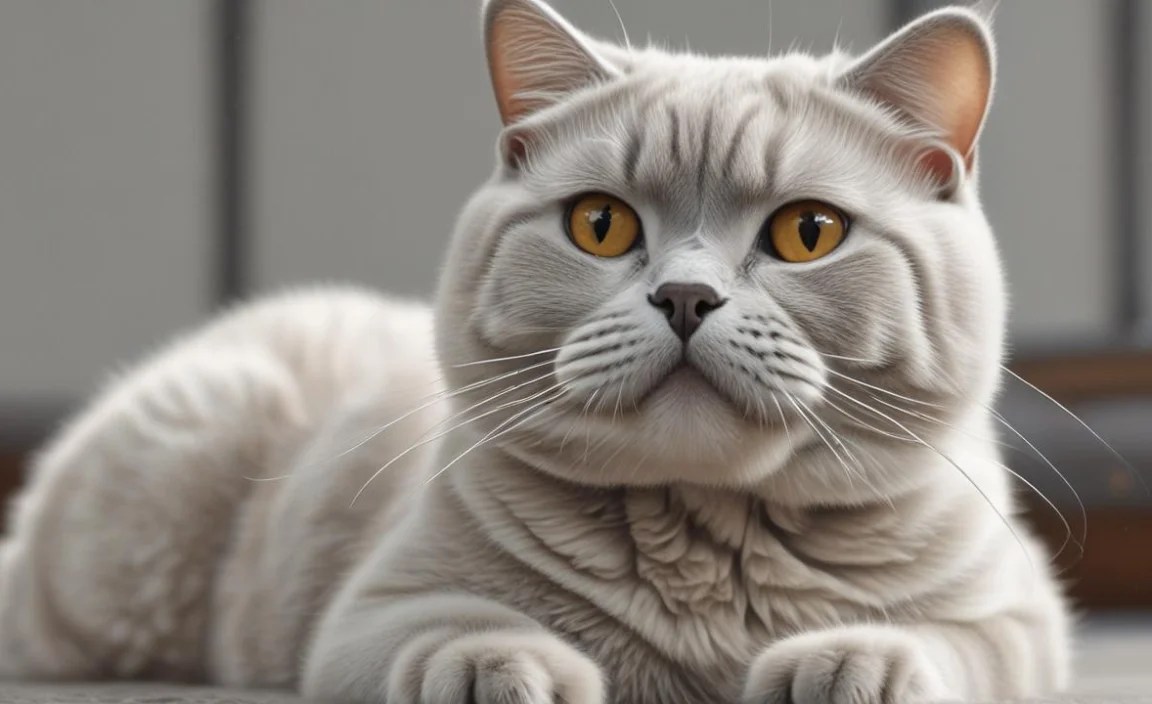
To encourage affectionate behaviors in your British Shorthair, it’s important to create a loving and supportive environment.
Providing Comfort and Security
Cats thrive in stable and predictable environments. Make sure your British Shorthair has:
- A safe and comfortable space: This could be a cozy bed, a cat tree, or even just a quiet corner where they can retreat when they feel overwhelmed.
- Regular feeding schedule: Cats feel more secure when they know when and where their next meal is coming from.
- Consistent routine: Try to stick to a regular daily routine as much as possible.
Respecting Their Boundaries
It’s crucial to respect your British Shorthair’s boundaries. This means:
- Not forcing affection: If your cat doesn’t want to be held or petted, don’t force it. Let them come to you on their own terms.
- Recognizing their body language: Learn to recognize the signs that your cat is feeling stressed or uncomfortable, such as flattened ears, a twitching tail, or hissing.
- Providing escape routes: Make sure your cat has plenty of places to escape to if they feel overwhelmed, such as high shelves or secluded corners.
Engaging in Playtime
Playtime is a great way to bond with your British Shorthair and encourage affectionate behaviors. Try:
- Interactive play: Use toys like feather wands or laser pointers to engage your cat’s natural hunting instincts.
- Puzzle toys: Puzzle toys can provide mental stimulation and keep your cat entertained.
- Short, frequent play sessions: British Shorthairs often prefer short, frequent play sessions to long, drawn-out ones.
The Importance of Positive Reinforcement
Positive reinforcement is a powerful tool for shaping your cat’s behavior. When your British Shorthair exhibits affectionate behaviors, reward them with:
- Verbal praise: Use a gentle, soothing voice to tell your cat what a good job they’re doing.
- Treats: Offer your cat a small treat as a reward for good behavior.
- Gentle petting: If your cat enjoys being petted, offer them a few gentle strokes as a reward.
When to Consult a Veterinarian

While most changes in behavior are normal, some can indicate an underlying medical issue. Consult a veterinarian if you notice any of the following:
- Sudden changes in behavior: If your cat suddenly becomes more withdrawn or aggressive, it could be a sign of pain or illness.
- Loss of appetite: A sudden loss of appetite can be a sign of a variety of medical problems.
- Lethargy: If your cat seems unusually tired or sluggish, it could be a sign of illness.
- Changes in litter box habits: Changes in urination or defecation habits can indicate a urinary tract infection or other medical problem.
According to the Cornell Feline Health Center, changes in behavior are often the first sign that a cat is not feeling well. Early detection and treatment can improve your cat’s quality of life and prevent serious health problems.
British Shorthair Affection: A Summary Table
Here’s a handy reference table summarizing the affectionate behaviors discussed:
| Behavior | Description | Interpretation |
|---|---|---|
| Presence | Following you, sleeping nearby, sitting beside you | Companionship, security, trust |
| Head Boops | Gentle headbutts | Affection, marking territory |
| Rubbing | Rubbing against legs | Affection, marking territory |
| Kneading | “Making biscuits” | Contentment, relaxation |
| Purring | Soft rumbling sound | Contentment, relaxation (sometimes stress) |
| Slow Blinks | Slowly closing and opening eyes | Trust, affection |
| Playfulness | Chasing toys, interactive games | Bonding, stimulation |
| Gifts | Bringing toys or prey | Sharing, affection |
Real-Life Examples of British Shorthair Affection

To further illustrate how British Shorthairs show affection, here are a few real-life examples from British Shorthair owners:
- Sarah’s Story: “My British Shorthair, Winston, isn’t a lap cat at all. But every morning, he waits for me by the bathroom door and rubs against my legs while I brush my teeth. It’s his way of saying good morning, and it always makes me smile.”
- David’s Story: “My cat, Clementine, loves to play fetch with her favorite toy mouse. She’ll bring it to me, drop it at my feet, and then wait for me to throw it. It’s our special bonding time.”
- Emily’s Story: “My British Shorthair, Oliver, is my shadow. He follows me everywhere I go in the house. Even if he’s not directly interacting with me, I know he’s happy just to be near me.”
British Shorthair Temperament: A Deeper Dive
To truly understand the affectionate behaviors of British Shorthairs, it’s important to delve deeper into their overall temperament.
Key Traits of the Breed
Here are some key traits that define the British Shorthair personality:
- Calm and Gentle: British Shorthairs are known for their calm and gentle nature, making them excellent companions for families with children and other pets.
- Independent: As mentioned earlier, they are independent cats who don’t require constant attention.
- Playful: They enjoy playing, but their play style is often more subdued than that of other breeds.
- Intelligent: British Shorthairs are intelligent cats who can be trained to do simple tricks.
- Adaptable: They are adaptable cats who can thrive in a variety of living situations, from apartments to large homes.
How Temperament Influences Affection
The British Shorthair’s temperament directly influences how they show affection. Their calm and gentle nature means they’re more likely to express affection through quiet companionship and subtle cues than through boisterous displays of attention. Their independence means they’ll likely initiate interactions on their own terms, rather than constantly demanding attention.
British Shorthair Affection: Fact vs. Fiction
Let’s debunk some common myths about British Shorthair affection:
| Myth | Fact |
|---|---|
| British Shorthairs are not affectionate. | British Shorthairs are affectionate but express it differently. They show love through presence, gentle interactions, and subtle cues. |
| They don’t like to be held. | Some dislike being held for extended periods, but many enjoy short cuddles, especially when they initiate it. |
| They’re not playful. | British Shorthairs are playful, especially as kittens and younger cats. Their play style may be less frantic than some breeds, but they enjoy interactive toys and games. |
| They don’t bond with their owners. | British Shorthairs form strong bonds with their owners and show their affection through their presence and subtle behaviors. |
FAQ About British Shorthair Affection
Here are some frequently asked questions about British Shorthair affection:
- Are British Shorthairs affectionate cats?
- Yes, British Shorthairs are affectionate but in a subtle way. They show affection through their presence, gentle interactions, and quiet companionship rather than constant cuddling.
- Why doesn’t my British Shorthair like to sit on my lap?
- Many British Shorthairs prefer to sit near you rather than on your lap. It’s part of their independent nature. They still love your company, even if they aren’t cuddled up.
- How can I tell if my British Shorthair is happy?
- Signs of a happy British Shorthair include purring, slow blinking, rubbing against you, playing, and having a healthy appetite. Relaxed body posture also indicates happiness.
- Do British Shorthairs get lonely?
- While they are independent, British Shorthairs can get lonely. Provide them with plenty of toys, playtime, and attention to keep them happy and engaged.
- How can I bond with my British Shorthair?
- Bond with your British Shorthair through regular playtime, gentle petting (if they enjoy it), providing a comfortable environment, and respecting their boundaries. Positive reinforcement also helps.
- Is it normal for my British Shorthair to follow me everywhere?
- Yes, it’s common for British Shorthairs to follow their owners around the house. It’s a sign they enjoy your company and feel secure in your presence.
- What should I do if my British Shorthair suddenly becomes less affectionate?
- Sudden changes in behavior can indicate a medical issue. Consult a veterinarian to rule out any underlying health problems.
Conclusion
Understanding British Shorthair affectionate behavior patterns is key to building a strong and loving relationship with your feline companion. While they may not be the most outwardly affectionate breed, their subtle gestures, quiet companionship, and gentle interactions speak volumes. By respecting their boundaries, providing a comfortable environment, and engaging in playtime, you can create a bond that is both fulfilling and long-lasting. Remember, every cat is an individual, and it may take time to fully understand your British Shorthair’s unique way of showing affection. But with patience and understanding, you’ll be rewarded with the unwavering loyalty and quiet love of this remarkable breed. So, embrace the “British” way of affection – it’s a sign of a deep and meaningful connection.


