
British Shorthair Bonding with Owners: Easy Guide

British Shorthairs are known for their independence, but they can definitely bond with their owners! To encourage bonding, create a calm environment, offer gentle interaction like petting and play, and be patient. Use positive reinforcement with treats and praise, respect their space, and spend quality time nearby. Consistency and understanding their individual personality are key!
Bringing a British Shorthair into your home is like adding a fluffy, four-legged roommate to your family. These cats are known for their calm and independent nature, which can sometimes make bonding feel like a slow process. Are you worried your British Shorthair isn’t as cuddly as you’d hoped? Don’t worry; it’s a common concern! The good news is that with the right approach, you can absolutely build a loving and trusting relationship with your British Shorthair. This guide will walk you through easy, step-by-step ways to encourage bonding, making your home a happy place for both of you. Let’s get started!
Understanding the British Shorthair Personality

Before diving into bonding tips, it’s important to understand the unique personality of the British Shorthair. These cats are often described as:
- Independent: They don’t always demand attention and are happy to entertain themselves.
- Calm: Known for their relaxed and gentle demeanor.
- Affectionate (on their own terms): They show love in subtle ways, like being nearby or slow blinking.
- Not overly clingy: They generally don’t follow you around the house constantly.
Understanding these traits helps you set realistic expectations and tailor your bonding approach to suit your cat’s individual needs. As the The International Cat Association (TICA) notes, every cat is different, and personality can vary.
Creating a Comfortable and Safe Environment
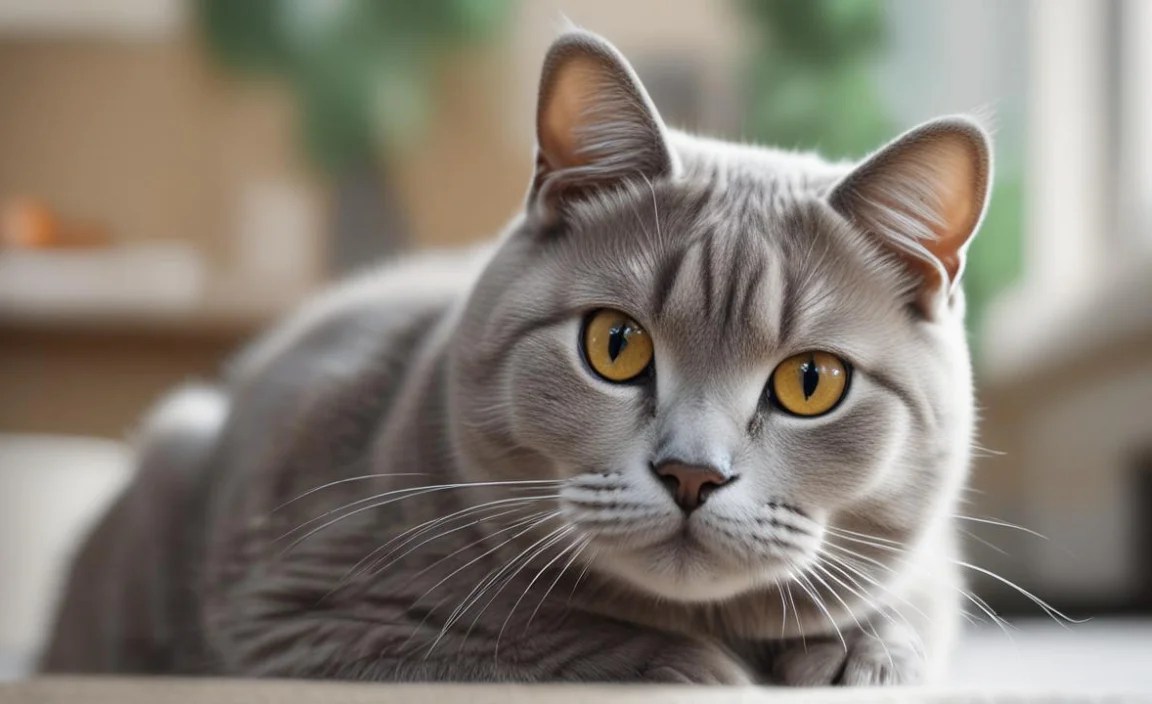
A comfortable and safe environment is the foundation for any successful bonding experience. If your British Shorthair feels secure, they will be more open to interacting with you.
Provide a Safe Haven
Every cat needs a place where they can retreat and feel safe. This could be a:
- Cat bed: A soft, cozy bed in a quiet corner.
- Cardboard box: Cats love the enclosed feeling of a box.
- High perch: A cat tree or shelf where they can observe from above.
Make sure their safe haven is easily accessible and free from disturbances.
Minimize Stressors
Cats are sensitive to stress, so it’s important to minimize potential stressors in their environment, such as:
- Loud noises: Avoid sudden, loud noises whenever possible.
- Sudden movements: Approach your cat calmly and avoid sudden movements.
- Changes in routine: Cats thrive on routine, so try to keep feeding and playtime consistent.
Scent Soothing
Consider using a synthetic feline pheromone diffuser, such as Feliway. These diffusers release a scent that mimics natural cat pheromones, which can help reduce anxiety and promote a sense of calm. You can purchase these diffusers at most pet stores or online. The RSPCA also recommends providing plenty of scratching posts, as scratching is a natural stress reliever for cats.
Gentle Interaction and Positive Reinforcement

Once you’ve created a safe and comfortable environment, you can start focusing on gentle interaction and positive reinforcement.
Petting and Grooming
Most British Shorthairs enjoy being petted, but it’s important to do it on their terms. Start by offering your hand and letting them sniff it. If they rub against you, gently stroke their head, cheeks, and back. Avoid petting their belly unless they clearly enjoy it. Regular grooming is also a great way to bond. British Shorthairs have thick coats that benefit from regular brushing, which helps to remove loose hair and prevent mats.
Playtime
Playtime is essential for both physical and mental stimulation. British Shorthairs may not be as energetic as some other breeds, but they still need regular exercise. Try using:
- Feather wands: These toys mimic the movement of birds and are irresistible to most cats.
- Laser pointers: A classic cat toy, but be sure to end the game with a physical toy they can “catch.”
- Puzzle toys: These toys challenge your cat to solve a puzzle to get a treat, providing mental stimulation.
Keep playtime sessions short and sweet, and always end on a positive note.
Treats and Praise
Positive reinforcement is a powerful tool for bonding. When your cat does something you like, reward them with a treat or praise. For example, if they come when you call them, give them a small treat and tell them what a good cat they are. Be consistent with your rewards, and your cat will quickly learn what behaviors you appreciate.
Respecting Their Space
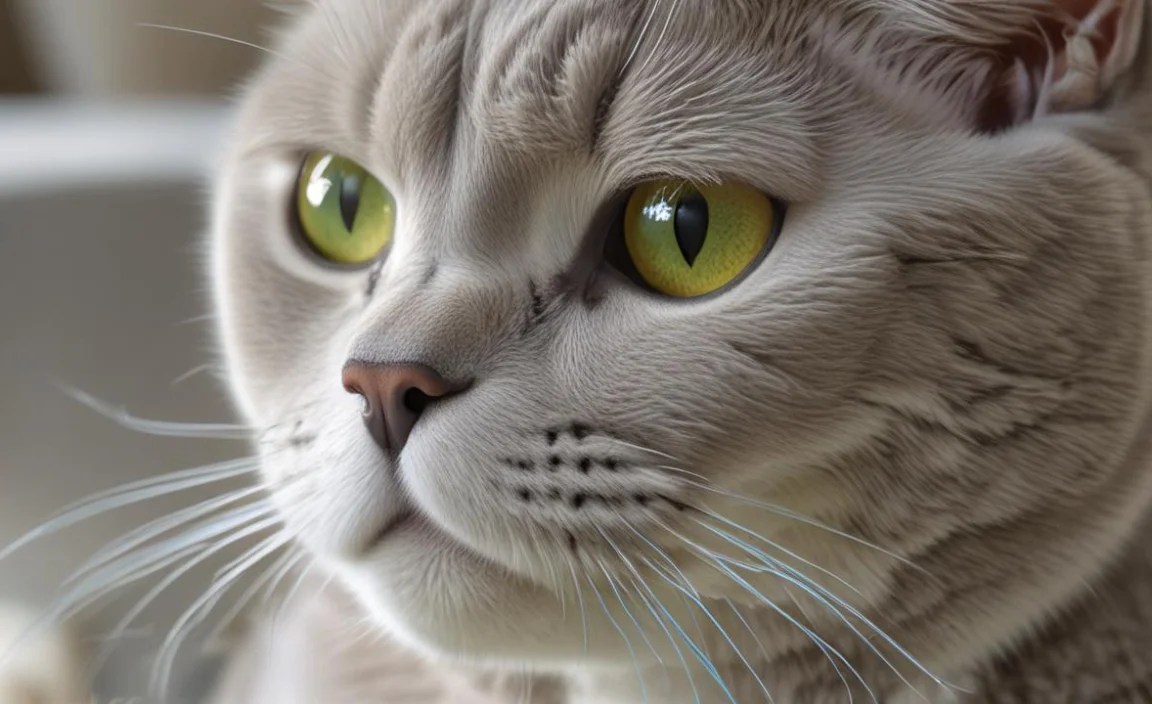
One of the most important aspects of bonding with a British Shorthair is respecting their space. These cats value their independence, and it’s crucial to let them come to you. Avoid forcing interaction or picking them up when they don’t want to be held. If they walk away from you, don’t chase them. Instead, give them space and try again later. The Cornell Feline Health Center emphasizes the importance of understanding cat body language. A relaxed cat will have soft eyes, relaxed posture, and may purr. A stressed cat may have flattened ears, dilated pupils, and a twitching tail.
Spending Quality Time Nearby

Even if your British Shorthair isn’t always in your lap, they still appreciate your presence. Spend quality time nearby, reading, working, or simply relaxing in the same room. This allows them to get used to your presence and feel more comfortable around you. Talk to them in a soft, gentle voice, and let them know you’re there. Over time, they may start to approach you for attention on their own.
Understanding Body Language
Learning to understand your British Shorthair’s body language is essential for building a strong bond. Cats communicate through a variety of signals, including:
- Purring: Usually indicates contentment, but can also be a sign of stress or pain.
- Slow blinking: A sign of trust and affection.
- Rubbing against you: A way of marking you with their scent and showing affection.
- Kneading: A behavior that dates back to kittenhood, when they would knead their mother’s belly to stimulate milk flow. It’s usually a sign of contentment.
- Tail position: A high, upright tail usually indicates happiness, while a tucked tail can indicate fear or anxiety.
By paying attention to these signals, you can better understand your cat’s needs and respond accordingly.
Addressing Common Challenges
Bonding with a British Shorthair isn’t always easy. Here are some common challenges and how to address them:
| Challenge | Solution |
|---|---|
| Cat is fearful or skittish | Provide a safe haven, minimize stressors, and approach them slowly and gently. Consider using a pheromone diffuser. |
| Cat doesn’t like to be petted | Respect their boundaries and offer pets on their terms. Try petting them in different areas to see what they prefer. |
| Cat doesn’t play | Experiment with different types of toys to find what they enjoy. Keep playtime sessions short and sweet. |
| Cat is aggressive | Consult with a veterinarian or certified cat behaviorist to rule out any underlying medical or behavioral issues. |
Age Matters: Kitten vs. Adult British Shorthairs
The age at which you bring a British Shorthair into your home can influence the bonding process. Kittens, being more adaptable, often bond quickly through play and feeding. Adult cats, especially those from shelters, might need more patience and a slower approach to build trust. Understanding these age-related differences is key to tailoring your bonding efforts effectively.
Kitten Bonding Strategies
- Early Socialization: Expose kittens to various sights, sounds, and gentle handling to build confidence.
- Interactive Play: Engage in regular play sessions to establish a fun, positive association.
- Hand-Feeding: Offer small treats or meals from your hand to create a bond through nourishment.
Adult Cat Bonding Strategies
- Patience and Space: Allow the cat to approach you at their own pace, respecting their need for space.
- Consistent Routine: Establish a predictable daily routine to provide a sense of security.
- Quiet Observation: Spend time in the same room without direct interaction, letting them get used to your presence.
Nutrition’s Role in Bonding
A healthy diet is crucial for your British Shorthair’s overall well-being, which indirectly supports bonding. A well-nourished cat is more likely to be active, playful, and receptive to interaction. Consider the following:
- High-Quality Food: Choose a diet rich in protein and essential nutrients to support their health.
- Scheduled Feeding Times: Regular feeding times can create a sense of routine and anticipation, strengthening the bond.
- Treats as Rewards: Use treats sparingly to reinforce positive behaviors and create positive associations.
The Power of Communication
Communicating effectively with your British Shorthair involves more than just talking; it’s about understanding their language and responding appropriately. Here’s how to enhance your communication:
- Vocal Tones: Use a calm, soothing voice to reassure and praise, avoiding loud or harsh tones that can scare them.
- Eye Contact: Slow blinks are a sign of trust and affection in the cat world. Try slow blinking at your cat to show them you’re friendly.
- Active Listening: Pay attention to their meows, purrs, and body language to understand their needs and moods.
Creating a Multi-Cat Household
Introducing a British Shorthair into a multi-cat household requires careful planning and patience. Here’s how to facilitate positive relationships:
- Slow Introductions: Keep the new cat separate initially, allowing them to acclimate to the scent of the other cats under the door.
- Scent Swapping: Exchange bedding or toys between cats to familiarize them with each other’s scents.
- Supervised Visits: Allow short, supervised visits, gradually increasing the duration as they become more comfortable.
- Separate Resources: Ensure each cat has their own food, water, litter box, and resting areas to avoid competition.
Bonding Through Training
While British Shorthairs aren’t typically known for extensive training, basic training can strengthen your bond and provide mental stimulation. Here’s how to approach it:
- Clicker Training: Use a clicker to mark desired behaviors, followed by a treat reward.
- Positive Reinforcement: Focus on rewarding good behavior, avoiding punishment, which can damage trust.
- Short Sessions: Keep training sessions brief and engaging to maintain their interest.
Travel and Bonding
Traveling with your British Shorthair can be stressful for both of you. Here’s how to make it a bonding experience:
- Familiar Carrier: Acclimate your cat to the carrier by leaving it open with comfortable bedding inside.
- Scent Familiarity: Place a blanket or toy with your scent in the carrier to provide reassurance.
- Calm Environment: Keep the car quiet and drive smoothly to minimize stress during the journey.
Senior Cat Bonding
Bonding with a senior British Shorthair requires a gentle, patient approach. Older cats may have reduced mobility and sensitivity, so:
- Gentle Handling: Handle them with extra care, avoiding any sudden movements or pressure.
- Comfortable Resting Areas: Provide soft, accessible beds in quiet locations.
- Shorter Play Sessions: Engage in shorter, less strenuous play sessions to keep them active without overexertion.
Common Mistakes to Avoid
Building a strong bond with your British Shorthair requires understanding and patience. Here are some common mistakes to avoid:
- Forcing Interaction: Respect their space and let them approach you on their terms.
- Punishment: Avoid punishment, as it can damage trust and create fear.
- Inconsistent Routine: Maintain a consistent daily routine to provide a sense of security.
- Ignoring Body Language: Pay attention to their signals to understand their needs and moods.
When to Seek Professional Help
If you’re struggling to bond with your British Shorthair or notice concerning behaviors, don’t hesitate to seek professional help. A veterinarian or certified cat behaviorist can provide valuable guidance and support.
British Shorthair Bonding: A Summary Table
| Bonding Strategy | Description | Key Benefit |
|---|---|---|
| Safe Environment | Providing a secure, quiet space with a comfortable bed and minimal stressors. | Reduces anxiety and encourages relaxation, making the cat more receptive to interaction. |
| Gentle Interaction | Petting, grooming, and playing gently, respecting the cat’s boundaries. | Builds trust and positive associations, fostering a sense of comfort and security. |
| Positive Reinforcement | Using treats, praise, and affection to reward desired behaviors. | Motivates the cat to repeat positive behaviors, strengthening the bond through positive experiences. |
| Quality Time | Spending time nearby, talking softly, and being present without forcing interaction. | Allows the cat to acclimate to your presence and feel more comfortable in your company. |
| Understanding Body Language | Learning to interpret the cat’s cues, such as purring, slow blinking, and tail position. | Enables you to respond appropriately to the cat’s needs, enhancing communication and trust. |
FAQ About British Shorthair Bonding
Here are some frequently asked questions about bonding with British Shorthairs:
How long does it take for a British Shorthair to bond?
It varies depending on the cat’s personality and history. Some may bond quickly, while others may take weeks or months. Patience is key!
Are British Shorthairs affectionate?
Yes, but they show affection in their own way. They may not be lap cats, but they enjoy being nearby and will often rub against you or slow blink.
What if my British Shorthair doesn’t like to be petted?
Respect their boundaries and offer pets on their terms. Try petting them in different areas to see what they prefer.
How can I tell if my British Shorthair is happy?
Signs of happiness include purring, slow blinking, relaxed posture, and a high, upright tail.
Should I get another cat to keep my British Shorthair company?
It depends on your cat’s personality. Some British Shorthairs enjoy having a companion, while others prefer to be the only cat. Introduce them slowly and make sure they have separate resources.
What are the best toys for British Shorthairs?
Feather wands, laser pointers, and puzzle toys are all good options. Experiment to see what your cat enjoys.
How important is grooming for bonding?
Grooming is very important. Regular brushing helps to remove loose hair and prevent mats, and it’s also a great way to bond with your cat.
Conclusion
Bonding with a British Shorthair is a rewarding experience that requires patience, understanding, and respect for their unique personality. By creating a comfortable environment, engaging in gentle interaction, and respecting their space, you can build a strong and loving relationship with your feline friend. Remember that every cat is different, so be patient and tailor your approach to suit your cat’s individual needs. With time and effort, you’ll be rewarded with the companionship of a loyal and loving British Shorthair.


