
British Shorthair Behavior During Thunderstorms: Secret?

Quick Summary: Is your British Shorthair hiding under the bed during thunderstorms? Don’t worry, it’s common! Loud noises and changes in air pressure can make them anxious. Create a safe, quiet space, distract them with toys or treats, and consider calming aids if needed. Never punish them for being scared – reassurance is key!
Thunderstorms can be scary for all of us, but imagine how overwhelming they must be for our feline friends! British Shorthairs, with their sensitive hearing, are especially prone to anxiety during these events. Seeing your usually calm and collected kitty suddenly trembling and hiding can be concerning. But don’t panic! Understanding why your British Shorthair reacts this way and learning how to provide comfort can make a big difference.
In this guide, we’ll explore the reasons behind thunderstorm anxiety in British Shorthairs and provide practical, step-by-step solutions to help your beloved companion feel safe and secure. Let’s work together to turn those scary storms into manageable moments for your furry friend.
Understanding Thunderstorm Anxiety in British Shorthairs

Before we dive into solutions, let’s understand why thunderstorms trigger anxiety in British Shorthairs. Several factors contribute to their fear:
- Sensitive Hearing: Cats have incredibly sensitive hearing, far superior to humans. The booming thunder, crackling lightning, and even the subtle changes in air pressure are amplified for them.
- Sudden Loud Noises: The unpredictable nature of thunderstorms, with their sudden bursts of noise, can be particularly unsettling for cats, who prefer routine and predictability.
- Static Electricity: Thunderstorms generate static electricity, which can cause a cat’s fur to stand on end and create uncomfortable sensations.
- Barometric Pressure Changes: Cats can detect changes in barometric pressure, which often precede thunderstorms. This can lead to anticipatory anxiety, where they become agitated even before the storm arrives.
- Past Experiences: If your British Shorthair has had a negative experience during a thunderstorm in the past, they may develop a conditioned fear response.
Recognizing the Signs of Anxiety

It’s important to recognize the signs of anxiety in your British Shorthair so you can take action to comfort them. Common signs include:
- Hiding: Seeking refuge under furniture, in closets, or in other secluded spots.
- Trembling or Shaking: A clear physical manifestation of fear.
- Panting: Even without physical exertion, a stressed cat may pant.
- Excessive Vocalization: Meowing, yowling, or hissing more than usual.
- Clinginess: Seeking constant attention and physical contact.
- Loss of Appetite: Refusing to eat or showing a decreased interest in food.
- Changes in Litter Box Habits: Urinating or defecating outside the litter box.
- Restlessness: Pacing back and forth and an inability to settle down.
If you observe any of these signs during a thunderstorm, it’s crucial to provide comfort and reassurance to your British Shorthair.
Creating a Safe Haven
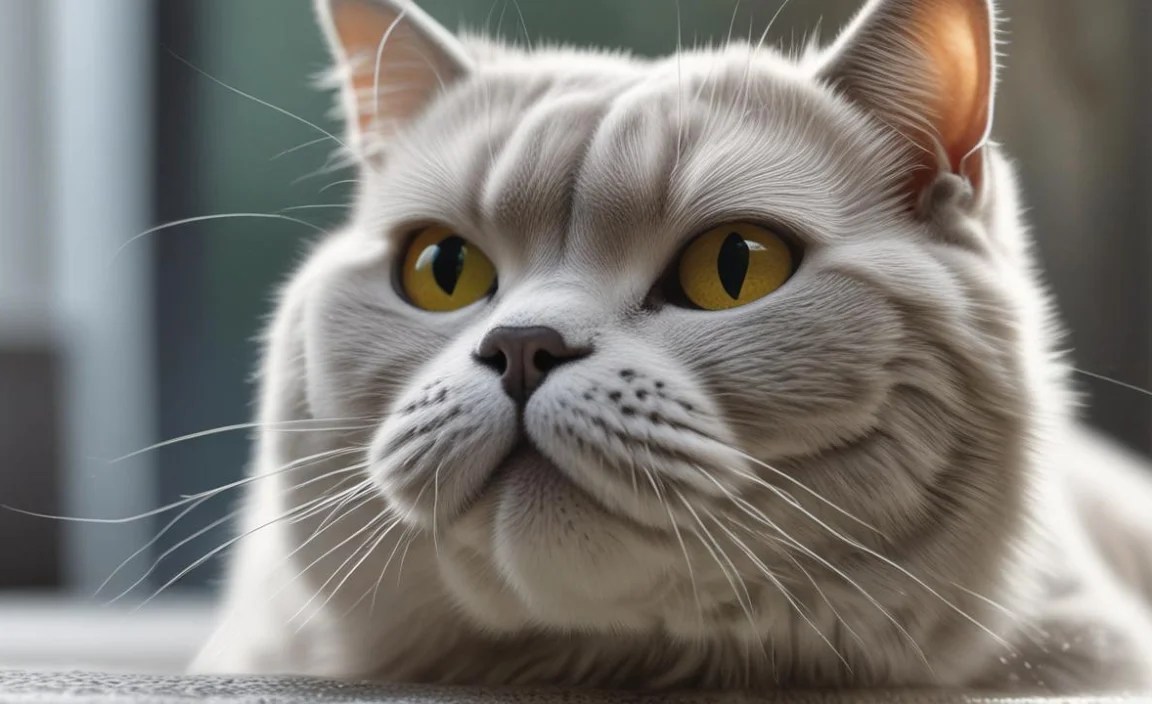
One of the most effective ways to help your British Shorthair cope with thunderstorm anxiety is to create a safe haven where they can retreat during the storm. This should be a comfortable and secure space that your cat associates with positive experiences.
Here’s how to create the perfect safe haven:
- Choose a Quiet Location: Select a room or area in your home that is relatively quiet and away from windows and exterior walls. Basements or interior rooms often work well.
- Provide a Comfortable Bed: Place a soft, cozy bed or blanket in the safe haven. Your cat should feel comfortable and secure in this space.
- Add Familiar Items: Include familiar items such as your cat’s favorite toys, scratching post, or a blanket that smells like you. These items will provide a sense of security and comfort.
- Offer Hiding Places: Cats often feel safer when they have a place to hide. Provide a cardboard box, a cat carrier with the door open, or a covered cat bed.
- Mask the Noise: Use a white noise machine, fan, or soft music to help mask the sounds of the thunderstorm.
- Make it Accessible: Ensure that your cat has easy access to the safe haven at all times, not just during thunderstorms. This will allow them to retreat to the space whenever they feel anxious.
By creating a safe haven, you provide your British Shorthair with a secure and comfortable space where they can cope with the stress of a thunderstorm.
Step-by-Step Guide: Helping Your British Shorthair During a Thunderstorm

Here’s a step-by-step guide to help you navigate thunderstorm anxiety in your British Shorthair:
- Stay Calm: Cats are highly sensitive to their owner’s emotions. If you remain calm and relaxed, your cat is more likely to feel secure.
- Reassure Your Cat: Speak to your cat in a soothing and gentle voice. Offer gentle petting and reassurance. Avoid coddling or excessive attention, as this can reinforce their anxiety.
- Distract with Play: Engage your cat in a fun activity to distract them from the storm. Offer a favorite toy, play a game of chase, or use a laser pointer.
- Provide Treats: Offer your cat a special treat or a small amount of their favorite food. This can help create a positive association with the storm.
- Close Windows and Curtains: Closing windows and curtains can help reduce the noise and visual stimuli associated with the thunderstorm.
- Turn on Background Noise: Use a white noise machine, fan, or soft music to mask the sounds of the storm.
- Consider a Calming Aid: If your cat’s anxiety is severe, consider using a calming aid such as a pheromone diffuser or a calming collar. Consult with your veterinarian to determine the best option for your cat.
- Never Punish Your Cat: Punishing your cat for being scared will only worsen their anxiety and damage your relationship.
Calming Aids for Anxious Cats

Several calming aids can help alleviate thunderstorm anxiety in British Shorthairs. Here’s a breakdown of some popular options:
| Calming Aid | Description | How it Works | Pros | Cons |
|---|---|---|---|---|
| Feliway Diffuser | A synthetic pheromone that mimics the natural facial pheromones of cats. | Releases calming pheromones into the air, creating a sense of security and reducing anxiety. | Easy to use, non-invasive, and can be effective for mild anxiety. | May not be effective for all cats, requires a power outlet, and can be expensive. |
| Calming Collar | A collar infused with calming pheromones or herbal ingredients. | Releases calming pheromones or herbal scents that help reduce anxiety. | Convenient and portable, can be effective for mild to moderate anxiety. | May not be suitable for cats with sensitive skin, needs to be replaced regularly, and can be a choking hazard if not fitted properly. |
| ThunderShirt | A snug-fitting vest that applies gentle, constant pressure to the cat’s torso. | Provides a swaddling effect that can help reduce anxiety. | Drug-free and can be effective for some cats. | May not be comfortable for all cats, requires proper sizing, and may not be effective for severe anxiety. |
| Zylkene | A natural supplement derived from milk protein. | Contains a molecule that has calming properties and helps reduce anxiety. | Safe and well-tolerated, can be effective for mild to moderate anxiety. | May take several days to see results, and may not be effective for severe anxiety. |
| Prescription Medications | Anti-anxiety medications prescribed by a veterinarian. | Work by altering brain chemistry to reduce anxiety. | Can be highly effective for severe anxiety. | May have side effects, require regular veterinary checkups, and can be expensive. |
It’s important to consult with your veterinarian before using any calming aid to determine the best option for your British Shorthair.
Desensitization and Counterconditioning
Desensitization and counterconditioning are training techniques that can help your British Shorthair overcome their fear of thunderstorms. These methods involve gradually exposing your cat to thunderstorm-related stimuli in a controlled and positive manner.
- Desensitization: This involves gradually exposing your cat to the sounds of thunderstorms at a low volume. You can use recordings of thunderstorms or nature sounds. Start with a very low volume and gradually increase it over time as your cat becomes more comfortable.
- Counterconditioning: This involves pairing the thunderstorm sounds with positive experiences, such as treats, play, or petting. The goal is to create a positive association with the sounds of thunderstorms.
Here’s how to implement desensitization and counterconditioning:
- Start Slowly: Begin with the thunderstorm sounds at a very low volume that does not elicit a fear response from your cat.
- Pair with Positive Reinforcement: While the thunderstorm sounds are playing, offer your cat treats, engage them in play, or provide gentle petting.
- Gradually Increase the Volume: Over time, gradually increase the volume of the thunderstorm sounds as your cat becomes more comfortable.
- Monitor Your Cat’s Body Language: Pay close attention to your cat’s body language. If they show signs of anxiety, such as hiding, trembling, or excessive vocalization, reduce the volume of the thunderstorm sounds.
- Be Patient: Desensitization and counterconditioning can take time and patience. It’s important to proceed at your cat’s pace and avoid pushing them too hard.
Desensitization and counterconditioning can be effective in reducing thunderstorm anxiety in British Shorthairs, but it requires consistency and patience.
Long-Term Strategies for Managing Anxiety
In addition to providing immediate comfort during thunderstorms, there are several long-term strategies you can implement to help manage your British Shorthair’s anxiety:
- Create a Consistent Routine: Cats thrive on routine and predictability. Establishing a consistent daily routine, including feeding times, playtime, and bedtime, can help reduce overall anxiety.
- Provide Mental Stimulation: Boredom can contribute to anxiety. Provide your cat with plenty of mental stimulation through interactive toys, puzzle feeders, and scratching posts.
- Ensure a Safe and Secure Environment: Make sure your cat has a safe and secure environment where they feel comfortable and protected. This includes providing a comfortable bed, hiding places, and access to fresh food and water.
- Consider a Cat Behaviorist: If your cat’s anxiety is severe or persistent, consider consulting with a certified cat behaviorist. A behaviorist can help you identify the underlying causes of your cat’s anxiety and develop a customized treatment plan. You can find a qualified behaviorist through the American College of Veterinary Behaviorists.
- Regular Veterinary Checkups: Regular veterinary checkups are essential for maintaining your cat’s overall health and well-being. Your veterinarian can help identify any underlying medical conditions that may be contributing to your cat’s anxiety.
When to Consult a Veterinarian
While many cases of thunderstorm anxiety can be managed at home, it’s important to consult with your veterinarian if:
- Your cat’s anxiety is severe and significantly impacting their quality of life.
- Your cat’s anxiety is accompanied by other behavioral changes, such as aggression or self-harm.
- You’ve tried various calming aids and techniques without success.
- You suspect your cat’s anxiety may be related to an underlying medical condition.
Your veterinarian can help determine the underlying cause of your cat’s anxiety and recommend the most appropriate treatment plan.
FAQ: British Shorthair Behavior During Thunderstorms
- Why is my British Shorthair so scared of thunderstorms?
- British Shorthairs have very sensitive hearing, so the loud noises and changes in air pressure during thunderstorms can be overwhelming and frightening for them.
- What are the signs that my British Shorthair is anxious during a thunderstorm?
- Common signs include hiding, trembling, panting, excessive meowing, clinginess, and loss of appetite.
- How can I create a safe space for my cat during a thunderstorm?
- Choose a quiet, interior room, provide a comfortable bed, add familiar toys, and offer a hiding place like a cardboard box.
- Should I comfort my British Shorthair when they’re scared?
- Yes, reassure your cat with gentle petting and a calm voice. Avoid excessive coddling, which can reinforce their fear.
- Are there any calming products that can help my cat during thunderstorms?
- Yes, Feliway diffusers, calming collars, and ThunderShirts can help reduce anxiety. Consult your vet for the best option.
- Is it ever okay to punish my cat for being scared?
- Never punish your cat for being scared. This will only make their anxiety worse and damage your relationship.
- When should I see a vet about my cat’s thunderstorm anxiety?
- Consult your vet if your cat’s anxiety is severe, accompanied by other behavioral changes, or if home remedies aren’t working.
Conclusion
Thunderstorm anxiety is a common concern for British Shorthair owners, but with the right approach, you can help your feline friend cope with these stressful events. By understanding the reasons behind their fear, creating a safe haven, and implementing calming strategies, you can provide comfort and reassurance to your beloved companion. Remember to stay calm, be patient, and never punish your cat for being scared. With consistency and care, you can help your British Shorthair weather the storm and feel safe and secure in your home. And always remember, if you have any serious concerns, your veterinarian is your best resource for tailored advice.


