
British Shorthair Interaction with Dogs at Home: Easy Tips

Bringing a British Shorthair into a home with dogs can work well with the right approach. Gradual introductions are key, focusing on creating positive associations through treats and praise. Supervise their interactions closely, providing safe spaces for your cat to retreat to, and ensure each animal’s needs are met individually to foster a harmonious environment.
Bringing a new pet into your home is always exciting, but it can also be a bit nerve-wracking, especially when you already have a furry friend or two. If you’re considering adding a British Shorthair to a household that includes dogs, you might be wondering how they’ll get along. Will they become best buddies, or will there be some tension? Don’t worry; it’s a common concern!
The good news is that with a thoughtful, step-by-step approach, you can create a peaceful and happy home for everyone. In this guide, I’ll walk you through everything you need to know to ensure a smooth introduction and help your British Shorthair and dogs become the best of friends (or at least, friendly roommates!). We’ll cover preparing your home, managing initial meetings, and maintaining a harmonious environment. So, let’s get started!
Preparing Your Home for a British Shorthair and Dogs

Before you bring your British Shorthair home, it’s essential to set up your space to ensure both your new cat and your dogs feel safe and comfortable. This preparation can significantly reduce stress and help the animals adjust more quickly.
Creating Separate Spaces
One of the most important things you can do is create separate areas for your cat and dogs. This gives your British Shorthair a safe haven where they can retreat and feel secure. According to the RSPCA, providing pets with their own space reduces anxiety and promotes better overall well-being.
- Cat-Only Zone: Designate a room or area that is exclusively for your British Shorthair. This could be a spare bedroom, a quiet corner of the living room, or even a large, enclosed catio.
- Essential Amenities: Equip this space with everything your cat needs: a litter box, food and water bowls, a comfortable bed, scratching posts, and some toys.
- Vertical Space: Cats love to climb and observe from high places. Install cat trees, shelves, or window perches in their safe zone. This allows them to feel in control of their environment and avoid direct interaction with the dogs if they choose.
Ensuring Safety and Security
Safety is paramount when introducing a new cat to a home with dogs. Here are some steps to ensure your British Shorthair’s safety:
- Secure Escape Routes: Make sure your cat has multiple escape routes from any room. This could include high shelves, cat trees, or even just a clear path to another room.
- Safe Hiding Spots: Provide plenty of hiding spots where your cat can feel protected. Cardboard boxes, covered beds, and tunnels work well.
- Monitor Initial Interactions: Always supervise the first few interactions between your cat and dogs. Keep your dog on a leash during these meetings to prevent any chasing or aggressive behavior.
Acclimating Your Dogs
Before introducing your British Shorthair, it’s helpful to prepare your dogs for the new arrival. This involves managing their behavior and creating positive associations with the cat’s scent.
- Basic Obedience: Ensure your dogs have a solid understanding of basic commands like “sit,” “stay,” and “leave it.” This will be invaluable when managing their interactions with the cat.
- Scent Swapping: Before the cat arrives, swap scents between your cat and dogs. Rub a towel on your cat and then let your dogs sniff it. Similarly, rub a towel on your dogs and place it in the cat’s safe zone. This helps them become familiar with each other’s scents before they meet face-to-face.
- Positive Reinforcement: When your dogs are calm around the cat’s scent, reward them with treats and praise. This creates a positive association with the new smell.
The Gradual Introduction Process
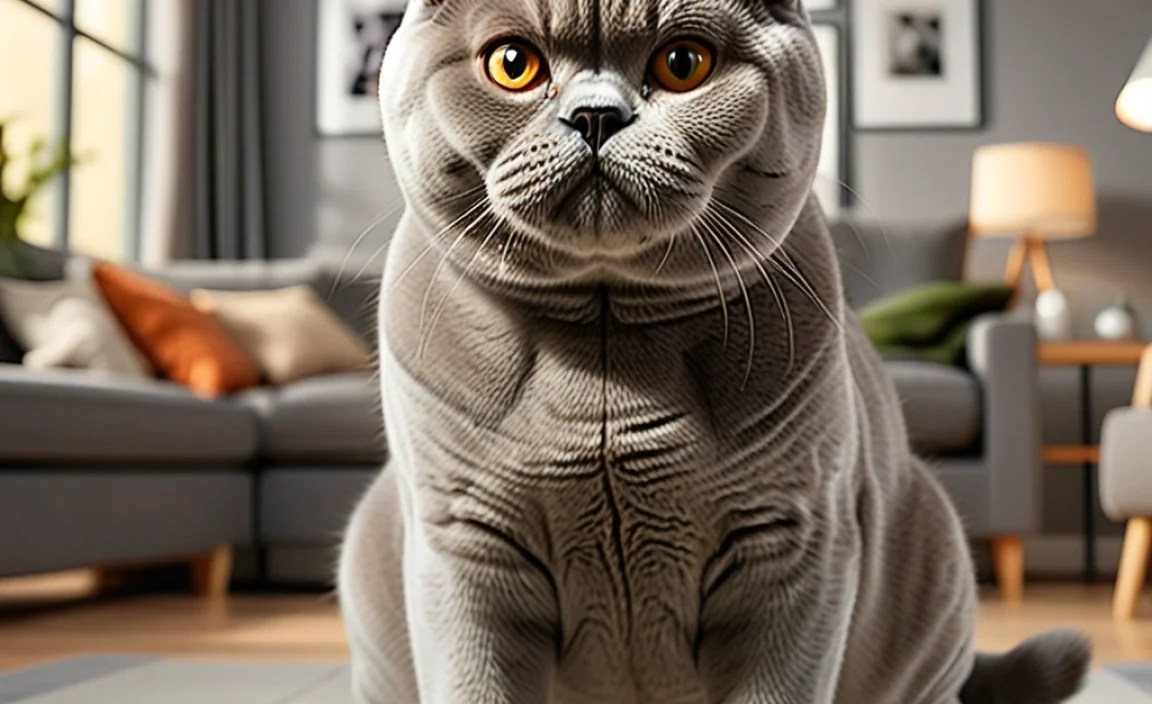
Introducing a British Shorthair to dogs should be a slow and gradual process. Rushing things can lead to stress, fear, and potential aggression. The goal is to create positive associations and allow both animals to adjust at their own pace.
Phase 1: Scent Introduction
The first phase focuses on getting your cat and dogs used to each other’s scents without direct contact. This can take several days or even weeks, depending on the animals’ personalities.
- Continue Scent Swapping: Keep swapping towels or blankets between the cat’s safe zone and the areas where your dogs spend time.
- Feed on Opposite Sides of the Door: Place your cat’s food bowl on one side of the door to their safe zone and your dogs’ food bowls on the other side. This helps them associate each other’s scents with positive experiences like mealtime.
- Controlled Sniffing: Allow your dogs to sniff under the door of the cat’s safe zone. Reward them for calm behavior with treats and praise.
Phase 2: Visual Introduction
Once your cat and dogs are comfortable with each other’s scents, you can begin visual introductions. This involves allowing them to see each other in a controlled environment.
- Crack the Door: Open the door to the cat’s safe zone slightly, allowing your cat and dogs to see each other. Keep your dogs on leashes and reward them for remaining calm.
- Use a Baby Gate: Install a baby gate at the doorway of the cat’s safe zone. This allows them to see each other without direct contact. Again, keep your dogs on leashes and reward calm behavior.
- Short, Supervised Visits: Gradually increase the duration of these visual introductions, always supervising closely. If either animal shows signs of stress or aggression, end the session immediately.
Phase 3: Supervised Interactions
The final phase involves allowing your cat and dogs to interact more freely, but always under close supervision. This is where you’ll start to see their relationship develop.
- Leashed Interactions: Allow your dogs to enter the cat’s safe zone on leashes. Keep the leash loose and reward them for calm behavior around the cat.
- Unleashed Interactions: Once you’re confident that your dogs will behave appropriately, you can start allowing them to interact with the cat off-leash. Continue to supervise closely and intervene if necessary.
- Positive Reinforcement: Reward both your cat and dogs for positive interactions. This could include treats, praise, or playtime.
Managing Interactions and Maintaining Harmony

Even after the initial introduction period, it’s important to continue managing interactions and maintaining a harmonious environment. This involves providing ongoing support and addressing any issues that may arise.
Supervision and Intervention
Supervision is key to ensuring the safety and well-being of your cat and dogs. Here are some guidelines:
- Never Leave Unattended: In the early stages, never leave your cat and dogs alone together unsupervised. This reduces the risk of accidents or aggression.
- Intervene Early: If you see signs of tension or aggression, intervene immediately. Redirect your dogs’ attention with a command or toy, or separate the animals if necessary.
- Monitor Body Language: Pay attention to your cat and dogs’ body language. Signs of stress include flattened ears, tucked tails, hissing, growling, or tense posture.
Providing Individual Attention
It’s important to make sure each animal feels loved and secure. Providing individual attention can help prevent jealousy and competition.
- Separate Playtime: Dedicate time each day to play with your cat and dogs separately. This allows them to get the attention they need without competing for it.
- Individual Affection: Make sure each animal gets plenty of cuddles, scratches, and praise. This reinforces their bond with you and helps them feel secure.
- Respect Boundaries: Respect each animal’s boundaries. If your cat wants to be left alone, don’t force them to interact with the dogs. Similarly, if your dogs need a break, give them space.
Addressing Potential Problems
Even with the best preparation, problems can sometimes arise. Here’s how to address some common issues:
- Chasing: If your dogs chase the cat, redirect their attention with a command or toy. You may need to revisit leash training and reinforce basic obedience.
- Aggression: If either animal shows signs of aggression, separate them immediately and consult with a professional animal behaviorist. Aggression should never be ignored.
- Fear: If your cat is fearful, provide them with plenty of hiding spots and safe spaces. Gradually expose them to the dogs in a controlled environment, using positive reinforcement.
Essential Supplies for a Multi-Pet Household

Having the right supplies can make a big difference in creating a harmonious home for your British Shorthair and dogs. Here’s a checklist of essential items:
| Category | Item | Purpose |
|---|---|---|
| Safe Spaces | Cat tree | Provides vertical space for the cat to feel secure. |
| Safe Spaces | Hiding boxes | Offers a place for the cat to retreat and feel protected. |
| Feeding | Separate food and water bowls | Prevents competition and ensures each animal has access to their own food. |
| Litter Box | Litter box | Essential for the cat’s hygiene and comfort. |
| Toys | Cat toys (e.g., wand toys, laser pointers) | Provides mental stimulation and exercise for the cat. |
| Toys | Dog toys (e.g., chew toys, balls) | Keeps the dogs entertained and prevents them from bothering the cat. |
| Grooming | Cat brush | Helps maintain the cat’s coat and reduces shedding. |
| Grooming | Dog brush | Keeps the dogs’ coats healthy and reduces shedding. |
Understanding British Shorthair Temperament
British Shorthairs are known for their calm and easygoing nature, which can make them good candidates for living with dogs. However, it’s important to understand their specific needs and preferences.
Key Traits
- Independent: British Shorthairs are relatively independent cats. They enjoy their own company and don’t always crave constant attention.
- Gentle: They are known for their gentle and affectionate nature, making them good companions for children and other pets.
- Playful: While not as active as some breeds, British Shorthairs enjoy playing with toys and exploring their environment.
- Adaptable: They are generally adaptable cats that can adjust well to new environments and routines.
Considerations
Despite their generally easygoing nature, there are a few things to keep in mind when introducing a British Shorthair to dogs:
- Respect Their Space: British Shorthairs value their personal space. Make sure they have plenty of places to retreat and feel safe.
- Avoid Overstimulation: They can become easily overstimulated, so avoid overwhelming them with too much attention or interaction.
- Provide Mental Stimulation: Keep them mentally stimulated with toys and activities to prevent boredom and destructive behavior.
Success Stories: British Shorthairs and Dogs
It’s always encouraging to hear about successful introductions between British Shorthairs and dogs. Here are a few examples:
- Bella and Max: Bella, a British Shorthair, was introduced to Max, a Labrador, when she was a kitten. The owners focused on gradual introductions and positive reinforcement, and now Bella and Max are best friends who love to cuddle together.
- Oliver and Daisy: Oliver, a British Shorthair, was initially wary of Daisy, a playful Golden Retriever. The owners provided Oliver with plenty of high perches and hiding spots, and gradually introduced them through scent swapping and supervised visits. Now, Oliver and Daisy coexist peacefully and even enjoy playing together.
- Coco and Buddy: Coco, a British Shorthair, was introduced to Buddy, a small terrier, when she was an adult cat. The owners were patient and understanding, and focused on creating a safe and comfortable environment for Coco. Over time, Coco and Buddy developed a friendly relationship and now enjoy each other’s company.
Expert Tips for a Smooth Transition
To ensure a smooth transition for your British Shorthair and dogs, here are some expert tips from cat behaviorists and experienced pet owners:
- Be Patient: The most important thing is to be patient. It can take weeks or even months for your cat and dogs to fully adjust to each other.
- Stay Positive: Maintain a positive attitude and focus on creating positive associations between the animals.
- Seek Professional Help: If you’re struggling with the introduction process, don’t hesitate to seek help from a professional animal behaviorist or veterinarian.
- Consider Age and Temperament: When introducing pets, consider their ages and temperaments. A young, playful dog may be more challenging to introduce to an older, more reserved cat.
- Create a Routine: Establish a consistent routine for feeding, playtime, and rest. This can help reduce anxiety and create a sense of security for both animals.
FAQ: British Shorthair Interaction with Dogs
Will my British Shorthair get along with my dog?
British Shorthairs are known for their calm and adaptable nature, which often allows them to coexist peacefully with dogs. However, successful integration depends on careful, gradual introductions and ensuring both pets have their own space and feel secure.
How long does it take for a British Shorthair to get used to a dog?
The adjustment period varies. Some cats may adapt in a few weeks, while others might take several months. Patience and a gradual introduction process are key to helping them become comfortable with each other.
What if my dog chases my British Shorthair?
If your dog chases your cat, immediately redirect their attention with a firm command like “leave it” or “stay.” Reinforce basic obedience training and never leave them unsupervised until you’re confident the behavior has stopped.
Should I keep my British Shorthair and dog separated at first?
Yes, initial separation is crucial. Start with scent swapping and visual introductions through a closed door or baby gate before allowing any direct interaction. This helps reduce stress and allows them to get used to each other gradually.
How can I tell if my British Shorthair is stressed around my dog?
Signs of stress in a cat include flattened ears, a tucked tail, hissing, growling, dilated pupils, and hiding. If you notice these signs, separate them immediately and reassess your introduction strategy.
What kind of safe spaces should I provide for my British Shorthair?
Create vertical spaces like cat trees and shelves, as well as hiding spots such as covered beds or cardboard boxes. These spaces allow your cat to feel safe and in control, especially when the dog is nearby.
Is it possible for a British Shorthair and a dog to become friends?
Yes, many British Shorthairs and dogs develop close bonds. With patience, positive reinforcement, and careful management, they can become affectionate companions who enjoy each other’s company.
Conclusion
Introducing a British Shorthair to a home with dogs requires patience, preparation, and a commitment to creating a harmonious environment. By following a gradual introduction process, providing separate spaces, and managing interactions carefully, you can help your cat and dogs become the best of friends (or at least, friendly housemates!). Remember to always prioritize their safety and well-being, and don’t hesitate to seek professional help if you encounter any challenges. With a little effort, you can create a happy and peaceful home for all your furry family members.


