
Development of the Chinese Crested: The Ultimate Guide

Quick Summary: Development of the Chinese Crested
The Chinese Crested dog is a unique breed known for its hairless body and tufted hair on its head, feet, and tail. Despite its name, the breed didn’t originate in China. It was developed from hairless dogs found in Africa and Central and South America. Chinese sailors used these dogs as ratters on their ships, and they were further refined in China, hence the name. Today, they are beloved companion animals known for their playful and affectionate nature.
Have you ever wondered about the origins of the charming and distinctive Chinese Crested dog? Many are surprised to learn that despite its name, this breed’s history isn’t solely rooted in China. Understanding how the Chinese Crested came to be can help you appreciate its unique characteristics and care needs even more.
In this article, we’ll explore the fascinating journey of the Chinese Crested, from its possible origins to its modern-day popularity. We’ll cover the key stages of its development, the different types within the breed, and how it became the delightful companion we know today. Let’s dive in and uncover the story behind this remarkable little dog!
Origins and Early Development

The true origins of the Chinese Crested are somewhat shrouded in mystery, but it’s generally believed that the breed evolved from hairless dogs found in Africa and parts of Central and South America. These dogs were likely transported around the world by traders and sailors.
African and South American Ancestry
The most widely accepted theory is that the Chinese Crested descends from African hairless dogs. These early hairless dogs were then brought to different parts of the world, including China, where they were further refined. Similar hairless breeds existed in South America, such as the Peruvian Hairless Dog and the Xoloitzcuintli, suggesting a common ancestral lineage.
Historians and breed experts believe that these hairless dogs were valued for their warmth and were often used as “sleeve dogs” or bed warmers, particularly in colder climates. The lack of fur made them less prone to carrying parasites, which was a significant advantage in unsanitary conditions.
Role in Chinese Maritime History
It was in China that these hairless dogs were developed into the breed we recognize today as the Chinese Crested. Chinese sailors are credited with refining the breed, using them as ratters on their ships. The dogs’ small size and agility made them excellent at controlling rodent populations, which helped to protect food supplies and prevent the spread of disease. This working role contributed significantly to their development and survival.
The Chinese also selectively bred these dogs for their unique appearance, favoring those with distinct crests of hair on their heads, feet, and tails. These features became hallmarks of the breed, distinguishing them from other hairless dogs. The name “Chinese Crested” reflects this period of refinement and the breed’s association with Chinese maritime history, even though its origins are more diverse.
Breed Refinement in China
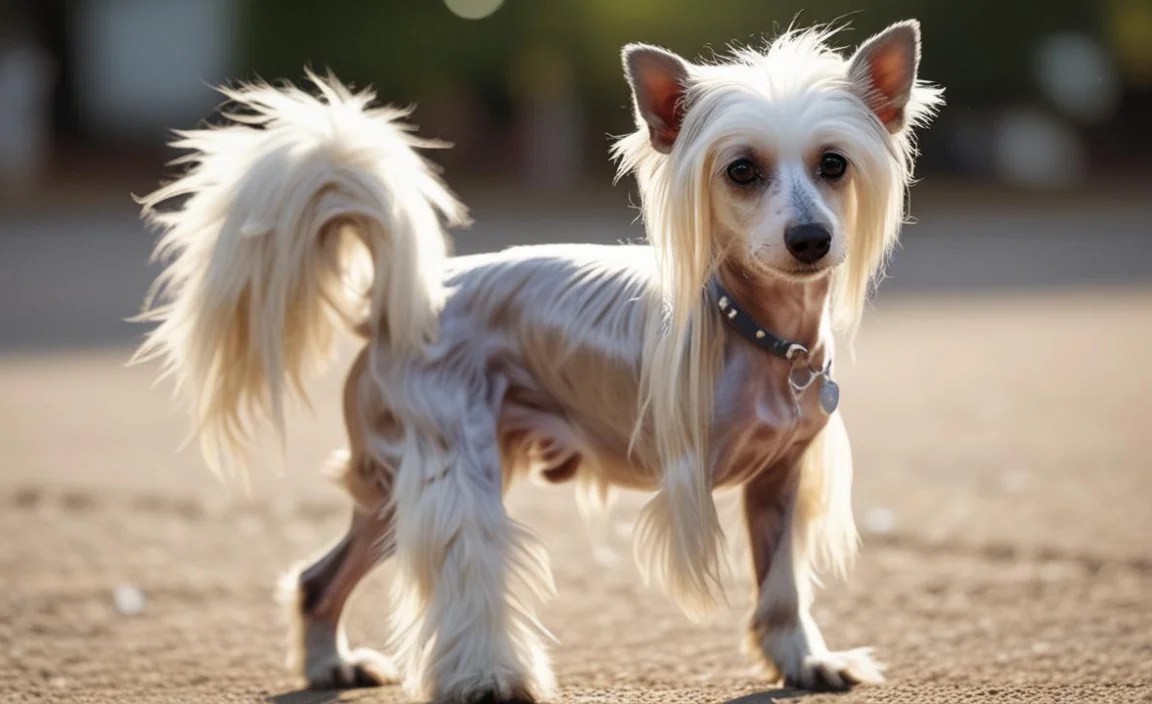
The Chinese played a crucial role in shaping the Chinese Crested into the breed we know and love today. Selective breeding practices and the dog’s role in Chinese society helped solidify its unique characteristics.
Selective Breeding Practices
Chinese breeders focused on specific traits to enhance the breed’s appearance and temperament. They favored dogs with a distinctive crest of hair on the head, “socks” of hair on the feet, and a plume of hair on the tail. These features became defining characteristics of the Chinese Crested.
Breeders also paid attention to the dogs’ temperament, selecting for those that were friendly, alert, and intelligent. This resulted in a companion dog that was not only visually striking but also a joy to be around. The emphasis on both appearance and temperament contributed to the breed’s popularity as a companion animal.
The Breed’s Role in Chinese Society
In China, Chinese Cresteds were kept as treasured companions. Their small size and affectionate nature made them ideal for apartment living, even in ancient times. They were also valued for their perceived healing abilities.
Some believed that the dogs could absorb negative energy and provide warmth to those who were ill. This belief added to their appeal and further solidified their place in Chinese society. Chinese Cresteds were often seen as symbols of good luck and prosperity, and they were treated with great care and respect.
Recognition and Development in the West

The Chinese Crested’s journey from China to the West is marked by periods of obscurity and rediscovery. It wasn’t until the late 19th and early 20th centuries that the breed began to gain recognition in Europe and North America.
Early Introductions to Europe and North America
The first documented appearances of Chinese Cresteds in the West were in the late 1800s. These dogs were often exhibited in circuses and dog shows as novelties due to their unusual appearance. Ida Garrett, an enthusiast of the breed, played a significant role in promoting the Chinese Crested in America during the late 19th and early 20th centuries.
Garrett not only bred and exhibited Chinese Cresteds but also kept detailed records of their lineage. Her efforts helped to preserve the breed during a time when it was still relatively unknown and uncommon. Despite her dedication, the Chinese Crested remained a rare breed for many years.
Formal Breed Recognition
Formal recognition by kennel clubs was a crucial step in the breed’s development. The Canadian Kennel Club was the first to recognize the Chinese Crested in 1959. This recognition provided a standard for breeders and helped to ensure the consistency of the breed’s characteristics.
The Kennel Club (UK) followed in 1981, and the American Kennel Club (AKC) granted full recognition in 1991. These recognitions marked a significant milestone for the Chinese Crested, as they allowed the breed to participate in a wider range of dog shows and events. Breed standards were established, outlining the ideal characteristics of the Chinese Crested in terms of appearance, temperament, and movement. This helped to guide breeders in their efforts to produce healthy, well-tempered dogs that conformed to the breed’s unique standards.
Types of Chinese Crested

The Chinese Crested comes in two distinct varieties: the Hairless and the Powderpuff. Both types can be born in the same litter, adding to the breed’s unique appeal.
Hairless Variety
The Hairless Chinese Crested is the more well-known of the two varieties. These dogs have smooth, soft skin with hair only on their head (the crest), feet (socks), and tail (plume). The amount of hair can vary, with some Hairless dogs having more hair than others.
The hairlessness is due to a dominant gene, which means that a dog only needs one copy of the gene to express the trait. However, this gene is also associated with dental issues, so responsible breeders carefully select dogs to minimize these problems. The skin of the Hairless variety requires special care to prevent sunburn, dryness, and irritation.
Powderpuff Variety
The Powderpuff Chinese Crested has a full coat of soft, silky hair. The coat is double-layered, with a soft undercoat and a longer, flowing outer coat. Despite the full coat, Powderpuffs are still considered hypoallergenic, as they produce less dander than many other breeds.
The Powderpuff gene is recessive, meaning that a dog needs two copies of the gene to express the Powderpuff coat. Powderpuffs require regular grooming to prevent matting and tangles, but their coat provides protection from the sun and cold. Many people find the Powderpuff variety just as charming as the Hairless, and they share the same delightful temperament.
Comparing Hairless and Powderpuff
Here’s a table that highlights the key differences between the Hairless and Powderpuff varieties of the Chinese Crested:
| Feature | Hairless | Powderpuff |
|---|---|---|
| Coat | Smooth, hairless body with hair on head, feet, and tail | Full coat of soft, silky hair |
| Genetics | Dominant hairless gene | Recessive Powderpuff gene |
| Grooming | Requires skin care to prevent sunburn and dryness | Requires regular brushing to prevent matting |
| Hypoallergenic | Yes, but skin can produce allergens | Yes, produces less dander than many breeds |
| Temperature Sensitivity | More sensitive to sun and cold | More tolerant of sun and cold |
Health Considerations in the Breed’s Development

Like all breeds, the Chinese Crested is prone to certain health issues. Understanding these potential problems is essential for responsible breeding and care.
Common Genetic Health Issues
Some of the most common genetic health issues in Chinese Cresteds include:
- Progressive Retinal Atrophy (PRA): An eye disease that can lead to blindness.
- Lens Luxation: A condition where the lens of the eye becomes displaced.
- Glaucoma: Increased pressure within the eye, which can damage the optic nerve.
- Patellar Luxation: A dislocated kneecap.
- Legg-Calvé-Perthes Disease: A hip joint disorder that affects young dogs.
- Dental Problems: Especially in the Hairless variety, due to the same gene that causes hairlessness.
Responsible breeders screen their dogs for these conditions before breeding to minimize the risk of passing them on to future generations. Potential owners should always ask breeders about the health testing that has been done on their dogs.
Responsible Breeding Practices
Responsible breeding practices are crucial for improving the health and longevity of the Chinese Crested. These practices include:
- Health Testing: Screening breeding dogs for common genetic health issues.
- Careful Selection: Choosing breeding pairs that complement each other in terms of health, temperament, and conformation.
- Genetic Diversity: Maintaining a diverse gene pool to reduce the risk of inherited diseases.
- Transparency: Being open and honest with potential buyers about the health of their dogs.
By prioritizing health and responsible breeding, breeders can help ensure that the Chinese Crested remains a healthy and happy breed for years to come.
The Chinese Crested Today
Today, the Chinese Crested is a beloved companion animal known for its playful, affectionate, and intelligent nature. They thrive on human interaction and make excellent family pets.
Popularity as a Companion Animal
The Chinese Crested has gained popularity as a companion animal due to its small size, hypoallergenic coat (especially the Powderpuff variety), and charming personality. They are well-suited to apartment living and enjoy spending time with their families.
Chinese Cresteds are known for being intelligent and eager to please, which makes them relatively easy to train. They excel in activities such as agility, obedience, and trick training. Their playful nature and affectionate demeanor make them wonderful companions for people of all ages.
Breed Standards and Judging
Breed standards, established by kennel clubs like the AKC and The Kennel Club, provide a guideline for judging Chinese Cresteds in dog shows. These standards describe the ideal characteristics of the breed in terms of appearance, temperament, and movement.
Judges evaluate dogs based on how closely they conform to the breed standard. Key aspects include the dog’s overall balance, coat (or lack thereof), head shape, expression, and movement. Dogs that excel in conformation are often used in breeding programs to help maintain and improve the breed’s quality.
Future of the Breed
The future of the Chinese Crested looks bright, thanks to the efforts of dedicated breeders, owners, and breed enthusiasts. By continuing to prioritize health, responsible breeding practices, and education, they can ensure that the Chinese Crested remains a healthy, happy, and well-loved breed for generations to come.
As more people discover the joys of owning a Chinese Crested, the breed’s popularity is likely to continue to grow. With its unique appearance and charming personality, the Chinese Crested is sure to capture the hearts of dog lovers around the world.
Caring for a Chinese Crested
Owning a Chinese Crested comes with specific care requirements, particularly regarding grooming, skin care, and environmental protection.
Grooming and Skin Care
Both Hairless and Powderpuff varieties require regular grooming, though their needs differ significantly.
- Hairless: The skin needs regular moisturizing to prevent dryness. Sunscreen is essential to protect against sunburn, and bathing should be done with a gentle, hypoallergenic shampoo. Some owners also choose to shave the hair on the body for a smoother appearance.
- Powderpuff: Regular brushing is necessary to prevent matting and tangles. Bathing should be done as needed, and professional grooming can help maintain the coat’s health and appearance.
Protection from the Elements
Chinese Cresteds are sensitive to extreme temperatures due to their lack of coat (in the Hairless variety) or thin coat (in the Powderpuff variety).
- Cold Weather: Provide sweaters or coats during cold weather to keep them warm.
- Hot Weather: Limit sun exposure and provide plenty of water. Sunscreen is crucial for Hairless dogs.
Diet and Exercise
A balanced diet is essential for maintaining the health of a Chinese Crested. Choose high-quality dog food and avoid overfeeding, as they can be prone to weight gain. Regular exercise is also important for their physical and mental well-being.
- Diet: Feed a balanced diet appropriate for their age and activity level.
- Exercise: Provide daily walks and playtime to keep them active and engaged.
FAQ: Development of the Chinese Crested
Here are some frequently asked questions about the development and history of the Chinese Crested breed:
1. Where did the Chinese Crested dog originate?
Despite its name, the Chinese Crested didn’t originate in China. It is believed to have evolved from hairless dogs found in Africa and Central and South America. Chinese sailors refined the breed, using them as ratters on their ships, which led to the association with China.
2. What are the two types of Chinese Crested?
The two types are the Hairless and the Powderpuff. The Hairless has smooth, bare skin with hair only on the head, feet, and tail, while the Powderpuff has a full coat of soft, silky hair.
3. How did the Chinese Crested get its name?
The breed got its name because Chinese sailors refined the early hairless dogs and used them on their ships. The selective breeding in China, particularly for the distinctive crest of hair, led to the association with the country.
4. What health issues are common in Chinese Cresteds?
Common health issues include progressive retinal atrophy (PRA), lens luxation, glaucoma, patellar luxation, Legg-Calvé-Perthes disease, and dental problems, especially in the Hairless variety.
5. How do you care for a Hairless Chinese Crested’s skin?
The skin of a Hairless Chinese Crested needs regular moisturizing to prevent dryness. It’s also important to protect them from the sun with sunscreen and bathe them with a gentle, hypoallergenic shampoo.
6. Are Chinese Cresteds good family pets?
Yes, Chinese Cresteds are known for their playful, affectionate, and intelligent nature, making them excellent family pets. They thrive on human interaction and are well-suited to apartment living.
7. What is the role of responsible breeding in the development of the Chinese Crested?
Responsible breeding practices, including health testing, careful selection of breeding pairs, and maintaining genetic diversity, are crucial for improving the health and longevity of the Chinese Crested breed.
Conclusion
The development of the Chinese Crested is a fascinating story of global travel, selective breeding, and dedicated enthusiasts. From its possible origins in Africa and South America to its refinement in China and eventual recognition in the West, the Chinese Crested has evolved into a unique and beloved companion animal.
Understanding the breed’s history and health considerations is essential for responsible ownership. Whether you choose a Hairless or Powderpuff variety, providing proper care, grooming, and protection from the elements will help your Chinese Crested thrive. With its charming personality and distinctive appearance, the Chinese Crested continues to capture the hearts of dog lovers around the world, and its future looks bright thanks to the ongoing efforts of breeders and owners who are committed to its well-being.


