
Historical Background of the American Water Spaniel: Secret?

Quick Summary: Historical Background of the American Water Spaniel
The American Water Spaniel (AWS) originated in the United States, specifically in the Great Lakes region during the 19th century. Bred to be versatile hunting dogs, they excelled in retrieving waterfowl and upland game. The AWS nearly faced extinction in the 20th century, but dedicated breeders helped save the breed. Today, they are recognized for their intelligence, enthusiasm, and distinctive curly coat.
Have you ever wondered about the origins of the friendly, curly-coated American Water Spaniel? This breed has a fascinating story, rooted in the heart of the American Midwest. It wasn’t always smooth sailing for these dedicated hunting companions, but thanks to the passion of dedicated breeders, they are still around today.
Understanding the American Water Spaniel’s background can help you appreciate their unique traits and needs. We’ll explore the journey of this breed, from its early development to its near extinction and eventual revival. This information will provide you with a deeper understanding of the breed’s history.
Origins and Early Development
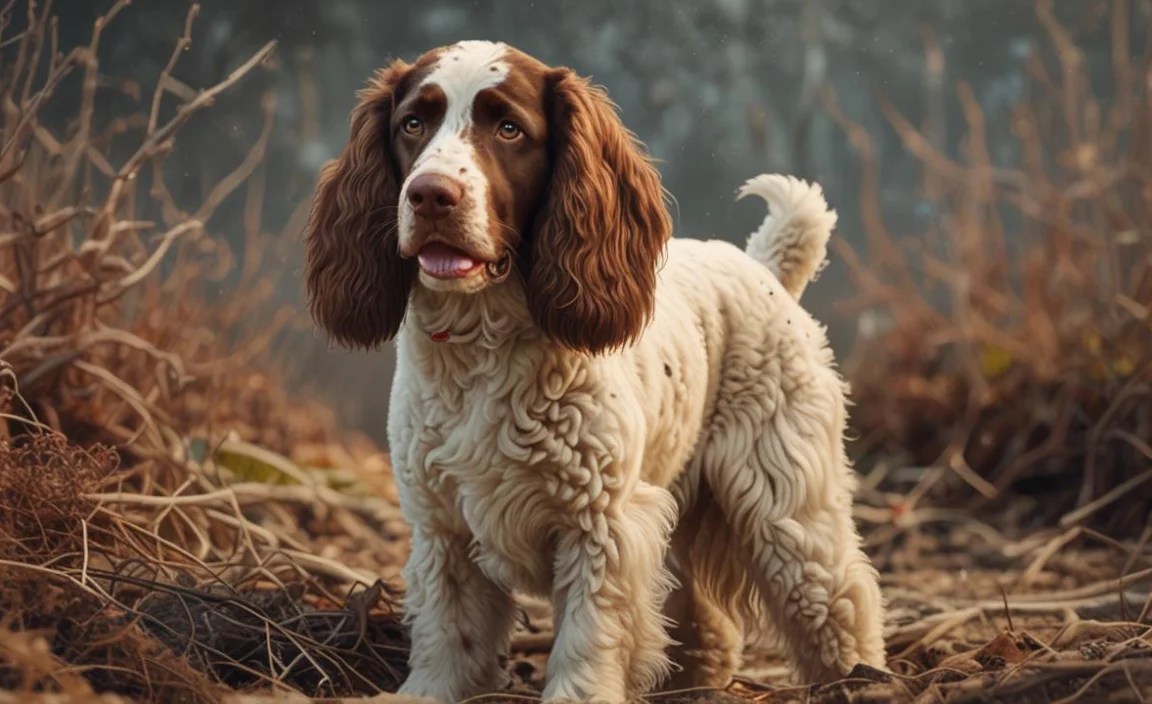
The American Water Spaniel’s story begins in the Great Lakes region of the United States, primarily in states like Wisconsin and Minnesota. The breed’s development was driven by the need for a versatile hunting dog capable of retrieving waterfowl and upland game in challenging terrains.
Breeding and Purpose
Farmers and market hunters in the 19th century needed a dog that could perform multiple tasks. The American Water Spaniel was bred to be a compact, sturdy dog that could retrieve ducks from icy waters, flush out game birds in dense cover, and serve as a loyal family companion. The exact breeds that contributed to the AWS are not definitively known, but it’s believed they include:
- English Water Spaniels: Now extinct, these dogs were known for their retrieving abilities and water affinity.
- Irish Water Spaniels: Bringing their distinctive curly coat and water skills to the mix.
- Curly-Coated Retrievers: Contributing their retrieving instincts and hardy nature.
- Liver-colored Field Spaniels and other spaniel-type dogs: Adding to the breed’s versatility and hunting prowess.
These dogs were prized for their ability to work in both water and land, making them invaluable to their owners.
Key Characteristics of Early AWS
The early American Water Spaniels possessed several key characteristics that made them ideal for their intended purpose:
- Compact Size: Their moderate size allowed them to navigate small boats and dense cover with ease.
- Water Repellent Coat: Their curly, dense coat provided insulation and protection in cold water.
- Strong Retrieving Instincts: Bred to retrieve game, they had a natural desire to fetch and return.
- Trainability: Their intelligence and willingness to please made them relatively easy to train.
- Stamina: They could work long hours in the field and water without tiring.
Rise in Popularity and Recognition

As the American Water Spaniel proved its worth as a versatile hunting dog, its popularity began to grow in the late 19th and early 20th centuries. The breed’s reputation spread throughout the Midwest, and it became a favorite among hunters and outdoorsmen.
Formal Recognition
In 1940, the American Water Spaniel Club (AWSC) was formed to promote and protect the breed. This was a crucial step in preserving the AWS and ensuring its future. The same year, the American Kennel Club (AKC) officially recognized the American Water Spaniel, marking a significant milestone in the breed’s history. AKC recognition provided the AWS with increased visibility and credibility, leading to more widespread interest.
Peak Popularity
The mid-20th century saw the American Water Spaniel at its peak in popularity. The breed was widely used for hunting and field trials, and many families appreciated its friendly and loyal nature. However, this period of success was followed by a sharp decline.
Decline and Near Extinction

Despite its earlier success, the American Water Spaniel faced a severe decline in numbers during the mid to late 20th century. Several factors contributed to this near-extinction event.
Factors Contributing to the Decline
Several factors led to the decline of the American Water Spaniel:
- Changes in Hunting Practices: The rise of specialized hunting breeds, such as Labrador Retrievers and German Shorthaired Pointers, led to a decrease in the demand for versatile dogs like the AWS. Hunters began to favor breeds that excelled in specific tasks, rather than a jack-of-all-trades.
- Loss of Habitat: As agricultural practices intensified and wetlands were drained, the natural habitat for waterfowl and game birds diminished. This reduced the need for hunting dogs in general, impacting the AWS population.
- Lack of Breeding Programs: Without dedicated breeding programs, the gene pool of the American Water Spaniel became increasingly limited. This resulted in health problems and a loss of genetic diversity.
- World War II: The war effort diverted resources and attention away from dog breeding, further impacting the already dwindling AWS population.
The Risk of Extinction
By the 1960s and 1970s, the American Water Spaniel was on the brink of extinction. The number of registered dogs had dwindled to alarmingly low levels, and many feared that the breed would disappear altogether. Dedicated breeders recognized the urgency of the situation and began working to revive the breed.
Revival and Preservation Efforts

The survival of the American Water Spaniel is a testament to the dedication and hard work of a small group of breeders who refused to let the breed disappear. These individuals implemented several strategies to revive and preserve the AWS.
Key Strategies for Revival
The following strategies were crucial in saving the American Water Spaniel:
- Dedicated Breeding Programs: Breeders focused on carefully selecting breeding pairs to improve the breed’s health, temperament, and working ability. They worked to expand the gene pool and reduce the risk of genetic disorders.
- Increased Awareness: The American Water Spaniel Club (AWSC) played a vital role in raising awareness about the breed and its plight. They organized events, published educational materials, and worked to promote the AWS as a versatile hunting dog and family companion.
- Genetic Research: Researchers conducted genetic studies to better understand the breed’s genetic diversity and identify potential health issues. This information helped breeders make informed decisions about breeding strategies.
- Outcrossing: In some cases, breeders used outcrossing (breeding with dogs of other breeds) to introduce new genes into the AWS gene pool. This was done carefully and selectively to avoid compromising the breed’s unique characteristics.
Notable Breeders and Advocates
Several individuals played a crucial role in the revival of the American Water Spaniel. These breeders and advocates dedicated their time, resources, and passion to saving the breed.
- Dr. Fred J. Pfeifer: A veterinarian and avid hunter, Dr. Pfeifer was one of the most influential figures in the AWS revival. He established the Pfeifer’s American Water Spaniels kennel and worked tirelessly to promote the breed.
- George and Helen Meyer: The Meyers were another dedicated breeding team who worked to preserve the AWS. They focused on maintaining the breed’s working ability and temperament.
- The American Water Spaniel Club (AWSC): The AWSC provided a platform for breeders and enthusiasts to collaborate and share information. The club’s efforts were essential in coordinating the revival efforts.
Modern American Water Spaniel

Today, the American Water Spaniel has made a remarkable recovery, although it remains a relatively rare breed. The AWS is now recognized for its versatility, intelligence, and affectionate nature.
Current Status and Popularity
While the American Water Spaniel is no longer on the brink of extinction, it is still considered a rare breed. According to the AKC, the AWS consistently ranks among the least popular breeds. Despite its low numbers, the breed has a loyal following of enthusiasts who appreciate its unique qualities. The American Water Spaniel is the state dog of Wisconsin.
Breed Characteristics
The modern American Water Spaniel retains many of the characteristics that made it a valuable hunting dog in the past:
- Versatility: The AWS is still capable of performing a variety of tasks, including retrieving waterfowl, flushing game birds, and tracking.
- Intelligence: They are intelligent and eager to please, making them relatively easy to train.
- Affectionate Nature: American Water Spaniels are known for their loyalty and affection towards their families.
- Water Repellent Coat: Their curly, dense coat provides protection from the elements and makes them well-suited for water activities.
- Moderate Size: Their moderate size makes them adaptable to various living situations.
Common Health Issues
Like all breeds, the American Water Spaniel is prone to certain health issues. Responsible breeders screen their dogs for these conditions to minimize the risk of passing them on to future generations. Common health issues in the AWS include:
- Hip Dysplasia: A condition in which the hip joint doesn’t develop properly, leading to arthritis and pain.
- Eye Disorders: Progressive retinal atrophy (PRA) and cataracts are common eye problems in the breed.
- Heart Disease: Some American Water Spaniels are prone to heart conditions, such as mitral valve disease.
- Hypothyroidism: A condition in which the thyroid gland doesn’t produce enough thyroid hormone, leading to various health problems.
- Epilepsy: A neurological disorder that causes seizures.
Regular veterinary checkups and responsible breeding practices can help manage these health issues.
Care and Training
Caring for an American Water Spaniel involves providing proper nutrition, exercise, and mental stimulation. They require regular grooming to maintain their coat and prevent matting.
- Nutrition: Feed your AWS a high-quality dog food that is appropriate for their age, size, and activity level.
- Exercise: They need plenty of exercise to stay healthy and happy. Daily walks, runs, and swimming are all great options.
- Grooming: Their curly coat requires regular brushing to prevent matting. They should also be bathed as needed.
- Training: American Water Spaniels are intelligent and eager to please, making them relatively easy to train. Positive reinforcement methods work best.
American Water Spaniel: Breed Comparison
Let’s explore how the American Water Spaniel compares to similar breeds in terms of key traits and characteristics.
| Breed | Size | Coat Type | Energy Level | Trainability | Common Use |
|---|---|---|---|---|---|
| American Water Spaniel | Medium | Curly | High | High | Hunting, Companion |
| English Springer Spaniel | Medium | Feathered | High | High | Hunting, Field Trials |
| Cocker Spaniel | Small | Feathered | Moderate | Moderate | Companion, Show |
| Irish Water Spaniel | Large | Curly | High | Moderate | Hunting, Waterfowl Retrieving |
FAQs About the American Water Spaniel
What is the origin of the American Water Spaniel?
The American Water Spaniel originated in the Great Lakes region of the United States during the 19th century. It was bred to be a versatile hunting dog, capable of retrieving waterfowl and upland game.
When was the American Water Spaniel officially recognized by the AKC?
The American Water Spaniel was officially recognized by the American Kennel Club (AKC) in 1940.
Why did the American Water Spaniel almost become extinct?
Several factors contributed to the decline, including changes in hunting practices, loss of habitat, lack of breeding programs, and the impact of World War II.
How was the American Water Spaniel saved from extinction?
Dedicated breeders implemented strategies such as establishing breeding programs, raising awareness, conducting genetic research, and, in some cases, outcrossing to revive and preserve the breed.
What are some common health issues in American Water Spaniels?
Common health issues include hip dysplasia, eye disorders (such as progressive retinal atrophy and cataracts), heart disease, hypothyroidism, and epilepsy.
What kind of care does an American Water Spaniel need?
American Water Spaniels need proper nutrition, regular exercise, mental stimulation, and regular grooming to maintain their coat. They also require training and socialization.
Is the American Water Spaniel a good family dog?
Yes, American Water Spaniels are known for their loyalty and affection towards their families. They are intelligent and eager to please, making them good family companions.
Conclusion
The historical background of the American Water Spaniel is a story of resilience, dedication, and the enduring bond between humans and animals. From its humble beginnings as a versatile hunting dog in the Great Lakes region to its near extinction and eventual revival, the AWS has overcome numerous challenges. Today, this breed stands as a testament to the passion and hard work of those who refused to let it disappear.
Understanding the history of the American Water Spaniel not only enriches our appreciation for the breed but also highlights the importance of conservation efforts in preserving unique and valuable animal breeds. As you consider welcoming an AWS into your home, remember that you are not just acquiring a pet but also becoming a part of a rich and storied legacy.


