
Ancestry of Ragamuffin Cats: Secret Family Tree

Quick Summary: Ragamuffin cats are a delightful breed that originated in the 1960s as an offshoot of the Ragdoll breed. They were initially called “Lieblinge,” but later became known as Ragamuffins to distinguish them from Ragdolls. The breed was developed by Ann Baker, who aimed to create cats with a docile temperament and a plush coat in various colors and patterns. Today, Ragamuffins are recognized by several cat registries and are cherished for their affectionate and laid-back personalities.
Ever wondered where those cuddly Ragamuffin cats come from? It’s a question many cat lovers ask, especially when they’re drawn to the breed’s sweet nature and fluffy appearance. Understanding a Ragamuffin’s ancestry not only satisfies your curiosity but also helps you appreciate what makes them so special. It’s like discovering the secret ingredients in your favorite recipe. Let’s explore the fascinating origins of these gentle giants, so you’ll know exactly what makes them such wonderful companions.
The Origins of Ragamuffin Cats

Ragamuffin cats trace their roots back to the 1960s in Riverside, California. The breed emerged from the Ragdoll lines, but with a broader genetic pool. Here’s how it all unfolded:
The Ragdoll Connection
The story begins with Ann Baker, a Ragdoll breeder. She owned a white Persian/Angora mix named Josephine, who was known for her laid-back temperament. Josephine had several litters of kittens, and Baker noticed that some of them shared her relaxed and floppy nature. These cats became the foundation of the Ragdoll breed.
A Break from Tradition
In the 1960s, Ann Baker, a breeder of Ragdoll cats, decided to create a separate breed with a broader genetic base. This new breed, initially called “Lieblinge,” was intended to preserve the desirable traits of the Ragdoll while allowing for greater variety in color and pattern. Baker’s decision marked the beginning of the Ragamuffin breed as distinct from the Ragdoll.
The Birth of the Ragamuffin
As time went on, some breeders diverged from Baker’s strict standards for Ragdolls. They wanted to introduce different colors and patterns into their breeding programs. This led to a split, and these breeders began to develop a new breed, which they eventually named Ragamuffin.
- Key Founders: Breeders like Curt Gehm and Kim Clark played a crucial role in establishing the Ragamuffin breed.
- Original Name: The breed was initially called “Lieblinge,” which means “sweetheart” or “darling” in German.
- Name Change: The name was later changed to Ragamuffin to better reflect the breed’s unique identity.
The Breeding Process
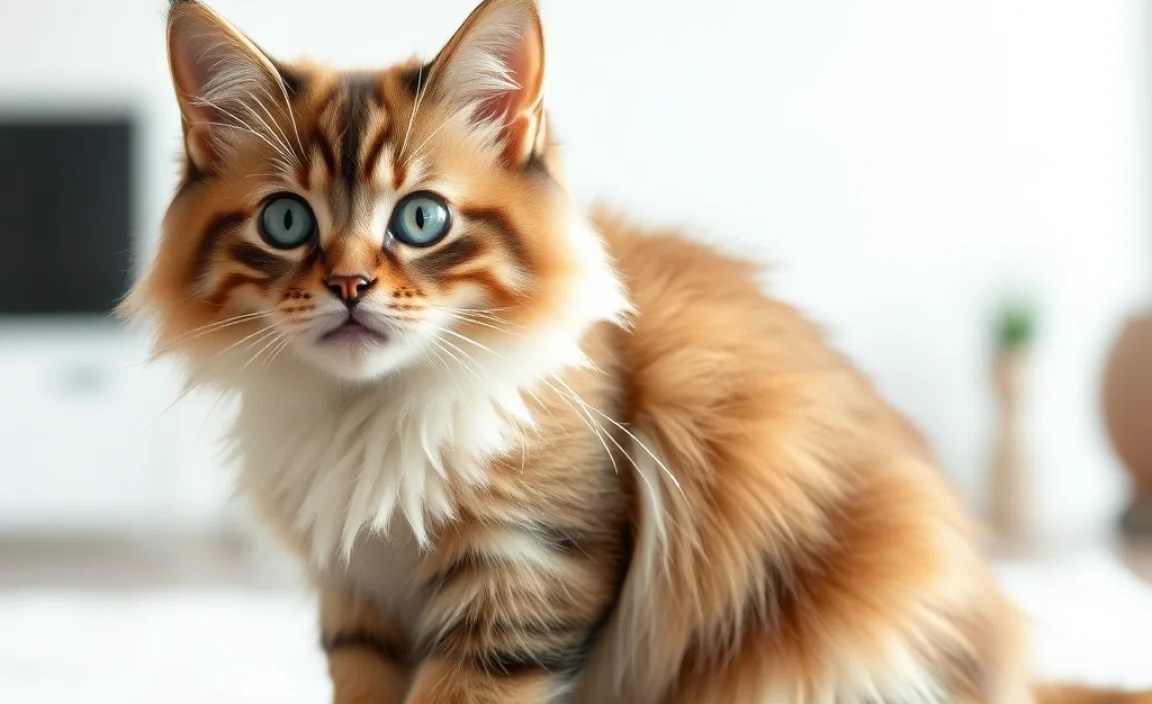
Creating the Ragamuffin breed involved careful selection and crossbreeding. The goal was to maintain the gentle temperament and plush coat while expanding the range of colors and patterns.
Expanding the Gene Pool
To achieve greater genetic diversity, breeders outcrossed Ragdolls with Persians, Himalayans, and domestic longhaired cats. This infusion of new genes brought a wider array of colors and patterns to the breed.
- Outcrossing: This process involves breeding cats from different breeds to introduce new genetic traits.
- Desired Traits: Breeders focused on maintaining the Ragdoll’s docile temperament and semi-long, plush coat.
- Color and Pattern Variety: The outcrossing resulted in Ragamuffins with various colors and patterns, including solids, bi-colors, and tabbies.
Establishing Breed Standards
As the Ragamuffin breed developed, breeders worked together to establish breed standards. These standards defined the ideal physical characteristics and temperament of the Ragamuffin.
- Physical Characteristics: The standards specified traits such as the cat’s size, coat length, eye color, and head shape.
- Temperament: The breed standard emphasized the importance of a gentle, affectionate, and laid-back temperament.
- Breed Registries: Breeders sought recognition from cat registries to legitimize the Ragamuffin breed.
Recognizing the Ragamuffin Breed

Gaining recognition from cat registries was a significant milestone for the Ragamuffin breed. It validated the breed’s unique identity and allowed Ragamuffins to compete in cat shows.
Acceptance by Cat Registries
Several cat registries, including the United Feline Organization (UFO) and the Cat Fanciers’ Association (CFA), have recognized the Ragamuffin breed. This recognition has helped to promote the breed and ensure its continued development.
- United Feline Organization (UFO): The UFO was one of the first registries to recognize the Ragamuffin breed.
- Cat Fanciers’ Association (CFA): The CFA granted registration status to Ragamuffins in 2003 and full recognition in 2011.
- The International Cat Association (TICA): TICA recognized the breed in May 2010.
Breed Standards
The Ragamuffin breed standards emphasize a medium to large cat with a semi-long, plush coat. The head is a modified wedge shape with expressive eyes. The body is muscular and substantial, and the tail is long and bushy.
| Characteristic | Description |
|---|---|
| Size | Medium to large |
| Coat | Semi-long, plush |
| Head | Modified wedge shape |
| Eyes | Large, expressive |
| Body | Muscular, substantial |
| Tail | Long, bushy |
Distinctive Traits of Ragamuffin Cats
Ragamuffins are known for their unique combination of physical and temperamental traits. These characteristics make them stand out from other breeds and contribute to their popularity as companion animals.
Physical Appearance
Ragamuffins have a distinctive physical appearance that sets them apart from other breeds. Their semi-long, plush coat, expressive eyes, and muscular build contribute to their overall charm.
- Coat Texture: The Ragamuffin’s coat is soft, dense, and plush, providing a luxurious feel.
- Eye Color: Ragamuffins have large, expressive eyes that come in various colors, including blue, green, and gold.
- Body Structure: They have a muscular and substantial body, giving them a sturdy appearance.
Temperament and Behavior
One of the most defining traits of Ragamuffins is their gentle and affectionate temperament. They are known for being docile, friendly, and good-natured, making them excellent companions for families and individuals alike.
- Docile Nature: Ragamuffins are known for their relaxed and easygoing nature, making them ideal for people of all ages.
- Affectionate Behavior: They enjoy being petted and cuddled and often follow their owners around the house.
- Social Compatibility: Ragamuffins typically get along well with children, other cats, and even dogs, making them a great addition to multi-pet households.
Caring for Ragamuffin Cats
Proper care is essential to ensure the health and well-being of Ragamuffin cats. This includes regular grooming, a balanced diet, and routine veterinary checkups.
Grooming Needs
Ragamuffins have a semi-long coat that requires regular grooming to prevent matting and tangling. Brushing them a few times a week can help keep their coat in good condition.
- Brushing Frequency: Aim to brush your Ragamuffin at least two to three times a week.
- Grooming Tools: Use a stainless steel comb and a slicker brush to remove loose hair and prevent mats.
- Bathing: Ragamuffins typically do not require frequent bathing unless they get dirty.
Diet and Nutrition
A balanced diet is crucial for maintaining the health and vitality of Ragamuffin cats. Choose high-quality cat food that meets their nutritional needs.
- Quality Cat Food: Select a cat food that contains a good source of protein, healthy fats, and essential vitamins and minerals.
- Portion Control: Feed your Ragamuffin appropriate portions to prevent overeating and obesity.
- Fresh Water: Always provide fresh, clean water for your cat to stay hydrated.
Health Considerations
While Ragamuffins are generally healthy cats, they can be prone to certain health conditions. Regular veterinary checkups can help detect and address any potential health issues early on.
- Hypertrophic Cardiomyopathy (HCM): This is a common heart condition in cats.
- Polycystic Kidney Disease (PKD): This genetic condition causes cysts to form on the kidneys.
- Regular Checkups: Schedule annual veterinary checkups to monitor your cat’s health and catch any potential problems early.
Ragamuffin Cats as Family Pets
Ragamuffins make wonderful family pets due to their gentle nature, affectionate behavior, and compatibility with children and other animals.
Interaction with Children
Ragamuffins are known for their patience and tolerance, making them great companions for children. They enjoy playing and cuddling and are generally gentle with kids.
- Supervision: Always supervise interactions between young children and cats to ensure the safety of both.
- Gentle Play: Teach children how to handle cats gently and avoid pulling their tails or ears.
- Respect Boundaries: Make sure children understand that cats need their space and should not be disturbed when they are sleeping or eating.
Compatibility with Other Pets
Ragamuffins typically get along well with other cats and even dogs, making them a great addition to multi-pet households. Their laid-back temperament and social nature allow them to adapt to different living situations.
- Gradual Introduction: When introducing a new Ragamuffin to your existing pets, do it gradually to allow them to adjust to each other’s presence.
- Separate Spaces: Provide separate spaces for each pet to retreat to if they need some alone time.
- Positive Reinforcement: Use positive reinforcement, such as treats and praise, to encourage positive interactions between your pets.
The Ragamuffin’s Personality
Ragamuffins are known for their sweet and docile personalities. They love to be around their human families, often following them from room to room and seeking affection.
- Affectionate: They enjoy being petted and cuddled, often purring contentedly when they receive attention.
- Playful: Ragamuffins are also playful and enjoy playing with toys and interacting with their owners.
- Adaptable: They are adaptable to different living situations and can thrive in apartments or houses, as long as they receive plenty of love and attention.
Finding a Ragamuffin Cat
If you’re interested in adding a Ragamuffin to your family, there are several ways to find one. You can look for reputable breeders, check with rescue organizations, or search online adoption websites.
Reputable Breeders
When choosing a breeder, look for someone who is knowledgeable about the breed and committed to producing healthy, well-socialized kittens. A reputable breeder will be able to provide you with information about the kitten’s parents, health history, and temperament.
- Health Testing: Ask the breeder about any health testing they do on their cats to screen for genetic conditions.
- Living Conditions: Visit the breeder’s home or cattery to see how the cats are raised and cared for.
- References: Ask for references from previous buyers to get an idea of the breeder’s reputation.
Rescue Organizations
Many rescue organizations and shelters have Ragamuffins or Ragamuffin mixes available for adoption. Adopting a cat from a rescue organization can be a rewarding experience and give a deserving cat a loving home.
- Adoption Fees: Rescue organizations typically charge adoption fees to cover the cost of veterinary care and other expenses.
- Temperament Assessment: Rescue organizations often assess the temperament of their cats to ensure they are a good fit for your home.
- Health Screening: Rescue organizations usually provide basic health screening and vaccinations for their cats before they are adopted.
Online Adoption Websites
There are many online adoption websites where you can search for Ragamuffins or Ragamuffin mixes in your area. These websites allow you to view photos and descriptions of available cats and contact the rescue organization or shelter directly.
- Petfinder: Petfinder is a popular website that lists cats and dogs from thousands of shelters and rescue organizations across North America.
- Adopt-a-Pet: Adopt-a-Pet is another website that helps connect people with adoptable pets in their area.
- Local Shelters: Check the websites of local animal shelters and rescue organizations to see if they have any Ragamuffins available for adoption.
Frequently Asked Questions (FAQs)
1. Are Ragamuffins related to Ragdolls?
Yes, Ragamuffins originated from Ragdoll cats. They were developed to expand the color and pattern possibilities beyond the traditional Ragdoll standards.
2. What is the typical temperament of a Ragamuffin cat?
Ragamuffins are known for their docile, friendly, and affectionate nature. They are often described as “puppy-like” because they tend to follow their owners around and enjoy being cuddled.
3. How big do Ragamuffin cats get?
Ragamuffins are medium to large cats. Males typically weigh between 12 and 20 pounds, while females weigh between 8 and 15 pounds.
4. Do Ragamuffins require a lot of grooming?
Yes, Ragamuffins have a semi-long coat that requires regular grooming to prevent matting and tangling. Brushing them a few times a week can help keep their coat in good condition.
5. Are Ragamuffins good with children and other pets?
Yes, Ragamuffins are generally good with children and other pets. Their gentle nature and social compatibility make them a great addition to multi-pet households.
6. What are some common health issues in Ragamuffin cats?
Ragamuffins can be prone to certain health conditions, such as hypertrophic cardiomyopathy (HCM) and polycystic kidney disease (PKD). Regular veterinary checkups can help detect and address any potential health issues early on.
7. How long do Ragamuffin cats typically live?
Ragamuffins typically live between 12 and 16 years, although some may live even longer with proper care and nutrition.
Conclusion
Understanding the ancestry of Ragamuffin cats gives you a deeper appreciation for this wonderful breed. From their Ragdoll origins to the deliberate efforts to expand their genetic diversity, Ragamuffins have a rich history. Their sweet temperament, beautiful appearance, and adaptability make them fantastic family pets. Whether you’re a seasoned cat owner or a first-time adopter, a Ragamuffin can bring joy and companionship to your home. By providing proper care, grooming, and affection, you can ensure that your Ragamuffin lives a happy and healthy life. As you embark on this journey with your feline friend, remember that the love and care you provide will be returned tenfold, making every moment together a cherished memory.


