
How British Shorthairs Respond to Training: Easy Guide

British Shorthairs can be trained, but they require patience and understanding. While not as naturally driven to obey as some dog breeds, their intelligence and love of rewards make them trainable with consistent, positive reinforcement. Focus on short, engaging sessions and use treats or praise to motivate your furry friend.
Is your British Shorthair giving you the “I’ll think about it” look when you ask them to do something? Don’t worry, you’re not alone! Many owners find that training these charming felines requires a different approach than, say, training a Labrador. But the good news is, British Shorthairs are intelligent and capable of learning. It just takes a bit of understanding and the right techniques.
In this guide, I’ll walk you through everything you need to know about how British Shorthairs respond to training and commands. We’ll explore their unique personality traits and how they influence training, effective methods to use, and common challenges you might encounter. Plus, I’ll share some tips and tricks to make the process smoother and more enjoyable for both you and your beloved British Shorthair. Let’s get started!
Understanding the British Shorthair Personality

Before diving into training techniques, it’s essential to understand the unique personality of the British Shorthair. These cats are known for their independent and laid-back nature. They aren’t typically as demanding of attention as some other breeds, but they are intelligent and enjoy interacting with their owners on their own terms. Understanding these traits will help you tailor your training approach for the best results.
Key Personality Traits
- Independent: British Shorthairs are content with their own company and don’t always seek constant attention.
- Calm: They have a relaxed demeanor and are not usually hyperactive.
- Intelligent: They are smart cats, capable of learning and problem-solving.
- Affectionate (on their terms): They show affection in subtle ways and appreciate gentle interactions.
- Playful: While not overly energetic, they enjoy playing with toys and engaging in short bursts of activity.
How Personality Affects Training
A British Shorthair’s personality directly influences how they respond to training. Because they are independent and not overly eager to please, traditional obedience training methods may not be as effective. Instead, a positive reinforcement approach that respects their independence and motivates them with rewards is more likely to succeed. Patience is key, as they may not learn as quickly as some other breeds.
Effective Training Methods for British Shorthairs

When it comes to training your British Shorthair, positive reinforcement is the name of the game. This approach focuses on rewarding desired behaviors, making it a fun and engaging experience for your cat. Here are some effective methods to try:
Positive Reinforcement
Positive reinforcement involves rewarding your cat when they perform the desired behavior. This could be with treats, praise, or a favorite toy. The key is to make the reward immediate and consistent so your cat associates the action with the positive outcome. According to the RSPCA, positive reinforcement is one of the most effective and kindest methods for training animals.
- Treats: Small, tasty treats are a great motivator for most cats.
- Praise: Use a gentle, encouraging tone to praise your cat when they do something right.
- Toys: Some cats are more motivated by toys than treats. Experiment to see what works best for your British Shorthair.
Clicker Training
Clicker training is a popular method that uses a distinct sound (the clicker) to mark the exact moment your cat performs the desired behavior. This helps them understand exactly what they are being rewarded for. Follow the click with a treat or praise to reinforce the behavior.
- Introduce the Clicker: Pair the clicker with a treat so your cat associates the sound with something positive.
- Start Simple: Begin with easy commands like “sit” or “stay.”
- Click and Reward: Click the moment your cat performs the action and immediately give them a treat.
- Repeat: Practice regularly in short sessions.
Shaping
Shaping involves gradually rewarding successive approximations of the desired behavior. This is useful for more complex tasks that your cat may not be able to perform all at once. For example, if you’re teaching your cat to jump through a hoop, you might start by rewarding them for approaching the hoop, then for touching it, and finally for jumping through it.
Environmental Enrichment
Sometimes, training isn’t just about teaching commands, but also about creating an environment that encourages good behavior. Providing plenty of toys, scratching posts, and climbing opportunities can help prevent boredom and reduce unwanted behaviors. According to the Cornell Feline Health Center, environmental enrichment is crucial for a cat’s physical and mental well-being.
Basic Commands to Teach Your British Shorthair

While British Shorthairs may not become champion trick performers, teaching them basic commands can improve their behavior and strengthen your bond. Here are a few commands to start with:
“Come”
Teaching your cat to come when called can be useful in various situations, such as when it’s time for dinner or when you need to bring them inside.
- Start in a Quiet Area: Begin in a quiet room with minimal distractions.
- Use a Positive Tone: Say your cat’s name followed by “come” in a happy, encouraging voice.
- Offer a Reward: When your cat comes to you, immediately give them a treat and praise.
- Practice Regularly: Repeat the exercise several times a day, gradually increasing the distance.
“Sit”
Teaching your cat to sit is a simple command that can be used in various contexts, such as before giving them a treat or putting on their harness.
- Hold a Treat: Hold a treat near your cat’s nose.
- Move the Treat Backwards: Slowly move the treat backwards over their head. As they follow the treat, they will naturally sit.
- Say “Sit”: As they are sitting, say the word “sit.”
- Reward: Give them the treat and praise.
- Repeat: Practice regularly in short sessions.
“Stay”
Teaching your cat to stay can be a bit more challenging, but it’s a useful command for preventing them from running out the door or jumping on furniture.
- Start with “Sit”: First, have your cat sit.
- Say “Stay”: Hold your hand up in a “stop” gesture and say “stay” in a firm but gentle voice.
- Short Duration: Initially, only ask them to stay for a few seconds.
- Reward: If they stay, give them a treat and praise.
- Gradually Increase Duration: Gradually increase the amount of time they need to stay.
“No”
Teaching your cat the meaning of “no” is essential for discouraging unwanted behaviors like scratching furniture or jumping on counters.
- Catch Them in the Act: The best time to use the “no” command is when you catch your cat doing something you don’t want them to do.
- Say “No” Firmly: Say “no” in a firm, clear voice.
- Redirect Their Attention: Immediately redirect their attention to a more appropriate behavior, such as playing with a toy.
- Reward Good Behavior: When they engage in the desired behavior, reward them with praise or a treat.
Addressing Common Training Challenges
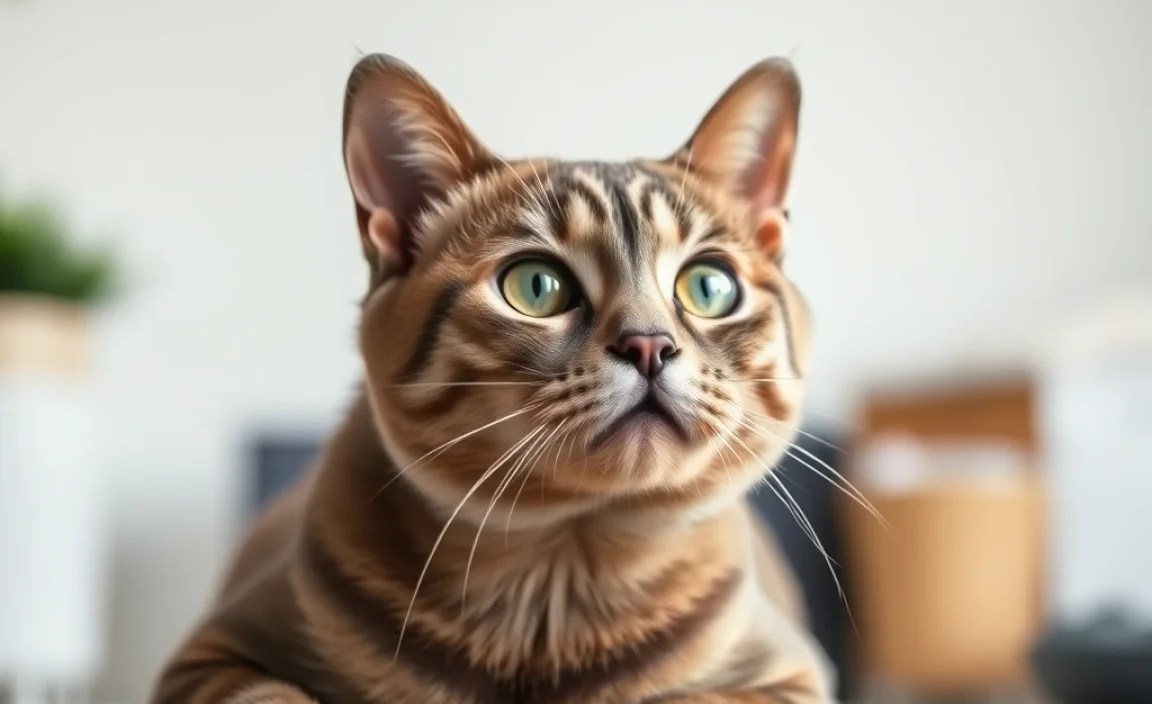
Even with the best techniques, you may encounter some challenges when training your British Shorthair. Here are a few common issues and how to address them:
Lack of Motivation
British Shorthairs can be picky and may not be motivated by all treats or toys. Experiment to find what your cat loves most and use that as a high-value reward.
- Try Different Treats: Explore various flavors and textures to find what your cat prefers.
- Use Toys: Some cats are more motivated by toys like feather wands or laser pointers.
- Vary Rewards: Keep your cat engaged by varying the rewards you use.
Short Attention Span
Cats generally have shorter attention spans than dogs, so it’s important to keep training sessions short and engaging. Aim for sessions of 5-10 minutes at a time.
- Keep Sessions Short: Shorter sessions prevent boredom and maintain focus.
- End on a Positive Note: Always end the session with a successful command and a reward.
- Multiple Sessions: Conduct several short sessions throughout the day rather than one long one.
Inconsistent Behavior
Sometimes, your cat may perform a command perfectly one day and then seem to forget it the next. This is normal, and consistency is key. Keep practicing regularly and be patient.
- Regular Practice: Consistent practice reinforces the learned behavior.
- Be Patient: Don’t get discouraged if your cat doesn’t always perform perfectly.
- Review Commands: Periodically review previously learned commands to keep them fresh in your cat’s mind.
Stubbornness
British Shorthairs are known for their independent nature, which can sometimes manifest as stubbornness. If your cat is refusing to cooperate, don’t force the issue. Take a break and try again later.
- Don’t Force It: Forcing your cat will only create negative associations with training.
- Take Breaks: If your cat is resistant, take a break and try again later.
- Adjust Your Approach: Re-evaluate your training methods to see if there’s a more effective approach.
Tips for Successful Training

To maximize your success in training your British Shorthair, keep these tips in mind:
- Start Early: Begin training as early as possible, ideally when your cat is a kitten.
- Be Consistent: Use the same commands and rewards consistently.
- Be Patient: Training takes time and patience. Don’t get discouraged if you don’t see results immediately.
- Create a Positive Environment: Make training a fun and enjoyable experience for your cat.
- Use High-Value Rewards: Find what motivates your cat and use it to your advantage.
- Keep It Short and Sweet: Short, frequent sessions are more effective than long, infrequent ones.
- End on a High Note: Always finish the session with a successful command and a reward.
Tools and Resources for Training
Having the right tools and resources can make the training process easier and more effective. Here are some items to consider:
- Clicker: A clicker is essential for clicker training.
- Treats: Choose small, tasty treats that your cat loves.
- Toys: Use toys that your cat finds engaging, such as feather wands or laser pointers.
- Scratching Post: A scratching post can help redirect scratching behavior away from furniture.
- Puzzle Toys: Puzzle toys can provide mental stimulation and prevent boredom.
| Tool/Resource | Description | Benefits |
|---|---|---|
| Clicker | A small device that makes a distinct clicking sound. | Marks the exact moment of desired behavior, improving clarity for the cat. |
| Treats | Small, palatable treats that cats find irresistible. | Motivates cats to perform desired behaviors and reinforces positive associations. |
| Feather Wand | A toy consisting of feathers attached to a wand. | Engages a cat’s hunting instincts, providing exercise and mental stimulation. |
| Scratching Post | A designated surface for cats to scratch. | Redirects scratching away from furniture, promoting appropriate scratching behavior. |
| Puzzle Toys | Toys that require cats to solve a puzzle to access a treat. | Provides mental stimulation, prevents boredom, and encourages problem-solving skills. |
Real-Life Examples of Successful Training
Let’s look at some real-life examples of how British Shorthairs have successfully responded to training and commands.
Case Study 1: Teaching “Come” for Meal Times
Sarah adopted a British Shorthair kitten named Winston. She wanted to train him to come when called, especially during meal times. Sarah started by using Winston’s favorite wet food as a reward. She would say “Winston, come!” in a cheerful voice and place the food bowl down as he approached. Initially, she started in a small room to minimize distractions. Over time, she gradually increased the distance. Within a few weeks, Winston would come running whenever he heard his name followed by “come,” making meal times much smoother.
Case Study 2: Redirecting Scratching Behavior
Mark was frustrated because his British Shorthair, Bella, was scratching the sofa. He decided to invest in a sturdy scratching post and use positive reinforcement to redirect her behavior. Whenever he saw Bella approaching the sofa, he would gently pick her up and place her near the scratching post. He would then scratch the post himself to demonstrate. When Bella scratched the post, Mark would immediately give her praise and a treat. After a couple of weeks, Bella started using the scratching post regularly, and the sofa was saved!
Case Study 3: Clicker Training for Basic Commands
Emily wanted to teach her British Shorthair, Oliver, some basic commands using clicker training. She started with the “sit” command. Emily would hold a treat above Oliver’s head, causing him to sit as he looked up. The moment his rear touched the ground, she would click the clicker and give him the treat. After a few sessions, Oliver began to associate the clicker sound with the action of sitting and the reward. He quickly learned to sit on command, and Emily was able to expand to other commands like “stay” and “come.”
FAQ: Training British Shorthairs
Here are some frequently asked questions about training British Shorthairs:
- Are British Shorthairs trainable?
- Yes, British Shorthairs are trainable, but they require patience and a positive reinforcement approach. Their intelligence and love of rewards make them capable of learning commands and behaviors.
- What is the best way to train a British Shorthair?
- The best way to train a British Shorthair is through positive reinforcement. Use treats, praise, or toys to reward desired behaviors. Clicker training and shaping are also effective methods.
- How long should training sessions be?
- Training sessions should be short and engaging, lasting only 5-10 minutes at a time. Multiple short sessions throughout the day are more effective than one long session.
- What are some common challenges when training British Shorthairs?
- Common challenges include lack of motivation, short attention span, inconsistent behavior, and stubbornness. Addressing these challenges requires patience, consistency, and adjusting your approach as needed.
- What commands can I teach my British Shorthair?
- You can teach your British Shorthair basic commands like “come,” “sit,” “stay,” and “no.” These commands can improve their behavior and strengthen your bond.
- When should I start training my British Shorthair?
- It’s best to start training your British Shorthair as early as possible, ideally when they are a kitten. Early training can help establish good habits and make the process easier.
- What kind of rewards should I use?
- Use high-value rewards that your cat finds motivating. This could be small, tasty treats, favorite toys, or even verbal praise. Experiment to see what works best for your British Shorthair.
Conclusion
Training a British Shorthair requires a blend of understanding, patience, and positive reinforcement. While they may not be as eager to please as some other breeds, their intelligence and love of rewards make them capable of learning. By understanding their unique personality traits and using effective training methods, you can successfully teach your British Shorthair basic commands and improve their behavior. Remember to keep sessions short, use high-value rewards, and always end on a positive note.
With consistency and patience, you’ll not only train your British Shorthair but also strengthen the bond you share. Happy training!


