
How to Understand a British Shorthair’s Personality: Easy Guide

Quick Summary: Understanding your British Shorthair’s personality involves observing their behavior, recognizing breed traits like calmness and independence, and paying attention to their body language. Look for signs of contentment, playfulness, or stress. Every cat is an individual, so consider their unique history and environment, too. With patience and understanding, you’ll build a strong bond with your furry friend.
Bringing a British Shorthair into your home is like welcoming a little plush companion. Known for their round faces and calm demeanor, these cats are often described as gentle giants. But, like all cats, they have unique personalities. It can sometimes be tricky to figure out exactly what your British Shorthair is trying to tell you.
Are they happy? Are they stressed? What do they really want when they give you that slow blink? Don’t worry! This guide will walk you through the key aspects of understanding your British Shorthair’s personality, helping you build a stronger, happier relationship with your feline friend. We’ll explore breed traits, body language, and individual quirks, so you can become a true cat whisperer!
Understanding the British Shorthair Breed

The British Shorthair is known for specific personality traits. Understanding these general characteristics can help you better understand your cat. It’s important to remember that while breed characteristics provide a foundation, each cat is an individual with its own unique personality.
Typical British Shorthair Traits
- Calm and Relaxed: British Shorthairs are generally known for their laid-back attitude. They aren’t usually hyperactive or demanding, preferring quiet observation and gentle interaction.
- Independent: These cats are quite independent. They enjoy their own company and don’t constantly demand attention. This makes them a good choice for people who work or are away from home for periods of time.
- Affectionate, but Not Needy: British Shorthairs are affectionate but on their own terms. They might enjoy sitting near you or cuddling, but they’re not usually lap cats who need constant physical contact.
- Playful: While not as energetic as some breeds, British Shorthairs still enjoy playtime. They often have bursts of energy and appreciate interactive toys.
- Intelligent: They are smart cats who can learn tricks and understand routines. This also means they need mental stimulation to prevent boredom.
Factors Influencing Personality
While breed characteristics give you a general idea, several factors can influence your British Shorthair’s individual personality:
- Genetics: Just like people, cats inherit personality traits from their parents. A kitten from a confident and friendly mother is more likely to be confident and friendly itself.
- Early Socialization: A kitten’s experiences in the first few weeks of life are crucial. Kittens who are handled gently and exposed to different people, sounds, and environments are more likely to be well-adjusted and confident adults.
- Environment: A cat’s current environment plays a big role in their behavior. A stressful or unstable environment can lead to anxiety and fear, while a safe and loving home promotes confidence and relaxation.
- Health: Underlying health issues can affect a cat’s personality. A cat in pain or discomfort may become withdrawn or irritable. Regular veterinary checkups are essential for maintaining both physical and mental well-being.
- Age: A kitten’s personality will differ from that of a senior cat. Kittens are more playful and curious, while senior cats may be more set in their ways and less tolerant of change.
Decoding British Shorthair Body Language

Cats communicate in many ways, and understanding their body language is key to understanding their personality. Being observant and understanding what your British Shorthair is trying to communicate through their body language is vital for building a strong bond.
Common Cat Body Language Signals
| Signal | Meaning |
|---|---|
| Purring | Usually indicates contentment, but can also be a sign of self-soothing when stressed or in pain. |
| Slow Blinking | Often called a “cat kiss,” it shows that your cat feels comfortable and trusts you. |
| Rubbing Against You | A way of marking you with their scent, showing affection and claiming you as their own. |
| Kneading | A behavior from kittenhood, often associated with comfort and contentment. |
| Ears Forward | Indicates alertness and interest. |
| Ears Back or Flat | Sign of fear, anxiety, or aggression. |
| Tail Upright with a Curve | Friendly and confident greeting. |
| Tail Tucked Between Legs | Sign of fear, submission, or insecurity. |
| Hissing or Growling | Clear warning sign of fear, aggression, or pain. |
Understanding Vocalizations
Cats use a variety of vocalizations to communicate. While meowing is often used to get our attention, other sounds can tell us more about how they’re feeling:
- Meowing: Can mean anything from “I’m hungry” to “Pay attention to me!” Pay attention to the context to understand what your cat wants.
- Purring: Usually a sign of contentment, but can also indicate pain or stress.
- Hissing: A clear warning sign of fear or aggression.
- Growling: Similar to hissing, a sign of defensiveness or aggression.
- Chattering: Often heard when a cat is watching birds or other prey, indicating excitement and hunting instincts.
- Yowling: Can indicate pain, stress, or confusion, especially in older cats. It can also be a sign of cognitive dysfunction.
Observing Facial Expressions
A cat’s eyes and face can reveal a lot about their mood:
- Dilated Pupils: Can indicate excitement, fear, or pain.
- Constricted Pupils: Often a sign of focus or aggression.
- Staring: Can be a sign of aggression or a challenge.
- Soft Gaze: Indicates relaxation and trust. The “slow blink” is the ultimate sign of feline affection.
- Whiskers Forward: Indicates curiosity and alertness.
- Whiskers Pinned Back: Sign of fear or anxiety.
Recognizing Stress and Anxiety

Just like us, cats can experience stress and anxiety. Recognizing the signs of stress is crucial for providing a comfortable and supportive environment.
Signs of Stress in British Shorthairs
- Changes in Appetite: A stressed cat may eat more or less than usual.
- Changes in Litter Box Habits: Urinating or defecating outside the litter box can be a sign of stress or a medical issue.
- Excessive Grooming: Over-grooming can lead to bald patches and skin irritation.
- Withdrawal: A stressed cat may hide more often and avoid interaction.
- Increased Vocalization: Excessive meowing or yowling can indicate anxiety.
- Aggression: A normally friendly cat may become irritable or aggressive when stressed.
Common Stressors for Cats
- Changes in Environment: Moving to a new home, rearranging furniture, or introducing new pets can be stressful.
- Loud Noises: Fireworks, construction, or thunderstorms can cause anxiety.
- Lack of Routine: Cats thrive on routine, and changes in their schedule can be unsettling.
- Household Conflict: Tension between family members or other pets can create a stressful environment.
- Medical Issues: Pain or discomfort from an underlying health condition can lead to stress.
How to Reduce Stress in Your Cat
- Provide a Safe Space: Make sure your cat has a quiet, comfortable place to retreat to when they feel overwhelmed. This could be a cat tree, a cozy bed, or even a cardboard box.
- Maintain a Routine: Stick to a consistent feeding and playtime schedule to provide a sense of security.
- Use Pheromone Diffusers: Synthetic feline pheromones like Feliway can help create a calming environment.
- Provide Enrichment: Offer plenty of toys, scratching posts, and opportunities for play to keep your cat mentally stimulated and prevent boredom.
- Avoid Punishment: Never punish your cat for stress-related behaviors. This will only increase their anxiety.
- Consult Your Veterinarian: If your cat is showing signs of chronic stress, consult your veterinarian to rule out any underlying medical issues and discuss potential treatment options.
Bonding and Building Trust
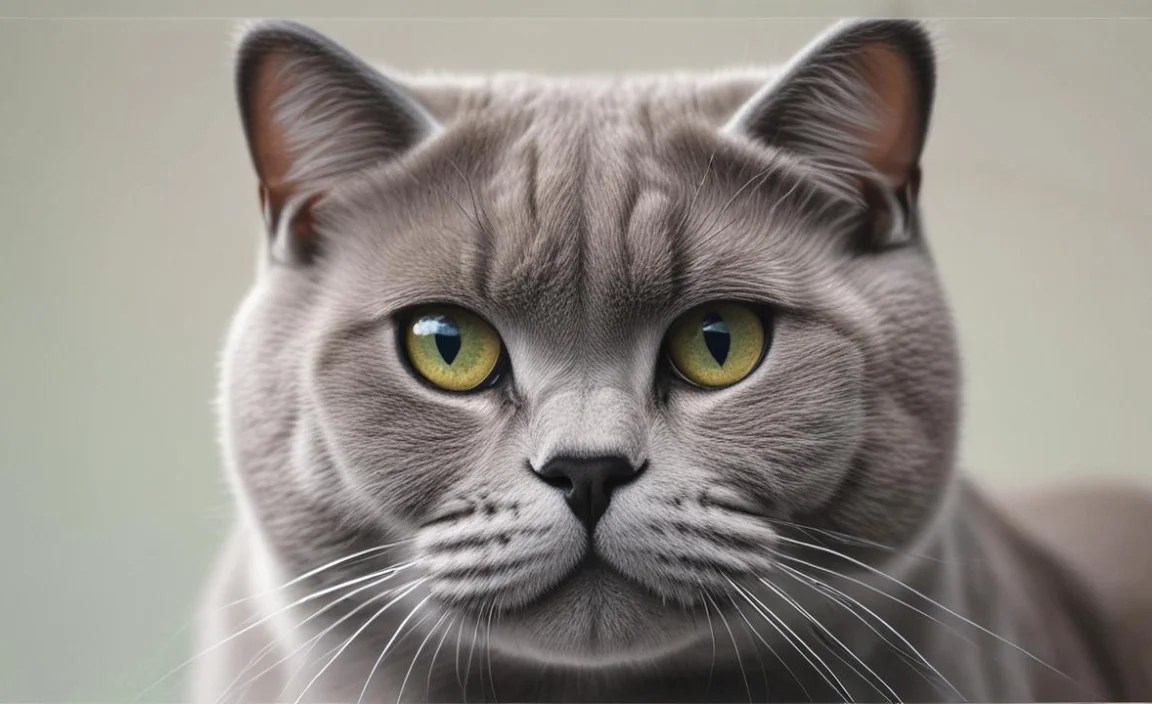
Building a strong bond with your British Shorthair takes time and patience. These cats may be independent, but they still crave affection and companionship.
Tips for Bonding with Your British Shorthair
- Spend Quality Time Together: Even if your cat isn’t a lap cat, spend time in the same room with them. Talk to them, read a book, or simply relax in their presence.
- Play Interactive Games: Use wand toys, laser pointers, or puzzle feeders to engage your cat’s hunting instincts and provide mental stimulation.
- Offer Gentle Petting: Most cats enjoy being petted around the head, chin, and back. Pay attention to your cat’s body language and stop if they seem uncomfortable.
- Provide a Comfortable Environment: Make sure your cat has a comfortable bed, access to fresh water and food, and a clean litter box.
- Respect Their Space: Don’t force your cat to interact with you if they’re not in the mood. Let them come to you on their own terms.
- Use Positive Reinforcement: Reward good behavior with treats, praise, or petting. Avoid punishment, which can damage your relationship with your cat.
Understanding Individual Preferences
Every cat is an individual with unique preferences. Pay attention to what your cat enjoys and cater to their specific needs.
- Observe Their Play Style: Some cats prefer chasing toys, while others enjoy batting them around. Find out what your cat likes best and provide toys that match their play style.
- Learn Their Favorite Petting Spots: Most cats have specific areas where they enjoy being petted. Experiment to find out where your cat likes to be touched.
- Respect Their Boundaries: If your cat doesn’t like being picked up or held, don’t force it. Respect their boundaries and let them express affection in their own way.
- Pay Attention to Their Body Language: Learn to recognize the signs of contentment, stress, and anxiety in your cat. This will help you understand their needs and provide appropriate care.
Addressing Behavioral Issues
While British Shorthairs are generally well-behaved, they can sometimes develop behavioral issues. Understanding the root cause of these issues is essential for finding effective solutions.
Common Behavioral Problems in Cats
- Litter Box Problems: Urinating or defecating outside the litter box can be caused by medical issues, stress, or a dislike of the litter box itself.
- Scratching Furniture: Scratching is a natural behavior for cats, but it can be destructive if they don’t have appropriate outlets.
- Aggression: Aggression can be directed towards people or other animals and can be caused by fear, pain, or territoriality.
- Excessive Meowing: Excessive meowing can be a sign of boredom, attention-seeking, or an underlying medical condition.
- Destructive Behavior: Chewing, knocking things over, or other destructive behaviors can be caused by boredom, anxiety, or lack of stimulation.
Seeking Professional Help
If you’re struggling to address behavioral issues on your own, don’t hesitate to seek professional help. A veterinarian or certified cat behaviorist can help you identify the underlying cause of the problem and develop a tailored treatment plan.
Here is a table that lists when to seek professional help:
| Behavior | When to Seek Professional Help |
|---|---|
| Litter Box Issues | If the problem persists after addressing litter box hygiene and potential stressors. |
| Aggression | Any instance of biting, scratching, or hissing directed towards people or other animals. |
| Excessive Meowing | If the meowing is sudden, persistent, or accompanied by other behavioral changes. |
| Destructive Behavior | If the behavior is causing damage to your home or posing a risk to your cat’s safety. |
| Anxiety/Stress | If your cat is showing signs of chronic stress, such as hiding, excessive grooming, or changes in appetite. |
FAQ: Understanding Your British Shorthair
1. Are British Shorthairs affectionate?
Yes, British Shorthairs are generally affectionate, but they show it in their own way. They might enjoy sitting near you or cuddling, but they’re not usually overly demanding of attention.
2. Do British Shorthairs like to be held?
Some British Shorthairs enjoy being held, while others prefer to keep their distance. Pay attention to your cat’s body language and respect their preferences. Never force them to be held if they seem uncomfortable.
3. How do I know if my British Shorthair is happy?
Signs of a happy British Shorthair include purring, slow blinking, relaxed body posture, and a healthy appetite. They may also enjoy playing with toys and spending time with you.
4. Why is my British Shorthair hiding all the time?
Hiding can be a sign of stress, anxiety, or illness. Make sure your cat has a safe and comfortable place to retreat to, and consult your veterinarian to rule out any underlying medical issues.
5. Are British Shorthairs good with children?
Yes, British Shorthairs are generally good with children, especially if they’re raised together from kittenhood. However, it’s important to teach children how to handle cats gently and respectfully.
6. Do British Shorthairs get lonely?
While independent, British Shorthairs can get lonely. Ensure they have enough interaction, playtime, and environmental enrichment, especially if you are away for long periods.
7. How much playtime does a British Shorthair need?
Aim for at least 15-20 minutes of interactive play daily to keep your British Shorthair mentally and physically stimulated.
Conclusion
Understanding your British Shorthair’s personality is a journey of observation, patience, and love. By paying attention to their breed traits, body language, and individual preferences, you can build a strong and rewarding relationship with your feline friend. Remember that every cat is unique, and what works for one may not work for another. So, take the time to get to know your British Shorthair and appreciate their individual quirks and charms. With a little effort, you’ll be well on your way to becoming a true cat whisperer and providing your British Shorthair with a happy and fulfilling life.


