
How British Shorthairs Show Love: 5 Secret Signs

British Shorthairs show love through subtle gestures like slow blinks, gentle headbutts, and following you around. They might not be overly cuddly, but their presence, purrs, and quiet companionship are their way of expressing deep affection and attachment to their favorite humans.
Do you ever wonder if your British Shorthair truly loves you? It’s a common question among cat owners, especially with breeds like the British Shorthair, known for their independent nature. Understanding how these cats express affection can be tricky. They aren’t always as obvious as a dog wagging its tail, but don’t worry! This guide will help you decode your British Shorthair’s unique ways of showing love, ensuring you recognize and appreciate their subtle, yet heartfelt, displays of affection. Together, we’ll explore the secret language of British Shorthairs!
Understanding British Shorthair Affection

British Shorthairs are known for their calm and dignified demeanor. Unlike some breeds that are constantly seeking attention, British Shorthairs often show affection in more subtle ways. Understanding this difference is key to appreciating their unique expressions of love.
Typical British Shorthair Temperament
Before diving into specific behaviors, it’s important to understand the general temperament of British Shorthairs. According to The International Cat Association (TICA), these cats are known for being:
- Calm and laid-back
- Independent
- Affectionate, but not overly demanding
- Playful, but not hyperactive
This breed enjoys human company but also values its personal space. They are often described as being “low-maintenance” cats, which makes them ideal companions for people with busy lifestyles.
Why British Shorthairs Aren’t Always Cuddly
Many people expect cats to be lap cats, always ready for a cuddle. While some British Shorthairs enjoy cuddling, it’s not a universal trait. Several factors influence this:
- Individual Personality: Just like people, cats have unique personalities. Some are naturally more affectionate and cuddly than others.
- Early Socialization: Kittens who are handled frequently from a young age are more likely to be comfortable with physical affection.
- Environment: A stressful or noisy environment can make a cat less likely to seek out cuddles.
It’s important not to force affection on your British Shorthair. Instead, learn to recognize and appreciate their preferred ways of showing love.
Subtle Signs of Affection

British Shorthairs often express their love through subtle behaviors. Here’s how to spot them:
The Slow Blink
The slow blink, often called a “cat kiss,” is one of the most endearing ways a British Shorthair shows affection. When your cat slowly closes and opens its eyes while looking at you, it’s a sign of trust and contentment.
How to Respond: Return the slow blink to show your cat that you feel the same way. This creates a positive interaction and strengthens your bond.
Following You Around
Does your British Shorthair follow you from room to room? This is a sign that they enjoy your company and feel safe around you. They may not always want to be petted, but they like being in your presence.
Why They Do It: Cats are social creatures, and following you is their way of staying connected. They may also be curious about what you’re doing.
Head Bunting and Cheek Rubbing
Head bunting (gently bumping their head against you) and cheek rubbing are ways for your cat to mark you with their scent. This behavior is a sign of ownership and affection.
The Science Behind It: Cats have scent glands on their head and cheeks. When they rub against you, they are transferring their scent, claiming you as part of their family. According to research from Cornell Feline Health Center, scent marking is a crucial aspect of feline communication and social bonding.
Bringing You Gifts
While not all British Shorthairs do this, some may bring you “gifts” like toys, leaves, or even small prey. This behavior stems from their hunting instincts and is a sign that they trust you and want to provide for you.
How to React: Even if the gift isn’t something you want, avoid scolding your cat. Instead, praise them gently to acknowledge their effort.
Vocalizations and Body Language
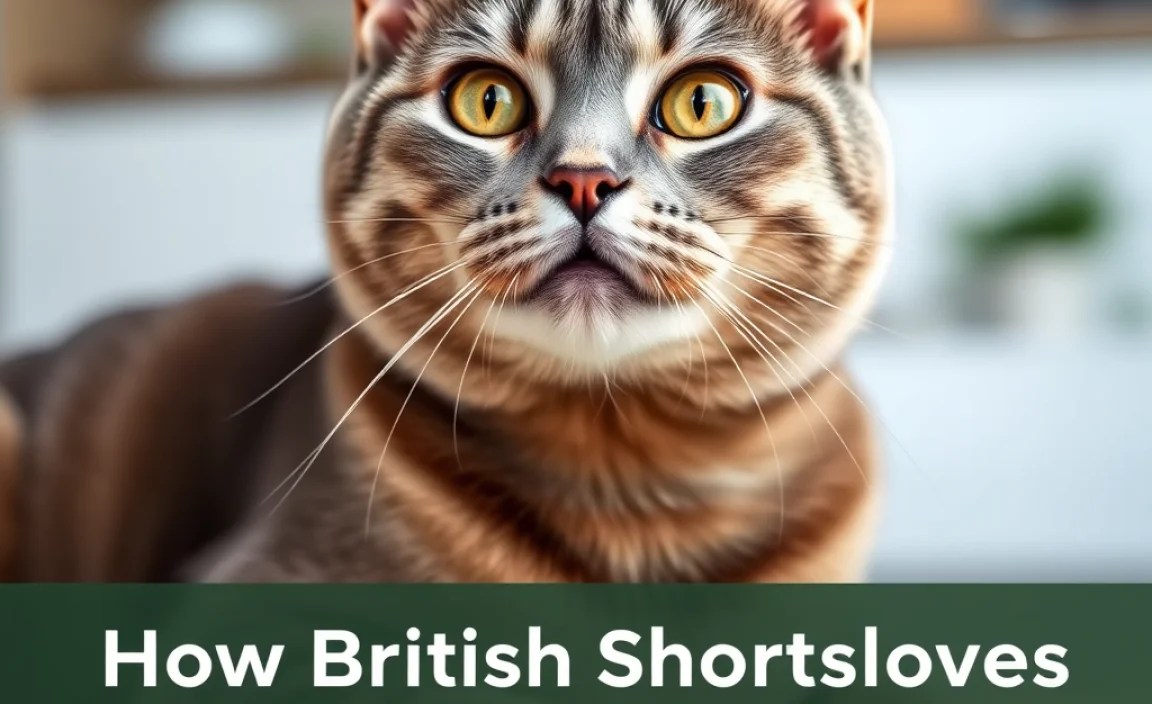
Pay attention to your British Shorthair’s vocalizations and body language to better understand their feelings.
Purring
Purring is often associated with contentment, but it can also indicate that a cat is seeking comfort or trying to soothe itself. Pay attention to the context to understand the meaning behind the purr.
When Purring Indicates Affection: When your cat is relaxed, being petted, or near you, purring is usually a sign of happiness and affection.
Kneading
Kneading, or making biscuits, is a behavior that kittens exhibit when nursing. Adult cats may continue to knead on soft surfaces, including you, as a sign of comfort and contentment.
Why They Knead: This behavior is associated with feelings of security and happiness. Your cat is essentially telling you that they feel safe and loved.
Relaxed Body Posture
A relaxed British Shorthair will often have a loose, floppy posture, with their tail held loosely. They may also stretch out or roll over to expose their belly, which is a sign of vulnerability and trust.
What to Look For: A relaxed cat will appear comfortable and at ease. Their eyes may be half-closed, and their breathing will be slow and steady.
How to Strengthen Your Bond

Building a strong bond with your British Shorthair involves understanding their needs and preferences. Here are some tips:
Respecting Their Space
British Shorthairs value their independence, so it’s important to respect their space. Don’t force them to cuddle if they don’t want to, and always provide them with a safe and quiet place to retreat to.
Creating a Safe Space: Make sure your cat has access to a comfortable bed, a scratching post, and a quiet area where they can relax undisturbed.
Playtime and Interaction
Engage your British Shorthair in regular playtime to keep them mentally and physically stimulated. Interactive toys, such as feather wands or laser pointers, are a great way to bond and provide exercise.
Types of Play: Experiment with different types of toys to see what your cat enjoys the most. Some cats prefer chasing toys, while others prefer batting at them.
Positive Reinforcement
Use positive reinforcement, such as treats and praise, to reward good behavior. This will help your cat associate you with positive experiences and strengthen your bond.
Timing is Key: Reward your cat immediately after they exhibit the desired behavior to create a clear association.
Understanding Their Preferences
Pay attention to your British Shorthair’s body language and vocalizations to understand their preferences. Some cats enjoy being petted on the head, while others prefer scratches under the chin. By learning what your cat likes and dislikes, you can tailor your interactions to make them feel comfortable and loved.
Observe Their Reactions: Watch your cat’s body language when you pet them in different areas. If they lean into your touch and purr, they are enjoying it. If they move away or become tense, they may not like being touched in that area.
Addressing Common Concerns
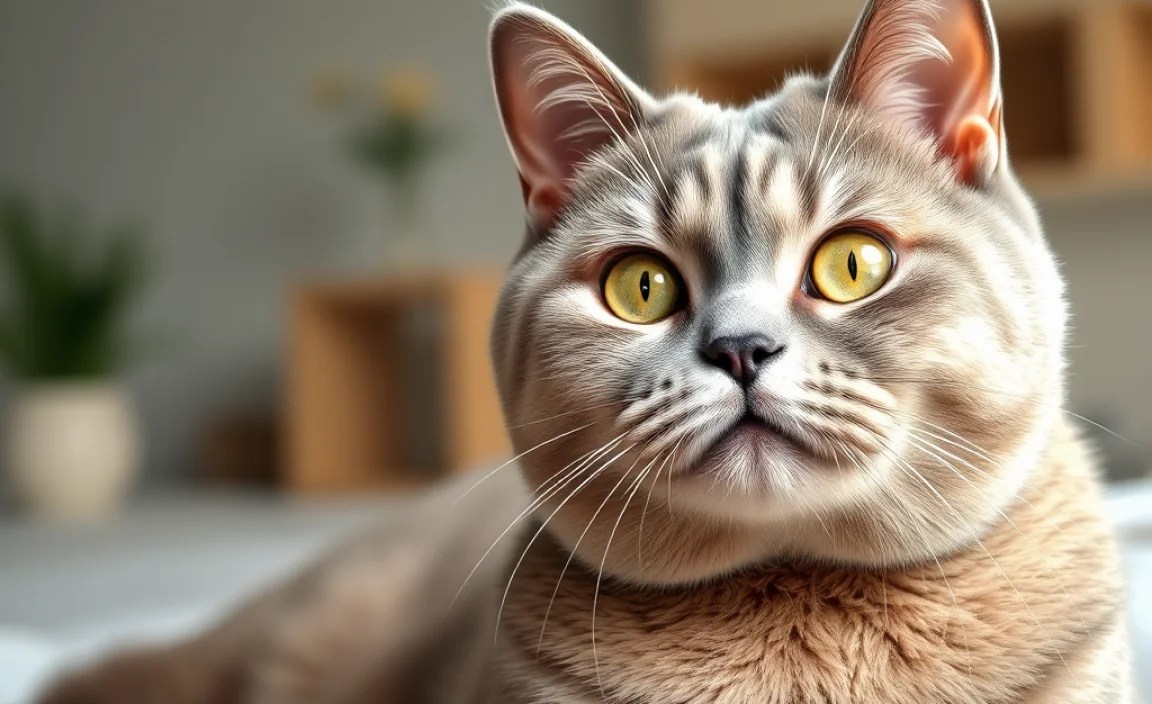
It’s normal to have questions or concerns about your British Shorthair’s behavior. Here are some common issues and how to address them:
My British Shorthair Doesn’t Cuddle
If your British Shorthair doesn’t cuddle, don’t take it personally. As mentioned earlier, not all cats enjoy physical affection. Instead, focus on other ways to bond, such as playing together or simply spending time in the same room.
Alternative Ways to Connect: Try sitting near your cat while you read or watch TV. Your presence can be comforting even if you’re not physically interacting.
Changes in Behavior
If you notice a sudden change in your British Shorthair’s behavior, such as increased aggression or withdrawal, it’s important to consult with a veterinarian. These changes can sometimes indicate an underlying health issue.
When to See a Vet: If your cat stops eating, starts hiding, or shows signs of pain, seek veterinary care immediately.
Dealing with a Distant Cat
If your British Shorthair seems distant or aloof, try to create a more stimulating environment. Provide them with plenty of toys, scratching posts, and opportunities to explore. You can also try using pheromone diffusers, which can help reduce stress and anxiety in cats.
Enrichment Ideas: Consider adding a cat tree, window perch, or puzzle feeder to your cat’s environment.
Recognizing Signs of Stress or Discomfort
Understanding when your British Shorthair is stressed or uncomfortable is crucial for their well-being. Stressed cats may exhibit several behaviors:
- Hiding or withdrawing from social interaction
- Changes in appetite (either increased or decreased)
- Excessive grooming or self-soothing behaviors
- Increased vocalization (meowing or hissing)
- Changes in litter box habits (urinating outside the litter box)
If you observe these signs, try to identify and eliminate the source of stress. Ensure they have a quiet, safe space to retreat to and consider consulting with a vet or a feline behaviorist for guidance.
British Shorthair Behavior Table
| Behavior | Possible Meaning | How to Respond |
|---|---|---|
| Slow Blink | Affection, trust | Return the slow blink |
| Following You | Enjoyment of your company, feeling safe | Allow them to follow you, provide attention |
| Head Bunting | Marking you with their scent, affection | Gently pet them |
| Purring | Contentment, seeking comfort | Continue petting them, provide a calm environment |
| Kneading | Comfort, happiness | Allow them to knead on a soft surface |
| Hiding | Stress, fear, discomfort | Provide a safe space, consult with a vet if persistent |
Bonding Activities Checklist
Here’s a checklist to help you strengthen your bond with your British Shorthair:
- Schedule Playtime: Dedicate at least 15-20 minutes each day to interactive play.
- Respect Their Space: Provide a quiet, safe space for them to retreat to.
- Positive Reinforcement: Use treats and praise to reward good behavior.
- Observe Their Preferences: Pay attention to their body language and adjust your interactions accordingly.
- Grooming Sessions: Regular grooming can be a bonding experience (more details below).
- Quiet Time Together: Simply sit near your cat while you read or watch TV.
Grooming as a Bonding Experience
British Shorthairs have thick, plush coats that require regular grooming. Grooming isn’t just about keeping their coat healthy; it’s also a great way to bond with your cat.
Brushing Techniques
Use a soft-bristled brush or a grooming glove to gently brush your British Shorthair’s coat. Start with short, gentle strokes, and gradually increase the pressure as your cat becomes more comfortable. Focus on areas where they enjoy being petted, such as their head and back.
Frequency: Aim to brush your British Shorthair at least once a week to prevent matting and hairballs.
Handling and Desensitization
If your cat is resistant to grooming, start slowly and gradually introduce them to the brush. Let them sniff and investigate the brush before you start grooming. Reward them with treats and praise for staying calm and allowing you to brush them.
Start Young: The earlier you start grooming your cat, the more likely they are to accept it as a regular part of their routine.
FAQ: Understanding Your British Shorthair
Do British Shorthairs get attached to their owners?
Yes, British Shorthairs do form strong attachments to their owners. While they might not be as overtly affectionate as some other breeds, they show their love through subtle gestures like following you around, slow blinks, and gentle headbutts.
How do I know if my British Shorthair loves me?
Look for signs like purring when you pet them, rubbing against your legs, and choosing to spend time near you. A relaxed posture and slow blinks are also indicators of affection and trust.
Are British Shorthairs lap cats?
Not all British Shorthairs are lap cats. Some enjoy cuddling, while others prefer to be near you without direct physical contact. Respect their individual preferences and don’t force them to cuddle if they don’t want to.
Why does my British Shorthair follow me everywhere?
Following you around is a sign that your British Shorthair enjoys your company and feels safe around you. They may also be curious about what you’re doing and want to be involved.
How can I make my British Shorthair more affectionate?
Focus on building a strong bond through positive reinforcement, playtime, and respecting their space. Provide them with a stimulating environment and plenty of opportunities to interact with you on their own terms.
What does it mean when my British Shorthair kneads on me?
Kneading, or making biscuits, is a sign of comfort and happiness. It’s a behavior that kittens exhibit when nursing, and adult cats may continue to knead as a way to self-soothe and show affection.
Is it normal for my British Shorthair to hide sometimes?
Yes, it’s normal for cats to hide, especially when they feel stressed or overwhelmed. Make sure your British Shorthair has a safe and quiet place to retreat to, and try to identify and eliminate any sources of stress in their environment.
Conclusion
Understanding how British Shorthairs show love and attachment requires patience and observation. While they may not be the most outwardly affectionate breed, their subtle gestures, such as slow blinks, gentle headbutts, and simply being near you, are signs of deep affection and trust. By respecting their independence, providing a stimulating environment, and paying attention to their individual preferences, you can build a strong and rewarding bond with your British Shorthair. Remember, every cat is unique, and the most important thing is to appreciate their individual quirks and expressions of love. Now you’re well-equipped to understand and cherish the unique ways your British Shorthair shows their love for you!


