
British Shorthair Attachment: A Secret Love?

British Shorthairs often form deep bonds with their owners, showing affection through purring, following you around, and enjoying cuddles. While they aren’t typically as demanding as some breeds, they appreciate companionship and can become very attached to their families, displaying loyalty and a calm, loving presence.
Is your British Shorthair always nearby, greeting you at the door, or snuggling up on the sofa? It’s a heartwarming sign that your feline friend is attached to you! Many British Shorthair owners wonder about the level of affection these cats show. While they have a reputation for being independent, they do form strong bonds with their humans.
Understanding how British Shorthairs express their attachment will help you strengthen your relationship and provide the best possible care for your furry companion. In this guide, we’ll explore the signs of attachment, factors influencing their bond, and ways to nurture a loving connection with your British Shorthair. Get ready to decode your cat’s affection and deepen your bond!
Understanding British Shorthair Affection

British Shorthairs are known for their calm and gentle nature, but how does this translate into affection towards their owners? Let’s explore the unique ways they show their love and attachment.
Subtle Signs of Affection
British Shorthairs often express affection in subtle ways. Here are some common signs to look for:
- Following you around: A British Shorthair who enjoys your company may shadow you from room to room.
- Slow blinking: This “cat kiss” indicates trust and comfort.
- Head bunting: Rubbing their head against you is a sign of marking you as part of their family.
- Purring: A classic sign of contentment and affection.
- Sleeping near you: Choosing to nap close by shows they feel safe and secure in your presence.
Comparing Affection Levels to Other Breeds
While British Shorthairs are affectionate, they might not be as overtly demanding as some breeds like Siamese or Burmese cats. They tend to be more independent and less clingy. However, this doesn’t mean they love you any less! Their affection is often quieter and more dignified.
Here’s a quick comparison:
| Breed | Affection Level | Typical Behavior |
|---|---|---|
| British Shorthair | Moderate | Enjoys being near owners, subtle displays of affection |
| Siamese | High | Very vocal, seeks attention, follows owners closely |
| Persian | Moderate | Affectionate but less active, enjoys gentle petting |
| Maine Coon | High | Friendly and sociable, often called “gentle giants” |
Factors Influencing Attachment

Several factors can influence how strongly a British Shorthair bonds with their owner. Understanding these can help you create a loving environment that fosters a deep connection.
Early Socialization
Early socialization is crucial for developing a well-adjusted and affectionate cat. Kittens who are handled and exposed to various people, environments, and experiences are more likely to form strong bonds later in life. According to the RSPCA, proper socialization during kittenhood can prevent behavioral issues and promote a confident, friendly cat.
Individual Personality
Just like people, each cat has a unique personality. Some British Shorthairs are naturally more affectionate and outgoing, while others are more reserved. It’s important to respect your cat’s individual temperament and allow them to express affection in their own way. Trying to force affection can be counterproductive and may create stress for your cat.
Environment and Upbringing
A safe, comfortable, and stimulating environment can significantly impact a cat’s attachment to its owners. Cats who feel secure and loved are more likely to form strong bonds. Providing plenty of toys, scratching posts, and comfortable resting places can help create a positive environment. Positive reinforcement, such as treats and praise, can also strengthen your bond.
Building a Strong Bond with Your British Shorthair

Building a strong bond with your British Shorthair requires patience, understanding, and consistent effort. Here are some practical tips to help you nurture a loving relationship.
Creating Positive Interactions
Positive interactions are key to building trust and affection. Here’s how to create them:
- Playtime: Engage your cat in interactive play sessions with toys like feather wands or laser pointers. This provides exercise and strengthens your bond.
- Grooming: Regular grooming sessions are not only essential for maintaining their coat but also provide an opportunity for bonding. Most British Shorthairs enjoy being brushed gently.
- Treats and praise: Reward your cat with treats and verbal praise when they exhibit desired behaviors. This reinforces positive associations with you.
Understanding Their Body Language
Learning to interpret your cat’s body language is essential for understanding their needs and emotions. Here are some key signals:
- Relaxed posture: A relaxed cat will have a loose posture, with their tail held loosely and their eyes half-closed.
- Ears forward: Indicates alertness and interest.
- Tail twitching: Can indicate excitement or irritation, depending on the context.
- Hissing or swatting: Signals fear or aggression. It’s important to give your cat space if they display these behaviors.
Respecting Their Independence
British Shorthairs are known for their independent nature. It’s important to respect their need for space and avoid being overly clingy. Allow them to initiate interactions and avoid forcing affection. This will help them feel more secure and trusting in your presence. Providing them with their own space, such as a cozy bed or a high perch, can also help them feel more comfortable and in control.
Addressing Attachment Issues
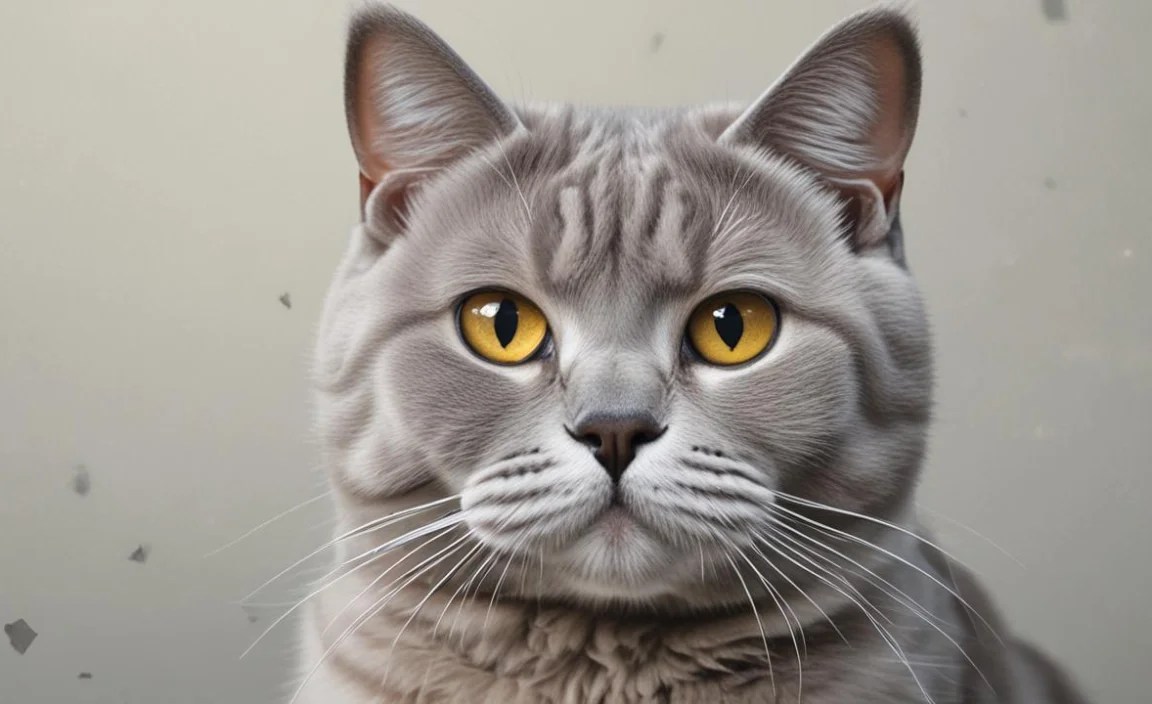
While British Shorthairs are generally well-adjusted, some may experience attachment issues such as separation anxiety. Recognizing and addressing these issues is crucial for their well-being.
Recognizing Signs of Separation Anxiety
Separation anxiety can manifest in various ways. Common signs include:
- Excessive vocalization: Meowing or crying excessively when you’re away.
- Destructive behavior: Scratching furniture, chewing, or urinating outside the litter box.
- Restlessness: Pacing or displaying agitated behavior.
- Loss of appetite: Refusing to eat when you’re not home.
Strategies for Managing Anxiety
If your British Shorthair exhibits signs of separation anxiety, here are some strategies to help manage their anxiety:
- Provide environmental enrichment: Leave out plenty of toys, scratching posts, and puzzle feeders to keep them entertained while you’re away.
- Create a safe space: Ensure they have a comfortable and secure place to retreat to when they feel anxious.
- Gradual desensitization: Practice leaving for short periods and gradually increase the duration to help them adjust to your absence.
- Consider pheromone therapy: Feliway diffusers or sprays can help create a calming environment.
- Consult with a veterinarian or behaviorist: If the anxiety is severe, seek professional help to develop a tailored treatment plan.
When to Seek Professional Help
If your cat’s anxiety is severe or doesn’t improve with the above strategies, it’s essential to seek professional help. A veterinarian or certified feline behaviorist can assess the situation and recommend appropriate interventions, such as medication or behavior modification techniques. Ignoring severe anxiety can lead to chronic stress and health problems for your cat. The The International Cat Association (TICA) recommends consulting with a qualified professional for persistent behavioral issues.
The British Shorthair’s Unique Personality Traits

Understanding the breed-specific traits of British Shorthairs can further enhance your bond and relationship. Known for their dignified and gentle nature, these cats possess qualities that make them wonderful companions.
Calm and Gentle Demeanor
One of the most endearing qualities of British Shorthairs is their calm and gentle demeanor. They are not typically hyperactive or demanding, which makes them excellent companions for those seeking a more relaxed feline friend. Their laid-back nature often translates into a peaceful household environment, where they can be found lounging contentedly or observing their surroundings with quiet curiosity.
Independent Yet Affectionate
British Shorthairs strike a unique balance between independence and affection. While they enjoy spending time with their owners and can form strong bonds, they also appreciate their own space and are not overly clingy. This independence means they are often content to entertain themselves, making them a good fit for individuals or families who may not be able to provide constant attention.
Despite their independence, they still exhibit affection in their own ways. A gentle head-butt, a slow blink, or simply choosing to sit near you are all signs of their fondness. Understanding and respecting their need for independence can strengthen your bond, as they will feel more comfortable and secure in your presence.
Playful But Not Overly Active
While not as intensely playful as some other breeds, British Shorthairs do enjoy playtime. They appreciate interactive games that engage their minds and bodies, such as chasing a feather wand, batting at a toy mouse, or exploring a cat tunnel. Providing them with a variety of toys and rotating them regularly can help keep them stimulated and prevent boredom.
Their playfulness is often more measured and less frantic than that of more active breeds. They are just as happy to engage in a short burst of play as they are to settle down for a nap. This moderate activity level makes them well-suited for indoor living and adaptable to different household environments.
Practical Tips for British Shorthair Care
Proper care is essential for ensuring your British Shorthair’s health, happiness, and well-being. By providing them with the right nutrition, grooming, and healthcare, you can support their overall quality of life and strengthen your bond.
Nutrition and Diet
A balanced and nutritious diet is fundamental to your British Shorthair’s health. Choose a high-quality cat food that is specifically formulated for their age and activity level. Look for foods that contain real meat as the primary ingredient and avoid those with excessive fillers or artificial additives.
Portion control is also important to prevent obesity, which is a common concern in this breed. Follow the feeding guidelines on the food packaging and adjust the amount based on your cat’s individual needs. Providing fresh water at all times is crucial for hydration and urinary health. According to the Purina, a mix of wet and dry food can be beneficial, as wet food helps increase water intake.
Grooming Needs
British Shorthairs have a dense, plush coat that requires regular grooming to prevent matting and reduce shedding. Aim to brush them at least a few times a week using a slicker brush or a grooming mitt. During shedding season, which typically occurs in the spring and fall, daily brushing may be necessary.
In addition to brushing, regular nail trimming is important to prevent overgrowth and potential injuries. You can trim their nails yourself using cat nail clippers or have it done by a veterinarian or groomer. Dental care is also essential for maintaining their oral health. Regular teeth brushing and dental check-ups can help prevent dental disease.
Health and Wellness
Regular veterinary check-ups are crucial for monitoring your British Shorthair’s health and detecting any potential issues early on. Vaccinations and parasite control are essential for protecting them from common feline diseases. Discuss with your veterinarian the appropriate vaccination schedule and parasite prevention plan for your cat.
British Shorthairs are prone to certain health conditions, such as hypertrophic cardiomyopathy (HCM) and polycystic kidney disease (PKD). Genetic testing can help identify cats at risk for these conditions. Maintaining a healthy weight and providing a stimulating environment can also help prevent health problems. The Cornell Feline Health Center offers valuable resources on feline health and wellness.
FAQ About British Shorthair Attachment
Here are some frequently asked questions about British Shorthair attachment to owners:
- Are British Shorthairs affectionate cats?
- Yes, British Shorthairs are affectionate but in a more subtle way compared to some other breeds. They show affection through purring, following you around, and enjoying gentle cuddles.
- Do British Shorthairs get lonely?
- While they are independent, British Shorthairs can get lonely if left alone for extended periods. Providing them with toys, scratching posts, and interactive play can help alleviate loneliness.
- How do I know if my British Shorthair loves me?
- Signs of affection include slow blinking, head bunting, purring, sleeping near you, and following you around the house.
- Are British Shorthairs clingy cats?
- No, British Shorthairs are not typically clingy cats. They enjoy their independence but also appreciate companionship.
- Can British Shorthairs develop separation anxiety?
- Yes, some British Shorthairs can develop separation anxiety. Signs include excessive vocalization, destructive behavior, and restlessness when left alone.
- How can I strengthen my bond with my British Shorthair?
- You can strengthen your bond by engaging in interactive play, providing regular grooming, offering treats and praise, and respecting their independence.
- Do British Shorthairs like to be held?
- Some British Shorthairs enjoy being held, while others prefer to keep their paws on the ground. It depends on the individual cat’s personality. Always respect their preferences and avoid forcing them to be held if they don’t like it.
Conclusion
Understanding the unique ways British Shorthairs express their affection can significantly enhance your relationship with your feline companion. While they may not be as overtly demonstrative as some breeds, their subtle signs of love and loyalty are just as meaningful. By creating a positive environment, respecting their independence, and addressing any potential attachment issues, you can foster a deep and lasting bond with your British Shorthair. Remember, patience and understanding are key to building a loving connection that will bring joy to both you and your furry friend for years to come.


