
How British Shorthairs Show Love: The Secret Signs

British Shorthairs show love through subtle yet affectionate behaviors like slow blinks, gentle headbutts, and following you around. They might purr contentedly while you pet them or knead on your lap. While not overly demanding, they enjoy being near their favorite humans and appreciate quiet companionship.
Wondering if your British Shorthair truly loves you? It’s a common question! These cats are known for their calm and independent nature, which can sometimes make their displays of affection seem subtle. Unlike more vocal breeds, British Shorthairs often show their love in quiet, gentle ways. It’s easy to miss these signs if you don’t know what to look for.
But don’t worry! I’m Frances O’Brien, and after years of living with and studying British Shorthairs, I’m here to help you understand how these wonderful cats express their affection. This guide will walk you through the common ways your British Shorthair shows love, helping you build an even stronger bond with your furry friend.
Understanding British Shorthair Affection

British Shorthairs have a unique way of showing they care. They aren’t usually lap cats in the traditional sense, but they have their own special ways of expressing love and attachment.
The Subtle Art of Feline Affection
Cats, in general, aren’t always as outwardly affectionate as dogs. They’re more subtle, and British Shorthairs even more so. To truly understand their affection, you need to learn their language. It’s a language of small gestures and quiet presence.
Here’s a deeper look into how they communicate their affection:
- Slow Blinking: This is often referred to as a “cat kiss.” It’s a sign that your cat feels comfortable and safe around you.
- Head Bunting: When your British Shorthair gently headbutts you, they’re marking you with their scent and showing affection.
- Following You: A British Shorthair who likes to be in the same room as you is showing that they enjoy your company.
Why British Shorthairs Are Different
British Shorthairs are known for their independent nature. They’re not usually clingy cats, but they do form strong bonds with their owners. Their affection is often expressed through quiet companionship rather than constant demands for attention.
Consider these points about their unique personality:
- Independent Streak: They enjoy their own space and time.
- Gentle Companions: They prefer to be near you rather than constantly on your lap.
- Loyal Hearts: They form deep, lasting bonds with their families.
Decoding the Signs of Love

Now, let’s dive into the specific behaviors that indicate your British Shorthair loves you. Each of these actions, while subtle, speaks volumes about their feelings for you.
Physical Affection
While they may not be overly cuddly, British Shorthairs do show physical affection in their own way.
- Head Bunting and Cheek Rubbing: This is a way of marking you as their own, transferring their scent and showing trust.
- Kneading: This behavior, which they carry over from kittenhood, indicates comfort and contentment.
- Sleeping Near You: Choosing to sleep near you, even if not directly on you, shows they feel safe and secure in your presence.
Behavioral Indicators
Beyond physical touch, their behavior can also tell you a lot about how they feel.
- Following You Around: If your British Shorthair consistently follows you from room to room, it means they enjoy your company and feel secure when you’re nearby.
- Greeting You at the Door: This shows they’re happy to see you and consider you an important part of their life.
- Bringing You “Gifts”: While these “gifts” might be dead mice or insects, they’re actually a sign of affection. Your cat is sharing their bounty with you.
Vocal Cues
British Shorthairs aren’t as vocal as some other breeds, but they do use vocalizations to communicate.
- Purring: This is a classic sign of contentment and happiness.
- Soft Meows: Gentle meows can be a way of greeting you or asking for attention.
- Chirping: This bird-like sound is often used when they’re excited or curious about something.
The Importance of Observation

To truly understand your British Shorthair’s affection, you need to observe their behavior closely. Pay attention to the context in which these behaviors occur. For example, a slow blink accompanied by a purr is a stronger sign of affection than a slow blink on its own.
Here are some tips for observing your cat’s behavior:
- Watch Their Body Language: Pay attention to their posture, tail movements, and ear position.
- Listen to Their Vocalizations: Learn to distinguish between different types of meows and purrs.
- Consider the Context: Think about what’s happening around them when they display certain behaviors.
Creating a Loving Environment
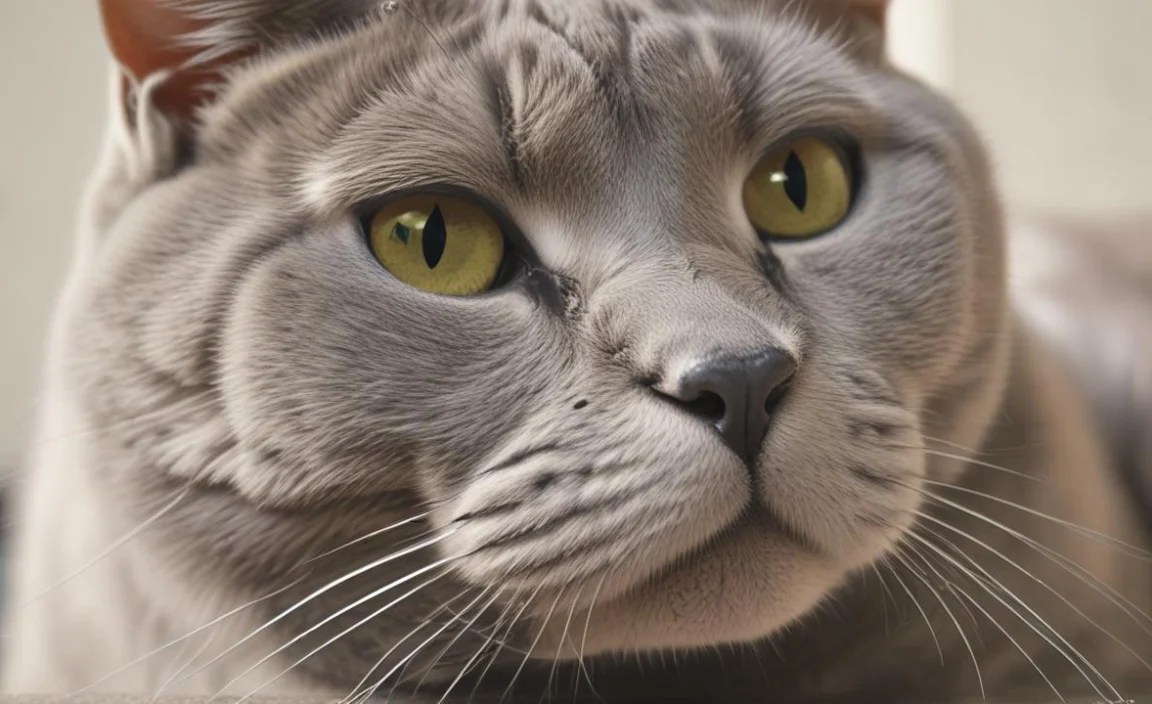
You can encourage your British Shorthair to show affection by creating a loving and supportive environment. This means providing them with everything they need to feel safe, comfortable, and happy.
Meeting Their Basic Needs
A well-cared-for cat is more likely to be affectionate. Make sure you’re meeting their basic needs, such as:
- High-Quality Food: A balanced diet is essential for their overall health and well-being. Talk to your vet about the best food for your British Shorthair.
- Fresh Water: Always provide them with fresh, clean water.
- Clean Litter Box: A clean litter box is essential for their hygiene and comfort.
Providing Enrichment
British Shorthairs need mental and physical stimulation to stay happy and healthy.
- Toys: Provide them with a variety of toys to keep them entertained. Puzzle toys are a great way to challenge their minds.
- Scratching Posts: Scratching is a natural behavior for cats, so provide them with plenty of scratching posts.
- Climbing Structures: Cats love to climb, so consider providing them with a cat tree or other climbing structure.
Respecting Their Boundaries
It’s important to respect your British Shorthair’s boundaries. They’re not always in the mood for cuddling, and that’s okay. Don’t force them to interact with you if they’re not interested.
Here are some tips for respecting their boundaries:
- Watch Their Body Language: If they’re pulling away or showing signs of stress, give them space.
- Don’t Force Cuddles: Let them come to you for affection.
- Provide Safe Spaces: Make sure they have a quiet place where they can retreat when they need to be alone.
The Joy of British Shorthair Companionship

While British Shorthairs may not be the most outwardly affectionate cats, their quiet companionship is a treasure. Their presence can bring a sense of calm and peace to your home.
The Benefits of Their Calm Demeanor
Their calm and gentle nature makes them wonderful companions for people of all ages.
- Stress Relief: Their presence can be incredibly soothing and help reduce stress.
- Quiet Companionship: They’re happy to simply be in the same room as you, providing a sense of connection without being demanding.
- Easy to Care For: Their independent nature makes them relatively low-maintenance pets.
Building a Strong Bond
By understanding their unique way of showing affection and respecting their boundaries, you can build a strong and lasting bond with your British Shorthair.
Here are some ways to strengthen your bond:
- Spend Quality Time Together: Even if it’s just sitting in the same room, spending time together strengthens your connection.
- Play with Them: Engage them in play sessions to provide mental and physical stimulation.
- Talk to Them: Talk to your cat in a gentle and soothing voice. They may not understand the words, but they’ll appreciate the tone.
Recognizing When Something Is Wrong
It’s important to be aware of any changes in your British Shorthair’s behavior, as this could indicate a health problem.
Changes in Affection Levels
If your cat suddenly becomes more or less affectionate, it’s worth investigating.
- Increased Affection: This could be a sign of anxiety or stress.
- Decreased Affection: This could be a sign of pain or illness.
Other Warning Signs
Other signs that your cat may be unwell include:
- Changes in Appetite: Eating more or less than usual.
- Changes in Litter Box Habits: Urinating or defecating outside the litter box.
- Lethargy: Sleeping more than usual or seeming less energetic.
If you notice any of these signs, it’s important to consult with your veterinarian. Early detection and treatment can make a big difference in your cat’s health and well-being. For more information on cat health, you can visit the Cornell Feline Health Center.
British Shorthair Affection: A Summary
To summarize, British Shorthairs show affection through subtle cues. Look for slow blinks, headbutts, following you, purring, and kneading. Provide a loving environment with proper care, enrichment, and respect for their boundaries. Observe their behavior to understand their unique way of expressing love. If you notice any changes in affection levels or other warning signs, consult with your veterinarian.
| Affection Sign | Description | Interpretation |
|---|---|---|
| Slow Blinks | Slowly closing and opening their eyes. | “I trust you,” “I’m comfortable.” |
| Head Bunting | Gently rubbing their head against you. | Marking you with their scent, showing affection. |
| Following You | Staying close to you around the house. | Enjoying your company, feeling secure near you. |
| Purring | A soft, rumbling sound. | Contentment, happiness. |
| Kneading | Pushing their paws into a soft surface. | Comfort, relaxation, a remnant of kittenhood. |
Frequently Asked Questions
Here are some frequently asked questions about British Shorthair affection:
Are British Shorthairs affectionate cats?
Yes, but they show affection in subtle ways, such as slow blinks, headbutts, and following you around. They aren’t usually lap cats but enjoy being near their favorite people.
How do I know if my British Shorthair loves me?
Look for signs like purring, kneading, slow blinks, and wanting to be in the same room as you. These are all indicators that your cat feels safe and comfortable around you.
Why is my British Shorthair not cuddly?
British Shorthairs are known for their independent nature. They may not be as cuddly as some other breeds, but they still form strong bonds with their owners.
How can I make my British Shorthair more affectionate?
Provide a loving environment with proper care, enrichment, and respect for their boundaries. Spend quality time together, play with them, and talk to them in a gentle voice.
What does it mean when my British Shorthair brings me “gifts”?
Bringing you “gifts” like dead mice or insects is a sign of affection. Your cat is sharing their bounty with you, showing that they care for you.
Is it normal for British Shorthairs to be independent?
Yes, it is perfectly normal. British Shorthairs are known for their independent nature and ability to entertain themselves.
Do British Shorthairs get lonely?
While independent, they still enjoy companionship. Providing toys, scratching posts, and spending quality time with them can prevent loneliness.
Conclusion
Understanding how British Shorthairs show love is all about recognizing their subtle cues and appreciating their unique personalities. They may not be as outwardly affectionate as some other breeds, but their quiet companionship, gentle gestures, and unwavering loyalty make them wonderful pets. By providing a loving and supportive environment, respecting their boundaries, and observing their behavior, you can build a strong and lasting bond with your British Shorthair, enjoying the many joys of feline companionship for years to come. Remember, the love of a British Shorthair is a quiet, steady flame—a comforting presence that enriches your life in countless ways.


