
British Shorthair Vocalization During Play: Decoding

Quick Summary: British Shorthairs aren’t known for being overly vocal, but some meows and chirps during playtime are perfectly normal! It’s usually a sign your kitty is having fun, excited, or trying to “hunt” their toy. However, excessive or unusual vocalization could signal stress, pain, or a need for more attention. Observing your cat’s body language and play habits will help you understand what they’re trying to say.
Is your British Shorthair suddenly chatty during playtime? While these adorable fluffballs are generally quiet cats, a little vocalization during a good chase or pounce is nothing to worry about. It’s often just a sign they’re enjoying themselves! But, it can be confusing or even concerning when your usually silent companion starts making more noise.
Understanding why your British Shorthair vocalizes during play can help you better connect with your feline friend and ensure they’re happy and healthy. We’ll explore the common reasons behind these playful sounds and teach you when a meow is just a meow, and when it might be something more. Let’s dive in and decode those kitty conversations!
Understanding British Shorthair Vocalizations

British Shorthairs are known for their calm and independent nature. Unlike some breeds that are naturally talkative, British Shorthairs tend to be more reserved with their voices. This makes any vocalization, especially during play, stand out. Let’s explore why they might decide to speak up during playtime.
Why Do British Shorthairs Vocalize During Play?
There are several reasons why your British Shorthair might vocalize while playing:
- Excitement and Enthusiasm: Just like us, cats can get excited! A playful meow or chirp can simply mean your cat is having a blast.
- Hunting Instincts: Playtime often mimics hunting. Those little meows and chirps might be your cat practicing their hunting calls. Think of it as them “talking” to their prey (the toy!).
- Attention Seeking: Sometimes, your cat might vocalize to get you more involved in the game. They might want you to move the toy faster or in a more exciting way.
- Frustration: If your cat can’t quite catch the toy, they might let out a frustrated meow. This is especially common if the toy is just out of reach.
- Communication: Cats use vocalizations to communicate with us. During play, they might be telling you they’re having fun, want you to continue, or need a break.
Common Vocalizations During Play
Here are some common sounds you might hear from your British Shorthair during playtime:
- Meows: A general-purpose sound that can indicate excitement, a request for attention, or even frustration.
- Chirps and Trills: These bird-like sounds often indicate excitement and focus, especially when stalking a toy.
- Purrs: While usually associated with contentment, a cat might purr during play if they are particularly enjoying themselves.
- Hissing or Growling: These are less common during play and usually indicate fear, defensiveness, or pain. If you hear these sounds, stop the game immediately and check your cat for any injuries.
Decoding Your Cat’s Playtime Language
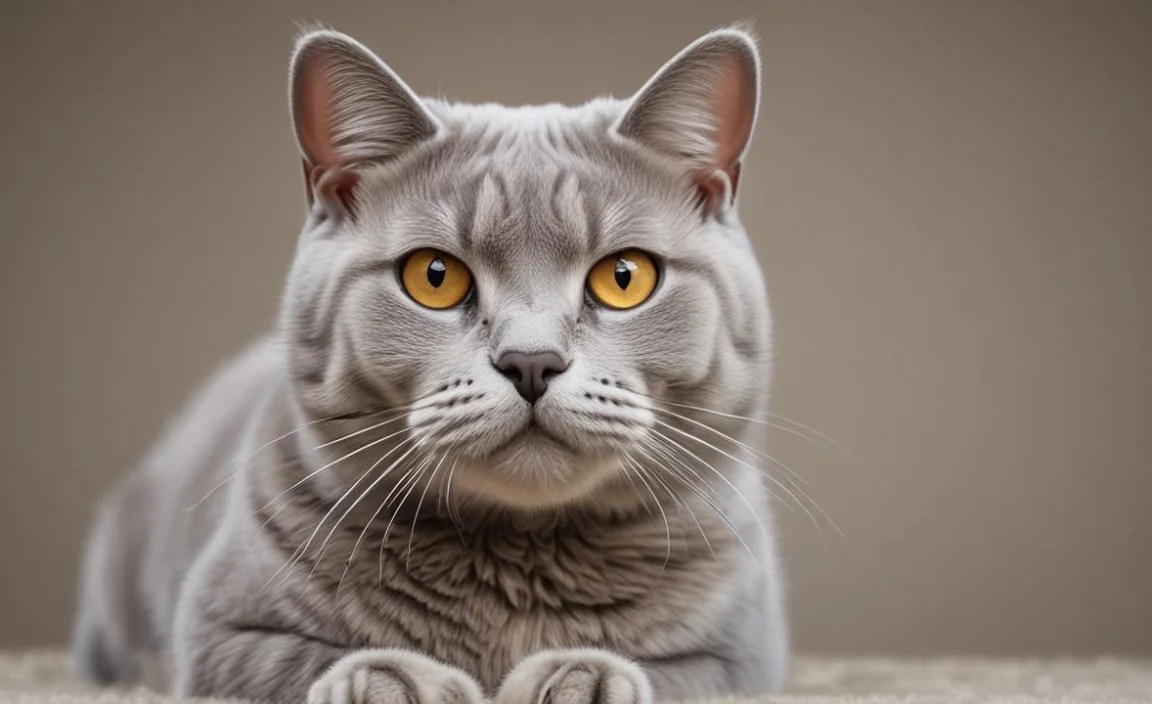
Understanding the context of your cat’s vocalizations is key to deciphering what they’re trying to tell you. Pay attention to their body language and the specific situation to get a clearer picture.
Observe Body Language
Body language is a crucial part of cat communication. Combine what you see with what you hear to understand your British Shorthair’s feelings during play. Here’s what to look for:
- Tail Position: A high, slightly twitching tail usually indicates excitement and happiness. A tucked tail can signal fear or anxiety.
- Ear Position: Ears forward mean your cat is engaged and interested. Ears flattened against their head suggest fear or aggression.
- Eye Size: Dilated pupils can indicate excitement, fear, or even pain. Constricted pupils usually mean your cat is relaxed.
- Posture: A playful cat will often have a relaxed, bouncy posture. A tense or crouched posture can indicate fear or discomfort.
Consider the Context
Think about what’s happening when your cat starts vocalizing. Ask yourself these questions:
- What toy are they playing with? Some toys might trigger more vocalizations than others.
- How long have they been playing? Cats might get more vocal as they get tired or frustrated.
- Are there any other pets or people around? Your cat might be reacting to something else in the environment.
- Have you changed anything in their environment recently? New furniture or a change in routine can cause stress and lead to increased vocalization.
When to Be Concerned
While some vocalization during play is normal, there are times when it might indicate a problem. Consult your veterinarian if you notice any of the following:
- Sudden Increase in Vocalization: If your usually quiet cat suddenly becomes very vocal, it could be a sign of a medical issue.
- Vocalization Accompanied by Other Symptoms: If your cat is also showing signs of pain, such as limping, hiding, or loss of appetite, see a vet immediately.
- Aggressive Vocalization: Hissing, growling, or spitting during play is not normal and could indicate fear, pain, or aggression.
- Excessive Vocalization Outside of Playtime: If your cat is constantly meowing, even when they’re not playing, it could be a sign of anxiety, boredom, or a medical condition.
Creating a Positive Play Environment
A happy and stimulated cat is less likely to develop problem behaviors, including excessive vocalization. Here’s how to create a purr-fect play environment for your British Shorthair.
Choose the Right Toys
Not all toys are created equal! Experiment to find out what your cat loves best. Here are some popular options:
- Wand Toys: These toys mimic the movement of prey and are great for interactive play.
- Puzzle Toys: These toys challenge your cat mentally and physically, keeping them entertained for longer.
- Small Plush Toys: Many cats enjoy batting around and “killing” small plush toys.
- Laser Pointers: While some cats love chasing laser pointers, be careful not to overuse them, as they can lead to frustration if your cat never actually “catches” the prey. Always end laser pointer play with a tangible toy.
Establish a Routine
Cats thrive on routine. Set aside dedicated playtime each day, ideally at the same time. This will help your cat feel secure and know when to expect fun.
Provide Mental Stimulation
British Shorthairs are intelligent cats and need mental stimulation to stay happy. In addition to playtime, consider providing:
- Scratching Posts: Scratching is a natural behavior that helps cats relieve stress and sharpen their claws.
- Climbing Structures: Cats love to climb and observe their surroundings from a high vantage point.
- Window Perches: A window perch allows your cat to watch birds and other wildlife, providing hours of entertainment.
Interactive Play Techniques
Interactive play is key to bonding with your cat and keeping them engaged. Here are some tips:
- Mimic Natural Hunting Behavior: Move the toy in a way that mimics the movement of prey. Let your cat stalk, chase, and pounce.
- Vary the Pace: Sometimes move the toy quickly, and sometimes let it rest. This will keep your cat guessing and engaged.
- End on a High Note: Always let your cat “catch” the toy at the end of the play session. This will give them a sense of accomplishment and prevent frustration.
Addressing Excessive Vocalization
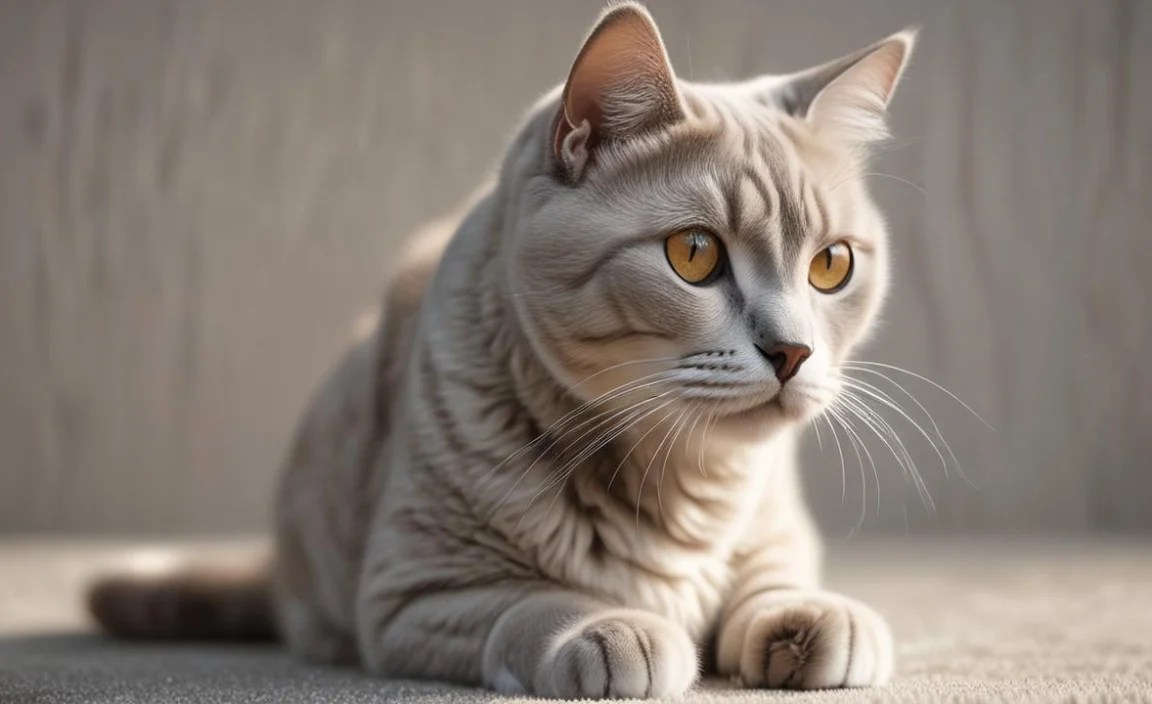
If your British Shorthair is vocalizing excessively during play, it’s important to address the issue. Here are some steps you can take.
Rule Out Medical Issues
The first step is to rule out any underlying medical conditions. Schedule a checkup with your veterinarian to make sure your cat is healthy. According to the Cornell Feline Health Center, many medical issues can cause changes in vocalization, including hyperthyroidism and cognitive dysfunction.
Assess Environmental Factors
Take a look at your cat’s environment and identify any potential stressors. Are there any changes in the home? Are there any new pets or people? Are there any loud noises or other disturbances?
Provide More Attention
Your cat might be vocalizing because they need more attention. Make sure you’re spending enough quality time with them each day, including playtime, grooming, and cuddling.
Consider a Feliway Diffuser
Feliway is a synthetic pheromone that can help reduce stress and anxiety in cats. It comes in a diffuser that you plug into an outlet. Many cat owners find that Feliway helps to calm their cats and reduce unwanted behaviors, including excessive vocalization.
Consult a Professional
If you’ve tried everything and your cat is still vocalizing excessively, consider consulting with a certified cat behaviorist. A behaviorist can help you identify the underlying cause of the problem and develop a customized plan to address it. The International Association of Animal Behavior Consultants (IAABC) is a great resource for finding qualified professionals.
Case Studies: British Shorthairs and Playtime Vocalization

Let’s look at a few real-life examples to illustrate how to understand and address vocalization during play.
Case Study 1: The Frustrated Hunter
The Cat: Winston, a 2-year-old British Shorthair.
The Problem: Winston would meow loudly and incessantly when playing with his feather wand toy, especially when he couldn’t catch it.
The Solution: The owner realized Winston was getting frustrated. They started making the game easier by letting Winston catch the feather more often. They also introduced a new toy that Winston could easily grab and “kill.” The meowing decreased significantly.
Case Study 2: The Bored Kitty
The Cat: Clementine, a 5-year-old British Shorthair.
The Problem: Clementine started meowing excessively during playtime, even with her favorite toys.
The Solution: The owner realized Clementine was bored with her existing toys. They introduced a puzzle toy and started rotating Clementine’s toys to keep things interesting. They also increased the length and frequency of playtime. The meowing subsided.
Case Study 3: The Anxious Senior
The Cat: Oliver, a 12-year-old British Shorthair.
The Problem: Oliver started vocalizing during play, accompanied by other signs of anxiety, such as hiding and loss of appetite.
The Solution: The owner took Oliver to the vet, who diagnosed him with age-related anxiety. The vet prescribed medication to help Oliver relax. The owner also created a more calming environment for Oliver, with plenty of soft beds and quiet spaces. The vocalization decreased, and Oliver seemed much happier.
Quick Tips and Tricks
Here are some quick tips and tricks to keep in mind regarding British Shorthair vocalization during play:
- Record your cat’s vocalizations: This can help you identify patterns and triggers.
- Use positive reinforcement: Reward your cat for quiet play with treats or praise.
- Avoid punishment: Punishing your cat for vocalizing will only make them more anxious and could damage your relationship.
- Be patient: It takes time to understand your cat’s behavior and find solutions that work.
British Shorthair Vocalization During Play: The Complete Guide
To help you better understand your British Shorthair’s vocalizations during playtime, here’s a comprehensive table summarizing the common causes, potential solutions, and when to seek professional help.
| Cause | Vocalization Type | Body Language | Potential Solutions | When to Seek Professional Help |
|---|---|---|---|---|
| Excitement | Meows, chirps, trills | High tail, forward ears, dilated pupils | Continue play, vary the pace | If vocalization becomes excessive |
| Hunting Instincts | Chirps, trills | Focused gaze, stalking posture | Provide opportunities for stalking and pouncing | If hunting behavior becomes aggressive |
| Attention Seeking | Meows | Looking at you, rubbing against your legs | Engage in play, provide more attention | If attention-seeking becomes constant |
| Frustration | Loud meows | Tense posture, flattened ears | Make the game easier, introduce new toys | If frustration leads to aggression |
| Medical Issues | Sudden increase in vocalization, unusual sounds | Hiding, loss of appetite, limping | Schedule a vet appointment | Immediately |
| Anxiety | Excessive meowing, howling | Hiding, trembling, dilated pupils | Identify and eliminate stressors, use Feliway, consult a behaviorist | If anxiety persists |
| Boredom | Repetitive meowing | Lack of interest in toys, sleeping excessively | Provide more enrichment, rotate toys, increase playtime | If boredom leads to destructive behavior |
Frequently Asked Questions (FAQ)
Here are some frequently asked questions about British Shorthair vocalization during play:
- Why is my British Shorthair suddenly more vocal during play?
- A sudden increase in vocalization could be due to excitement, a change in their environment, or even a medical issue. Observe their body language and consult a vet if you’re concerned.
- Is it normal for my British Shorthair to chirp while playing?
- Yes, chirping is a common vocalization during play, especially when they’re stalking a toy. It’s often a sign they’re engaging their hunting instincts.
- How can I tell if my British Shorthair is happy during play?
- A happy cat will have relaxed body language, a high tail, and forward ears. They might purr or make soft meows and chirps.
- What should I do if my British Shorthair seems frustrated during play?
- If your cat seems frustrated, make the game easier by letting them catch the toy more often. You can also try introducing a new toy or taking a break.
- Could my British Shorthair’s vocalization be a sign of pain?
- Yes, it’s possible. If your cat is vocalizing and showing other signs of pain, such as limping, hiding, or loss of appetite, see a vet immediately.
- How much playtime does my British Shorthair need?
- Most British Shorthairs benefit from at least 15-20 minutes of playtime per day, broken into shorter sessions. Adjust based on your cat’s individual needs and energy levels.
- Are some British Shorthairs naturally more vocal than others?
- Yes, just like people, some cats are naturally more talkative than others. However, a sudden change in vocalization should always be investigated.
Conclusion
Understanding your British Shorthair’s vocalizations during play is a wonderful way to deepen your bond and ensure their well-being. While these typically quiet cats might surprise you with a meow or chirp during playtime, it’s usually a sign of excitement or a playful mood. By observing their body language, considering the context, and creating a stimulating environment, you can decipher their kitty language and address any potential concerns. Remember, a little detective work and a lot of love will help you keep your British Shorthair happy, healthy, and purring contentedly through every play session!


