
British Shorthair Behavior During Car Rides: Secret Tips

British Shorthairs can be nervous during car rides. To make it easier, use a secure carrier, introduce it positively, and take short practice trips. Keep the car calm with a familiar scent and soft music. Reward your cat with treats and praise for staying relaxed. If anxiety is severe, consult your vet for advice.
Does your usually calm and collected British Shorthair turn into a ball of fluff and anxiety the moment you bring out the cat carrier? You’re not alone! Many British Shorthair owners find car rides stressful for both themselves and their feline friends. These intelligent and sensitive cats can easily become overwhelmed by the motion, strange noises, and unfamiliar surroundings of a car journey.
But don’t worry! With a little preparation and patience, you can help your British Shorthair learn to tolerate – and maybe even enjoy – car travel. In this guide, we’ll explore the common reasons behind car ride anxiety in British Shorthairs and provide a step-by-step approach to making these journeys smoother for everyone involved. Let’s get started!
Understanding British Shorthair Behavior in Cars

British Shorthairs are known for their laid-back and affectionate personalities, but even the most chilled-out cat can become stressed during car rides. Understanding the reasons behind this anxiety is the first step toward creating a more positive experience.
Common Causes of Car Ride Anxiety
- Motion Sickness: Like humans, cats can experience motion sickness, leading to nausea and discomfort.
- Fear of the Unknown: The unfamiliar sights, sounds, and smells of a car ride can be frightening for cats.
- Confinement: Being confined to a carrier can trigger anxiety, especially if the cat associates the carrier with negative experiences like vet visits.
- Loud Noises: Car noises, such as the engine, traffic, and wind, can be overwhelming for sensitive cats.
- Past Trauma: A previous negative experience during a car ride, such as a sudden stop or an accident, can create lasting anxiety.
Recognizing Signs of Stress in Your British Shorthair
It’s crucial to recognize the signs of stress in your British Shorthair so you can take appropriate action. Here are some common indicators:
- Excessive Vocalization: Meowing, yowling, or hissing.
- Panting: Rapid, shallow breathing.
- Restlessness: Pacing or inability to settle down.
- Drooling: Excessive saliva production.
- Trembling: Shaking or shivering.
- Clawing or Scratching: At the carrier or car interior.
- Hiding: Trying to escape or hide within the carrier.
Step-by-Step Guide to Calmer Car Rides

Now that you understand the potential causes of car ride anxiety and how to recognize the signs of stress, let’s explore a step-by-step approach to making car rides calmer for your British Shorthair.
Step 1: Choosing the Right Carrier
The carrier is your cat’s safe space during the car ride, so selecting the right one is essential. Consider these factors:
- Size: The carrier should be large enough for your cat to stand, turn around, and lie down comfortably.
- Material: Hard-sided carriers provide more protection, while soft-sided carriers can be more comfortable. Choose a well-ventilated carrier with a sturdy base.
- Accessibility: Look for a carrier with both top and front openings for easy access.
- Security: Ensure the carrier is secure and won’t easily open during the ride.
Step 2: Creating a Positive Association with the Carrier
Many cats associate the carrier with negative experiences like vet visits. To change this association, make the carrier a comfortable and inviting space at home.
- Introduce the Carrier Gradually: Leave the carrier in a familiar room with the door open.
- Make it Comfortable: Place a soft blanket, your cat’s favorite toys, and treats inside the carrier.
- Encourage Exploration: Encourage your cat to explore the carrier on their own. Don’t force them inside.
- Positive Reinforcement: Reward your cat with treats and praise when they enter the carrier.
- Feeding Time: Feed your cat meals inside the carrier to create a positive association with food.
Step 3: Acclimatizing Your Cat to the Car
Once your cat is comfortable with the carrier, start acclimatizing them to the car gradually.
- Stationary Car Visits: Place the carrier with your cat inside in the car (while parked) for short periods. Start with just a few minutes and gradually increase the time.
- Engine Exposure: Once your cat is comfortable in the stationary car, start the engine for a few minutes at a time.
- Short Drives: Begin with very short drives around the block. Keep the radio off and speak in a calm, soothing voice.
- Positive Reinforcement: Reward your cat with treats and praise after each car ride.
Step 4: Creating a Calm Car Environment
A calm car environment can significantly reduce your cat’s anxiety during car rides.
- Secure the Carrier: Place the carrier on the floor behind the front seat or secure it with a seatbelt.
- Temperature Control: Ensure the car is at a comfortable temperature. Avoid extreme heat or cold.
- Minimize Noise: Keep the radio off or play soft, calming music.
- Familiar Scents: Place a blanket or toy with your cat’s scent inside the carrier.
- Pheromone Sprays: Consider using a cat-appeasing pheromone spray, such as Feliway, in the car to help calm your cat. According to research published in the Journal of Feline Medicine and Surgery, Feliway can help reduce stress-related behaviors in cats.
Step 5: Safe Driving Practices
Your driving habits can also impact your cat’s anxiety levels. Practice safe and smooth driving techniques.
- Avoid Sudden Movements: Accelerate and brake gradually. Avoid sharp turns and sudden stops.
- Maintain a Consistent Speed: Try to maintain a steady speed to minimize motion sickness.
- Plan Your Route: Choose routes with fewer stops and less traffic.
- Take Breaks: If you’re traveling long distances, take frequent breaks to allow your cat to stretch and use the litter box.
Step 6: Using Calming Aids (If Necessary)
If your cat continues to experience significant anxiety during car rides, consider using calming aids.
- Over-the-Counter Options:
- L-Theanine Supplements: L-Theanine is an amino acid that promotes relaxation without causing drowsiness.
- Herbal Remedies: Some herbal remedies, such as chamomile and valerian root, may have calming effects.
- Prescription Medications: In severe cases of anxiety, your veterinarian may prescribe medication to help calm your cat.
| Calming Aid | Description | Pros | Cons |
|---|---|---|---|
| L-Theanine Supplements | Amino acid promoting relaxation | Non-drowsy, relatively safe | May not be effective for all cats |
| Herbal Remedies (Chamomile, Valerian Root) | Natural calming agents | Generally safe, readily available | Effectiveness varies, potential interactions |
| Feliway Pheromone Spray | Synthetic feline facial pheromone | Mimics natural calming signals, easy to use | May not work for all cats, temporary effect |
| Prescription Medications | Anti-anxiety drugs prescribed by a vet | Effective for severe anxiety | Potential side effects, requires vet consultation |
Important Note: Always consult your veterinarian before using any calming aids to ensure they are safe and appropriate for your British Shorthair.
Addressing Specific Behavioral Issues
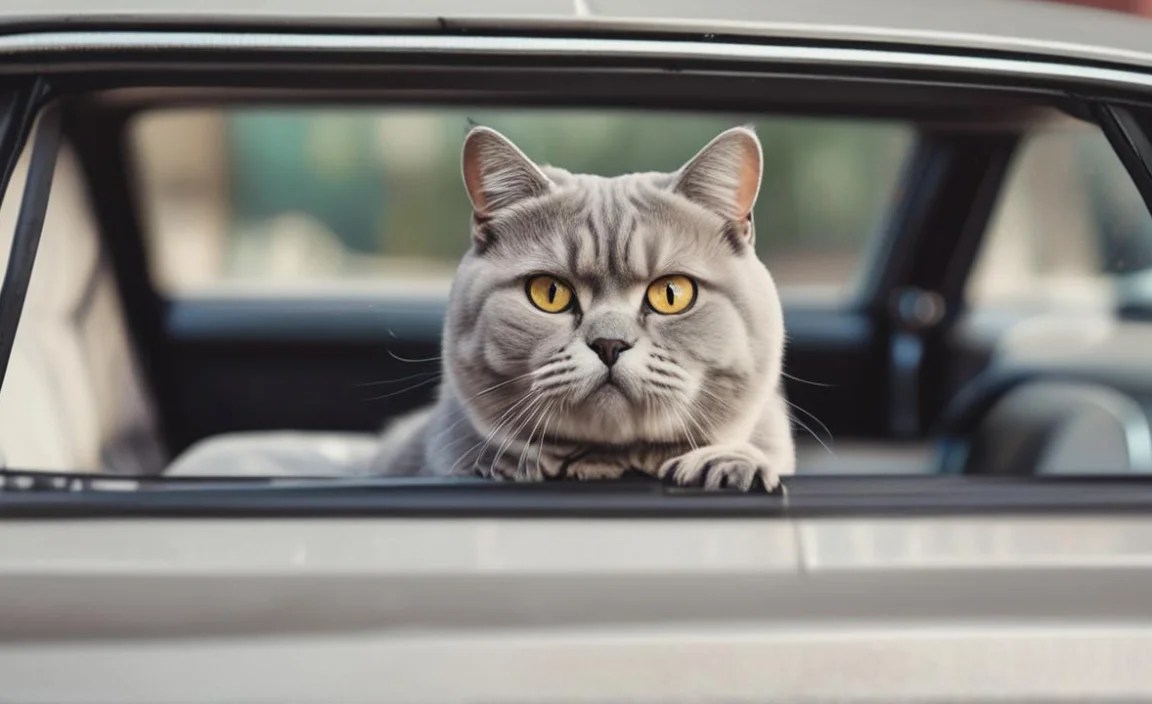
During car rides, some British Shorthairs may exhibit specific behavioral issues that require targeted solutions.
Motion Sickness
If your cat experiences motion sickness, try these tips:
- Avoid Feeding Before Travel: Withhold food for a few hours before the car ride.
- Face the Carrier Forward: Position the carrier so your cat faces forward, allowing them to see where they’re going.
- Fresh Air: Provide good ventilation by opening a window slightly.
- Medication: Your veterinarian may prescribe anti-nausea medication for motion sickness.
Excessive Vocalization
If your cat is excessively vocal, try these strategies:
- Reassurance: Talk to your cat in a calm, soothing voice.
- Distraction: Offer a favorite toy or treat to distract them.
- Cover the Carrier: Covering the carrier with a blanket can help reduce visual stimulation and anxiety.
Aggression
If your cat becomes aggressive during car rides, take extra precautions:
- Use a Sturdy Carrier: Ensure the carrier is strong and secure to prevent escape.
- Wear Gloves: Wear gloves when handling your cat to avoid scratches or bites.
- Seek Professional Help: Consult a veterinarian or certified cat behaviorist for guidance.
Long-Distance Travel Tips

Planning a long-distance trip with your British Shorthair requires extra preparation.
Pre-Trip Preparations
- Veterinary Checkup: Schedule a veterinary checkup to ensure your cat is healthy enough for travel.
- Update Vaccinations: Make sure your cat’s vaccinations are up-to-date.
- Microchip: Ensure your cat is microchipped and the information is current.
- Travel Kit: Prepare a travel kit with food, water, bowls, litter box, litter, medications, and first-aid supplies.
During the Trip
- Frequent Breaks: Take frequent breaks to allow your cat to stretch, use the litter box, and drink water.
- Hydration: Offer water regularly to prevent dehydration.
- Comfort: Provide a comfortable and familiar environment inside the carrier.
- Supervision: Never leave your cat unattended in a parked car, especially in hot weather.
Hotel Stays
- Pet-Friendly Hotels: Choose pet-friendly hotels that welcome cats.
- Secure Room: Ensure the hotel room is secure and cat-proof.
- Familiar Items: Bring familiar items, such as bedding and toys, to help your cat feel more comfortable.
- Litter Box: Set up a litter box in a designated area of the room.
When to Seek Professional Help

In some cases, car ride anxiety may be severe and require professional intervention. Consult your veterinarian or a certified cat behaviorist if:
- Your cat exhibits extreme fear or aggression.
- Your cat experiences severe motion sickness.
- Your cat’s anxiety is not improving with home remedies.
- You are unsure how to safely transport your cat.
A professional can help identify the underlying causes of your cat’s anxiety and develop a tailored treatment plan.
Additional Tips and Tricks
Here are some additional tips and tricks to help make car rides smoother for your British Shorthair:
- Use a Calming Voice: Speak to your cat in a calm, reassuring voice throughout the car ride.
- Offer Treats: Reward your cat with treats for good behavior.
- Positive Reinforcement: Praise your cat for staying calm and relaxed.
- Be Patient: It may take time for your cat to adjust to car travel. Be patient and consistent with your efforts.
British Shorthair Car Ride Behavior: FAQs
Here are some frequently asked questions about British Shorthair behavior during car rides.
Why does my British Shorthair meow so much in the car?
Meowing is a common way for cats to express stress or anxiety. Your British Shorthair may be meowing due to fear, motion sickness, or discomfort. Try to reassure them with a calm voice and familiar scents.
Is it okay to let my British Shorthair out of the carrier during a car ride?
No, it’s not safe to let your British Shorthair out of the carrier while the car is moving. An unrestrained cat can distract the driver and increase the risk of accidents. Additionally, a sudden stop could injure your cat.
How can I tell if my British Shorthair is experiencing motion sickness?
Signs of motion sickness in cats include drooling, vomiting, panting, and restlessness. If you notice these symptoms, consult your veterinarian for advice on how to manage motion sickness.
Can I give my British Shorthair Benadryl for car ride anxiety?
While Benadryl can have a sedative effect on some cats, it’s essential to consult your veterinarian before administering any medication. The dosage and potential side effects can vary depending on your cat’s size and health condition.
How long should I wait to feed my British Shorthair before a car ride?
It’s generally recommended to withhold food for a few hours before a car ride to minimize the risk of motion sickness. However, always provide fresh water to keep your cat hydrated.
What can I do if my British Shorthair refuses to get into the carrier?
If your cat resists entering the carrier, try making it more inviting with soft bedding, toys, and treats. You can also use a pheromone spray like Feliway to help calm your cat. Avoid forcing your cat into the carrier, as this can create negative associations.
Are there any natural remedies for car ride anxiety in British Shorthairs?
Some natural remedies that may help calm anxious cats include L-theanine supplements and herbal remedies like chamomile and valerian root. However, it’s crucial to consult your veterinarian before using any supplements or herbal remedies to ensure they are safe for your cat.
Conclusion
Traveling with a British Shorthair in the car can be challenging, but with patience, preparation, and a little understanding, you can make the experience much smoother for both you and your feline companion. Remember to choose the right carrier, create positive associations, acclimatize your cat to the car gradually, and maintain a calm car environment. By following these steps and addressing any specific behavioral issues, you can help your British Shorthair feel more comfortable and secure during car rides. Safe travels!


