
British Shorthair Outdoor Behavior: Is it Safe?

Do you have a British Shorthair cat? Do you wonder if it can go outside? Some cats love the great outdoors. But is it safe for your British Shorthair? Let’s learn about British Shorthair outdoor behavior. We will find out if they should be indoor or outdoor cats.
Key Takeaways
- Always supervise your British Shorthair when they are outside for safety.
- British Shorthairs are not naturally inclined to explore the outdoors without training.
- Consider the dangers outside before letting your cat roam free.
- Indoor life is generally safer for a British Shorthair cat.
- Understanding British Shorthair outdoor behavior helps keep them safe.
Understanding British Shorthair Outdoor Behavior

British Shorthair outdoor behavior is not always what you expect. These cats are often happy indoors. They are known for being calm and relaxed. They do not always have a strong desire to explore outside. Some cats love to hunt and roam. But British Shorthairs often prefer a cozy spot inside. This does not mean they cannot enjoy the outdoors. It just means they may need some encouragement. You can train them to enjoy short, supervised trips. Always watch them closely. Make sure they are safe from cars and other animals.
- They are usually content indoors.
- Some may enjoy supervised outdoor time.
- Training can help them adjust to being outside.
- Always supervise their outdoor adventures.
- Keep them safe from dangers.
- Consider a cat-proof fence.
Think about your cat’s personality. Is your cat curious and adventurous? Or is your cat more of a homebody? This will help you decide if outdoor time is right. If you do let your cat outside, take precautions. Use a harness and leash. Check your yard for hazards. Make sure your cat has a way to get back inside. Remember, your cat’s safety is the most important thing. Understanding British Shorthair outdoor behavior can help you make the best choice for your furry friend.
Fun Fact or Stat: British Shorthairs can live 12-20 years when kept indoors and safe from outdoor dangers.
Do British Shorthairs Like to Explore?
Do British Shorthairs have a wild side? Some cats love to explore every nook and cranny. But British Shorthairs are often different. They are usually happy with their home comforts. They like a warm bed and a full food bowl. Exploring is not always their top priority. But that does not mean they cannot enjoy a bit of adventure. You can encourage them to explore in a safe way. Try taking them outside on a leash. Let them sniff around and discover new things. Just make sure you are always there to keep them safe. British Shorthair outdoor behavior can be surprising, so watch carefully.
Are They Natural Hunters?
Are British Shorthairs fierce hunters? Many cats have a strong hunting instinct. They love to chase mice and birds. But British Shorthairs are often more relaxed. They might show some interest in hunting. But they are not usually as driven as other breeds. This can be a good thing if you want a cat that is not always bringing you presents. If you do want to encourage their hunting instincts, you can play games with them. Use toys that mimic prey. This will give them a chance to practice their skills in a safe way.
How Active Are They Outdoors?
How much energy do British Shorthairs have outside? Some cats zoom around like crazy when they get outside. But British Shorthairs are often more laid-back. They might enjoy a leisurely stroll. They might like to bask in the sun. But they are not usually running and climbing trees. This means they are easier to keep track of when they are outside. You can enjoy a calm and relaxing outdoor experience with your British Shorthair. Just remember to keep them safe and supervised.
Safety Concerns for Outdoor British Shorthairs

There are many safety concerns for outdoor British Shorthairs. Cars are a big danger. Cats can easily get hit by cars if they are not careful. Other animals can also be a threat. Dogs, foxes, and even other cats can hurt your British Shorthair. Poisons are another concern. Cats can accidentally eat poisonous plants or chemicals. Diseases can also spread quickly among outdoor cats. Fleas, ticks, and worms are common problems. It is important to protect your cat from these dangers. Keep them indoors or supervise them closely outside. British Shorthair outdoor behavior requires extra caution.
- Cars pose a significant risk.
- Other animals can be dangerous.
- Poisons are a hidden threat.
- Diseases spread easily outdoors.
- Parasites like fleas and ticks are common.
- Supervision is key to safety.
Consider getting your cat microchipped. A microchip can help you find your cat if they get lost. Make sure your cat has a collar with an ID tag. The tag should have your phone number. This will help people contact you if they find your cat. Keep your cat up-to-date on vaccinations. This will protect them from many common diseases. Talk to your vet about the best way to keep your cat safe. They can give you advice based on your cat’s individual needs.
Fun Fact or Stat: Cats are ten times more likely to get hit by a car if they are allowed to roam freely outdoors.
Traffic Dangers and Your Cat
Traffic is a big danger for cats. Cars move quickly. Cats do not always understand the danger. They might run into the street without looking. This can lead to serious injuries or even death. It is important to keep your cat away from traffic. Keep them indoors or supervise them closely outside. You can also create a safe outdoor space for them. Build a cat-proof fence around your yard. This will allow them to enjoy the outdoors without the risk of traffic. British Shorthair outdoor behavior needs to be managed to avoid these risks.
Predators and Potential Fights
Other animals can be a threat to your cat. Dogs, foxes, and other cats can be aggressive. They might attack your British Shorthair. This can lead to injuries and infections. It is important to protect your cat from predators. Keep them indoors or supervise them closely outside. If you have other pets, make sure they get along well with your cat. Never leave your cat alone with a dog that has a strong prey drive.
Exposure to Poisons and Toxins
Poisons are a hidden danger for cats. Many common household products are toxic to cats. These include cleaning supplies, pesticides, and antifreeze. Cats can accidentally ingest these poisons by licking their paws. This can lead to serious health problems or even death. It is important to keep all poisons out of reach of your cat. Store them in a secure cabinet. Clean up any spills immediately. If you think your cat has ingested a poison, contact your vet right away.
Creating a Safe Outdoor Space
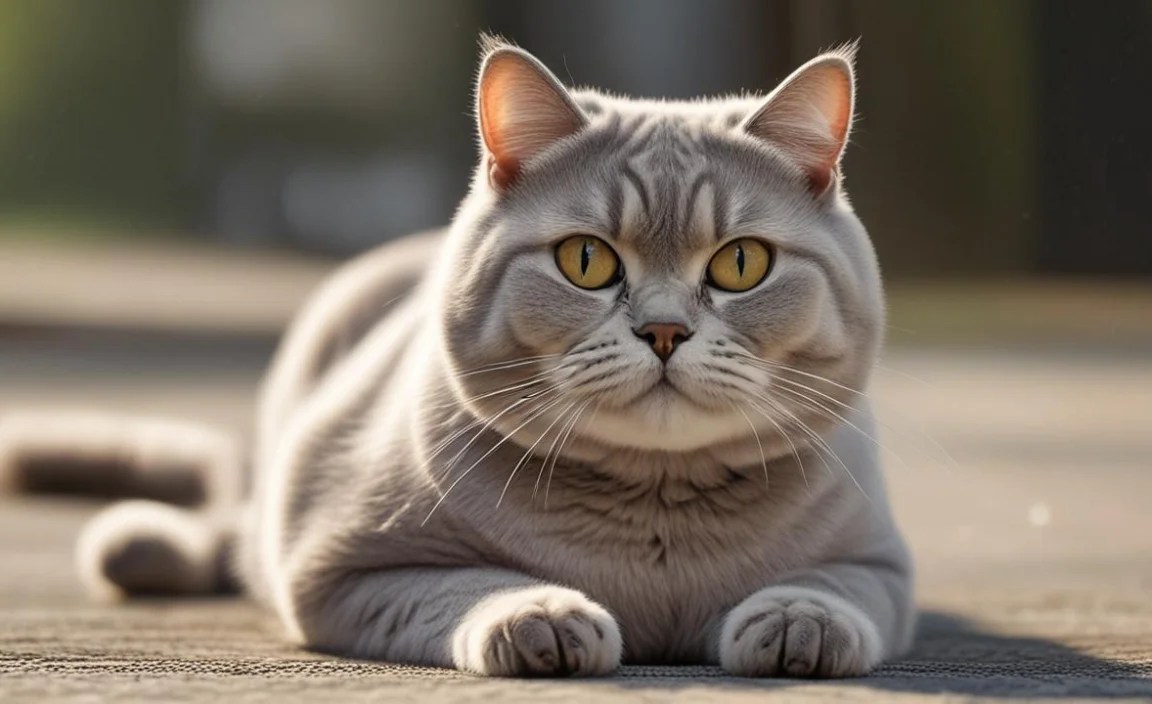
Creating a safe outdoor space is a great way to let your British Shorthair enjoy the outdoors. A catio is an enclosed outdoor space. It allows your cat to experience the fresh air and sunshine. Without the dangers of roaming free. You can build a catio on your porch or deck. Or you can create a separate structure in your yard. Make sure the catio is secure. Your cat should not be able to escape. Fill the catio with things your cat will enjoy. Add scratching posts, climbing structures, and comfortable beds. British Shorthair outdoor behavior can be safely expressed in a catio.
- Build a catio for safe outdoor access.
- Use a cat-proof fence to enclose your yard.
- Create a secure balcony with netting.
- Provide plenty of enrichment in the space.
- Supervise your cat even in a safe space.
Another option is to use a cat-proof fence. This type of fence is designed to keep cats in your yard. It has an overhang that prevents them from climbing over. You can also create a secure balcony for your cat. Use netting to enclose the balcony. This will prevent your cat from falling off. Make sure your cat has access to fresh water and shade in their outdoor space. This will help them stay comfortable on hot days.
Fun Fact or Stat: A catio can extend a cat’s lifespan by reducing exposure to outdoor hazards.
Benefits of a Catio for Your Cat
A catio offers many benefits for your cat. It allows them to experience the outdoors safely. They can enjoy the fresh air and sunshine. They can watch birds and other wildlife. A catio also provides enrichment. It gives your cat a place to play and explore. This can help reduce boredom and stress. A catio can also improve your cat’s physical health. It encourages them to be more active. This can help them maintain a healthy weight. British Shorthair outdoor behavior can be safely enriched with a catio.
Cat-Proof Fencing Options
Cat-proof fencing is a great way to keep your cat safe in your yard. There are many different types of cat-proof fencing available. Some fences have an overhang that prevents cats from climbing over. Other fences are made of a material that is difficult for cats to grip. You can also add netting to an existing fence. This will make it harder for your cat to climb over. When choosing a cat-proof fence, consider your cat’s climbing ability. Some cats are more determined climbers than others.
Enrichment Ideas for Outdoor Spaces
Enrichment is important for cats in outdoor spaces. Provide plenty of things for your cat to do. Add scratching posts, climbing structures, and comfortable beds. Plant cat-friendly plants like catnip and cat grass. These plants will attract your cat and provide them with something to chew on. You can also add toys to the space. Rotate the toys regularly to keep your cat interested. Observe your cat’s behavior in the outdoor space. This will help you identify what they enjoy and what they do not.
Indoor vs. Outdoor Lifestyle for British Shorthairs

The indoor vs. outdoor lifestyle is a big decision for British Shorthairs. Indoor cats are generally safer. They are protected from cars, predators, and diseases. They also have a longer lifespan. Outdoor cats have more freedom. They can explore and hunt. But they are also exposed to more dangers. British Shorthairs are often happy indoors. They are content with a comfortable home and plenty of food. If you do let your cat outside, take precautions. Supervise them closely. Make sure they are safe from harm. British Shorthair outdoor behavior should always be balanced with safety.
| Feature | Indoor Lifestyle | Outdoor Lifestyle |
|---|---|---|
| Safety | Safer from cars, predators, and diseases | Higher risk of accidents and injuries |
| Lifespan | Longer lifespan | Shorter lifespan |
| Freedom | Limited freedom | More freedom to explore and hunt |
| Health | Less exposure to parasites and diseases | Higher risk of parasites and diseases |
Consider your cat’s personality and your lifestyle. If you live in a busy area, an indoor lifestyle may be best. If you have a large, safe yard, you may be able to let your cat outside with supervision. Talk to your vet about the best choice for your cat. They can give you advice based on your cat’s individual needs. Remember, the most important thing is to keep your cat safe and happy.
Fun Fact or Stat: Indoor cats typically live 12-20 years, while outdoor cats often live only 2-5 years.
Health Benefits of Indoor Living
Indoor living offers many health benefits for cats. They are less likely to get parasites like fleas and ticks. They are also less likely to get diseases from other animals. Indoor cats are also protected from extreme weather conditions. They are not exposed to the heat of summer or the cold of winter. This can help them stay healthy and comfortable. Indoor cats also tend to be less stressed. They do not have to worry about predators or finding food. This can improve their overall well-being. British Shorthair outdoor behavior can expose them to many health risks.
Mental Stimulation for Indoor Cats
Indoor cats still need mental stimulation. Provide them with plenty of toys and activities. Scratching posts are a great way to keep them entertained. Climbing structures can also provide exercise and stimulation. Puzzle toys can challenge their minds. Rotate the toys regularly to keep them interested. Spend time playing with your cat each day. This will help them bond with you and stay happy. A bored cat can become destructive, so keeping them entertained is important.
Balancing Indoor Safety with Outdoor Enrichment
It is possible to balance indoor safety with outdoor enrichment. You can provide your cat with a safe outdoor space, such as a catio. You can also take them outside on a leash for supervised walks. This will allow them to experience the outdoors without the risks of roaming free. Make sure you are always aware of your surroundings. Protect your cat from potential dangers. With careful planning, you can give your cat the best of both worlds.
Training Your British Shorthair for Outdoor Safety

Training your British Shorthair for outdoor safety is important. Start by getting your cat used to a harness and leash. Put the harness on your cat for short periods of time. Gradually increase the amount of time they wear it. Once your cat is comfortable with the harness, attach the leash. Let them drag the leash around the house. This will help them get used to the feeling of being tethered. Next, start taking your cat outside on the leash. Keep the first few trips short and supervised. Reward your cat with treats and praise for good behavior. British Shorthair outdoor behavior can be managed with proper training.
- Start with harness and leash training indoors.
- Use positive reinforcement techniques.
- Teach your cat to come when called.
- Practice recall in a safe, enclosed area.
- Supervise all outdoor activities closely.
Teach your cat to come when called. This is an important skill for outdoor safety. Start by calling your cat’s name and offering a treat. When your cat comes to you, give them the treat and praise them. Practice this skill regularly. Gradually increase the distance between you and your cat. Once your cat is reliable at coming when called, you can start practicing outside. Choose a safe, enclosed area. Call your cat’s name and see if they come to you. If they do, reward them with a treat and praise.
Fun Fact or Stat: Cats can learn to respond to their names and simple commands with consistent training.
Harness and Leash Introduction
Introducing a harness and leash can be tricky. Some cats do not like wearing a harness. Start slowly and be patient. Choose a lightweight, comfortable harness. Put it on your cat for just a few minutes at first. Distract them with treats and toys. Gradually increase the amount of time they wear the harness. Make sure the harness fits properly. It should be snug but not too tight. You should be able to fit two fingers between the harness and your cat’s body.
Recall Training Techniques
Recall training is essential for outdoor safety. Start by using a positive tone of voice. Say your cat’s name clearly and enthusiastically. Offer a high-value treat as a reward. Practice recall in a quiet area with no distractions. Gradually increase the distance between you and your cat. Use a whistle or clicker to signal recall. This can be helpful in noisy environments. Be consistent with your training. Practice recall regularly to reinforce the behavior.
Supervised Outdoor Exploration
Supervised outdoor exploration is key to keeping your cat safe. Never let your cat roam free. Always keep them on a leash or in a secure outdoor space. Be aware of your surroundings. Watch out for potential dangers like cars, predators, and poisons. Keep your cat close to you. Be ready to react quickly if a threat appears. Bring a carrier with you. This will give your cat a safe place to retreat if they get scared.
Health Considerations for Outdoor Cats
Outdoor cats face many health considerations. Parasites are a common problem. Fleas, ticks, and worms can all affect outdoor cats. Vaccinations are important. They protect your cat from diseases like rabies and feline leukemia. Regular vet checkups are essential. Your vet can check for health problems and recommend preventive care. Nutrition is also important. Outdoor cats need a balanced diet to stay healthy. British Shorthair outdoor behavior requires careful attention to their health needs.
- Regular parasite prevention is crucial.
- Vaccinations protect against serious diseases.
- Annual vet checkups are essential.
- Proper nutrition supports overall health.
- Monitor for injuries and infections.
- Consider the impact of weather on health.
Monitor your cat for signs of illness or injury. Watch for changes in appetite, behavior, or litter box habits. Check their fur for fleas and ticks. Look for any wounds or lumps. If you notice anything unusual, contact your vet right away. Prevention is key to keeping your cat healthy. Follow your vet’s recommendations for parasite prevention, vaccinations, and checkups. Provide your cat with a safe and comfortable environment. This will help them stay healthy and happy.
Fun Fact or Stat: Regular deworming can increase a cat’s lifespan and improve their quality of life.
Preventing Parasites in Outdoor Cats
Preventing parasites is essential for outdoor cats. Use a monthly flea and tick preventative. There are many different products available. Talk to your vet about the best option for your cat. Deworm your cat regularly. Worms can cause serious health problems. Keep your cat’s environment clean. This will help prevent the spread of parasites. Wash their bedding regularly. Clean their litter box daily.
Vaccination Schedules and Boosters
Vaccinations are crucial for protecting your cat from diseases. Follow your vet’s recommended vaccination schedule. Kittens need a series of vaccinations. Adult cats need booster shots. Common vaccinations include rabies, feline distemper, and feline leukemia. Talk to your vet about which vaccinations are right for your cat. They can help you create a vaccination plan that meets your cat’s individual needs.
Recognizing and Treating Common Injuries
Outdoor cats are prone to injuries. Be able to recognize the signs of common injuries. These include wounds, fractures, and infections. Check your cat regularly for injuries. If you find a wound, clean it thoroughly. Apply an antiseptic ointment. If the wound is deep or infected, contact your vet. Watch for signs of infection. These include redness, swelling, and pus. If you suspect your cat has a fracture, handle them carefully. Take them to the vet right away.
Summary
British Shorthair outdoor behavior varies. Some cats enjoy exploring, but others prefer staying indoors. Safety is a top priority. Outdoor cats face dangers like cars and predators. Creating a safe outdoor space is a good option. A catio or cat-proof fence can help. Training is also important. Teach your cat to come when called. Use a harness and leash for supervised walks. Indoor cats need mental stimulation. Provide them with toys and activities.
Health considerations are crucial. Outdoor cats need parasite prevention and vaccinations. Regular vet checkups are essential. Whether your cat is indoors or outdoors, their well-being is key. Make informed choices to keep them happy and safe.
Conclusion
Deciding whether to let your British Shorthair go outside depends on many things. Think about their personality and your area. Weigh the risks and benefits carefully. You can create a safe outdoor space. You can also keep them indoors with plenty of fun. Understanding British Shorthair outdoor behavior helps you make the best choice. Keep your furry friend safe and happy.
Frequently Asked Questions
Question No 1: Is it safe to let my British Shorthair roam freely outside?
Answer: It is generally not safe to let your British Shorthair roam freely outside. Outdoor cats face many dangers. Cars, predators, and diseases are all threats. Roaming freely increases the risk of accidents and injuries. Supervised outdoor time is a better option. This allows your cat to enjoy the outdoors safely. British Shorthair outdoor behavior can be unpredictable, so supervision is key. Consider a catio or cat-proof fence for added safety. Remember, your cat’s safety is the most important thing.
Question No 2: How can I tell if my British Shorthair wants to go outside?
Answer: You can tell if your British Shorthair wants to go outside by observing their behavior. Do they frequently sit by the door or window? Do they meow or scratch at the door? Do they seem bored or restless indoors? These are all signs that your cat may be interested in exploring the outdoors. However, it is important to remember that not all cats want to go outside. Some cats are perfectly content with an indoor lifestyle. Assess your cat’s personality and provide indoor enrichment to keep them happy.
Question No 3: What are some ways to enrich my British Shorthair’s indoor environment?
Answer: Enriching your British Shorthair’s indoor environment is important for their mental and physical well-being. Provide plenty of toys, scratching posts, and climbing structures. Rotate the toys regularly to keep them interested. Create a window perch where they can watch birds and other wildlife. Play with your cat each day. This will help them bond with you and stay happy. Consider puzzle toys that challenge their minds. A stimulating environment can reduce boredom and stress.
Question No 4: What vaccinations does my outdoor British Shorthair need?
Answer: Outdoor British Shorthairs need several important vaccinations. Rabies is a core vaccine required by law in many areas. Feline distemper (FVRCP) protects against common respiratory and gastrointestinal diseases. Feline leukemia (FeLV) is recommended for outdoor cats. It protects against a deadly virus spread through saliva and close contact. Talk to your vet about the best vaccination schedule for your cat. They can assess your cat’s individual needs and risk factors. Regular boosters are also important to maintain immunity.
Question No 5: How can I protect my British Shorthair from fleas and ticks outside?
Answer: Protecting your British Shorthair from fleas and ticks is crucial if they spend time outdoors. Use a monthly flea and tick preventative. There are many different products available. Topical treatments, oral medications, and collars are all options. Talk to your vet about the best choice for your cat. Check your cat regularly for fleas and ticks. Pay close attention to their ears, neck, and belly. Remove any ticks carefully with tweezers. Keep your yard clean and well-maintained. This will help reduce the flea and tick population. British Shorthair outdoor behavior means you have to be extra vigilant.
Question No 6: What should I do if my British Shorthair gets lost outside?
Answer: If your British Shorthair gets lost outside, take action immediately. Search your neighborhood thoroughly. Call your cat’s name and shake a bag of treats. Post flyers with your cat’s picture and contact information. Contact local animal shelters and rescue organizations. Check online lost and found pet websites. Use social media to spread the word. Make sure your cat has a microchip and wears a collar with an ID tag. This will increase the chances of them being returned to you safely. British Shorthair outdoor behavior can lead to getting lost, so prevention is key.


