
British Shorthair Hydration & Fur: The Secret?

Do you love cats? Have you ever seen a British Shorthair? They are fluffy and cute! But, do you know how to care for them? Proper hydration helps keep their fur healthy. We need to learn about british shorthair hydration and fur care.
Taking care of a cat is a big job. It is fun, but you must know what to do. This article will help you keep your British Shorthair happy. We will talk about water and fur. Let’s get started and learn all about your feline friend!
Key Takeaways
- Proper hydration is vital for a healthy and shiny british shorthair fur.
- Regular grooming prevents mats and keeps their coat in top condition.
- A balanced diet supports overall health, reflecting in their fur.
- Monitor water intake and adjust based on activity and weather.
- See a vet for any sudden changes in fur quality or hydration habits.
Why Hydration Matters for British Shorthair Fur

Hydration is super important for your cat. It keeps their body working well. Just like us, cats need water. Water helps their skin and fur stay healthy. When a British Shorthair does not get enough water, their fur can become dry. Dry fur can break easily. It might also look dull instead of shiny. Making sure your cat drinks enough water is part of keeping them healthy. Good hydration helps with digestion and keeps their organs working right. A healthy cat is a happy cat. So, give your cat plenty of fresh water every day.
- Water keeps their skin healthy.
- Good hydration makes fur shiny.
- Dry fur can break and look dull.
- Water helps with digestion.
- Healthy cats are happy cats.
You can help your cat drink more water. Try different bowls. Some cats like glass or ceramic. Others prefer metal. Keep the water bowl clean. Cats do not like dirty water. You can also try a water fountain. Some cats like moving water. Wet food also helps. It has more water than dry food. If you notice your cat is not drinking, talk to your vet. They can give you advice. They can also check for health problems. Always make sure your cat has fresh, clean water available. This helps their fur look its best. It also keeps them healthy and happy.
Fun Fact or Stat: Cats often prefer drinking from running water sources like faucets or pet water fountains because their wild ancestors associated still water with potential contamination!
How Much Water Does My Cat Need?
How much water does your cat need each day? It depends on a few things. Size matters. A bigger cat needs more water. Activity level is also important. A playful cat needs more water. The type of food they eat matters too. Dry food means they need to drink more water. Wet food has water in it. A good rule is about 3.5 to 4.5 ounces of water per 5 pounds of body weight. Watch your cat. Make sure they always have fresh water. If you are worried, ask your vet. They can help you figure out the right amount of water for your cat.
Signs of Dehydration in British Shorthairs
It is important to know the signs of dehydration. If you see these signs, act fast. Check their gums. If they are dry or sticky, your cat might be dehydrated. Gently pinch the skin on their back. If it stays up instead of going back down, that is another sign. Look for sunken eyes. They might also be tired or not eating. If you see any of these signs, give your cat water right away. You can also use a syringe to give them small amounts of water. If they do not get better, call your vet. Dehydration can be very dangerous for cats.
Tips for Increasing Water Intake
Want to help your cat drink more water? Make it fun! Try a water fountain. Many cats love to play with the moving water. Offer wet food. It has a lot of water in it. Add some water to their dry food. Make sure the water bowl is clean. Put bowls in different places. Your cat might like having choices. Some cats like ice cubes in their water. Experiment and see what your cat likes. Make drinking water an adventure. This will help them stay hydrated and healthy. Remember, good hydration equals healthy fur.
Diet and British Shorthair Fur Health

What your cat eats affects their fur. A good diet makes their fur shiny. A bad diet can make it dull. Cats need protein. Protein helps build healthy fur. They also need fats. Fats make the fur soft. Vitamins and minerals are important too. Look for cat food with all these things. Read the labels. Choose high-quality food. Avoid food with lots of fillers. Fillers do not help your cat’s fur. Talk to your vet about the best food for your British Shorthair. A healthy diet leads to a healthy coat.
- Protein builds healthy fur.
- Fats make fur soft.
- Vitamins and minerals are important.
- Read food labels carefully.
- Choose high-quality food.
- Avoid foods with fillers.
Sometimes, cats have allergies. Allergies can affect their fur. They might scratch a lot. Their skin might be red. Talk to your vet if you think your cat has allergies. They can help you find the right food. Some cats need special diets. These diets can help with allergies. They can also help with other health problems. Remember, good food is like medicine. It keeps your cat healthy and happy. A good diet is key for a beautiful British Shorthair coat. Proper nutrition supports both hydration and healthy fur.
Fun Fact or Stat: British Shorthairs are prone to weight gain, so portion control is key to maintaining a healthy weight and a glossy coat!
The Role of Protein in Fur Quality
Protein is super important for your cat’s fur. It is like building blocks for their hair. Without enough protein, their fur can become weak. It might break easily. Protein helps the fur grow strong and healthy. Look for cat food with a high percentage of protein. Chicken, fish, and turkey are good sources. Make sure protein is one of the first ingredients listed. Talk to your vet about how much protein your cat needs. Different cats need different amounts. A good protein intake makes for a shiny, healthy coat.
Essential Fatty Acids for a Shiny Coat
Fats are also important for your cat’s fur. They make the fur soft and shiny. They also help with skin health. Look for cat food with essential fatty acids. Omega-3 and omega-6 are good fats. Fish oil is a great source of these fats. You can also add fish oil to their food. Talk to your vet before adding supplements. Make sure you give the right amount. Healthy fats help keep your cat’s fur looking its best. They also help with overall health.
Supplements for British Shorthair Fur Health
Sometimes, cats need extra help. Supplements can give them a boost. Biotin is good for fur growth. Vitamin E is good for skin health. Fish oil helps with shine. Talk to your vet before giving supplements. Some supplements can cause problems. Make sure you choose a good brand. Follow the directions on the label. Supplements are not a replacement for good food. They are just extra help. A healthy diet is still the most important thing. Use supplements wisely to keep your cat’s fur healthy.
Grooming for a Healthy British Shorthair Coat

Grooming is very important for your British Shorthair. It helps keep their fur healthy. Regular brushing removes loose hair. This prevents mats. Mats can be painful for your cat. Brushing also spreads oils. These oils make the fur shiny. Start grooming your cat when they are young. This helps them get used to it. Make it a fun experience. Use a soft brush. Be gentle. Give them treats. Grooming is a good way to bond with your cat. It also keeps their coat looking great. Proper grooming improves british shorthair hydration and fur appearance.
- Brushing removes loose hair.
- It prevents mats.
- Brushing spreads healthy oils.
- Start grooming when they are young.
- Make it a fun experience.
How often should you groom your cat? It depends on the cat. British Shorthairs have thick fur. They need to be brushed a few times a week. Some cats need to be brushed every day. During shedding season, they need more brushing. Use a good brush. A slicker brush works well. A metal comb is also helpful. Be gentle around sensitive areas. Check for fleas and ticks while you groom. If you find any, talk to your vet. Grooming is not just about looks. It is also about health. Regular grooming helps you notice problems early. This keeps your cat happy and healthy.
Fun Fact or Stat: The British Shorthair’s dense coat evolved to protect them from the harsh British climate, making regular grooming essential to prevent matting!
Choosing the Right Grooming Tools
Having the right tools makes grooming easier. A slicker brush is good for removing loose hair. A metal comb helps get rid of mats. A rubber brush is good for smoothing the fur. Nail clippers are important for trimming their nails. Ask your vet or groomer for advice. They can help you choose the best tools. Clean your tools after each use. This prevents the spread of germs. Store your tools in a safe place. Keep them away from children and pets. Good tools make grooming a breeze.
How to Brush Your British Shorthair
Brushing your British Shorthair is easy. Start with a soft brush. Be gentle. Brush in the direction of the hair growth. Pay attention to their belly and legs. These areas can get matted. Use a metal comb to remove any mats. If you find a big mat, do not pull it. Use scissors to carefully cut it out. Be very careful not to cut their skin. Give them treats while you brush. This makes it a positive experience. Brush regularly to keep their fur healthy.
Dealing with Mats and Tangles
Mats and tangles can be painful for your cat. Prevent them by brushing regularly. If you find a mat, try to gently comb it out. Use a detangling spray. This can help loosen the mat. If you cannot comb it out, use scissors. Be very careful. Slide the scissors under the mat. Cut the mat away from the skin. Never pull on the mat. This can hurt your cat. If you are not comfortable using scissors, take your cat to a groomer. They can safely remove the mats. Always be gentle and patient.
Environmental Factors Affecting Fur and Hydration

The environment can affect your cat’s fur and hydration. Hot weather can make them dehydrated. Cold weather can dry out their skin. Air conditioning can also dry out their fur. Humidity plays a role too. Dry air can cause flaky skin. Make sure your cat has access to fresh water. Use a humidifier in the winter. Protect them from the sun. Provide shade. Be aware of the environment. Adjust their care as needed. This will help keep their fur healthy and their body hydrated. Maintaining optimal british shorthair hydration and fur requires environmental awareness.
- Hot weather can cause dehydration.
- Cold weather can dry out skin.
- Air conditioning can dry out fur.
- Humidity affects skin health.
- Provide fresh water at all times.
- Use a humidifier in dry weather.
Indoor cats are affected by the environment too. The air in your home can be dry. This is especially true in the winter. Use a humidifier to add moisture to the air. Keep your cat away from drafts. Drafts can make them cold. Protect them from extreme temperatures. Make sure they have a comfortable place to sleep. A healthy environment is important for their overall health. It also helps keep their fur looking its best. Pay attention to the conditions in your home. Adjust as needed to keep your cat happy and healthy.
Fun Fact or Stat: Indoor heating systems can significantly reduce humidity levels, leading to dry skin and a dull coat in British Shorthairs!
The Impact of Humidity on Fur
Humidity can affect your cat’s fur. High humidity can make their fur feel sticky. Low humidity can make it dry and brittle. Try to keep the humidity in your home at a comfortable level. Use a humidifier or dehumidifier as needed. Make sure your cat has access to fresh water. This helps keep them hydrated. Monitor their fur. If it looks dry, try adding some moisture to the air. If it looks sticky, try reducing the humidity. A balanced environment is best for their fur.
Protecting Your Cat from Sun Exposure
Sun exposure can damage your cat’s fur. It can also cause sunburn. Keep your cat indoors during the hottest part of the day. If they go outside, provide shade. Use a pet-safe sunscreen on their ears and nose. Be careful. Some sunscreens are toxic to cats. Look for a product that is specifically made for pets. Monitor their skin. If you see any redness or irritation, talk to your vet. Protect your cat from the sun to keep their fur and skin healthy.
Managing Temperature for Optimal Hydration
Temperature affects hydration. In hot weather, cats need more water. Make sure they have plenty of fresh water available. Add ice cubes to their water. This can make it more appealing. In cold weather, cats might drink less water. Try warming up their water. This can encourage them to drink. Monitor their water intake. If they are not drinking enough, talk to your vet. Adjust the temperature in your home to keep them comfortable. Proper temperature management helps with hydration.
Recognizing Skin Issues and Fur Problems
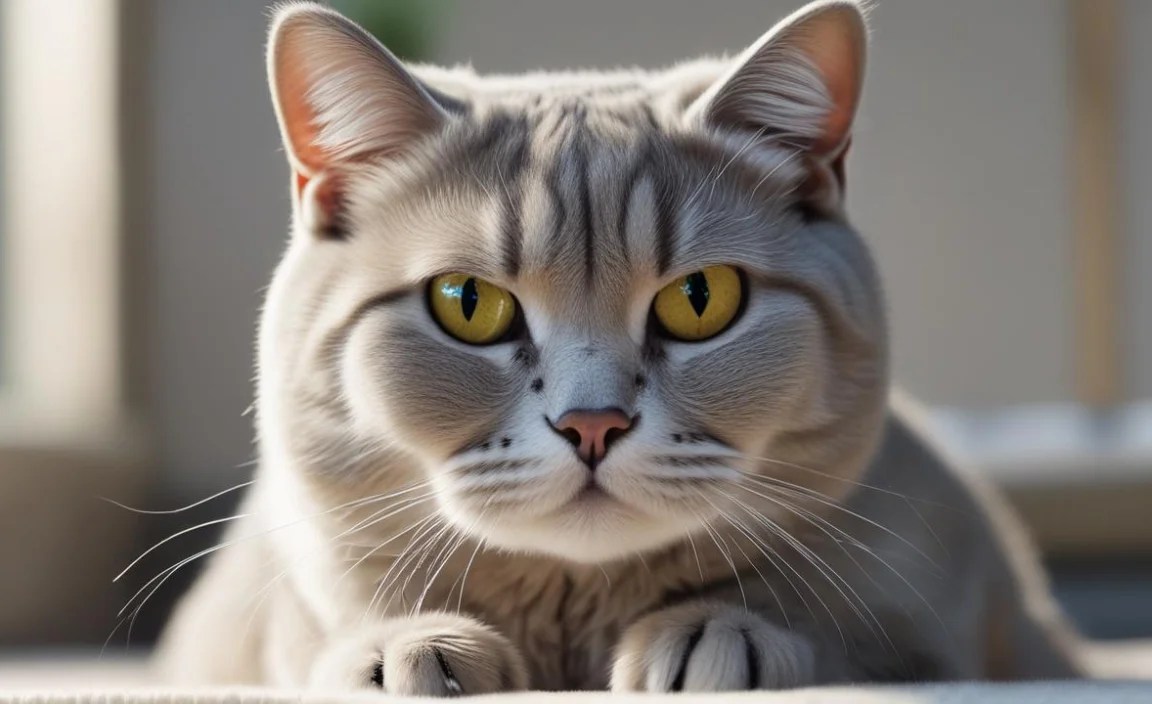
It is important to know when something is wrong. Skin issues can affect their fur. Look for redness, itching, or hair loss. Check for fleas and ticks. These pests can cause skin problems. Dry skin can lead to dull fur. Allergies can also cause skin problems. If you notice any of these signs, talk to your vet. Early treatment is important. It can prevent serious problems. Regular grooming helps you notice problems early. A healthy cat has healthy skin and fur. Being vigilant prevents issues related to british shorthair hydration and fur.
- Look for redness or itching.
- Check for hair loss.
- Watch for fleas and ticks.
- Be aware of dry skin.
- Consider allergies.
- Talk to your vet about any concerns.
Sometimes, cats get skin infections. These can be caused by bacteria or fungus. Signs of infection include redness, swelling, and pus. If you see these signs, take your cat to the vet. They can prescribe antibiotics or antifungal medication. Follow the directions carefully. Keep the area clean and dry. Prevent your cat from licking the area. This can make the infection worse. With proper treatment, most skin infections clear up quickly. Early detection is key to preventing complications. Always consult with your vet if you notice any unusual skin or fur changes.
Fun Fact or Stat: Skin problems are one of the most common reasons for vet visits in British Shorthairs, highlighting the importance of regular skin and coat checks!
Common Skin Conditions in British Shorthairs
British Shorthairs can get certain skin conditions. Ringworm is a fungal infection. It causes circular patches of hair loss. Flea allergy dermatitis is caused by flea bites. It leads to intense itching and skin irritation. Miliary dermatitis is a general term for skin inflammation. It can be caused by allergies or other problems. If you suspect your cat has a skin condition, see your vet. They can diagnose the problem and recommend treatment. Early treatment can prevent complications.
Identifying Signs of Poor Hydration
Poor hydration can cause many problems. Check your cat’s gums. If they are dry or sticky, they might be dehydrated. Pinch the skin on their back. If it stays up, that is another sign. Look for sunken eyes. They might also be tired or not eating. If you see these signs, give your cat water right away. If they do not get better, call your vet. Dehydration can be dangerous. It is important to act quickly. Make sure your cat always has access to fresh water.
The Connection Between Skin Health and Fur Quality
Skin health and fur quality are linked. Healthy skin leads to healthy fur. If your cat’s skin is dry or irritated, their fur will suffer. It might become dull or brittle. Skin problems can also cause hair loss. To keep your cat’s fur healthy, focus on their skin. Provide a good diet. Groom them regularly. Protect them from the sun. Address any skin problems quickly. A healthy cat has a beautiful coat. Remember to address the role of british shorthair hydration and fur by visiting your vet if you notice any problems.
The Role of Veterinarians in British Shorthair Care
Veterinarians play a big role in your cat’s health. They can diagnose and treat problems. They can also give you advice. Regular checkups are important. Your vet can check your cat’s skin and fur. They can also check for signs of dehydration. They can recommend the best food for your cat. They can answer your questions. If you notice any changes in your cat’s health, see your vet right away. Early treatment can prevent serious problems. Your vet is your partner in keeping your cat healthy. Consult your vet about british shorthair hydration and fur.
- Vets diagnose and treat problems.
- They give advice.
- Regular checkups are important.
- Vets check skin and fur.
- They recommend the best food.
- They answer your questions.
Vaccinations are important for protecting your cat from diseases. Parasite control is also important. Fleas, ticks, and worms can cause health problems. Your vet can recommend the best products for your cat. Dental care is also important. Brush your cat’s teeth regularly. Your vet can clean their teeth if needed. Senior cats need special care. They might need more frequent checkups. They might also need special food. Talk to your vet about the best way to care for your senior cat. They can help you keep your cat healthy and happy for many years.
Fun Fact or Stat: Regular vet check-ups can help detect underlying health issues that may affect your British Shorthair’s coat and hydration levels before they become severe!
When to Seek Veterinary Advice
Know when to see a vet. If you notice any sudden changes in your cat’s behavior, see a vet. If they are not eating or drinking, see a vet. If they have skin problems, see a vet. If they are coughing or sneezing, see a vet. If they seem to be in pain, see a vet. Do not wait. Early treatment is important. Your vet can diagnose the problem and recommend treatment. Trust your instincts. If you are worried about your cat, see a vet. It is always better to be safe than sorry.
The Importance of Regular Check-ups
Regular check-ups are important for your cat’s health. During a check-up, your vet will examine your cat. They will check their skin and fur. They will listen to their heart and lungs. They will check their teeth. They will also ask you questions about your cat’s behavior and diet. This information helps your vet assess your cat’s overall health. Regular check-ups can help detect problems early. Early detection can lead to better treatment outcomes. Schedule a check-up for your cat at least once a year.
Understanding Diagnostic Tests for Skin Issues
Sometimes, vets need to do tests. These tests help them figure out what is wrong. Skin scrapings can help diagnose mites. Fungal cultures can help diagnose ringworm. Blood tests can help identify allergies. Biopsies can help diagnose skin cancer. Your vet will explain the tests to you. They will also explain the results. Do not be afraid to ask questions. Understanding the tests can help you make informed decisions about your cat’s care. Diagnostic tests aid treatment of british shorthair hydration and fur issues.
British Shorthair Hydration and Fur: Best Practices
Taking care of your British Shorthair is rewarding. Follow these best practices. Provide fresh water every day. Feed them a high-quality diet. Groom them regularly. Protect them from the environment. Monitor their health. See your vet regularly. By following these tips, you can keep your cat healthy and happy. A healthy cat has a beautiful coat. Remember, good hydration and proper care are key. The best practices ensure optimal british shorthair hydration and fur.
- Provide fresh water daily.
- Feed a high-quality diet.
- Groom regularly.
- Protect from the environment.
- Monitor their health.
- See your vet regularly.
Remember to be patient with your cat. Some cats do not like being groomed. Start slowly. Use positive reinforcement. Give them treats and praise. Make grooming a positive experience. Some cats do not like drinking water. Try different bowls. Try a water fountain. Experiment to see what your cat likes. Be observant. Notice any changes in their behavior or appearance. Address any concerns quickly. By being a responsible owner, you can provide your cat with a long and happy life. Always prioritize your cat’s well-being.
Fun Fact or Stat: Implementing a consistent hydration and grooming routine from kittenhood can make these tasks much easier as your British Shorthair matures!
Creating a Hydration Schedule
A hydration schedule can help. Make sure your cat always has fresh water. Check the water bowl several times a day. Clean it regularly. Some cats like to drink from a fountain. Others prefer a bowl. Find what your cat likes. You can also add wet food to their diet. Wet food has more water than dry food. Monitor your cat’s water intake. If they are not drinking enough, talk to your vet. A good hydration schedule helps keep your cat healthy.
Developing a Grooming Routine
A grooming routine is important. Brush your cat regularly. This removes loose hair. It also prevents mats. Start grooming your cat when they are young. This helps them get used to it. Use a soft brush. Be gentle. Give them treats. Make grooming a positive experience. Check their skin for any problems. Trim their nails regularly. A good grooming routine keeps your cat looking and feeling their best. Regular grooming is vital for british shorthair hydration and fur health.
Long-Term Maintenance for British Shorthair Fur
Long-term maintenance is key. Continue to provide fresh water. Feed a high-quality diet. Groom regularly. Protect them from the environment. See your vet regularly. These habits will help keep your cat healthy for many years. As they get older, they might need more care. Be patient and loving. Provide them with a comfortable environment. With proper care, your British Shorthair can live a long and happy life. Remember to be proactive in addressing potential health issues.
| Aspect | Best Practice | Why |
|---|---|---|
| Hydration | Fresh water daily | Maintains skin and fur health |
| Diet | High-quality food | Provides essential nutrients |
| Grooming | Regular brushing | Prevents mats and spreads oils |
| Environment | Controlled temperature | Avoids dryness and overheating |
| Veterinary Care | Annual check-ups | Early detection of health issues |
Summary
Taking care of a British Shorthair requires attention. You need to focus on their hydration and fur. Make sure they always have fresh water. A good diet is important. Feed them high-quality food. Groom them regularly to prevent mats. Protect them from extreme temperatures. See your vet for regular checkups. These steps will help keep your cat healthy and happy. Remember to address any concerns quickly. Early treatment can prevent serious problems. With proper care, your British Shorthair can thrive. The key to a healthy cat is understanding british shorthair hydration and fur requirements.
Conclusion
Caring for a British Shorthair is a big responsibility. But, it is also very rewarding. By following the tips in this article, you can keep your cat healthy and happy. Remember to provide fresh water, a good diet, and regular grooming. Protect them from the environment and see your vet regularly. With proper care, your British Shorthair will have a beautiful coat and a long life. Good hydration and care ensure healthy fur. Enjoy your fluffy friend!
Frequently Asked Questions
Question No 1: How much water should my British Shorthair drink daily?
Answer: A British Shorthair should drink about 3.5 to 4.5 ounces of water per 5 pounds of body weight each day. This helps keep them hydrated. Factors like their activity level and diet can change this. If they eat wet food, they may drink less water. Always make sure they have fresh water available. Monitor their water intake. If you are worried, talk to your vet. Proper hydration is crucial for their health. It also keeps their fur looking good.
Question No 2: What are the signs of dehydration in British Shorthairs?
Answer: Signs of dehydration include dry or sticky gums. Their skin might stay up when you pinch it. They might have sunken eyes. They could also be tired or not eating. If you see these signs, give your cat water right away. You can use a syringe to give them small amounts of water. If they do not get better, call your vet. Dehydration can be very dangerous for cats. Early detection is key. Make sure they always have fresh water.
Question No 3: How often should I groom my British Shorthair?
Answer: You should groom your British Shorthair a few times a week. This helps remove loose hair. It also prevents mats. British Shorthairs have thick fur. They need regular brushing. During shedding season, they need more brushing. Use a good brush. Be gentle around sensitive areas. Regular grooming helps you notice problems early. This keeps their coat looking great and promotes good skin health.
Question No 4: What type of food is best for British Shorthair fur health?
Answer: A high-quality cat food is best. Look for food with plenty of protein and healthy fats. Protein helps build healthy fur. Fats make the fur soft and shiny. Look for food with vitamins and minerals. Avoid food with lots of fillers. Talk to your vet about the best food for your cat. Some cats need special diets. Choose a food that supports overall health. This will show in their fur. Good nutrition is the foundation for healthy british shorthair hydration and fur.
Question No 5: Can environmental factors affect my cat’s fur?
Answer: Yes, the environment can affect your cat’s fur. Hot weather can cause dehydration. Cold weather can dry out their skin. Air conditioning can also dry out their fur. Humidity plays a role too. Dry air can cause flaky skin. Make sure your cat has access to fresh water. Use a humidifier in the winter. Protect them from the sun. Be aware of the environment. Adjust their care as needed. This will help keep their fur healthy.
Question No 6: How can I improve my British Shorthair’s hydration if they don’t drink much water?
Answer: If your British Shorthair does not drink much water, try different things. Use a water fountain. Some cats like moving water. Offer wet food. It has more water than dry food. Add some water to their dry food. Make sure the water bowl is clean. Put bowls in different places. Your cat might like having choices. You can also try adding some cat-safe electrolytes to their water to encourage them to drink more. These strategies can help improve british shorthair hydration and fur quality.


