
British Shorthair Seasonal Grooming: Easy Guide

Have you ever seen a cat with a super soft coat? That might be a British Shorthair! These cats are like fluffy teddy bears. They need our help to keep their fur looking great. This means we need to think about british shorthair seasonal grooming. It’s like giving them a spa day!
Do you know why cats shed their fur? It’s because they get new fur for the new season! Just like we wear different clothes, they grow different fur. This helps them stay cool in summer. It keeps them warm in winter. That’s why british shorthair seasonal grooming is so important.
We need to brush them more when they shed. This helps get rid of loose fur. It also stops them from getting hairballs. British Shorthair cats are special. They need special care. Let’s learn how to groom them all year long!
Key Takeaways
- Regular british shorthair seasonal grooming prevents painful and bothersome hairballs.
- Brush your British Shorthair several times a week, especially during shedding seasons.
- A healthy diet with enough water helps keep their coat shiny and healthy.
- Bathing your cat every few months keeps their fur clean and reduces shedding.
- Use the right grooming tools to make brushing comfortable for your cat.
Why Seasonal Grooming Matters

British Shorthair cats have thick, plush coats. These coats keep them warm in winter. They also help protect them in summer. But these coats need our help! British shorthair seasonal grooming is very important. It helps keep their fur healthy all year round. When seasons change, cats shed their fur. They grow new fur that is right for the weather. This shedding can cause mats and tangles. Regular brushing helps remove loose fur. It keeps their coat smooth and shiny. Grooming also helps prevent hairballs. Hairballs can make cats sick. By grooming them, we help them stay healthy and happy. Plus, it’s a great way to bond with your furry friend!
- Grooming prevents mats and tangles in their fur.
- Brushing removes loose fur before they swallow it.
- Regular grooming reduces the risk of hairballs.
- Grooming keeps their coat clean and shiny.
- It helps you check for skin problems or fleas.
Think of grooming as giving your cat a massage. They will love the attention. Use a soft brush to make it comfy. Start with short sessions. Make them longer as your cat gets used to it. Always be gentle. Never pull on their fur. Talk to them in a calm voice. Give them treats after grooming. This will make them think of it as a good thing. Remember, british shorthair seasonal grooming is not just about looks. It’s about their health and happiness. A well-groomed cat is a happy cat!
Fun Fact or Stat: British Shorthairs have a double coat. This means they have a dense undercoat and a thick outer coat!
How Often Should You Groom?
How often should you brush your British Shorthair? It depends on the season! During spring and fall, they shed more. You should brush them every day during these times. This will help remove all the loose fur. In the summer and winter, you can brush them a few times a week. This will keep their coat healthy and shiny. Remember to check for mats and tangles. Pay special attention behind their ears and under their legs. These are places where mats can easily form. If you find a mat, gently try to brush it out. If you can’t, ask a groomer for help. They have special tools to remove mats without hurting your cat.
Best Brushes for British Shorthairs
Do you know what kind of brush is best for a British Shorthair? A slicker brush is a great choice. It has fine, bent wires that help remove loose fur. A metal comb is also good for getting rid of mats. A rubber brush can help massage their skin and loosen fur. Try different brushes to see what your cat likes best. Some cats like soft brushes. Others prefer firmer ones. Always be gentle when brushing. Never push too hard. You don’t want to hurt their skin. Start with a few minutes of brushing. Make it longer as your cat gets used to it.
Making Grooming Fun
Want to make grooming fun for your British Shorthair? Turn it into a game! Use a toy to distract them while you brush. Give them treats during and after grooming. Talk to them in a happy voice. Make them feel like they are getting a special treat. If your cat gets scared, stop brushing. Try again later. Don’t force them to be groomed. This will make them hate it even more. Be patient and gentle. Soon, they will learn to love their grooming sessions. Remember, british shorthair seasonal grooming can be a fun bonding experience for you and your cat!
Spring Grooming for Shedding

Spring is when British Shorthair cats shed the most. They are getting rid of their thick winter coats. This means you need to brush them more often. Daily brushing is best during this time. This will help remove all the loose fur. It will also prevent mats and tangles. Use a good slicker brush to get deep into their coat. A metal comb can help with any mats that form. Don’t forget to check behind their ears and under their legs. These are common places for mats. Spring grooming is very important. It helps your cat stay cool and comfortable as the weather warms up.
- Brush your cat daily during spring shedding season.
- Use a slicker brush to remove loose fur.
- Check for mats and tangles regularly.
- Pay attention to areas behind the ears and legs.
- Consider a deshedding tool if shedding is heavy.
- Make sure your cat drinks enough water to stay hydrated.
Imagine your cat is wearing a big, warm sweater all winter. Now, spring is here, and it’s getting hot! They need to take that sweater off. That’s what shedding is like. By helping them remove their old fur, you are making them much more comfortable. Think of it as helping them change into their lighter spring clothes. This will also help keep your house cleaner. Less fur on your furniture means less work for you! British shorthair seasonal grooming in the spring is a win-win for both you and your furry friend.
Fun Fact or Stat: A British Shorthair can shed up to twice its body weight in fur each year!
Dealing with Extra Shedding
Is your British Shorthair shedding a lot? Don’t worry, it’s normal in the spring. But there are things you can do to help. Make sure they are eating a healthy diet. Good food helps keep their coat healthy. Add some omega-3 fatty acids to their diet. These can help reduce shedding. You can find omega-3s in fish oil or flaxseed oil. Use a deshedding tool to remove extra fur. These tools are designed to grab loose fur without hurting your cat. Remember to be gentle. Don’t brush too hard. Your cat will thank you for it!
The Importance of Hydration
Did you know that water is important for your cat’s coat? It helps keep their skin healthy. Healthy skin means less shedding. Make sure your British Shorthair always has fresh water. Some cats like to drink from a fountain. Others prefer a bowl. Try different things to see what your cat likes best. You can also add wet food to their diet. Wet food has more water than dry food. This can help keep them hydrated. Remember, a well-hydrated cat is a happy cat!
Checking for Skin Issues
While grooming your British Shorthair, check their skin. Look for any red spots, bumps, or sores. These could be signs of skin problems. Fleas can also cause skin irritation. If you see any fleas, talk to your vet. They can recommend a flea treatment. Regular grooming helps you spot problems early. Early treatment can prevent bigger problems later. Remember, british shorthair seasonal grooming is not just about their fur. It’s also about their overall health.
Summer: Keeping Cool and Clean

Summer is a time for fun in the sun. But it can also be hot for your British Shorthair. They still need regular grooming in the summer. This helps keep them cool and comfortable. Brush them a few times a week to remove any loose fur. This will prevent mats and tangles. It will also help their skin breathe. You can also give them a bath if they get dirty. But don’t bathe them too often. This can dry out their skin. Use a gentle cat shampoo. Always rinse them well. Make sure they are completely dry before letting them outside.
- Brush your cat a few times a week in the summer.
- Bathe them only when necessary.
- Use a gentle cat shampoo.
- Make sure they are completely dry after a bath.
- Provide plenty of shade and water.
Imagine your cat is wearing a fur coat all summer. It can get pretty hot! By brushing them, you are helping them stay cool. Think of it as opening the windows in their fur coat. This lets the air flow through and keeps them from overheating. Also, remember that cats can get sunburned too. Especially on their ears and nose. Keep them out of direct sunlight during the hottest part of the day. British shorthair seasonal grooming helps keep them comfortable all summer long.
Fun Fact or Stat: Cats sweat through their paws. This helps them cool down in the summer!
Bathing Your British Shorthair
Does your British Shorthair need a bath? Most cats don’t need baths very often. But sometimes they get into something messy. Or they might start to smell a little. If so, it’s time for a bath. Use a cat-specific shampoo. Human shampoo can be too harsh for their skin. Wet their fur with warm water. Be careful not to get water in their eyes or ears. Apply the shampoo and gently massage it into their fur. Rinse them very well. Make sure all the shampoo is gone. Towel dry them as much as possible. You can use a hair dryer on a low setting to finish drying them. But be careful not to burn them.
Preventing Sunburn
Did you know cats can get sunburned? It’s true! Especially cats with light-colored fur. Their ears and noses are most at risk. Keep your British Shorthair out of direct sunlight during the hottest part of the day. If they like to sunbathe, put sunscreen on their ears and nose. Use a sunscreen that is made for pets. Human sunscreen can be toxic to cats. Remember, protecting their skin is part of british shorthair seasonal grooming.
Keeping Them Hydrated
Water is super important in the summer. Make sure your British Shorthair always has fresh, clean water. You can add ice cubes to their water bowl to keep it cool. Some cats like to drink from a fountain. This can encourage them to drink more. You can also give them wet food. Wet food has a lot of water in it. This helps keep them hydrated. Watch for signs of dehydration. These include dry gums, sunken eyes, and loss of skin elasticity. If you think your cat is dehydrated, see your vet.
Autumn: Preparing for Winter
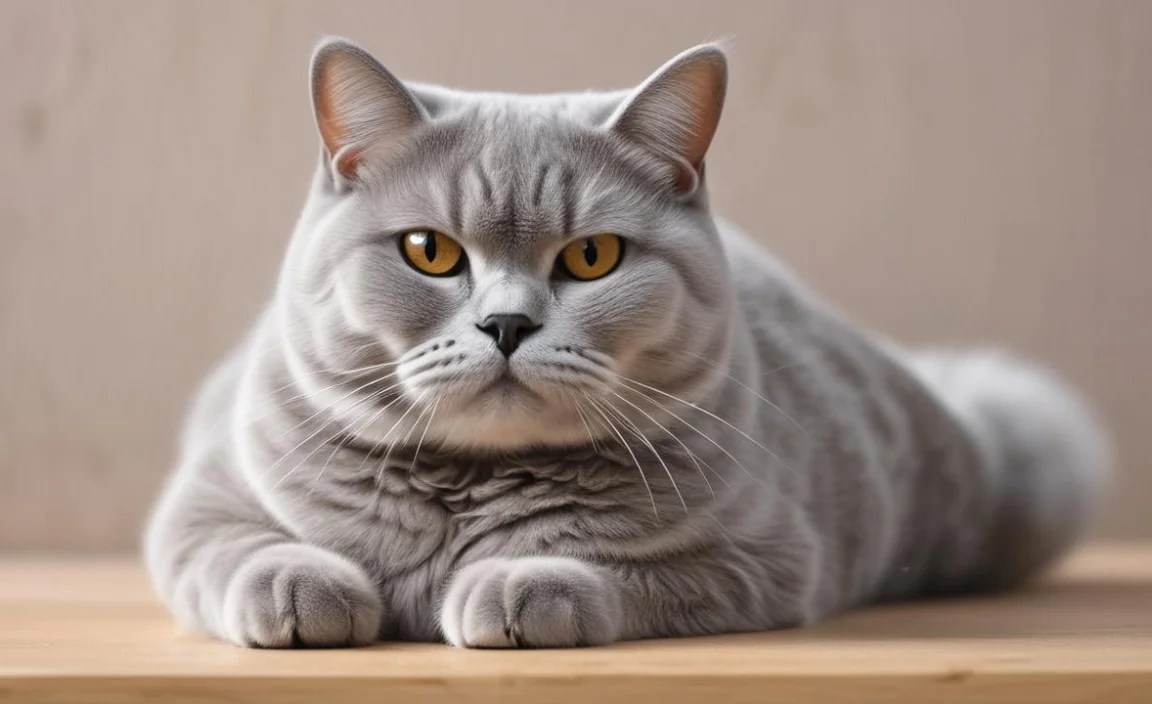
As the weather cools down, your British Shorthair will start to grow their winter coat. This means they will shed less than in the spring. But they still need regular grooming. Brush them a few times a week to remove any loose fur. This will help prevent mats and tangles. It will also help their new coat grow in healthy. Check their skin for any dryness. The cooler weather can dry out their skin. If their skin is dry, talk to your vet. They can recommend a moisturizing shampoo or oil.
- Brush your cat a few times a week in the fall.
- Check for dry skin and dandruff.
- Consider adding omega-3 fatty acids to their diet.
- Provide a warm and cozy place for them to sleep.
- Make sure they have access to fresh water.
Imagine your cat is getting ready for winter. They are growing a cozy, warm coat to keep them snug. By brushing them, you are helping them get ready. Think of it as helping them knit their winter sweater. This will also help keep your house cleaner. Less fur on your furniture means less work for you! British shorthair seasonal grooming in the fall is all about preparing for the cold weather ahead.
Fun Fact or Stat: A British Shorthair’s winter coat can be twice as thick as their summer coat!
Managing Dry Skin
Is your British Shorthair‘s skin dry? The cooler weather can cause dry skin. This can lead to itching and discomfort. There are things you can do to help. Add omega-3 fatty acids to their diet. These help keep their skin healthy. You can also use a humidifier in your home. This will add moisture to the air. Avoid bathing them too often. Bathing can dry out their skin. If you need to bathe them, use a moisturizing shampoo. Talk to your vet if their skin is very dry or irritated.
Boosting Their Immune System
A strong immune system is important for winter. It helps your British Shorthair stay healthy. Make sure they are eating a balanced diet. A good diet helps boost their immune system. You can also give them immune-boosting supplements. Talk to your vet before giving them any supplements. Provide them with a warm and cozy place to sleep. A comfortable bed can help them relax and stay healthy. Remember, british shorthair seasonal grooming includes taking care of their overall health.
Preparing for Indoor Life
Your British Shorthair will likely spend more time indoors during the winter. Make sure they have plenty of toys to play with. This will help them stay active and entertained. Provide them with scratching posts. This will help them keep their claws healthy. Keep their litter box clean. Cats are more likely to use a clean litter box. Spend time playing with them every day. This will help them bond with you and stay happy. Remember, a happy cat is a healthy cat!
Winter: Indoor Comfort and Care

Winter is a time for snuggling up indoors. Your British Shorthair will love spending time inside. But they still need regular grooming. Brush them a few times a week to remove any loose fur. This will help prevent mats and tangles. It will also help keep their coat healthy. Winter can be a dry time of year. This can dry out their skin. Make sure they are drinking plenty of water. You can also use a humidifier to add moisture to the air. Keep their nails trimmed to prevent them from scratching furniture.
- Brush your cat a few times a week in the winter.
- Keep their nails trimmed.
- Provide plenty of fresh water.
- Use a humidifier to add moisture to the air.
- Keep their coat free of mats and tangles.
Imagine your cat is enjoying a cozy winter indoors. They are snuggled up in a warm bed. By grooming them, you are helping them stay comfortable. Think of it as fluffing their winter blanket. This will help them stay warm and happy. Also, remember that cats can get bored indoors. Make sure they have plenty of toys and attention. British shorthair seasonal grooming helps keep them healthy and happy all winter long.
Fun Fact or Stat: British Shorthairs are known for being quiet and calm cats. They make great indoor companions!
Preventing Static Electricity
Have you ever noticed static electricity in your cat’s fur during the winter? It’s common when the air is dry. This can be annoying for your British Shorthair. You can reduce static electricity by using a humidifier. You can also use a pet-safe anti-static spray. Spray it lightly on their fur before brushing. Avoid using plastic brushes or combs. These can create more static. Use metal or wooden grooming tools instead. Remember, british shorthair seasonal grooming should be a comfortable experience for your cat.
Maintaining Nail Health
Keeping your British Shorthair‘s nails trimmed is important. Long nails can get caught on furniture or carpets. This can be painful for your cat. Trim their nails every few weeks. Use cat nail clippers. Be careful not to cut too close to the quick. The quick is the pink part of the nail that contains blood vessels and nerves. If you cut the quick, it will bleed. If this happens, use styptic powder to stop the bleeding. If you are not comfortable trimming their nails, ask your vet or a groomer for help.
Providing Mental Stimulation
Your British Shorthair needs mental stimulation during the winter. Provide them with toys that challenge them. Puzzle toys are a great option. These toys require them to solve a problem to get a treat. This keeps them entertained and prevents boredom. Spend time playing with them every day. This will help them bond with you and stay happy. A happy cat is less likely to get into trouble. Remember, british shorthair seasonal grooming includes taking care of their mental well-being.
Tools Needed for Grooming
To groom your British Shorthair, you’ll need the right tools. A good slicker brush is a must-have. It helps remove loose fur and prevent mats. A metal comb is also useful for getting rid of tangles. A rubber brush can massage their skin and loosen fur. Nail clippers are needed for trimming their nails. Cat shampoo is important for bathing them. A soft towel is needed for drying them after a bath. With the right tools, british shorthair seasonal grooming will be easier and more effective.
| Tool | Description | Benefits | When to Use |
|---|---|---|---|
| Slicker Brush | Brush with fine, bent wires | Removes loose fur, prevents mats | Daily or weekly |
| Metal Comb | Comb with metal teeth | Removes tangles and mats | Weekly |
| Rubber Brush | Brush with rubber bristles | Massages skin, loosens fur | Weekly |
| Nail Clippers | Special clippers for cat nails | Keeps nails trimmed and healthy | Every few weeks |
- Slicker brush: removes loose fur and prevents mats.
- Metal comb: helps get rid of tangles.
- Rubber brush: massages their skin.
- Nail clippers: keeps nails trimmed.
- Cat shampoo: cleans their fur during baths.
- Soft towel: dries them after a bath.
Think of these tools as your grooming kit. Each tool has a special job to do. The slicker brush is like a vacuum cleaner for their fur. It sucks up all the loose hairs. The metal comb is like a detective. It finds and removes any hidden tangles. The rubber brush is like a masseuse. It gives them a relaxing massage. The nail clippers are like a barber. They keep their nails neat and tidy. With these tools, you can keep your British Shorthair looking their best. British shorthair seasonal grooming is all about having the right tools for the job.
Fun Fact or Stat: The first cat grooming tools were made of bone and used in ancient Egypt!
Choosing the Right Brush
There are many different types of brushes for cats. How do you choose the right one for your British Shorthair? Consider their fur type. British Shorthairs have thick, dense fur. A slicker brush is a good choice for this type of fur. It can reach deep into their coat and remove loose fur. A metal comb can help with mats and tangles. If your cat has sensitive skin, a rubber brush might be a good option. It’s gentle and won’t irritate their skin. Try different brushes to see what your cat likes best.
Safe Nail Trimming Techniques
Trimming your British Shorthair‘s nails can be scary. But it doesn’t have to be! Start by getting them used to having their paws touched. Gently massage their paws and toes. This will help them feel comfortable. Use cat nail clippers. These are designed to cut cat nails safely. Only trim the tips of their nails. Be careful not to cut the quick. If you do, it will bleed. Have styptic powder on hand to stop the bleeding. If you are not comfortable trimming their nails, ask your vet or a groomer for help.
Choosing the Right Shampoo
When bathing your British Shorthair, use a cat-specific shampoo. Human shampoo can be too harsh for their skin. Look for a shampoo that is gentle and moisturizing. Avoid shampoos with strong fragrances. These can irritate their skin. If your cat has dry skin, use a moisturizing shampoo. If they have fleas, use a flea shampoo. Always rinse them thoroughly after shampooing. Make sure all the shampoo is gone. Leftover shampoo can cause skin irritation. Remember, british shorthair seasonal grooming includes using the right products.
Diet and Coat Health
What your British Shorthair eats affects their coat. A healthy diet is important for a shiny coat. Feed them high-quality cat food. Look for food that is rich in protein and omega-3 fatty acids. These nutrients help keep their coat healthy. Make sure they always have fresh water. Water helps keep their skin hydrated. You can also add supplements to their diet. Omega-3 supplements can help reduce shedding and improve coat health. Talk to your vet before adding any supplements.
- Feed your cat high-quality cat food.
- Make sure they get enough protein.
- Add omega-3 fatty acids to their diet.
- Provide plenty of fresh water.
- Avoid foods with artificial colors and flavors.
Imagine your cat is building their coat from the inside out. The food they eat is like the building blocks. Good food makes a strong, shiny coat. Bad food makes a weak, dull coat. By feeding them a healthy diet, you are helping them build a beautiful coat. Also, remember that water is important. It helps keep their skin healthy and hydrated. British shorthair seasonal grooming starts with a healthy diet.
Fun Fact or Stat: A cat’s coat is made up of 95% protein!
The Role of Protein
Protein is very important for your British Shorthair‘s coat. Their fur is made of protein. They need enough protein in their diet to grow healthy fur. Look for cat food that has a high protein content. Meat, fish, and poultry are good sources of protein. Talk to your vet about the best protein sources for your cat. Remember, a protein-rich diet is essential for british shorthair seasonal grooming.
The Benefits of Omega-3s
Omega-3 fatty acids are great for your British Shorthair‘s coat. They help reduce shedding and improve coat health. You can find omega-3s in fish oil, flaxseed oil, and some cat foods. Adding omega-3s to their diet can make their coat shinier and softer. Talk to your vet about the right amount of omega-3s for your cat. Remember, omega-3s are a key part of british shorthair seasonal grooming.
Avoiding Harmful Ingredients
Some ingredients in cat food can be harmful. Avoid foods with artificial colors, flavors, and preservatives. These can cause skin irritation and other health problems. Look for foods with natural ingredients. A healthy diet is important for a healthy coat. Read the labels carefully to make sure you are feeding your British Shorthair the best food possible. Remember, british shorthair seasonal grooming includes choosing the right food.
Summary
British Shorthair cats need special grooming. Their thick coats require regular care. Seasonal changes affect their grooming needs. Spring and fall mean more shedding. Summer requires keeping them cool and clean. Winter means focusing on indoor comfort. Regular brushing helps prevent mats and hairballs. It also keeps their coat healthy. Using the right tools is important. A slicker brush and metal comb are essential. A healthy diet also plays a role. Protein and omega-3 fatty acids are important. Remember, british shorthair seasonal grooming is about keeping your cat happy and healthy all year round.
Conclusion
Taking care of a British Shorthair‘s coat is rewarding. You must adjust your approach with the seasons. Regular brushing and the right tools are key. A healthy diet also contributes to a shiny coat. By following these tips, you can keep your British Shorthair looking and feeling great. Remember, british shorthair seasonal grooming is not just about looks. It’s about their health and happiness.
Frequently Asked Questions
Question No 1: How often should I brush my British Shorthair?
Answer: You should brush your British Shorthair several times a week. During shedding seasons (spring and fall), daily brushing is best. This helps remove loose fur and prevents mats. In the summer and winter, brushing a few times a week is enough. Regular brushing keeps their coat healthy and shiny. It also helps reduce hairballs. Make sure to use a good slicker brush and a metal comb. These tools will help you get deep into their coat.
Question No 2: What is the best brush for a British Shorthair?
Answer: A slicker brush is a great choice for a British Shorthair. It has fine, bent wires that help remove loose fur. A metal comb is also good for getting rid of mats and tangles. A rubber brush can help massage their skin. It will loosen up any fur. Some cats like soft brushes. Others prefer firmer ones. Try different brushes to see what your cat likes best. Always be gentle when brushing. You don’t want to hurt their skin.
Question No 3: How can I prevent hairballs in my British Shorthair?
Answer: Regular british shorthair seasonal grooming is the best way to prevent hairballs. Brushing removes loose fur before your cat can swallow it. You can also give them hairball treats or food. These contain ingredients that help break down hair in their stomach. Make sure they are drinking plenty of water. Water helps move hair through their digestive system. If your cat has frequent hairballs, talk to your vet. They can recommend other solutions.
Question No 4: Do British Shorthairs need baths?
Answer: Most British Shorthairs don’t need baths very often. Cats are good at cleaning themselves. But sometimes they get into something messy. Or they might start to smell a little. If so, it’s time for a bath. Use a cat-specific shampoo. Human shampoo can be too harsh for their skin. Bathe them only when necessary. Over-bathing can dry out their skin. Always rinse them well. Make sure they are completely dry before letting them outside.
Question No 5: How does diet affect my British Shorthair’s coat?
Answer: What your British Shorthair eats affects their coat. A healthy diet is important for a shiny coat. Feed them high-quality cat food. Look for food that is rich in protein and omega-3 fatty acids. These nutrients help keep their coat healthy. Make sure they always have fresh water. You can also add supplements to their diet. Talk to your vet before adding any supplements. Proper nutrition is a key part of british shorthair seasonal grooming.
Question No 6: What are some signs of skin problems in British Shorthairs?
Answer: While grooming your British Shorthair, check their skin. Look for any red spots, bumps, or sores. These could be signs of skin problems. Fleas can also cause skin irritation. If you see any fleas, talk to your vet. They can recommend a flea treatment. Dry skin can also be a problem. This can lead to itching and discomfort. If their skin is dry, talk to your vet. They can recommend a moisturizing shampoo or oil. Regular british shorthair seasonal grooming helps you spot problems early.


