
British Shorthair Cat Diet: The Ultimate Guide

Do you have a fluffy British Shorthair cat? Do you wonder what the best food is for them? A good British Shorthair cat diet helps them stay healthy. It also keeps their fur shiny and soft. Let’s learn about feeding your feline friend!
Key Takeaways
- A balanced British Shorthair cat diet is key for their health and happiness.
- Choose high-quality cat food with real meat as the main ingredient.
- Control portion sizes to prevent obesity in your British Shorthair.
- Wet food helps keep your cat hydrated and supports kidney health.
- Always provide fresh, clean water for your British Shorthair cat.
Understanding British Shorthair Nutritional Needs

British Shorthairs are known for their calm and cuddly nature. But did you know they also have specific dietary needs? A proper British Shorthair cat diet is important. It helps them maintain a healthy weight. It also supports their overall well-being. These cats can become overweight if they eat too much. Choosing the right food is vital for their health. Look for food that is high in protein. Protein helps them build strong muscles. Also, avoid foods with too many fillers. Fillers don’t provide much nutrition. They can lead to weight gain. A balanced diet keeps your British Shorthair happy and active.
- Protein is essential for muscle development.
- Avoid foods with excessive fillers like corn and wheat.
- A balanced diet supports overall health and well-being.
- Proper nutrition helps maintain a healthy weight.
- Choose food appropriate for their life stage (kitten, adult, senior).
Many owners wonder what the best way is to feed their British Shorthair. Some prefer dry food. Others choose wet food. Some even mix both. Dry food is convenient and can help clean their teeth. Wet food provides more moisture. This is good for their kidneys. The best approach is to consider your cat’s individual needs. Talk to your vet for advice. They can help you create a British Shorthair cat diet plan. This plan will keep your cat healthy and happy for years to come. Remember, a healthy cat is a happy cat!
What Nutrients Do They Need?
Have you ever wondered what makes a cat’s diet different from ours? Cats need specific nutrients to thrive. Protein is very important for them. It helps build and repair tissues. They also need fats for energy. Fats keep their coat shiny. Vitamins and minerals are also key. These support various body functions. Taurine is an essential amino acid for cats. It’s important for heart and eye health. Unlike dogs, cats can’t produce taurine themselves. That’s why it must be in their food. A good British Shorthair cat diet will include all these essential nutrients.
How Does Age Affect Their Diet?
Imagine a tiny kitten growing into a big cat. Their food needs change as they age. Kittens need more protein and calories for growth. Adult cats need a balanced diet to maintain their weight. Senior cats may need fewer calories. They might also need food that is easier to digest. A kitten’s food should support rapid growth. Adult cat food should help maintain muscle mass. Senior cat food might have added supplements for joint health. Always choose food that matches your cat’s life stage. This ensures they get the right nutrients at every age.
Why Is Hydration Important?
Did you know cats don’t always drink enough water? They get some moisture from their food. But they still need fresh water every day. Wet food can help with hydration. It has a higher water content than dry food. Dehydration can lead to health problems. These include kidney issues. Always provide fresh, clean water for your cat. You can also try a cat water fountain. Some cats prefer running water. This encourages them to drink more. Proper hydration is a key part of a healthy British Shorthair cat diet.
Fun Fact or Stat: British Shorthairs are prone to obesity if their diet isn’t carefully managed.
Choosing the Right Cat Food for Your British Shorthair

Picking the right cat food can feel overwhelming. There are so many choices! Look for food with real meat as the first ingredient. Chicken, turkey, or fish are good choices. Avoid foods with lots of fillers. These include corn, wheat, and soy. These ingredients don’t offer much nutrition. They can also cause allergies in some cats. Read the ingredient list carefully. A good British Shorthair cat diet starts with high-quality ingredients. It avoids unnecessary additives. It provides the nutrients your cat needs to thrive.
- Look for real meat as the first ingredient.
- Avoid foods with excessive fillers.
- Consider grain-free options if your cat has sensitivities.
- Read the ingredient list carefully.
- Choose food with added vitamins and minerals.
- Check the expiration date to ensure freshness.
Consider both wet and dry food options. Dry food is convenient and can help clean teeth. Wet food provides more moisture. This is good for hydration. Some owners feed their cats a mix of both. This gives them the benefits of each type. Talk to your vet about the best food for your cat. They can recommend specific brands or types. They can also help you create a feeding plan. This plan will meet your cat’s individual needs. A well-chosen British Shorthair cat diet ensures a long and healthy life.
What Are the Benefits of Wet Food?
Imagine a tasty meal that also helps your cat stay hydrated. That’s what wet food does! Wet food has a high water content. This helps keep your cat’s kidneys healthy. It also helps prevent urinary problems. Wet food can be easier to eat for older cats. It’s softer than dry food. It can also be more appealing to picky eaters. Wet food often has a stronger smell. This can encourage cats to eat. A British Shorthair cat diet that includes wet food can improve their overall health.
What Are the Benefits of Dry Food?
Have you ever noticed your cat crunching on dry food? Dry food can help clean their teeth. The crunchy texture can remove plaque and tartar. This helps prevent dental problems. Dry food is also convenient to store. It doesn’t spoil as quickly as wet food. You can leave it out for your cat to graze on throughout the day. However, portion control is still important. Overeating can lead to weight gain. A balanced British Shorthair cat diet can include dry food for dental health.
How to Transition to a New Food?
Changing your cat’s food suddenly can upset their stomach. It’s best to transition slowly. Mix a small amount of the new food with their old food. Gradually increase the amount of new food over a week or two. This gives their digestive system time to adjust. Watch for any signs of stomach upset. These include vomiting or diarrhea. If you see these signs, slow down the transition. A gradual change helps your cat adjust to their new British Shorthair cat diet.
Fun Fact or Stat: Cats can taste savory, sour, bitter, and salty flavors, but they can’t taste sweetness!
Creating a British Shorthair Feeding Schedule

A regular feeding schedule can help your British Shorthair stay healthy. It also helps prevent overeating. Feed your cat at the same times each day. This helps regulate their appetite. It also makes them feel secure. Kittens need to eat more often than adult cats. They need the extra calories for growth. Adult cats usually do well with two meals a day. Senior cats may need smaller, more frequent meals. A consistent feeding schedule is a key part of a good British Shorthair cat diet.
- Feed your cat at the same times each day.
- Kittens need more frequent meals than adults.
- Adults usually do well with two meals a day.
- Senior cats may need smaller, more frequent meals.
- Use measured portions to prevent overeating.
- Avoid leaving food out all day (free-feeding).
Many owners wonder how much food to give their cat. The amount depends on their age, weight, and activity level. Check the food label for feeding guidelines. These guidelines are a good starting point. But you may need to adjust the amount based on your cat’s needs. Monitor your cat’s weight. If they are gaining too much weight, reduce their food. If they are losing weight, increase their food. A well-planned feeding schedule ensures a healthy British Shorthair cat diet.
How Often Should You Feed Them?
Imagine a tiny kitten with a big appetite! Kittens need to eat more often than adult cats. They are growing rapidly. They need the extra calories. Feed kittens three to four times a day. Adult cats can usually eat twice a day. Some owners prefer to feed their cats once a day. But this can lead to overeating. Smaller, more frequent meals are often better. A consistent feeding schedule is key for a healthy British Shorthair cat diet.
What About Free-Feeding?
Have you ever left food out for your cat all day? This is called free-feeding. It can seem convenient. But it can lead to overeating and weight gain. British Shorthairs are prone to obesity. So, portion control is very important. Free-feeding makes it harder to control their portions. Scheduled meals help you monitor their intake. This ensures they get the right amount of food. A controlled British Shorthair cat diet is better for their health.
How to Handle Picky Eaters?
Does your cat turn their nose up at their food? Some cats are picky eaters. Try offering different flavors or textures. Warm the food slightly to enhance the aroma. This can make it more appealing. Make sure the food is fresh. Stale food can be unappetizing. Avoid giving too many treats. This can spoil their appetite for their regular food. A little patience can help you find a British Shorthair cat diet they enjoy.
Fun Fact or Stat: Cats have about 470 taste buds, while humans have around 9,000!
Portion Control for a Healthy Weight
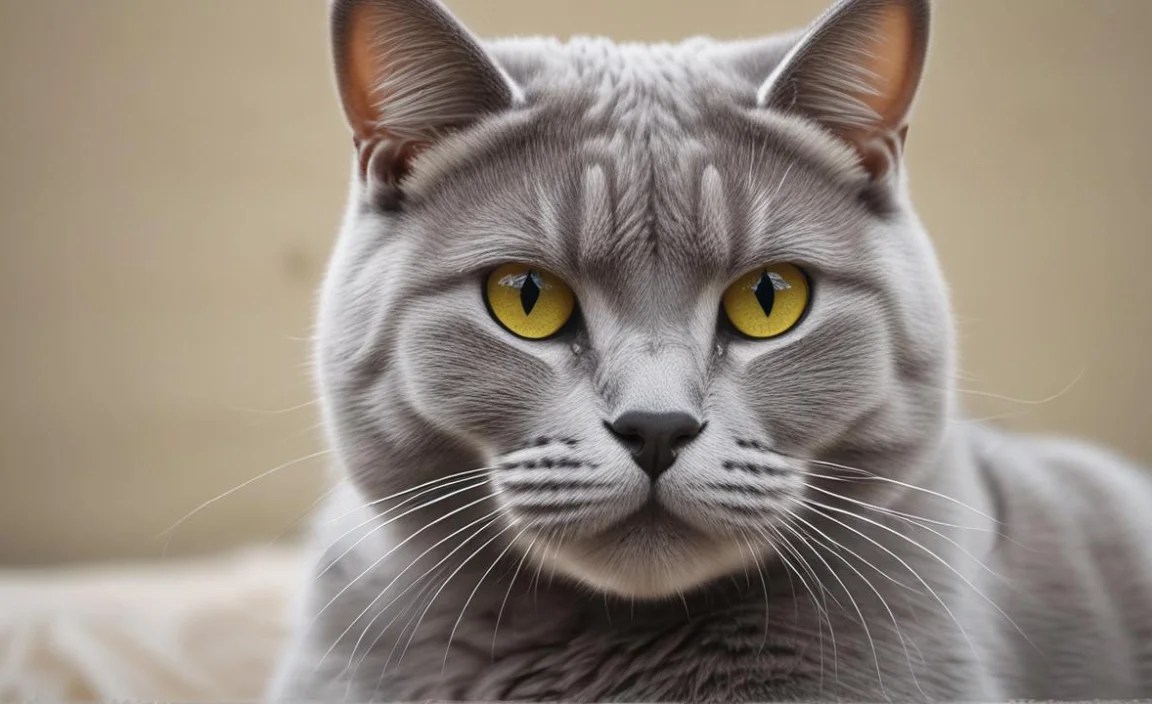
British Shorthairs are known for their round faces and stocky bodies. They can easily become overweight if they eat too much. Portion control is essential. It helps them maintain a healthy weight. Use a measuring cup to portion out their food. Don’t just eyeball it. This ensures you are giving them the right amount. Monitor their weight regularly. If they are gaining weight, reduce their portions. A healthy weight is vital for a long and happy life. Proper portion control is a cornerstone of a good British Shorthair cat diet.
- Use a measuring cup to portion out their food.
- Monitor their weight regularly.
- Adjust portions based on their activity level.
- Avoid giving too many treats.
- Weigh your cat monthly to track their progress.
Many owners struggle with knowing how much to feed their cat. The food label provides guidelines. But every cat is different. Consider your cat’s activity level. Active cats need more calories than less active cats. Also, consider their age. Kittens need more calories than senior cats. Talk to your vet for personalized advice. They can help you create a portion control plan. This plan will keep your British Shorthair at a healthy weight. This ensures a balanced British Shorthair cat diet.
Why Is Obesity a Concern?
Imagine carrying extra weight all the time. It would be tiring! Obesity can lead to many health problems in cats. These include diabetes, arthritis, and heart disease. It can also shorten their lifespan. Maintaining a healthy weight is vital for their well-being. Portion control helps prevent obesity. It also improves their quality of life. A healthy British Shorthair cat diet is essential for their long-term health.
How to Measure Food Portions?
Do you know how much food your cat should be eating? Use a measuring cup to portion out their food. This ensures you are giving them the right amount. Check the food label for feeding guidelines. These guidelines are a good starting point. But you may need to adjust the amount based on your cat’s needs. Weigh your cat regularly to monitor their weight. Adjust their portions as needed. Accurate measurement is key for a healthy British Shorthair cat diet.
What Are Healthy Treat Options?
Treats can be a fun way to bond with your cat. But they should only be given in moderation. Choose healthy treat options. These include small pieces of cooked chicken or fish. Avoid treats that are high in calories or artificial ingredients. Limit treats to no more than 10% of their daily calorie intake. Remember, treats are extra calories. They should not replace their regular food. A balanced British Shorthair cat diet limits treats.
Fun Fact or Stat: An overweight cat is more likely to develop diabetes and joint problems.
Wet vs. Dry Food: Pros and Cons

Choosing between wet and dry food can be confusing. Both have their advantages and disadvantages. Wet food has a higher water content. This helps keep your cat hydrated. It can also be easier to eat for older cats. Dry food is convenient and can help clean teeth. It’s also more affordable. The best choice depends on your cat’s individual needs. Some owners feed their cats a mix of both. This gives them the benefits of each type. A balanced British Shorthair cat diet considers both options.
| Feature | Wet Food | Dry Food |
|---|---|---|
| Moisture Content | High (70-80%) | Low (10-12%) |
| Dental Health | Minimal | Can help clean teeth |
| Convenience | Less convenient | More convenient |
| Cost | More expensive | Less expensive |
| Shelf Life (Once Opened) | Short (Needs Refrigeration) | Longer |
- Wet food has a higher water content, promoting hydration.
- Dry food can help clean teeth, reducing dental problems.
- Wet food is often more appealing to picky eaters.
- Dry food is more convenient to store and serve.
- Wet food is generally more expensive than dry food.
Many owners wonder if they should only feed their cat wet food or dry food. There is no right or wrong answer. It depends on your cat’s preferences and needs. If your cat doesn’t drink enough water, wet food is a good choice. If you want a convenient and affordable option, dry food is a good choice. Talk to your vet for advice. They can help you create a feeding plan. This plan will meet your cat’s individual needs. A well-planned British Shorthair cat diet considers both wet and dry food.
When Is Wet Food a Better Choice?
Imagine a cat with kidney problems. Wet food can be a lifesaver! Wet food’s high water content helps support kidney function. It also helps prevent urinary issues. Wet food is also a good choice for older cats. It’s softer and easier to eat. Picky eaters may also prefer wet food. It often has a stronger smell. This can encourage them to eat. A British Shorthair cat diet that includes wet food can be very beneficial.
When Is Dry Food a Better Choice?
Have you ever struggled to keep your cat’s teeth clean? Dry food can help! The crunchy texture can remove plaque and tartar. This helps prevent dental problems. Dry food is also convenient. You can leave it out for your cat to graze on throughout the day. It’s also more affordable than wet food. A British Shorthair cat diet can include dry food for dental health and convenience.
How to Combine Wet and Dry Food?
Can’t decide between wet and dry food? You don’t have to! You can feed your cat a mix of both. This gives them the benefits of each type. Feed wet food in the morning and dry food in the evening. Or mix a small amount of wet food with their dry food. Adjust the amounts based on your cat’s needs. A combined British Shorthair cat diet can provide the best of both worlds.
Fun Fact or Stat: Wet food can contain up to 80% water, helping cats stay hydrated.
Addressing Common Dietary Issues
Just like humans, cats can have dietary issues. Food allergies are common. Symptoms include skin problems, vomiting, and diarrhea. Food sensitivities can also cause digestive upset. Obesity is another common problem. It can lead to other health issues. Hairballs are also a frequent concern. A proper British Shorthair cat diet can help address these issues. Choose food that is free of common allergens. Control portion sizes to prevent obesity. Add fiber to their diet to help prevent hairballs.
- Identify and avoid common allergens.
- Control portion sizes to prevent obesity.
- Add fiber to their diet to help prevent hairballs.
- Consider hypoallergenic food options.
- Consult with your vet for dietary advice.
Many owners are unsure how to deal with their cat’s dietary issues. If you suspect your cat has a food allergy, talk to your vet. They can help you identify the allergen. They may recommend an elimination diet. This involves feeding your cat a special diet. This diet contains limited ingredients. Once the symptoms improve, you can gradually reintroduce other foods. This helps you pinpoint the allergen. A well-managed British Shorthair cat diet can resolve many dietary issues.
What Are Common Food Allergens?
Imagine your cat itching and scratching all the time. Food allergies can cause this! Common allergens include beef, dairy, and fish. Some cats are also allergic to chicken or grains. Read the ingredient list carefully. Choose food that is free of these allergens. Hypoallergenic food options are also available. These contain hydrolyzed proteins. These proteins are broken down into smaller pieces. This makes them less likely to cause an allergic reaction. An allergen-free British Shorthair cat diet can relieve their symptoms.
How to Prevent Hairballs?
Have you ever found a hairball on your floor? Cats groom themselves. They swallow hair. This hair can form hairballs in their stomach. Add fiber to their diet to help prevent hairballs. Fiber helps move the hair through their digestive system. Hairball control formulas are also available. These contain added fiber and lubricants. Regular grooming can also help. This removes loose hair before they swallow it. A fiber-rich British Shorthair cat diet can reduce hairballs.
How to Manage Food Sensitivities?
Does your cat have a sensitive stomach? Food sensitivities can cause vomiting or diarrhea. Choose food that is easy to digest. Avoid foods with artificial additives. Feed small, frequent meals. Probiotics can also help. These support healthy gut bacteria. Talk to your vet about the best approach. A gentle British Shorthair cat diet can soothe their digestive system.
Fun Fact or Stat: Cats spend up to 50% of their waking hours grooming, which can lead to hairballs.
Supplements for British Shorthairs
Sometimes, cats need extra support. Supplements can help fill nutritional gaps. Omega-3 fatty acids can improve skin and coat health. Probiotics can support digestive health. Glucosamine and chondroitin can support joint health. Taurine is essential for heart and eye health. However, not all cats need supplements. Talk to your vet before adding supplements to your cat’s diet. They can help you determine if they are necessary. They can also recommend the right dosage. A well-considered British Shorthair cat diet might include supplements.
- Omega-3 fatty acids improve skin and coat health.
- Probiotics support digestive health.
- Glucosamine and chondroitin support joint health.
- Taurine is essential for heart and eye health.
- Always consult with your vet before adding supplements.
Many owners wonder which supplements are safe for their cat. Always choose high-quality supplements. Look for products that are specifically designed for cats. Avoid giving human supplements to your cat. They may contain ingredients that are harmful. Follow the dosage instructions carefully. Too much of a supplement can be harmful. A balanced British Shorthair cat diet should provide most of the nutrients they need. Supplements should only be used to fill specific gaps.
What Are the Benefits of Omega-3 Fatty Acids?
Imagine your cat with a shiny, healthy coat. Omega-3 fatty acids can help! These fatty acids can improve skin and coat health. They can also reduce inflammation. This can help with allergies and arthritis. Omega-3 fatty acids are found in fish oil. You can add fish oil to their food. Or you can choose food that is already enriched with omega-3s. A British Shorthair cat diet supplemented with omega-3s can improve their coat.
What Are the Benefits of Probiotics?
Does your cat have digestive problems? Probiotics can help! These beneficial bacteria support healthy gut bacteria. They can improve digestion and reduce diarrhea. Probiotics are available in powder or capsule form. You can add them to their food. Look for probiotics that are specifically designed for cats. A British Shorthair cat diet that includes probiotics can improve their gut health.
What Are the Benefits of Joint Supplements?
Is your senior cat slowing down? Joint supplements can help! Glucosamine and chondroitin support joint health. They can reduce pain and inflammation. This can improve their mobility. These supplements are available in various forms. Talk to your vet about the best option for your cat. A British Shorthair cat diet supplemented with joint support can improve their quality of life.
Fun Fact or Stat: Omega-3 fatty acids can improve skin health, reducing itching and scratching in cats.
Summary
A proper British Shorthair cat diet is crucial for their health. It helps them maintain a healthy weight. It also supports their overall well-being. Choose high-quality food with real meat as the first ingredient. Avoid foods with excessive fillers. Control portion sizes to prevent obesity. Consider both wet and dry food options. A balanced diet, regular feeding schedule, and proper hydration are key.
Address any dietary issues promptly. Consult with your vet for personalized advice. They can help you create a feeding plan. This plan will meet your cat’s individual needs. Supplements can provide extra support. But always talk to your vet before adding them. A well-managed diet ensures a long and happy life for your furry friend.
Conclusion
Feeding your British Shorthair the right diet is an important job. You must choose the right food and control their portions. You should also watch for any dietary issues. Talk to your vet for advice. A healthy British Shorthair cat diet keeps them happy and healthy. Your cat will thank you with purrs and cuddles.
Frequently Asked Questions
Question No 1: What is the best food for a British Shorthair kitten?
Answer: British Shorthair kittens need food that supports their rapid growth. Look for kitten food that is high in protein and calories. The food should also contain essential nutrients. These include taurine, vitamins, and minerals. Feed them small, frequent meals throughout the day. This helps them get the energy they need. Always provide fresh water. A good British Shorthair cat diet for kittens ensures healthy development. Make sure the food is specifically formulated for kittens.
Question No 2: How much should I feed my adult British Shorthair?
Answer: The amount of food depends on your cat’s age, weight, and activity level. Check the food label for feeding guidelines. These guidelines are a good starting point. But you may need to adjust the amount based on your cat’s needs. Monitor your cat’s weight regularly. If they are gaining weight, reduce their food. If they are losing weight, increase their food. A balanced British Shorthair cat diet for adults helps maintain a healthy weight. Consult your vet if you are unsure.
Question No 3: Is wet food or dry food better for British Shorthairs?
Answer: Both wet and dry food have their benefits. Wet food has a higher water content. This helps keep your cat hydrated. It can also be easier to eat for older cats. Dry food is convenient and can help clean teeth. The best choice depends on your cat’s individual needs. Some owners feed their cats a mix of both. A good British Shorthair cat diet can include both wet and dry food. Make sure to monitor their weight and adjust their food as needed.
Question No 4: What are the signs of a food allergy in cats?
Answer: Food allergies can cause various symptoms in cats. Common signs include skin problems, such as itching and redness. They may also have vomiting or diarrhea. Some cats may experience hair loss or ear infections. If you suspect your cat has a food allergy, talk to your vet. They can help you identify the allergen. They may recommend an elimination diet. This involves feeding your cat a special diet with limited ingredients. A careful British Shorthair cat diet can help resolve allergies.
Question No 5: How can I prevent my British Shorthair from becoming overweight?
Answer: British Shorthairs are prone to obesity. Portion control is essential. Use a measuring cup to portion out their food. Avoid free-feeding, which means leaving food out all day. Feed your cat at the same times each day. This helps regulate their appetite. Provide plenty of exercise and playtime. This helps them burn calories. Limit treats to no more than 10% of their daily calorie intake. A healthy British Shorthair cat diet and regular exercise can prevent obesity.
Question No 6: Are there any supplements that are beneficial for British Shorthairs?
Answer: Some supplements can be beneficial for British Shorthairs. Omega-3 fatty acids can improve skin and coat health. Probiotics can support digestive health. Glucosamine and chondroitin can support joint health. Taurine is essential for heart and eye health. However, not all cats need supplements. Talk to your vet before adding supplements to your cat’s diet. They can help you determine if they are necessary. A balanced British Shorthair cat diet should provide most of the nutrients they need.


