
British Shorthair Behavior Problems? Proven Solutions

Have you ever seen a cat act strangely? Sometimes, cats do things we don’t understand. Some cats might scratch furniture. Others might spray urine. These can be british shorthair behavior problems. We need to learn why they happen. Then we can help our furry friends.
British Shorthairs are usually calm. But they can still have problems. Let’s find out what these problems are. We can also learn how to fix them. This will make our cats happier. It will also make us happier too.
Key Takeaways
- Early training and socialization helps prevent british shorthair behavior problems.
- Scratching is a normal behavior; provide scratching posts to protect furniture.
- Spraying often indicates stress or territory issues; identify and reduce the stress.
- Aggression can stem from fear, pain, or unmet needs; consult a vet for advice.
- Consistent routines, playtime, and attention enhance your cat’s well-being.
Common British Shorthair Behavior Problems

British Shorthairs are awesome cats. They are known for being calm. They are also known for being friendly. But, like all cats, they can have british shorthair behavior problems. Understanding these issues is very important. It helps us be good pet parents. We can then make our cats happy. Common problems include scratching. They also include spraying and aggression. Some cats might also have anxiety. Knowing why these things happen is key. We can then take steps to help our cats. This will improve their lives. It will also improve our lives. It’s all about understanding our furry friends better.
- Scratching is a normal cat behavior.
- Spraying can mean a cat is stressed.
- Aggression may mean a cat is scared.
- Anxiety can make a cat act strange.
- Boredom can cause bad behaviors.
Addressing these british shorthair behavior problems requires patience. It also needs understanding. Always remember that your cat is not trying to be bad. They are just trying to communicate. They might be telling you they are scared. They might be telling you they are stressed. Maybe they are just bored. By paying attention, you can figure out what’s wrong. Then you can take the right steps to help. This might mean getting a new toy. It might mean changing their environment. Or, it might mean talking to a vet. The goal is to make your cat feel safe and happy. This will reduce bad behaviors.
Why Is My Cat Scratching Everything?
Have you ever wondered why cats scratch? Scratching is a normal thing for cats. They do it to sharpen their claws. They also do it to stretch their bodies. Cats also scratch to mark their territory. They leave their scent behind. This tells other cats, “This is mine!” So, when your British Shorthair scratches your sofa, it’s not being naughty. It’s just doing what cats do. But, we don’t want them scratching our furniture! That’s why it’s important to give them a better place to scratch. A scratching post is a great idea. You can also get a scratching pad. Put it near the things they like to scratch. This will help them learn to scratch the right things.
Why Is My Cat Spraying?
Spraying is when a cat pees outside the litter box. It’s usually on walls or furniture. It is different from just peeing. Cats spray to mark their territory. They are saying, “This is my space!” This often happens when they feel stressed. Maybe there is a new pet in the house. Maybe they see other cats outside. Maybe they are just feeling anxious. To stop spraying, figure out why your cat is stressed. Make sure they feel safe. Clean the sprayed areas well. Use a special cleaner to remove the smell. This will stop them from spraying there again. You can also talk to your vet. They might have other ideas to help.
How Can I Stop My Cat From Biting?
Sometimes, British Shorthairs might bite. This can be scary. Especially if you don’t know why. Cats bite for different reasons. They might be playing. They might be scared. Or, they might be in pain. If your cat bites while playing, stop playing. Show them that biting is not okay. If they are scared, give them space. Let them calm down. If you think they are in pain, take them to the vet. A vet can check them out. They can also tell you if something is wrong. Never punish your cat for biting. This will only make them more scared. Instead, try to understand why they are biting. Then you can help them feel better.
Fun Fact or Stat: British Shorthairs are one of the oldest cat breeds in England, with origins dating back to the first century AD!
Dealing With Destructive Scratching in British Shorthairs

Destructive scratching is a big british shorthair behavior problem. Cats need to scratch. It keeps their claws healthy. It also helps them stretch. But when they scratch furniture, it’s a problem. The key is to give them good scratching places. Offer a variety of scratching posts. Some cats like vertical posts. Others like horizontal ones. Try different materials like sisal or cardboard. Put the posts where your cat likes to scratch. If they scratch the sofa, put a post right next to it. You can also use catnip to make the post more attractive. When your cat uses the post, give them a treat. This will help them learn to scratch the right things. This protects your furniture. It also makes your cat happy.
- Offer multiple scratching posts.
- Try different materials for posts.
- Place posts near scratched items.
- Use catnip to attract them to posts.
- Reward them for using the posts.
- Keep their nails trimmed regularly.
If your British Shorthair keeps scratching furniture, try covering it. Use blankets or plastic covers. This makes it less fun to scratch. You can also use double-sided tape. Cats don’t like sticky surfaces. So, they will avoid scratching there. Make sure to clean the scratched areas well. This removes the cat’s scent. They won’t be as likely to scratch there again. Consistency is very important. Keep offering good scratching places. Keep making the furniture less appealing. With patience, your cat will learn to scratch the right things. This will save your furniture. It also makes your cat happy. A happy cat is a good cat.
What Kind of Scratching Post Is Best?
Choosing the right scratching post can be tricky. Cats have different preferences. Some like tall posts. This lets them stretch fully. Others like flat cardboard scratchers. Observe your cat. See what they like to scratch. If they scratch the carpet, get a flat scratcher. If they scratch the sofa, get a tall post. Make sure the post is sturdy. It shouldn’t wobble when they scratch it. The material is also important. Sisal is a popular choice. It’s durable and feels good to cats. Cardboard is another good option. Some cats also like carpet. Experiment to find what your cat likes best. The right scratching post can make all the difference.
How Do I Protect My Furniture?
Protecting your furniture is important. Especially if your cat likes to scratch. Start by providing good scratching posts. Place them near the furniture. Cover the furniture with blankets or plastic. This makes it less appealing to scratch. You can also use double-sided tape. Cats don’t like the sticky feeling. There are also sprays that deter cats. They smell bad to cats, but not to humans. Reapply them regularly. Trim your cat’s nails. This makes their scratches less damaging. Consistency is key. Keep offering good scratching places. Keep protecting your furniture. With patience, you can save your furniture.
Should I Declaw My Cat?
Declawing is a surgery that removes a cat’s claws. Many vets and experts do not recommend it. It can cause pain and long-term problems. Cats need their claws for balance. They also need them for defense. Declawing can change how they walk. It can also make them more likely to bite. Instead of declawing, try other solutions. Provide scratching posts. Protect your furniture. Trim your cat’s nails. These are much better options. They keep your cat happy and healthy. They also protect your furniture. Declawing should only be considered as a last resort. It should only be done if there are serious medical reasons.
Fun Fact or Stat: A cat’s claws grow in layers, like an onion. Scratching helps them shed the outer layer to keep their claws sharp!
Stopping Spraying and Marking Problems
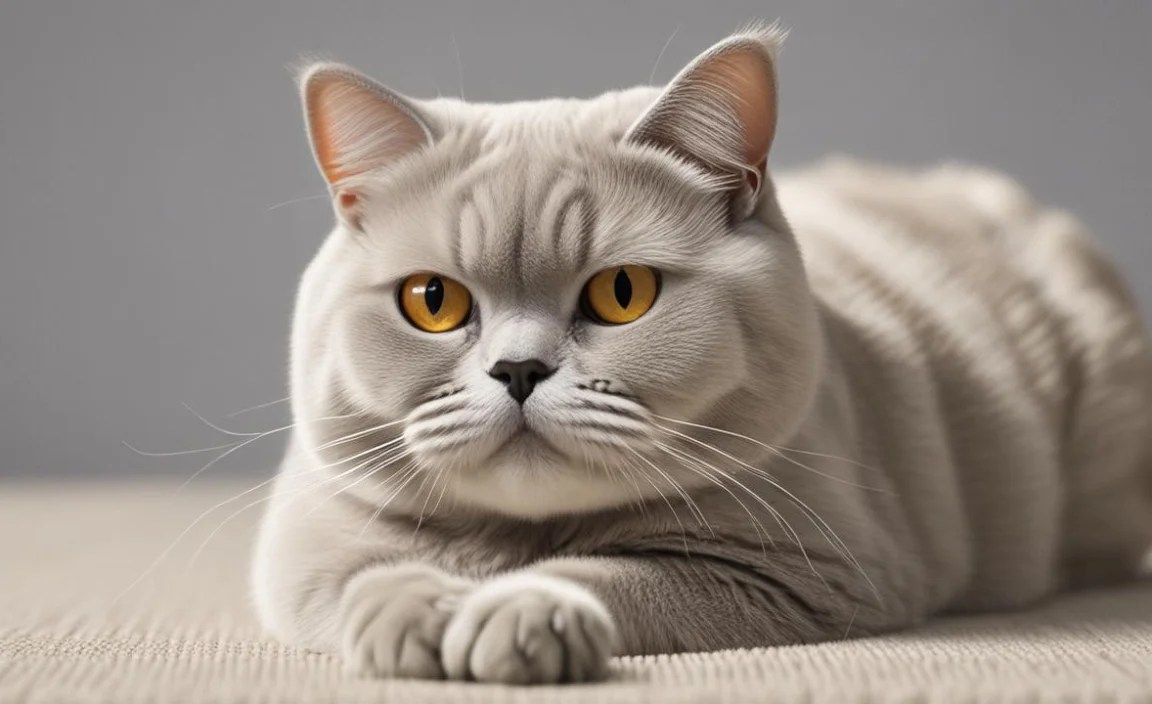
Spraying is a common british shorthair behavior problem. It’s different from normal peeing. Cats spray to mark their territory. They leave their scent. This tells other cats, “This is mine!” Spraying usually happens when a cat feels stressed. This stress could be from a new pet. It could also be from changes in the home. To stop spraying, find out what’s causing the stress. Make sure your cat feels safe. Provide plenty of resources. This includes food, water, and litter boxes. Clean sprayed areas very well. Use a special cleaner. This removes the scent. You can also use pheromone sprays. These sprays can help calm your cat. If spraying continues, talk to your vet. They might have other ideas.
| Problem | Possible Cause | Solution |
|---|---|---|
| Spraying | Stress, new pets, territorial issues | Clean areas, pheromone sprays, reduce stress |
| Scratching | Natural behavior, need to sharpen claws | Scratching posts, nail trimming |
| Aggression | Fear, pain, frustration | Vet check, safe spaces, calm environment |
| Anxiety | Changes, separation, loud noises | Consistent routine, safe spaces, calming aids |
Consistency is very important. Keep your cat’s routine the same. Feed them at the same time each day. Play with them at the same time each day. This helps them feel secure. Make sure they have a safe place to retreat. This could be a bed or a box. Never punish your cat for spraying. This will only make them more stressed. Instead, focus on making them feel safe and happy. With patience, you can solve spraying problems. A calm and happy cat is less likely to spray. This makes your home cleaner. It also makes your cat happier. It’s a win-win situation.
How Do I Clean Sprayed Areas?
Cleaning sprayed areas is very important. If you don’t clean them well, your cat will spray there again. Use a special cleaner designed for pet odors. These cleaners have enzymes. Enzymes break down the urine. This removes the smell completely. Regular cleaners just cover up the smell. Cats can still smell the urine. They will keep spraying to refresh their scent. Follow the instructions on the cleaner. Apply it to the sprayed area. Let it sit for the recommended time. Then, blot it up with a clean cloth. Repeat if necessary. A thorough cleaning is key to stopping spraying.
Do Pheromone Sprays Work?
Pheromone sprays can help calm cats. They mimic natural cat pheromones. These pheromones send a message of safety. This can reduce stress and anxiety. Pheromone sprays come in different forms. There are sprays you can use on furniture. There are also diffusers you can plug into the wall. Diffusers release pheromones continuously. Many cat owners find pheromone sprays helpful. They can reduce spraying and scratching. They can also make cats more relaxed. However, they don’t work for all cats. It’s worth trying to see if they help your cat. Always follow the instructions on the product.
When Should I See a Vet?
If your cat is spraying, it’s a good idea to see a vet. Spraying can sometimes be caused by medical problems. Urinary infections or bladder stones can make it painful to pee. This can lead to spraying. A vet can check your cat for these problems. They can also recommend treatment. If there is no medical problem, the vet can help with behavioral solutions. They might suggest pheromone sprays. They might also suggest medication for anxiety. A vet is a great resource for solving spraying problems. Don’t hesitate to seek their help.
Fun Fact or Stat: Cats have a sense of smell that is 14 times stronger than humans, making it crucial to eliminate urine odors completely!
Understanding Aggression in British Shorthairs

Aggression is a serious british shorthair behavior problem. It can be scary and dangerous. Cats can be aggressive for many reasons. They might be scared. They might be in pain. They might be protecting their territory. Or, they might be frustrated. If your cat is aggressive, it’s important to figure out why. Never punish your cat. This will only make them more scared. It can also make them more aggressive. Instead, try to understand what’s causing the aggression. Then, you can take steps to help. This might mean giving them more space. It might mean taking them to the vet. Or, it might mean changing their environment.
- Identify the cause of aggression.
- Never punish your cat.
- Provide safe spaces for them.
- Avoid situations that trigger them.
- Consult a vet for medical issues.
- Use calming aids if needed.
If your British Shorthair is aggressive, keep yourself safe. Avoid touching or approaching them when they are angry. Use a towel or blanket to protect yourself. If you need to move them, gently scoop them up in the towel. Take them to a safe place. Give them time to calm down. If the aggression is severe, talk to a vet or a cat behaviorist. They can help you understand the problem. They can also help you find solutions. With patience and understanding, you can help your cat overcome their aggression. This will make your home safer and happier.
Is My Cat Scared?
Fear is a common cause of aggression. If your cat is scared, they might lash out. They might hiss, scratch, or bite. Look for signs of fear. These include flattened ears, dilated pupils, and a tucked tail. If you think your cat is scared, remove the source of the fear. Give them a safe place to hide. Let them calm down. Don’t force them to interact with the thing they are scared of. With time, they will learn to feel safe again. This will reduce their aggression.
Could My Cat Be in Pain?
Pain can also cause aggression. If your cat is in pain, they might be grumpy. They might not want to be touched. They might lash out if you try to touch them. If you think your cat is in pain, take them to the vet. The vet can check them for injuries or illnesses. They can also recommend pain medication. Treating the pain can often reduce the aggression. A healthy cat is a happier cat. A happier cat is less likely to be aggressive.
What Is Redirected Aggression?
Redirected aggression is when a cat is angry at something they can’t reach. For example, they might see another cat outside the window. They want to attack that cat. But they can’t get to it. So, they turn their anger on someone nearby. This could be you or another pet. To prevent redirected aggression, block your cat’s view of the trigger. Close the curtains or blinds. If they are already angry, give them space. Let them calm down. Don’t try to touch or approach them. Redirected aggression can be scary. But understanding it can help you prevent it.
Fun Fact or Stat: Cats have about 250 muscles in their bodies, which allows them to be incredibly agile and react quickly to threats!
Dealing With Anxiety and Stress in British Shorthairs

Anxiety and stress can cause many british shorthair behavior problems. Cats can get anxious for different reasons. Changes in their routine can make them stressed. Loud noises can also scare them. Moving to a new home is a big stressor. If your cat is anxious, they might hide. They might also become more vocal. They might also start scratching or spraying. To help your cat, create a calm environment. Keep their routine consistent. Provide safe places for them to hide. You can also use calming aids. These include pheromone sprays and calming treats. If anxiety is severe, talk to your vet.
- Maintain a consistent routine.
- Provide safe hiding spots.
- Use calming pheromone products.
- Play with your cat regularly.
- Avoid sudden changes.
- Consider calming treats or supplements.
Playtime is a great way to reduce anxiety. It helps your cat burn energy. It also provides mental stimulation. Use toys that mimic hunting. Feather wands and laser pointers are great choices. Play with your cat every day. Even a few minutes can make a big difference. A tired cat is a happy cat. And a happy cat is less likely to be anxious. Remember, patience is key. It takes time for a cat to adjust to changes. Be patient and supportive. Your cat will eventually feel safe and secure. This will reduce their anxiety and improve their behavior.
How Can I Create a Safe Space?
A safe space is a place where your cat can retreat. It should be quiet and comfortable. A cardboard box is a simple option. You can also use a cat bed or a carrier. Put the safe space in a quiet area. Make sure your cat can access it easily. Don’t force your cat to go into the safe space. Let them go there on their own. This will help them feel in control. The safe space should be their sanctuary. It should be a place where they can relax and feel secure.
What Are Calming Treats?
Calming treats contain ingredients that can reduce anxiety. These ingredients include L-theanine and chamomile. These ingredients have a calming effect. Calming treats can be helpful for cats who are stressed. They can help them relax during stressful situations. These situations include vet visits and car rides. Always follow the instructions on the treat package. Don’t give your cat too many treats. Calming treats are not a replacement for other treatments. They are just a tool to help your cat feel more comfortable.
How Does Routine Help?
Cats are creatures of habit. They like routine. A consistent routine helps them feel secure. Feed your cat at the same time each day. Play with them at the same time each day. Clean their litter box at the same time each day. This predictable schedule helps them know what to expect. It reduces anxiety. Avoid sudden changes in their routine. If you have to make a change, do it gradually. This will give your cat time to adjust. A consistent routine is a simple way to improve your cat’s well-being.
Fun Fact or Stat: A cat’s whiskers are not just cute; they help them navigate in the dark by sensing changes in air currents!
Boredom and Lack of Stimulation: Root Causes
Boredom is a sneaky cause of british shorthair behavior problems. Cats need mental and physical stimulation. If they don’t get enough, they can get bored. Bored cats might start scratching furniture. They might also start overeating. Some cats become destructive. They might knock things off shelves. To prevent boredom, provide plenty of toys. Rotate the toys regularly. This keeps things interesting. Play with your cat every day. Use toys that mimic hunting. A bored cat is an unhappy cat. A happy cat is an active cat. Keep your cat busy and engaged. This will prevent boredom and bad behaviors.
- Provide a variety of toys.
- Rotate toys to keep them interesting.
- Play with your cat daily.
- Use puzzle feeders for mental stimulation.
- Consider a cat tree for climbing.
- Teach your cat tricks.
Puzzle feeders are a great way to provide mental stimulation. They make your cat work for their food. This keeps them busy and engaged. You can also teach your cat tricks. This is a fun way to bond with your cat. It also challenges their mind. Start with simple tricks like sit and stay. Use positive reinforcement. Reward them with treats when they do the trick correctly. A stimulated cat is a well-behaved cat. Prevent boredom by providing plenty of stimulation. This will improve your cat’s quality of life. It will also make your life easier.
What Are Good Toys for Bored Cats?
Good toys for bored cats mimic hunting. Feather wands are a classic choice. They let your cat chase and pounce. Laser pointers are also fun. But be careful not to shine them in your cat’s eyes. Puzzle toys are great for mental stimulation. They make your cat work for their food. Catnip toys are always a hit. They can make your cat playful and energetic. Rotate the toys regularly. This keeps things interesting. A variety of toys is key to keeping your cat engaged.
How Can I Make Feeding Time More Fun?
Feeding time doesn’t have to be boring. Use a puzzle feeder. This makes your cat work for their food. Hide food around the house. This encourages them to hunt. You can also use a slow feeder bowl. This slows down their eating. This can prevent overeating. Make feeding time an adventure. This will keep your cat mentally stimulated. A stimulated cat is a happy cat. And a happy cat is less likely to be bored.
Should I Get Another Cat?
Getting another cat can be a good way to combat boredom. But it’s not always the right solution. Some cats enjoy having a companion. Others prefer to be alone. Consider your cat’s personality. If they are friendly and social, they might enjoy a friend. If they are shy and independent, they might not. Introduce new cats slowly. Give them time to adjust to each other. Make sure they have plenty of resources. This includes food, water, and litter boxes. A new cat can provide companionship and stimulation. But it’s important to do it right.
Fun Fact or Stat: Cats can jump up to six times their height, which is why they love climbing and exploring high places!
Summary
British Shorthairs are usually calm and friendly. However, they can sometimes have british shorthair behavior problems. These problems include scratching, spraying, aggression, and anxiety. Understanding the causes of these behaviors is very important. We can then take steps to help our cats. Provide scratching posts to prevent furniture damage. Clean sprayed areas thoroughly to discourage repeat offenses. Identify and reduce stressors to minimize anxiety. Ensure your cat has plenty of toys and playtime to prevent boredom. Addressing these issues requires patience and understanding.
Remember, your cat is not trying to be bad. They are just trying to communicate. By paying attention to their behavior, you can figure out what’s wrong. Then you can take the right steps to help them feel safe and happy. This might mean getting a new toy. It might mean changing their environment. Or, it might mean talking to a vet. The goal is to create a happy and healthy home for your British Shorthair.
Conclusion
Addressing british shorthair behavior problems takes time and effort. We must understand their needs. We should give them love and care. We can make their lives better. We must offer scratching posts. We should clean up spraying. We can play with them every day. We should talk to the vet when needed. With patience, we can solve problems. Our cats will be happier. We will be happier too. A happy cat makes a happy home.
Frequently Asked Questions
Question No 1: Why is my British Shorthair suddenly spraying in the house?
Answer: Spraying is a common behavior in cats. They do this to mark their territory. It can be triggered by stress or changes. A new pet could cause this. Even rearranging furniture can stress them. Medical issues can also cause spraying. Urinary tract infections are a common cause. It’s important to clean the sprayed areas well. Use an enzymatic cleaner. This will remove the scent and discourage repeat spraying. If the problem continues, consult your vet to rule out medical issues. They can also give you tips to reduce stress. Sometimes, british shorthair behavior problems like spraying need medication.
Question No 2: How can I stop my British Shorthair from scratching the furniture?
Answer: Scratching is a normal cat behavior. They do it to sharpen their claws. They also stretch their bodies. The key is to redirect their scratching. Provide plenty of scratching posts. Place them near the furniture they like to scratch. Use different materials. Some cats like sisal. Others like cardboard. Make the scratching posts appealing. Rub catnip on them. Cover the furniture with blankets. You can also use double-sided tape. This makes it less appealing to scratch. Trim your cat’s nails regularly. This will reduce the damage. Consistency is very important. Keep offering good scratching places. This will protect your furniture.
Question No 3: My British Shorthair is biting me during playtime. What should I do?
Answer: Biting during playtime is a common issue. It often means your cat is overstimulated. They may be getting too excited. When your cat bites, stop playing immediately. Say “ouch” firmly. Then, walk away. This teaches them that biting stops the fun. Never use your hands as toys. This encourages biting. Use toys like feather wands. This keeps your hands safe. Make sure they have plenty of toys to play with. This can help them release energy. If the biting is severe, consult a vet. They can rule out medical issues. They can also give you advice on how to manage british shorthair behavior problems.
Question No 4: How can I help my British Shorthair adjust to a new home?
Answer: Moving to a new home can be stressful for cats. They are very attached to their territory. To help them adjust, make the new home feel safe. Provide a safe room. This should have their food, water, litter box, and bed. Keep them in this room for a few days. Let them explore at their own pace. Use pheromone diffusers. These can help calm them. Keep their routine consistent. Feed them at the same time each day. Play with them at the same time each day. Be patient. It takes time for them to adjust. Give them lots of love and attention. This will help them feel secure. Some british shorthair behavior problems stem from not adjusting well.
Question No 5: What are some signs that my British Shorthair is anxious or stressed?
Answer: Anxiety and stress can manifest in many ways. Your cat might hide more. They might also become more vocal. They might stop eating. They might also start scratching or spraying. Look for physical signs. These include dilated pupils. They also include rapid breathing. A change in their grooming habits could also be a sign. They might over-groom. Or, they might stop grooming. If you notice these signs, try to identify the cause. Is there a new pet in the house? Are there loud noises? Once you know the cause, you can take steps to reduce the stress. A calm environment can help your cat.
Question No 6: My British Shorthair is suddenly aggressive towards other cats in the house. What should I do?
Answer: Sudden aggression can be concerning. It’s important to figure out the cause. It could be territorial. One cat might feel threatened by the other. It could also be resource guarding. One cat might be protecting their food or water. Separate the cats immediately. Give them separate spaces. Reintroduce them slowly. Start with scent swapping. Rub a towel on one cat. Then, let the other cat smell it. Feed them on opposite sides of a closed door. This helps them associate each other with positive things. If the aggression continues, consult a vet or behaviorist. They can help you find a solution. Remember that british shorthair behavior problems such as sudden aggression can also be caused by underlying medical issues, so it’s important to rule those out first.


