
Cat Breeds with Folded Ears: The Ultimate Guide

Have you ever seen a cat with ears that fold forward? These unique cats are super cute. Their folded ears make them look like little owls. But what cat breeds with folded ears are there?
Some cats are born with straight ears. Then, their ears start to fold. It’s like a magic trick! These special cats come from different places. Let’s learn about these amazing cat breeds with folded ears.
Key Takeaways
- Some cat breeds with folded ears need extra care because of their ear shape.
- The Scottish Fold is the most well-known breed with charming folded ears.
- Kittens with the folded ear gene don’t always develop folded ears.
- Selective breeding helps maintain the unique folded ear trait in cats.
- The unique ear fold is due to a natural genetic mutation.
Exploring Cat Breeds With Folded Ears

Have you ever wondered why some cats have folded ears? It’s all thanks to a special gene! This gene affects the cartilage in their ears. The cartilage makes the ears bend forward. The most famous of these is the Scottish Fold. But, did you know that not all Scottish Fold kittens have folded ears? Some have straight ears. It depends on the genes they get from their parents. Breeders need to be careful when breeding these cats. Breeding two folded-ear cats can cause health problems. It’s important to know about the genetics of cat breeds with folded ears. This helps keep these cats healthy and happy. The gene that causes folded ears is a dominant gene. This means only one parent needs to have the gene for the kittens to possibly have folded ears.
- Folded ears are due to a genetic mutation.
- Not all kittens with the gene have folded ears.
- Scottish Folds are the most popular breed.
- Careful breeding is needed for healthy cats.
- The ear fold can vary in its degree.
The ear fold in cat breeds with folded ears can vary. Some cats have a single fold, while others have a triple fold. The triple fold makes the ears lie very flat against the head. This gives them an even more owl-like appearance. The way the ears fold can also change as the cat grows. A kitten might start with straight ears. Then, their ears might begin to fold as they get older. The shape and degree of the fold make each cat unique. Taking care of these cats means paying special attention to their ears. Regular cleaning can help prevent infections. It’s also important to have a vet check their ears regularly. This ensures they are healthy and comfortable. These adorable cats bring joy to many homes.
Fun Fact or Stat: The first Scottish Fold cat was discovered in Scotland in 1961. Her name was Susie, and she started the whole breed!
What Causes Folded Ears?
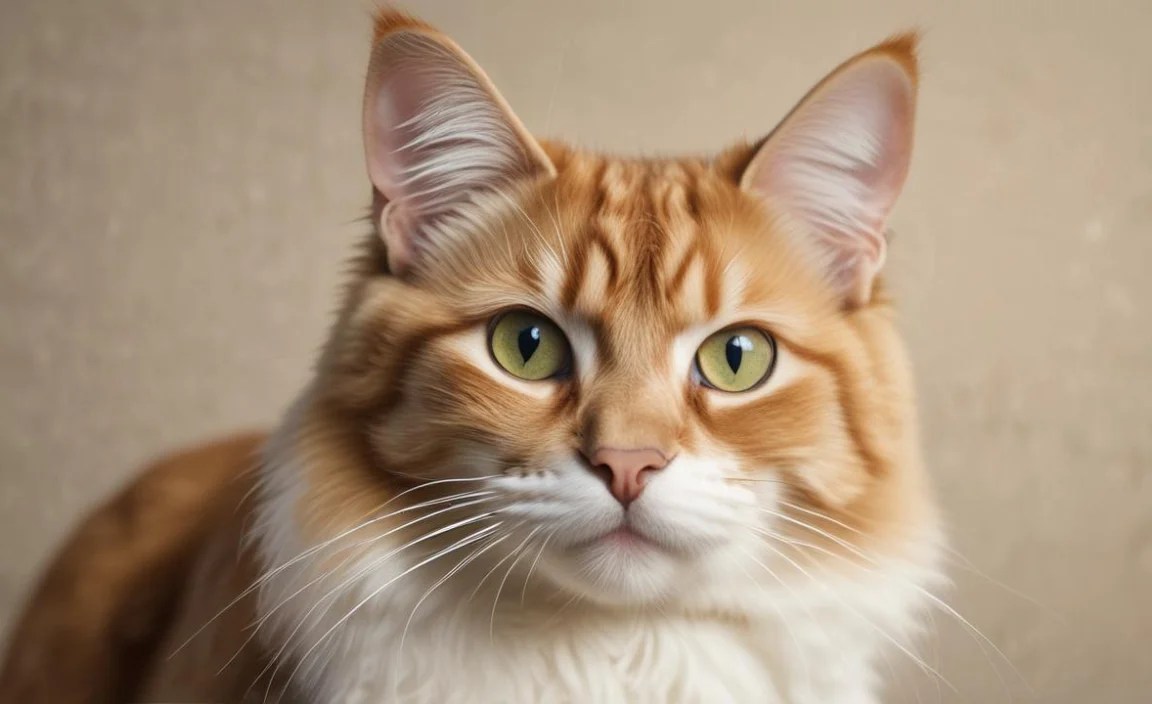
Ever wondered what makes those ears fold? It’s all about a tiny change in their genes. This change affects how cartilage grows in their body. Cartilage is what gives shape to our ears and noses. In Scottish Folds, this gene makes the cartilage bend. It causes their ears to fold forward. This gene is called the FD gene. When a kitten gets one copy of the FD gene, they might have folded ears. If they get two copies, they are more likely to have health problems. That’s why breeders are very careful. They usually only breed one folded-ear cat with one straight-ear cat. This helps to make sure the kittens are healthy and happy. Understanding the genetics helps us appreciate these unique cats even more.
The Role of Genetics

How important are genetics for folded ears? Super important! The gene that causes folded ears is a dominant gene. This means that if a cat has even one copy of the gene, their ears might fold. But it also means that not every kitten will have folded ears. If both parents have straight ears, their kittens will also have straight ears. If one parent has folded ears and one has straight ears, about half the kittens will have folded ears. It’s like a game of chance! Breeders use this knowledge to plan their breeding programs. They want to produce healthy kittens with the desired folded ear look. Genetics plays a big role in the health and appearance of cat breeds with folded ears.
Ethical Breeding Practices
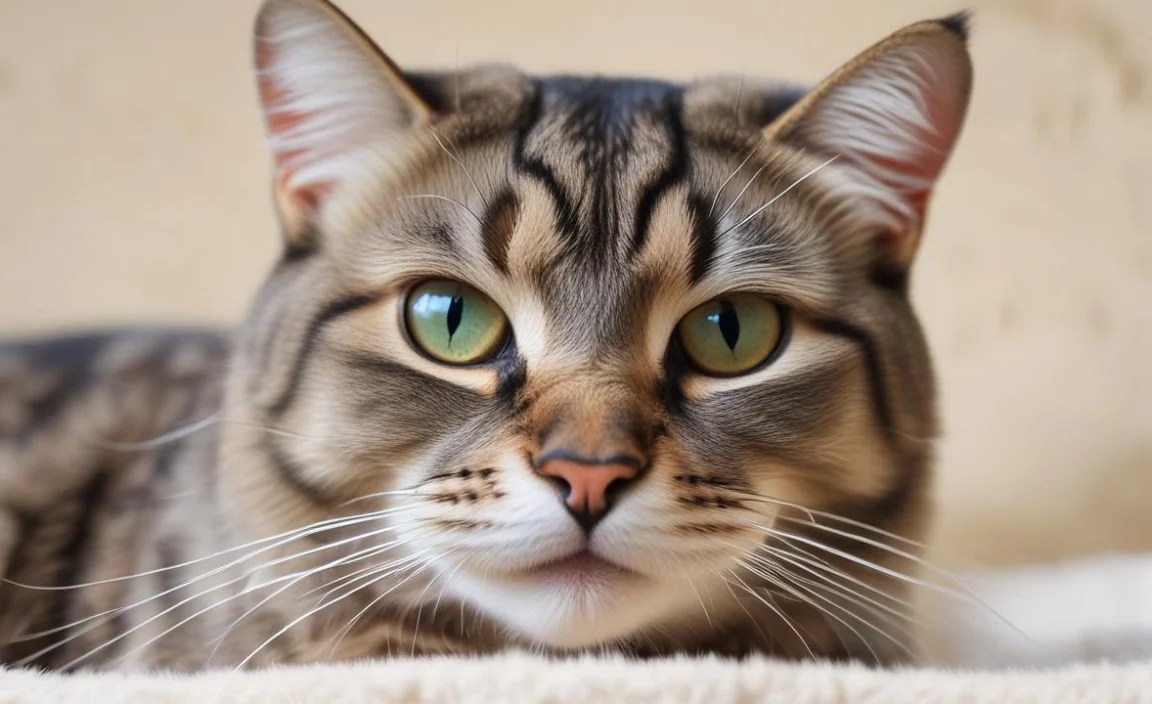
Why is ethical breeding so important? Ethical breeders care about the health and well-being of their cats. They understand the risks associated with the folded ear gene. Breeding two folded-ear cats together can cause serious health problems. These problems can include painful joint issues. Ethical breeders avoid this by only breeding one folded-ear cat with a straight-ear cat. They also screen their cats for other genetic problems. This helps to ensure that the kittens are as healthy as possible. Ethical breeding helps to protect the future of cat breeds with folded ears. It ensures that these cats can live long, happy, and healthy lives.
Scottish Fold: The Most Famous Folded Ear Cat Breed

The Scottish Fold is the most well-known of all the cat breeds with folded ears. These cats are famous for their sweet faces and gentle personalities. Their folded ears give them a unique and endearing look. Scottish Folds are medium-sized cats with round bodies and big eyes. They come in many different colors and patterns. These cats are known for being playful and affectionate. They love to be around people and make great family pets. However, it’s important to remember that Scottish Folds can have health problems. These problems are related to the gene that causes their folded ears. Responsible breeders take steps to minimize these risks. Owning a Scottish Fold can bring a lot of joy. But it also requires a commitment to their health and well-being. They are truly special cats.
- Scottish Folds are known for their sweet faces.
- They have a gentle and affectionate personality.
- These cats come in various colors and patterns.
- They can be prone to certain health issues.
- Responsible breeding is key for their health.
Scottish Folds have a fascinating history. The first Scottish Fold was a white barn cat named Susie. She was found in Scotland in 1961. Susie’s ears had a unique fold that had never been seen before. A local farmer named William Ross noticed Susie and her unusual ears. He adopted one of Susie’s kittens and started breeding them. This is how the Scottish Fold breed began. Today, Scottish Folds are popular all over the world. Their charming appearance and sweet nature have made them a favorite among cat lovers. The story of Susie the barn cat is a reminder that sometimes the most special things come from unexpected places. These cat breeds with folded ears continue to charm people around the globe.
Fun Fact or Stat: Scottish Folds are sometimes called “lap cats” because they love to cuddle with their owners!
History of the Scottish Fold

Where did the Scottish Fold come from? It all started with Susie, a white barn cat in Scotland. In 1961, Susie was discovered with unusual folded ears. William Ross, a farmer, saw Susie and was intrigued by her unique look. He and his wife Mary adopted a kitten from Susie and named her Snooks. They began breeding Snooks, and that’s how the Scottish Fold breed started. The Rosses worked hard to establish the breed. They faced challenges because of the health issues linked to the folded ear gene. Despite the challenges, the Scottish Fold became a beloved breed around the world. Their story is a testament to the impact one special cat can have.
Personality and Temperament

What are Scottish Folds like as pets? They are known for their sweet and gentle personalities. These cats are very affectionate and love to be around people. They often follow their owners from room to room. Scottish Folds are also playful and enjoy playing with toys. They are intelligent cats and can be trained to do tricks. They get along well with children and other pets, making them great family cats. However, it’s important to give them lots of attention and love. Scottish Folds thrive on companionship and don’t like to be left alone for long periods. Their loving nature makes them wonderful companions.
Health Considerations for Scottish Folds

Are there any health concerns with Scottish Folds? Yes, there are. The gene that causes their folded ears can also cause health problems. The most common problem is osteochondrodysplasia. This is a condition that affects the cartilage and bones. It can cause painful joint problems and arthritis. Not all Scottish Folds will develop this condition, but it’s a risk. Responsible breeders take steps to minimize this risk. They carefully select breeding pairs and monitor their cats for signs of the disease. If you’re considering getting a Scottish Fold, it’s important to be aware of these health concerns. Regular vet checkups and a healthy lifestyle can help keep them happy.
Caring for Cat Breeds With Folded Ears

Taking care of cat breeds with folded ears requires a little extra attention. Their unique ear shape can make them more prone to ear infections. This is because the folded ear can trap dirt and moisture. Regular ear cleaning is important to prevent infections. Use a gentle ear cleaner recommended by your vet. It’s also important to watch for signs of ear problems. These signs can include redness, swelling, or discharge. If you notice any of these signs, take your cat to the vet right away. Besides ear care, these cats need the same basic care as any other cat. This includes a healthy diet, regular exercise, and lots of love and attention. These cat breeds with folded ears make wonderful pets.
- Clean their ears regularly to prevent infections.
- Watch for signs of ear problems like redness.
- Provide a healthy diet and regular exercise.
- Give them lots of love and attention.
- Regular vet check-ups are important for their health.
Besides ear care, grooming is also important. Brush your cat regularly to prevent mats and tangles. This is especially important for long-haired breeds. Regular brushing also helps to reduce shedding. It keeps your cat’s coat looking healthy and shiny. Nail trimming is another important part of grooming. Trim your cat’s nails every few weeks to prevent them from getting too long. You can trim their nails yourself. Or, you can have a vet or groomer do it for you. Proper grooming helps to keep your cat comfortable and healthy. It also helps to strengthen the bond between you and your cat. Taking care of cat breeds with folded ears is a rewarding experience.
Fun Fact or Stat: Some owners use cotton balls to clean their folded ear cat’s ears, but always be gentle!
Ear Cleaning Techniques
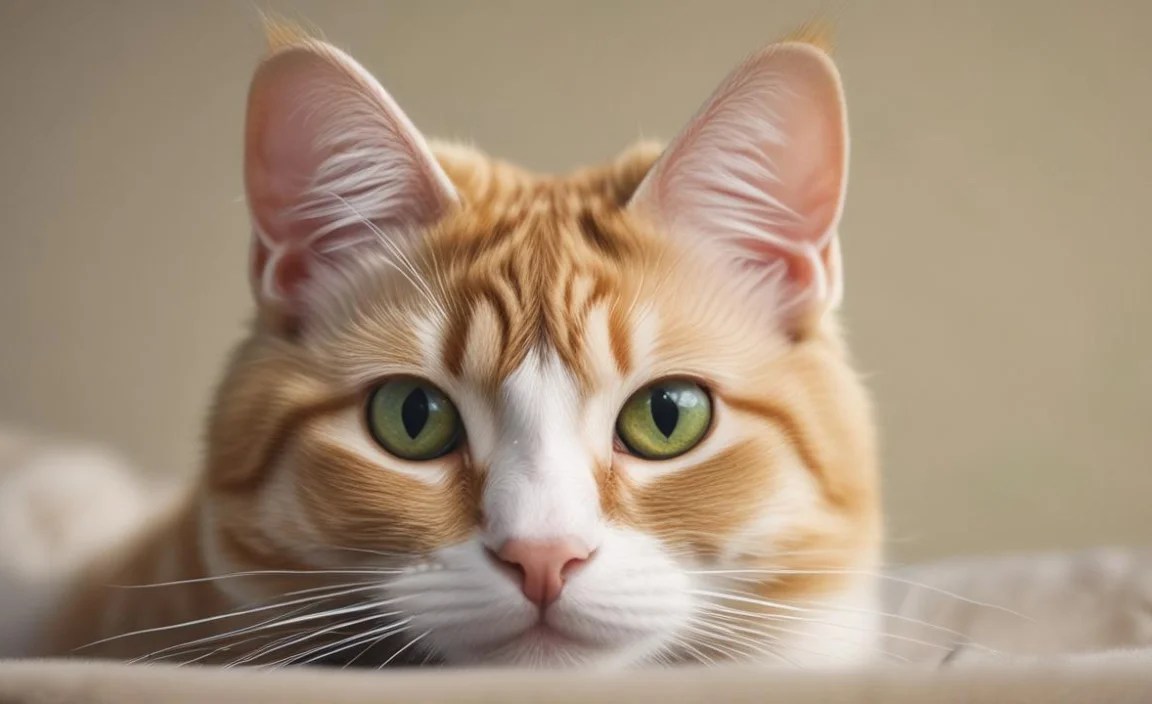
How do you clean those folded ears? Gently! Use a soft, damp cloth or cotton ball. Never stick anything deep into their ear canal. That can hurt them. Your vet can recommend a special ear cleaning solution. Lift the ear flap and gently wipe away any dirt or wax. Be careful not to rub too hard. If you see a lot of discharge or redness, call your vet. They might have an infection. Regular cleaning helps keep their ears healthy and happy. Make it a part of your regular grooming routine. Your cat will thank you for it.
Recognizing Ear Infections
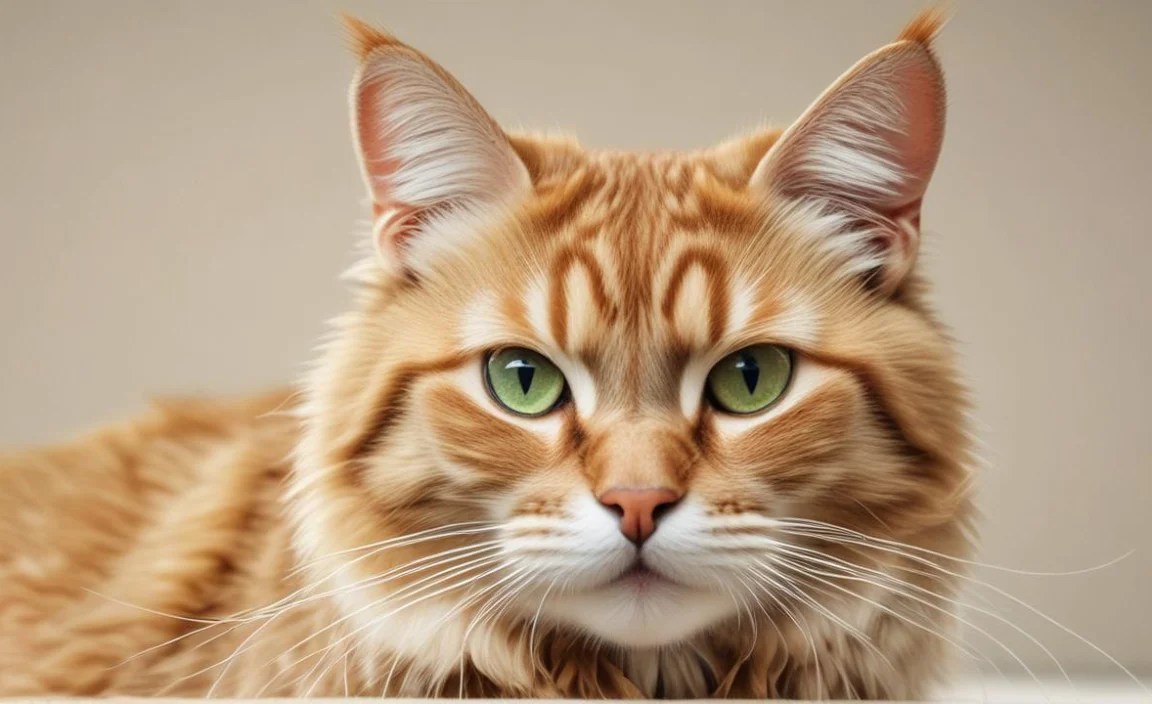
What are the signs of an ear infection? Look for redness, swelling, or discharge. Your cat might shake their head a lot or scratch at their ears. They might also tilt their head to one side. If you notice any of these signs, it’s time to see the vet. Ear infections can be painful and uncomfortable. The vet can examine your cat’s ears and prescribe the right treatment. Treatment might include ear drops or antibiotics. Early treatment can prevent the infection from getting worse. Keep a close eye on your cat’s ears. This helps to catch problems early.
Grooming Tips for Folded Ear Cats

What’s the best way to groom a folded ear cat? Be gentle and patient. Start by brushing their coat to remove loose hair. Pay special attention to their ears. Use a soft brush or cloth to clean around the folds. Check for any dirt or debris. Trim their nails regularly to prevent them from getting too long. Give them a bath if they get dirty. Use a cat-friendly shampoo. Dry them thoroughly after their bath. Regular grooming helps to keep them healthy and happy. It also helps to strengthen the bond between you and your cat. These grooming tips keep cat breeds with folded ears looking their best.
Potential Health Issues in Folded Ear Cats

While cat breeds with folded ears are adorable, they can face some health challenges. The gene that causes their folded ears can also affect their cartilage in other parts of their body. This can lead to a condition called osteochondrodysplasia. This condition can cause painful joint problems, especially in their legs and tail. Symptoms can include stiffness, lameness, and a reluctance to move. It’s important to choose a responsible breeder. Responsible breeders screen their cats for this condition. They also avoid breeding two folded-ear cats together. Regular vet checkups are also important. Your vet can monitor your cat for signs of joint problems. Early detection and treatment can help to manage the pain and improve their quality of life. Knowing about these potential health issues is key.
- Osteochondrodysplasia can cause joint problems.
- Symptoms include stiffness and lameness.
- Responsible breeders screen for the condition.
- Regular vet checkups are crucial for early detection.
- Early treatment can help manage pain.
If you suspect your cat has joint problems, see your vet right away. Treatment options can include pain medication, joint supplements, and physical therapy. Weight management is also important. Extra weight can put more stress on their joints. Provide a comfortable and supportive bed for your cat. This can help to ease their discomfort. Gentle exercise can also help to keep their joints mobile. Work with your vet to develop a plan that’s right for your cat. With proper care and management, cats with osteochondrodysplasia can still live happy and fulfilling lives. Understanding these health concerns allows you to better care for cat breeds with folded ears.
Fun Fact or Stat: Not all folded ear cats develop osteochondrodysplasia, but it’s a risk to be aware of.
Understanding Osteochondrodysplasia

What is osteochondrodysplasia, exactly? It’s a genetic disorder that affects cartilage and bone development. In cat breeds with folded ears, the same gene that causes the ear fold can also cause this condition. The cartilage in their joints doesn’t develop properly. This can lead to pain, stiffness, and arthritis. The severity of the condition can vary. Some cats may only have mild symptoms. Others may have more severe problems that affect their mobility. There is no cure for osteochondrodysplasia, but there are ways to manage the symptoms. Early diagnosis and treatment can help to improve their quality of life. It’s a serious condition that requires careful management.
Recognizing Symptoms Early
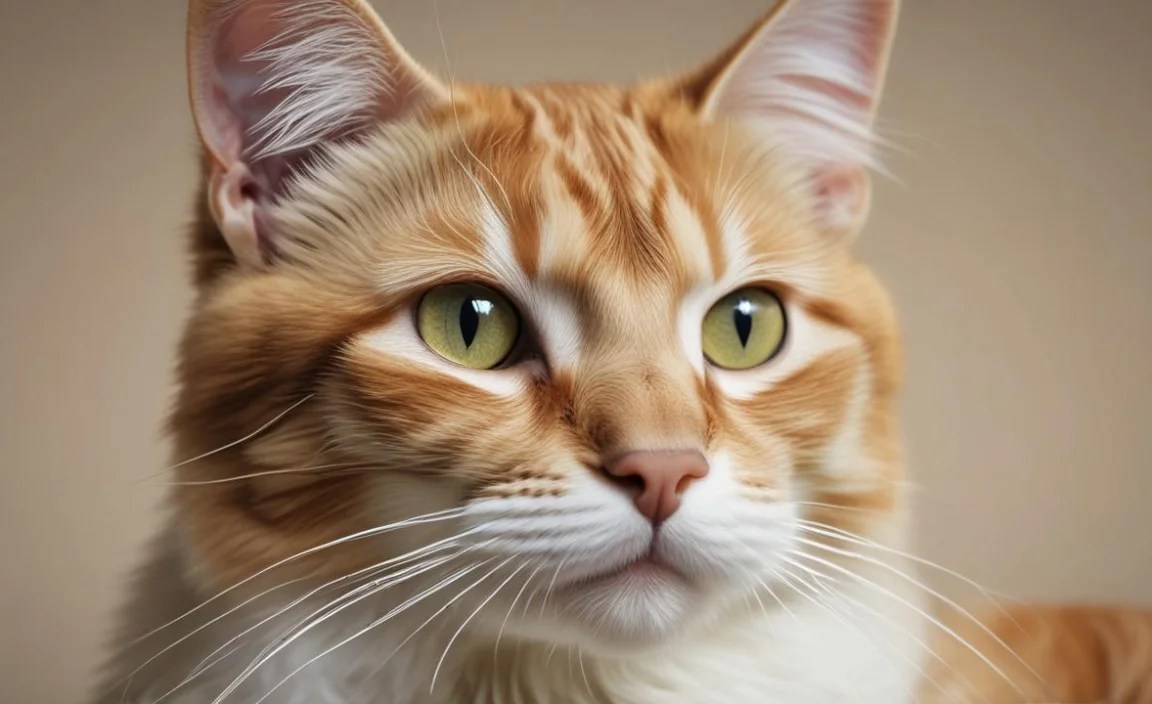
How can you tell if your cat has osteochondrodysplasia? Watch for signs of stiffness or lameness. They might have trouble jumping or climbing. They might also be reluctant to move or play. You might notice that they are not as active as they used to be. They might also lick or groom their joints excessively. If you notice any of these signs, see your vet right away. Early diagnosis is important. The sooner you start treatment, the better the outcome. Your vet can perform a physical exam and take X-rays to diagnose the condition. Recognizing the symptoms early can make a big difference.
Management and Treatment Options

What can you do if your cat has osteochondrodysplasia? There are several treatment options available. Your vet may prescribe pain medication to help manage the pain. Joint supplements, such as glucosamine and chondroitin, can also help to support joint health. Physical therapy can help to improve mobility and reduce stiffness. Weight management is also important. Keeping your cat at a healthy weight can reduce the stress on their joints. Provide a soft and comfortable bed for your cat to rest in. With proper care and management, cat breeds with folded ears with osteochondrodysplasia can still live happy lives.
Finding a Reputable Breeder of Folded Ear Cats

If you’re looking for cat breeds with folded ears, it’s important to find a reputable breeder. A good breeder will prioritize the health and well-being of their cats. They will screen their cats for genetic problems. They will also avoid breeding two folded-ear cats together. They should be knowledgeable about the breed and happy to answer your questions. A reputable breeder will also provide a clean and healthy environment for their cats. They will socialize their kittens from a young age. This helps them to become well-adjusted and friendly pets. Ask to see the breeder’s facilities and meet the parent cats. This will give you a better idea of how the cats are cared for. Choosing a responsible breeder is the best way to ensure that you get a healthy and happy kitten.
- Prioritize breeders who screen for genetic issues.
- Avoid breeders who breed two folded-ear cats.
- Choose breeders who are knowledgeable and helpful.
- Visit the breeder’s facilities and meet the cats.
- A good breeder socializes kittens from a young age.
When you visit a breeder, ask lots of questions. Ask about the health history of the parent cats. Ask about the breeder’s experience with the breed. Ask about the care and socialization of the kittens. A good breeder will be happy to answer all of your questions. They will also be transparent about any potential health issues. Be wary of breeders who seem secretive or unwilling to provide information. It’s also a good idea to check online reviews and ask for references. Talking to other people who have gotten kittens from the breeder can give you valuable insights. Finding a reputable breeder takes time and effort, but it’s worth it. It ensures that you get a healthy and well-socialized kitten. The health of cat breeds with folded ears depends on good breeding.
Fun Fact or Stat: Reputable breeders often have waiting lists because their kittens are in high demand.
Questions to Ask Breeders

What should you ask a breeder? Start with the basics. Ask about the health history of the parent cats. Have they been screened for genetic problems? What is their experience with cat breeds with folded ears? How do they socialize their kittens? What kind of food do they feed their cats? Can you see the kittens with their mother? A good breeder will be happy to answer all of these questions. They will also be honest about any potential health issues. Don’t be afraid to ask tough questions. It’s important to be informed before you make a decision.
Red Flags to Watch For
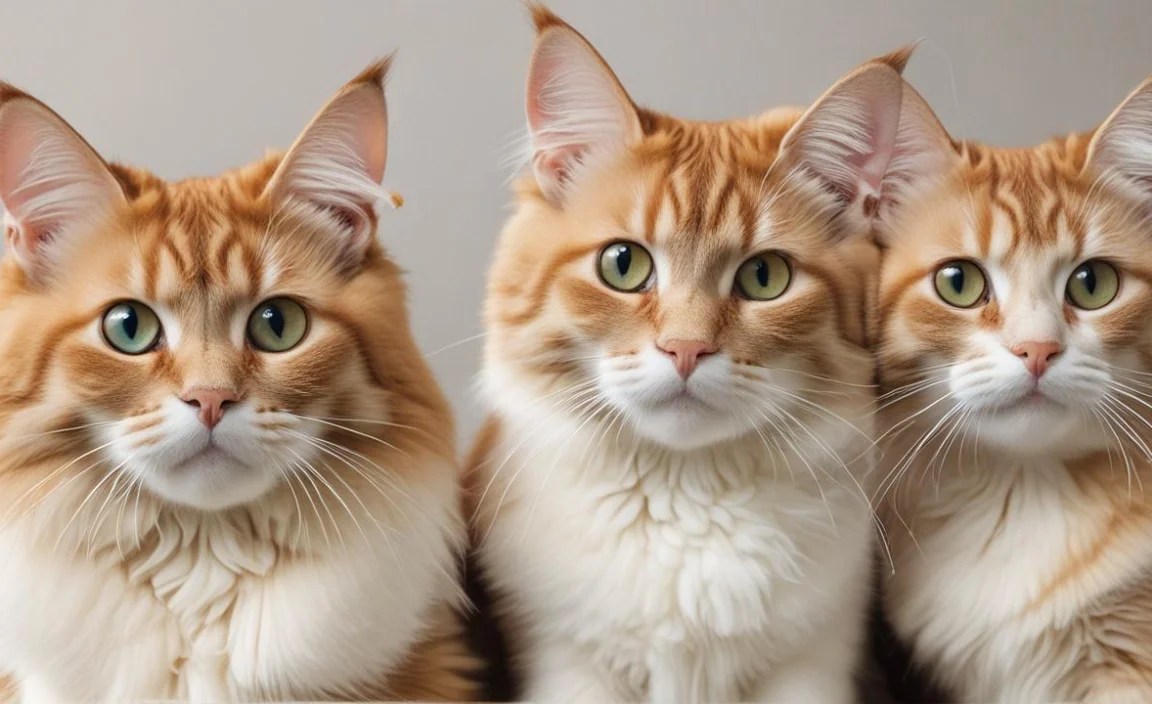
What are some red flags to watch for when choosing a breeder? Be wary of breeders who seem secretive or unwilling to provide information. Avoid breeders who breed two folded-ear cats together. This is a sign that they are not prioritizing the health of their cats. Be cautious of breeders who have lots of different breeds of cats. They may not be as knowledgeable about each breed. Also, be wary of breeders who sell kittens at very low prices. This could be a sign that they are cutting corners on care and health. Trust your instincts. If something doesn’t feel right, it’s best to walk away.
Importance of Health Testing

Why is health testing so important? Health testing can help to identify genetic problems before they are passed on to kittens. Responsible breeders screen their cats for common health issues, such as osteochondrodysplasia. This allows them to make informed decisions about breeding pairs. Health testing can also help to identify carriers of genetic diseases. Carriers don’t have the disease themselves, but they can pass it on to their offspring. By health testing, breeders can reduce the risk of producing kittens with health problems. This is essential for the health and well-being of cat breeds with folded ears. It ensures that these cats can live long, happy, and healthy lives.
Other Cat Breeds With Similar Traits

While the Scottish Fold is the most famous, there aren’t many other cat breeds with folded ears. The Highland Fold is another breed with folded ears. It is essentially a long-haired version of the Scottish Fold. These cats share the same folded ear gene and similar health concerns. Breeders have worked to develop these breeds. They aim to maintain the unique ear shape while promoting good health. Outcrossing with other breeds can help to improve genetic diversity. This reduces the risk of inherited health problems. Exploring these breeds can give you a better understanding of the genetics behind the folded ear trait. It also helps you appreciate the diversity within the cat world.
- Highland Folds are long-haired Scottish Folds.
- Both breeds share the same folded ear gene.
- Outcrossing can improve genetic diversity.
- Breeders aim to maintain ear shape and good health.
- Understanding genetics is key to appreciating these breeds.
The development of these breeds highlights the importance of responsible breeding practices. Breeders must carefully select breeding pairs to minimize the risk of health problems. They should also be transparent with potential owners about the potential health concerns. Owning one of these cats requires a commitment to their health and well-being. Regular vet checkups and a healthy lifestyle are essential. With proper care, these cats can live long and happy lives. These cat breeds with folded ears require a special kind of owner. Owners must be prepared to deal with their unique needs.
Fun Fact or Stat: Highland Folds have a luxurious coat that requires regular grooming to prevent mats and tangles.
The Highland Fold
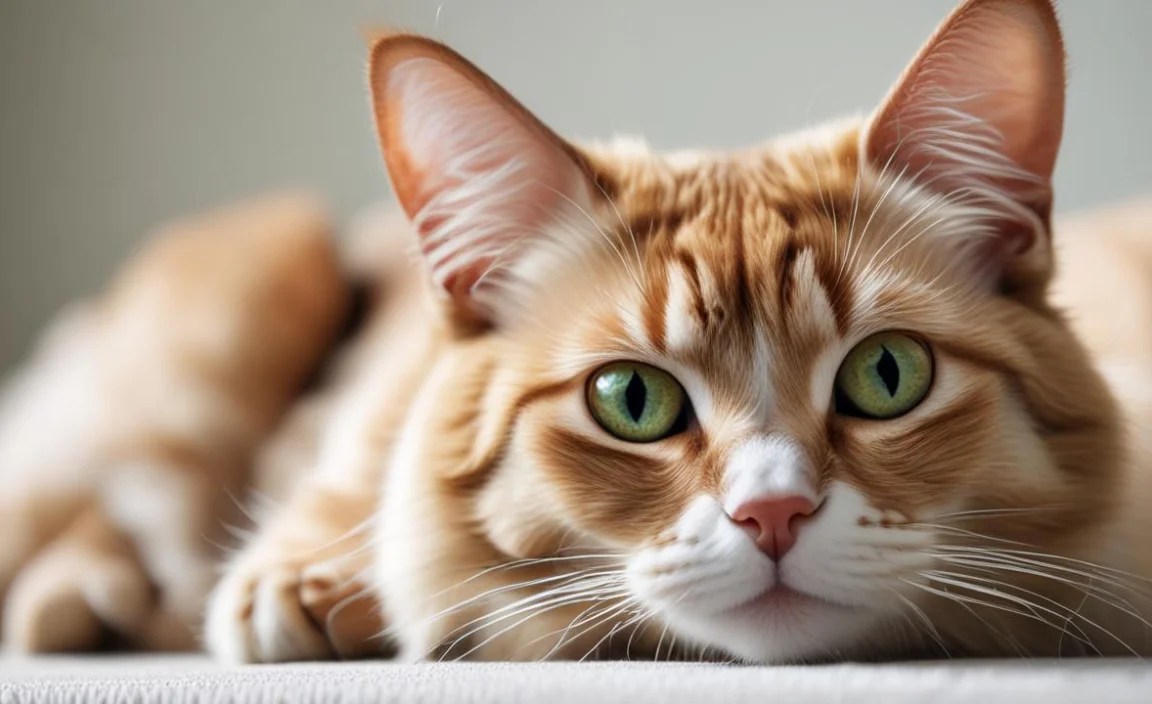
What is a Highland Fold? It’s essentially a long-haired version of the Scottish Fold. They share the same folded ear gene and similar health concerns. Highland Folds have a soft, fluffy coat that requires regular grooming. They come in a variety of colors and patterns. Their personality is similar to the Scottish Fold. They are gentle, affectionate, and playful. Highland Folds make wonderful companions. They thrive on attention and love to be around people. If you’re looking for a long-haired cat with folded ears, the Highland Fold might be a perfect choice. They are beautiful and loving cats.
Similarities and Differences
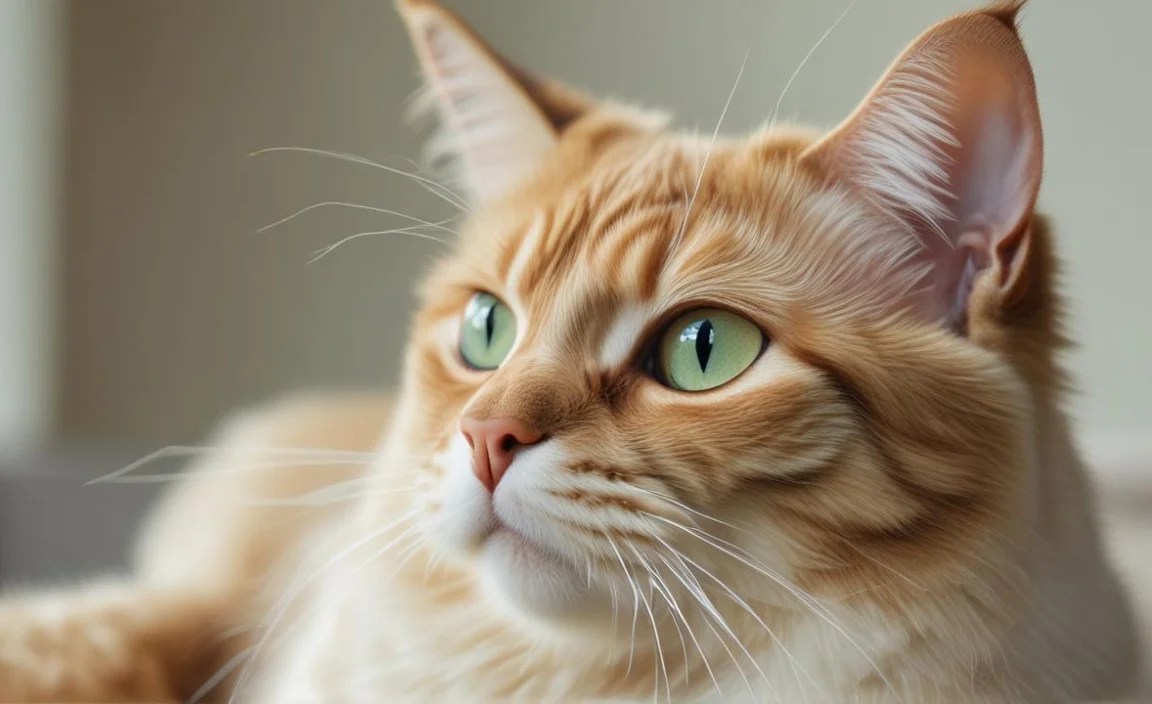
What are the similarities and differences between Scottish Folds and Highland Folds? The main difference is their coat length. Scottish Folds have short coats. Highland Folds have long coats. Both breeds share the same folded ear gene and similar health concerns. They also have similar personalities. Both breeds are gentle, affectionate, and playful. They both make great family pets. The choice between a Scottish Fold and a Highland Fold often comes down to personal preference. Do you prefer a short-haired or a long-haired cat? Both breeds are wonderful companions.
Genetic Diversity
Why is genetic diversity important? Genetic diversity helps to reduce the risk of inherited health problems. When breeds have limited genetic diversity, they are more prone to genetic diseases. Outcrossing with other breeds can help to increase genetic diversity. This can improve the overall health of the breed. Responsible breeders understand the importance of genetic diversity. They take steps to maintain it in their breeding programs. This is essential for the long-term health and well-being of cat breeds with folded ears. It ensures that these cats can live long and healthy lives.
Choosing the Right Folded Ear Cat for You

Choosing a pet is a big decision. When considering cat breeds with folded ears, there are many things to think about. First, consider your lifestyle. Do you have time to provide the care and attention they need? Are you prepared to deal with potential health issues? Do you have children or other pets? These cats are generally good with children and other pets. However, it’s important to introduce them properly. Think about your budget. These cats can be expensive to purchase and care for. Factor in the cost of food, vet care, and grooming. If you are prepared for a folded ear cat then you must find a reputable breeder.
- Consider your lifestyle and available time.
- Be prepared for potential health issues.
- Think about your budget for care and vet visits.
- Ensure a proper introduction to kids or other pets.
- Find a reputable breeder for a healthy kitten.
Before you bring your new kitten home, prepare your home. Make sure you have everything they need, such as food, water, a litter box, and toys. Create a safe and comfortable space for them. Give them time to adjust to their new surroundings. Be patient and understanding. It may take them a few days or weeks to fully settle in. With love and care, your new cat breeds with folded ears will become a cherished member of your family. Remember to spend time with them and to show them plenty of affection. They thrive on human companionship.
Fun Fact or Stat: Many owners of folded ear cats say their unique appearance makes them even more lovable!
Lifestyle Compatibility
Does a folded ear cat fit your lifestyle? If you work long hours or travel frequently, a folded ear cat might not be the best choice for you. They need lots of attention and companionship. They can get lonely if they are left alone for long periods. If you have a busy household with lots of activity, they might do well. They are adaptable and enjoy being around people. Consider your lifestyle carefully before you make a decision. Make sure you can provide the care and attention they need. A well-cared-for cat will thrive and bring you joy.
Financial Considerations
What are the financial costs of owning a folded ear cat? The initial cost of purchasing a kitten can be high. You’ll also need to factor in the cost of food, vet care, and grooming. These cats may be prone to certain health issues, which can lead to higher vet bills. Pet insurance can help to offset some of these costs. Consider your budget carefully before you get a pet. Make sure you can afford to provide the care they need. It’s important to be prepared for both the expected and unexpected expenses of pet ownership. Planning helps with cat breeds with folded ears.
Preparing Your Home
How can you prepare your home for a new cat? Start by creating a safe and comfortable space for them. Provide a litter box, food and water bowls, and a cozy bed. Remove any potential hazards, such as toxic plants or cleaning supplies. Cat-proof your home by securing loose wires and cables. Provide scratching posts to protect your furniture. Introduce your new cat to their new home slowly and gradually. Give them time to explore and adjust. Be patient and understanding. With a little preparation, you can create a welcoming and safe environment for your new cat breeds with folded ears.
| Breed | Ear Type | Coat Length | Common Issues |
|---|---|---|---|
| Scottish Fold | Folded | Short | Osteochondrodysplasia |
| Highland Fold | Folded | Long | Osteochondrodysplasia |
| American Curl | Curled Back | Short/Long | Generally Healthy |
| Other Breeds | Straight | Varies | Varies |
Summary
Cat breeds with folded ears, like the Scottish Fold and Highland Fold, are known for their unique and endearing appearance. Their folded ears are caused by a genetic mutation. This affects the cartilage in their ears. While their folded ears make them adorable, it’s important to be aware of potential health issues. Osteochondrodysplasia is a common concern. Responsible breeders screen their cats for this condition. They also avoid breeding two folded-ear cats together. Caring for these cats requires extra attention. Regular ear cleaning and vet checkups are essential. Choosing a reputable breeder is crucial. It ensures that you get a healthy and well-socialized kitten. These cats can make wonderful companions for the right owner.
Conclusion
Cat breeds with folded ears are truly special. Their unique appearance and gentle personalities make them beloved pets. However, owning one of these cats requires a commitment to their health and well-being. Be prepared to provide the necessary care and attention. Choose a responsible breeder who prioritizes health. With proper care and love, these cats can bring joy to your life. They will also make loving companions for many years. Remember that their beauty comes with extra responsibility.
Frequently Asked Questions
Question No 1: What exactly causes the ears to fold in these cat breeds?
Answer: The folded ears in cat breeds with folded ears are due to a genetic mutation that affects the cartilage throughout their body, particularly in their ears. This mutation causes the cartilage to soften and bend, resulting in the characteristic folded appearance. The gene responsible for this trait is called the FD gene. While it gives them their unique look, it can also lead to health issues. Ethical breeders are very careful about breeding programs. They focus on minimizing the risk of these health problems to ensure healthy kittens. Understanding this genetic component is essential for responsible ownership.
Question No 2: Are there any specific health concerns I should know about?
Answer: Yes, there are specific health concerns associated with cat breeds with folded ears, primarily due to the same genetic mutation that causes their ears to fold. The most significant concern is osteochondrodysplasia. This condition can lead to painful joint problems and arthritis. It’s important to choose a reputable breeder who screens their cats for this condition and avoids breeding two folded-ear cats together. Regular vet checkups are crucial for early detection and management of any potential health issues. Owners should be vigilant about any signs of stiffness or discomfort in their cats and seek veterinary care promptly. Early intervention can help manage pain and improve their quality of life.
Question No 3: How do I properly clean the ears of a cat with folded ears?
Answer: Cleaning the ears of cat breeds with folded ears requires a gentle approach. Their folded ears can trap dirt and moisture, making them more prone to infections. Use a soft, damp cloth or cotton ball to gently wipe the outer ear. Avoid inserting anything deep into the ear canal, as this can cause injury. Your vet can recommend a special ear cleaning solution that is safe for cats. Regularly check their ears for any signs of redness, swelling, or discharge. If you notice anything unusual, consult your vet. Proper ear cleaning helps prevent infections and keeps your cat comfortable.
Question No 4: Can a kitten be born with straight ears that later fold?
Answer: Yes, a kitten can be born with straight ears that later begin to fold. The folding process typically starts when the kitten is around 21 days old. Not all kittens with the folded ear gene will develop folded ears. Some may retain straight ears throughout their lives. The degree of the fold can also vary. Some cats have a single fold, while others have a triple fold. The ear fold may continue to develop and change as the cat grows. This makes each of the cat breeds with folded ears unique.
Question No 5: What is the best way to find a reputable breeder of folded ear cats?
Answer: Finding a reputable breeder for cat breeds with folded ears requires careful research. A good breeder will prioritize the health and well-being of their cats. They should screen their cats for genetic problems and avoid breeding two folded-ear cats together. Visit the breeder’s facilities and meet the parent cats. Ask lots of questions about their breeding practices and the health history of their cats. Check online reviews and ask for references. A reputable breeder will be transparent and happy to provide information. Trust your instincts. If something doesn’t feel right, it’s best to look elsewhere.
Question No 6: Are folded ear cats good with children and other pets?
Answer: Yes, cat breeds with folded ears are generally known to be good with children and other pets. They have gentle and affectionate personalities. This makes them well-suited for family life. However, it’s important to introduce them properly. Supervise interactions between cats and young children. Ensure that children know how to handle cats gently. Gradual introductions to other pets can help them to get along. With proper socialization and supervision, these cats can thrive in multi-pet households. Their loving nature makes them wonderful companions for people of all ages.


