
Cat Breeds Prone to Joint Problems: A Smart Guide

Did you know some cats can have trouble with their joints? Just like people, cats can get sore. This can make it hard for them to run and play. Some cat breeds are more likely to have these problems. We will talk about cat breeds prone to joint problems. Knowing about this can help you care for your furry friend.
Key Takeaways
- Early detection and vet care are key for cat breeds prone to joint problems.
- Regular, gentle exercise helps keep joints healthy and strong in cats.
- Maintaining a healthy weight reduces stress on a cat’s joints.
- Some cat breeds are more likely to develop joint issues than others.
- Joint supplements and special diets can support joint health.
Cat Breeds and Joint Problems
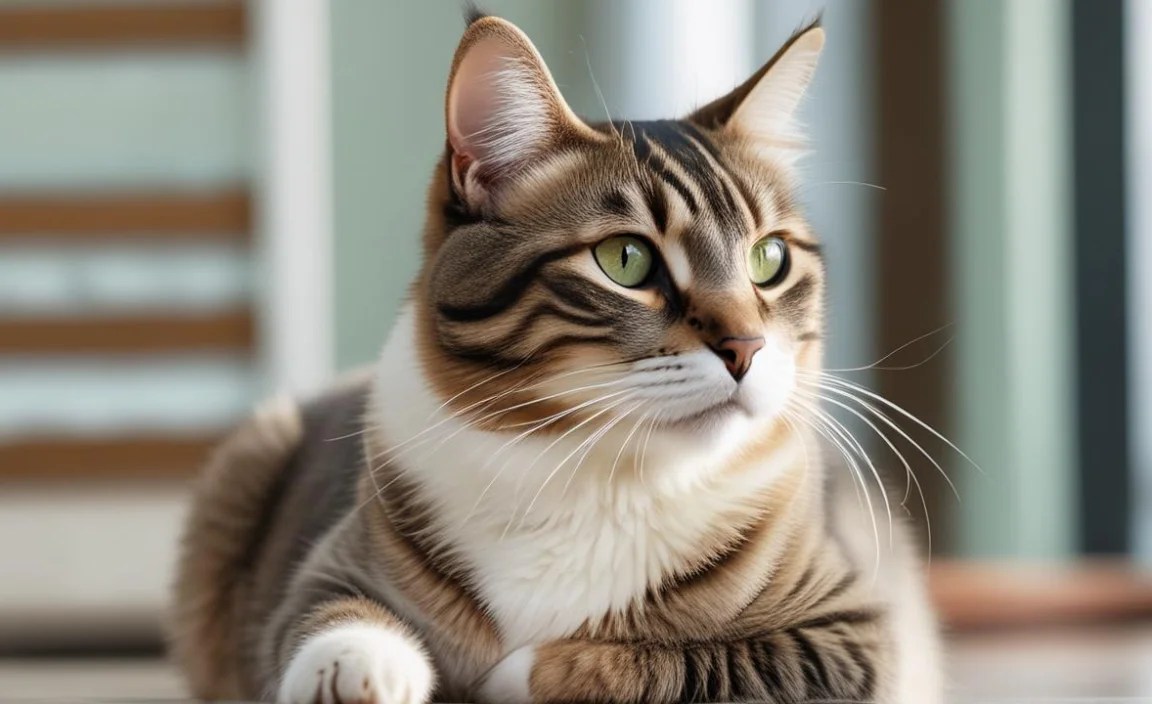
Certain cat breeds are more likely to have joint problems. This can be due to their genes. It can also be because of how they are built. For example, large cats can put more stress on their joints. Cats with unusual body shapes might also have issues. Knowing which breeds are at risk can help you be prepared. You can watch for signs of trouble. You can also talk to your vet about ways to help. Taking care of your cat’s joints is very important. It helps them stay happy and active. Are you ready to learn about which cats are more at risk?
- Maine Coons can have hip problems.
- Scottish Folds may get arthritis.
- Persian cats sometimes have knee issues.
- Siamese cats can develop joint problems.
- Himalayan cats might also face joint issues.
It’s important to remember that not all cats of these breeds will have problems. But, they are more likely to have them. So, it’s good to be aware. If you have one of these cat breeds, talk to your vet. Ask about things you can do to keep their joints healthy. This might include special food. It could also mean giving them joint supplements. Gentle exercise is also important. Watch for signs of pain or stiffness. If you see something, get it checked out. Early treatment can make a big difference.
Fun Fact or Stat: Did you know that about 60% of cats over the age of 6 show some evidence of arthritis on X-rays?
What is Feline Hip Dysplasia?
Have you ever heard of hip dysplasia in cats? It’s when the hip joint doesn’t fit together quite right. This can cause pain and make it hard to walk. It’s more common in some cat breeds prone to joint problems. Large breeds like Maine Coons are often affected. The hip joint is like a ball and socket. When it’s healthy, the ball fits snugly in the socket. But with hip dysplasia, the ball can slip out. This causes friction and damage. Over time, it can lead to arthritis. If you think your cat might have hip dysplasia, see your vet. They can do tests to find out.
How Does Arthritis Affect Cats?
Arthritis can make a cat’s joints stiff and sore. It can be hard for them to jump or climb. They might not want to play as much. Arthritis happens when the cartilage in the joints wears away. Cartilage is like a cushion. It protects the bones from rubbing together. When it’s gone, the bones grind against each other. This causes pain and inflammation. Cat breeds prone to joint problems, like Scottish Folds, are more likely to get arthritis. But any cat can get it as they get older. If you notice your cat is moving slower, talk to your vet.
What are the Signs of Joint Pain?
Sometimes, cats hide their pain. So, it can be hard to know if they have joint problems. But, there are some signs you can look for. Is your cat not jumping as high as before? Are they having trouble getting in and out of the litter box? Do they seem stiff when they get up? Are they grooming themselves less? These could all be signs of joint pain. If you notice any of these things, take your cat to the vet. The vet can check their joints and see if there’s a problem. The sooner you catch it, the better you can help your cat.
Genetic Predisposition to Joint Issues

Some cat breeds prone to joint problems inherit these issues from their parents. This is called genetic predisposition. It means they are more likely to develop joint problems because of their genes. For example, Scottish Folds have a gene that affects their cartilage. This can lead to arthritis in their joints. Maine Coons can inherit genes that make them more likely to have hip dysplasia. Knowing about genetic predisposition can help breeders make better choices. They can try to breed cats that are less likely to pass on these problems. As a pet owner, it’s important to be aware of the risks.
- Scottish Folds have a gene for cartilage problems.
- Maine Coons can inherit hip dysplasia.
- Persian cats may have genes for knee issues.
- Some breeds have genes for early arthritis.
- Genetic testing can help identify risks.
- Responsible breeding reduces joint issues.
If you’re thinking about getting a cat, research the breed. Find out if they are prone to joint problems. Talk to the breeder about the health of the parents. Ask if they do any genetic testing. This can help you make a more informed decision. Even if a breed is prone to joint problems, it doesn’t mean your cat will definitely have them. But, it’s good to be prepared. You can take steps to protect their joints. This includes feeding them a healthy diet. It also means keeping them at a healthy weight. Regular, gentle exercise is also important.
Fun Fact or Stat: Genetic testing for predispositions to joint problems in cats is becoming more common, helping breeders make informed decisions.
How Does Selective Breeding Affect Joint Health?
Selective breeding is when breeders choose which cats to breed based on certain traits. This can be things like appearance or temperament. But, it can also affect their health. If breeders are not careful, they can accidentally breed cats with genes for joint problems. This can make these problems more common in the breed. Responsible breeders will try to avoid this. They will test their cats for genetic problems. They will also choose breeding pairs that are less likely to pass on these issues. This can help improve the overall health of the breed.
What Role Do Genes Play in Cartilage Development?
Genes play a big role in how cartilage develops. Cartilage is the cushion in our joints. It protects the bones from rubbing together. Some genes control how cartilage grows and repairs itself. If a cat has a problem with these genes, their cartilage might not be as strong. It might wear away more easily. This can lead to arthritis and other joint problems. Scientists are still learning about all the genes that affect cartilage. But, they know that genetics are very important for joint health. This is especially true for cat breeds prone to joint problems.
Can Genetic Testing Prevent Joint Problems?
Genetic testing can help identify cats that are at risk for joint problems. This can be useful for breeders. They can use this information to make better breeding choices. It can also be helpful for pet owners. If you know your cat is at risk, you can take steps to protect their joints. This might include feeding them a special diet. It could also mean giving them joint supplements. However, genetic testing is not perfect. It can’t predict for sure whether a cat will develop joint problems. But, it can give you important information.
Obesity and Increased Joint Stress

Being overweight can put a lot of stress on a cat’s joints. Just like with people, extra weight puts extra pressure on their bones. This can lead to joint problems. It can also make existing problems worse. Overweight cats are more likely to develop arthritis. They may also have a harder time moving around. Keeping your cat at a healthy weight is very important. It can help protect their joints. Talk to your vet about the right amount of food for your cat. Make sure they get plenty of exercise. This will help them stay slim and healthy. It will also keep their joints in good shape.
- Extra weight stresses the joints.
- Obesity increases arthritis risk.
- Healthy weight protects joints.
- Diet and exercise are important.
- Overweight cats move less easily.
- Monitor your cat’s weight regularly.
It’s not always easy to tell if your cat is overweight. Some cats are good at hiding it. But, there are some things you can look for. Can you feel their ribs when you gently touch their sides? If not, they might be overweight. Do they have a belly that hangs down? This is another sign. Are they less active than they used to be? This could also be a sign that they are carrying too much weight. If you’re not sure, ask your vet. They can help you assess your cat’s weight. They can also give you advice on how to help them lose weight if needed.
Fun Fact or Stat: Overweight cats are three times more likely to develop arthritis than cats at a healthy weight.
How Does Excess Weight Affect Cartilage?
Excess weight can damage cartilage. Cartilage is the cushion in the joints. When a cat is overweight, the extra pressure can wear down the cartilage. This makes it thinner and less effective. Eventually, the bones can start to rub together. This causes pain and inflammation. It can also lead to arthritis. Keeping your cat at a healthy weight is one of the best ways to protect their cartilage. This is especially important for cat breeds prone to joint problems.
What is the Ideal Weight for Different Cat Breeds?
The ideal weight for a cat depends on their breed and size. Some breeds are naturally larger than others. A Maine Coon will weigh more than a Siamese. Your vet can tell you what a healthy weight is for your cat. They will consider their breed, age, and overall health. It’s important to monitor your cat’s weight regularly. If you notice them gaining weight, talk to your vet. They can help you adjust their diet and exercise plan.
How Can I Help My Cat Lose Weight Safely?
It’s important to help your cat lose weight slowly and safely. Don’t just suddenly cut back on their food. This can be dangerous. Talk to your vet about a weight loss plan. They may recommend a special diet food. They can also help you calculate how much to feed your cat. Increase their exercise gradually. Play with them more often. Encourage them to move around. You can also try using food puzzles. These make them work for their food. This can help them burn more calories.
Early Detection of Joint Problems

Finding joint problems early is very important. The sooner you catch them, the better you can help your cat. Early treatment can slow down the progress of the disease. It can also help manage the pain. This can improve your cat’s quality of life. Watch for signs of trouble. This includes stiffness, limping, and decreased activity. If you notice anything unusual, take your cat to the vet. They can do a physical exam. They may also take X-rays. This will help them diagnose the problem.
- Early detection improves outcomes.
- Watch for signs of stiffness.
- Limping can indicate joint pain.
- Decreased activity is a red flag.
- X-rays help diagnose problems.
- Regular vet visits are important.
Even if your cat seems fine, it’s a good idea to have them checked regularly. Vets can often spot problems before you do. They can also give you advice on how to prevent joint problems. This might include diet and exercise tips. They might also recommend joint supplements. Don’t wait until your cat is in pain to see the vet. Regular checkups can help keep them healthy and happy. Especially for cat breeds prone to joint problems, being proactive is key.
Fun Fact or Stat: Cats are masters at hiding pain, so early detection through regular vet checkups is crucial.
What are the Common Diagnostic Tests for Joint Issues?
Vets use different tests to diagnose joint problems. A physical exam is the first step. The vet will check your cat’s joints for swelling and pain. They will also watch how your cat moves. X-rays can show changes in the bones and joints. This can help diagnose arthritis and other problems. Blood tests can help rule out other conditions. In some cases, the vet may need to take a sample of fluid from the joint. This is called a joint tap. It can help identify infections or inflammation.
How Often Should I Get My Cat Checked for Joint Problems?
How often you should get your cat checked depends on their age and health. Young, healthy cats may only need to see the vet once a year. Older cats or cat breeds prone to joint problems may need to go more often. Talk to your vet about what’s best for your cat. They can help you create a checkup schedule. Regular checkups are especially important for cats with a history of joint problems.
What Questions Should I Ask My Vet About Joint Health?
When you take your cat to the vet, be prepared to ask questions. Ask about your cat’s risk for joint problems. Ask about things you can do to prevent them. Ask about the signs of joint pain. Ask about treatment options. The more you know, the better you can care for your cat. Don’t be afraid to ask your vet anything. They are there to help you.
Management and Treatment Options

If your cat has joint problems, there are many things you can do to help. Management and treatment options can make a big difference. They can relieve pain. They can also improve your cat’s mobility. Your vet can help you create a treatment plan. This might include medication. It could also include physical therapy. There are also things you can do at home. This includes providing a comfortable bed. It also means making sure your cat has easy access to food and water.
- Medication can relieve pain.
- Physical therapy helps mobility.
- Comfortable beds are important.
- Easy access to food and water is key.
- Joint supplements can help.
- Weight management is crucial.
Joint supplements can help support cartilage health. They often contain ingredients like glucosamine and chondroitin. These can help protect the joints. They may also reduce inflammation. There are also special diets for cats with joint problems. These diets often contain high levels of omega-3 fatty acids. These can also help reduce inflammation. Talk to your vet about whether supplements or a special diet would be good for your cat. Remember, every cat is different. What works for one cat might not work for another.
Fun Fact or Stat: Acupuncture is an alternative therapy that can help manage joint pain in cats.
What Medications Can Help with Joint Pain?
There are several medications that can help with joint pain. Nonsteroidal anti-inflammatory drugs (NSAIDs) are commonly used. These drugs can reduce pain and inflammation. However, they can also have side effects. It’s important to use them carefully. Your vet can tell you about the risks and benefits. There are also other pain medications that can be used. These include opioids and gabapentin. Your vet will choose the best medication for your cat based on their individual needs.
How Can Physical Therapy Help My Cat?
Physical therapy can help improve your cat’s mobility. It can also reduce pain. A physical therapist can teach you exercises to do at home. These exercises can help strengthen your cat’s muscles. They can also improve their range of motion. Physical therapy can also include things like massage and hydrotherapy. Hydrotherapy is when your cat exercises in water. This can be easier on their joints.
What Changes Can I Make at Home to Help My Cat?
There are many changes you can make at home to help your cat. Provide them with a soft, comfortable bed. Place it in a warm, quiet spot. Make sure they have easy access to food, water, and the litter box. You may need to get a litter box with low sides. This will make it easier for them to get in and out. You can also put ramps or steps near their favorite spots. This will help them avoid jumping. Keep them at a healthy weight. Provide them with gentle exercise.
Dietary Support for Joint Health
What your cat eats can have a big impact on their joint health. A good diet can help prevent joint problems. It can also help manage existing problems. Look for foods that are high in omega-3 fatty acids. These can help reduce inflammation. Also, make sure your cat is getting enough protein. Protein is important for building and repairing tissues. Avoid foods that are high in fillers and artificial ingredients. These can be hard on your cat’s digestive system.
- Omega-3 fatty acids reduce inflammation.
- Protein is important for tissue repair.
- Avoid fillers and artificial ingredients.
- Choose high-quality cat food.
- Consider a joint-specific diet.
- Water is essential for joint lubrication.
There are also special diets designed for cats with joint problems. These diets often contain glucosamine and chondroitin. They may also have higher levels of omega-3 fatty acids. Talk to your vet about whether a special diet would be a good choice for your cat. In addition to a good diet, make sure your cat always has access to fresh water. Water is important for keeping the joints lubricated. This can help reduce friction and pain.
Fun Fact or Stat: Certain antioxidants in food can help protect joint tissues from damage.
What are the Benefits of Glucosamine and Chondroitin?
Glucosamine and chondroitin are natural substances found in cartilage. They can help protect and repair cartilage. Glucosamine helps build new cartilage. Chondroitin helps prevent cartilage from breaking down. These supplements are often used to treat arthritis and other joint problems. They are available in many different forms. This includes pills, powders, and liquids. Talk to your vet before giving your cat glucosamine or chondroitin. They can help you choose the right product and dosage.
How Do Omega-3 Fatty Acids Reduce Inflammation?
Omega-3 fatty acids are a type of healthy fat. They can help reduce inflammation throughout the body. Inflammation is a major cause of joint pain. Omega-3 fatty acids work by blocking the production of inflammatory substances. They are found in fish oil, flaxseed oil, and other sources. Adding omega-3 fatty acids to your cat’s diet can help relieve joint pain. It can also improve their overall health.
Can a Raw Food Diet Benefit Cats with Joint Problems?
Some people believe that a raw food diet is better for cats with joint problems. Raw food diets are made up of uncooked meat, bones, and organs. They are often higher in protein and lower in carbohydrates than commercial cat food. Some people believe that this is more natural for cats. They also believe that it can help reduce inflammation. However, raw food diets can also be risky. They can contain bacteria that can make your cat sick. It’s important to talk to your vet before switching your cat to a raw food diet.
Environmental Adaptations for Comfort
Making some changes to your home can help your cat feel more comfortable. This is especially important if they have joint problems. Environmental adaptations can make it easier for them to move around. They can also help them avoid pain. Provide them with soft, comfortable bedding. Make sure they have easy access to food, water, and the litter box. Consider getting a litter box with low sides. This will make it easier for them to get in and out. You can also put ramps or steps near their favorite spots.
- Soft bedding provides comfort.
- Low-sided litter boxes are easier to use.
- Ramps help avoid jumping.
- Elevated food and water bowls reduce strain.
- Warm, draft-free areas are best.
- Keep frequently used items accessible.
Elevated food and water bowls can also be helpful. These can reduce the strain on your cat’s neck and joints. Make sure your cat has a warm, draft-free place to sleep. Cold weather can make joint pain worse. You can also try using a heated bed. This can provide extra comfort. Keep your cat’s favorite toys and scratching posts within easy reach. This will encourage them to stay active.
Fun Fact or Stat: Simple changes like moving furniture can significantly improve a cat’s mobility and quality of life.
How Can I Make My Home More Accessible for My Cat?
There are many ways to make your home more accessible for your cat. Start by removing any obstacles that might be in their way. This includes things like clutter and small rugs. Make sure there is a clear path for them to walk. Add ramps or steps to help them reach their favorite spots. Consider using non-slip mats on slippery floors. This will help them feel more secure.
What Type of Bedding is Best for Cats with Joint Problems?
The best bedding for cats with joint problems is soft and supportive. Look for beds made from memory foam or orthopedic foam. These materials can help cushion their joints. They can also provide support. Avoid beds that are too thin or flat. These won’t provide enough support. Also, make sure the bed is easy to get in and out of.
How Can I Encourage My Cat to Stay Active Indoors?
It’s important to keep your cat active, even if they have joint problems. Regular exercise can help strengthen their muscles. It can also improve their range of motion. Encourage them to play by using toys like feather wands and laser pointers. Provide them with scratching posts and climbing structures. Make sure these are easy to access. You can also try hiding treats around the house. This will encourage them to search for them.
Table of Cat Breeds and Joint Problem Predisposition
| Breed | Common Joint Problems | Risk Level | Notes |
|---|---|---|---|
| Maine Coon | Hip Dysplasia | High | Large breed, prone to hip issues. |
| Scottish Fold | Osteochondrodysplasia (Arthritis) | Very High | Genetic cartilage abnormality. |
| Persian | Patellar Luxation (Knee Dislocation) | Medium | Due to their body structure. |
| Siamese | Hip Dysplasia, Arthritis | Medium | Can develop joint issues with age. |
| Himalayan | Patellar Luxation, Hip Dysplasia | Medium | Similar to Persians, prone to knee and hip problems. |
Summary
Cat breeds prone to joint problems often share common issues. Large breeds like Maine Coons can have hip dysplasia. Scottish Folds often develop arthritis due to their genetics. Overweight cats are also at higher risk. Early detection is key. Watch for signs like stiffness and limping. Treatment options include medication and physical therapy. Dietary support with omega-3s and joint supplements can help. Making environmental adaptations can improve comfort. Responsible breeders can reduce genetic predispositions.
Conclusion
Caring for a cat with joint problems requires understanding and patience. Some cat breeds are more likely to develop these issues. Knowing the risks helps you take proactive steps. Early detection and proper management can improve your cat’s quality of life. With the right care, cats with joint problems can still live happy and fulfilling lives.
Frequently Asked Questions
Question No 1: What are the first signs of joint problems in cats?
Answer: The first signs of joint problems in cats can be subtle. You might notice your cat is less active than usual. They may hesitate before jumping or climbing. Stiffness, especially after resting, is another common sign. Some cats may groom themselves less. This can lead to a matted or unkempt coat. Watch for changes in their behavior. If you notice anything unusual, it’s best to consult your vet. Early detection is key for managing joint problems. For cat breeds prone to joint problems, knowing these signs is extremely important.
Question No 2: Can joint problems be prevented in cats?
Answer: While you can’t always prevent joint problems in cats, you can take steps to reduce the risk. Maintaining a healthy weight is crucial. Extra weight puts more stress on the joints. Feed your cat a high-quality diet. Look for foods rich in omega-3 fatty acids. These can help reduce inflammation. Provide regular, gentle exercise. This helps keep the joints moving and the muscles strong. For cat breeds prone to joint problems, consider joint supplements. Talk to your vet about what’s best for your cat.
Question No 3: Are some cat breeds more prone to joint problems than others?
Answer: Yes, certain cat breeds are more prone to joint problems than others. Large breeds like Maine Coons are more likely to develop hip dysplasia. Scottish Folds have a genetic condition that affects their cartilage. This can lead to arthritis. Persian and Himalayan cats can have knee problems. Knowing your cat’s breed can help you be aware of potential risks. Talk to your vet about breed-specific concerns. Cat breeds prone to joint problems require extra care and attention.
Question No 4: What type of exercise is best for cats with joint problems?
Answer: Gentle exercise is best for cats with joint problems. Avoid high-impact activities like jumping and running. Instead, focus on low-impact exercises. Short walks, playing with toys, and gentle stretching can help. Encourage your cat to move around the house. Provide them with scratching posts and climbing structures. Make sure these are easy to access. If your cat seems to be in pain, stop the exercise and consult your vet. The key is to keep them active without overdoing it.
Question No 5: How can I make my home more comfortable for a cat with joint problems?
Answer: There are many ways to make your home more comfortable. Provide soft, comfortable bedding in a warm, quiet spot. Make sure they have easy access to food, water, and the litter box. Consider getting a litter box with low sides. This will make it easier for them to get in and out. Use ramps or steps to help them reach their favorite spots. Keep their favorite toys and scratching posts within easy reach. Avoid slippery floors. This will help them feel more secure.
Question No 6: When should I take my cat to the vet for joint problems?
Answer: You should take your cat to the vet if you notice any signs of joint problems. This includes stiffness, limping, decreased activity, and changes in grooming habits. Don’t wait until your cat is in severe pain. Early detection and treatment can make a big difference. Regular checkups are also important. Vets can often spot problems before you do. They can also give you advice on how to prevent joint problems. For cat breeds prone to joint problems, frequent veterinary check-ups can help with early diagnosis and management.


